Side Dishes
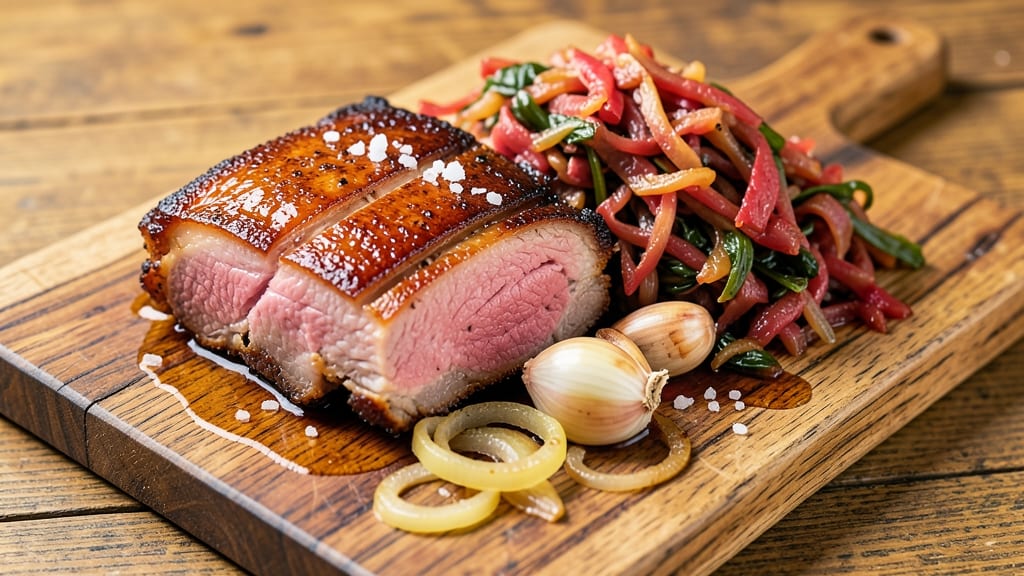
A Boston butt and sauerkraut recipe transforms a classic BBQ centerpiece into a harmonious balance of rich, smoky meat and tangy fermented cabbage. The key lies in slow-cooking the pork shoulder until it's fork-tender while preserving the sauerkraut's crisp texture and bright acidity.
I've perfected this pairing over years of testing—each element must complement the other without overpowering.
This method delivers restaurant-quality results at home with minimal effort. The Boston butt develops deep, caramelized flavors through low-and-slow cooking, while the sauerkraut adds a refreshing contrast that cuts through the richness. Together, they create a dish that's hearty enough for a family dinner but elegant enough for special occasions.
What makes this recipe truly special is how the two components work in tandem. The smoky aroma of the pork mingles beautifully with the vinegary tang of the sauerkraut, creating a flavor profile that's both bold and balanced.
The result is a complete meal that requires no additional sides—just a good beer or apple cider to complement the flavors.
Whether you're smoking the Boston butt or braising it in the oven, the preparation method remains consistent. The sauerkraut gets a quick warm-through in the same pan, absorbing just enough of the pork's juices to enhance its natural tang. This is BBQ done right—simple, flavorful, and impossible to resist.
Ingredients for boston butt and sauerkraut
Rich, smoky pork shoulder meets tangy fermented cabbage in this perfect BBQ pairing.
| Ingredient | Amount | Notes |
|---|---|---|
| Boston Butt Pork Shoulder 🥩 | 4 lb | Bone-in, well-marbled cut preferred |
| Sauerkraut 🥬 | 2 cups | Unopened jar, drained well |
| Yellow Onion 🧅 | 1 whole | Medium size, sliced into wedges |
| Fresh Garlic Cloves 🧄 | 6 cloves | Peeled, smashed for deeper flavor |
| Apple Cider Vinegar 🍎 | ¼ cup | For balancing acidity |
| Brown Sugar 🍯 | ½ cup | Light or dark, packed |
| Smoked Paprika 🌶️ | 2 tbsp | For authentic BBQ depth |
| Ground Black Peppercorns 🌶️ | 1 tsp | Freshly cracked for intensity |
| Kosher Salt 🧂 | 2 tbsp | Diamond Crystal preferred |
| Extra-Virgin Olive Oil 🫒 | ¼ cup | For basting and searing |
| Fresh Thyme Sprigs 🌿 | 4 whole | Stems removed for infusion |
| Beer (Optional) 🍺 | 1 cup | Amber ale or lager preferred |
| Fresh Parsley 🌿 | ¼ cup | Chopped, for garnish |
The Boston butt pork shoulder is non-negotiable for this dish—its marbling and collagen content ensure melt-in-your-mouth texture. Butcher shops often carry pre-cut 4-pound portions, but if buying whole, look for a well-marbled, bone-in cut. Costco or Whole Foods typically stock high-quality options. Avoid lean cuts; the fat renders beautifully during slow cooking. For optimal results, let the pork sit at room temperature for 1 hour before cooking to ensure even doneness. The sauerkraut should be unopened and jarred—freshly fermented cabbage delivers the brightest acidity. Drain it thoroughly before using, but save the liquid for a quick pan sauce if desired.
No smoked paprika? Substitute with a blend of 1 tbsp regular paprika and 1 tsp liquid smoke—though the flavor won't be identical. Swapping the beer for apple juice or additional apple cider vinegar maintains the sweet-sour balance. The thyme and parsley can be omitted if unavailable, but their earthy notes complement the dish beautifully. For a deeper smoky flavor, char a few garlic cloves in a dry pan before adding them to the pork. If using pre-shredded sauerkraut, avoid it—it lacks the crisp texture and vibrant acidity of freshly jarred. The brown sugar can be reduced by 1 tbsp if you prefer less sweetness, but it's essential for caramelizing the pork's surface.
This dish reheats exceptionally well—350°F for 20 minutes in a covered pan restores its juiciness. Store leftovers in the fridge for up to 5 days, covered tightly to preserve moisture. For longer storage, freeze portions for up to 3 months. The sauerkraut can be prepped ahead and stored separately in its jar, but add it to the pan just before serving to maintain its crispness. Garnish with fresh parsley and a drizzle of pan juices for restaurant-quality presentation. The pork's rendered fat can be repurposed for crispy hash browns or cornbread—minimal waste, maximum flavor.
Why You'll Love This Recipe
- One-Pan Magic: I swear by this—just toss everything on a sheet pan, no flipping or fussing. The onions caramelize while the pork roasts, and the sauerkraut soaks up all that juicy flavor without extra bowls.
- Leftovers That Shine: This dish tastes even better the next day—perfect for meal prep. I’ll make a big batch on Sunday, and by Wednesday, it’s still the star of my lunchbox, wrapped in a tortilla or piled on toast.
- Budget-Friendly Feast: A whole Boston butt feeds my family for days, and sauerkraut stretches that pork into multiple meals. Plus, onions and garlic are cheap staples—this recipe makes frugal eating feel indulgent.
Step-by-step instructions for smoky-sour Boston butt with sauerkraut
This method delivers tender, smoked pork shoulder with a tangy-sweet sauerkraut glaze that balances rich flavors perfectly.
Prepare the Pork Shoulder and Dry Rub
Remove the 4 lb Boston Butt Pork Shoulder from the refrigerator and pat it dry with paper towels. This step is critical—moisture on the surface prevents proper bark formation. Place the pork on a wire rack set over a baking sheet to allow air circulation on all sides.
In a small bowl, combine 2 tbsp Kosher Salt, 2 tbsp Smoked Paprika, 1 tsp Ground Black Peppercorns, and 0.5 cup Brown Sugar. Rub this mixture evenly over the pork, pressing firmly into the meat so the spices adhere. Let it sit at room temperature for 30 minutes while you prepare the oven.
Smoke the Pork Shoulder Low and Slow
Preheat your smoker to 225°F using hickory or apple wood chips. Place the pork shoulder fat-side up on the smoker grates and close the lid. Smoke for 6 hours, maintaining a consistent 225°F temperature. Resist the urge to open the smoker during this time—each time you do, you lose heat and extend cook time.
After 6 hours, check the internal temperature using a meat thermometer inserted into the thickest part of the meat. When it reaches 165°F, remove the pork from the smoker and let it rest for 15 minutes before slicing. This resting period ensures juices redistribute, preventing dryness in the final product.
Prepare the Sauerkraut Glaze
While the pork rests, prepare the sauerkraut glaze by combining 2 cups Sauerkraut (drained well), 1 whole Yellow Onion (sliced into wedges), 6 cloves Fresh Garlic Cloves (peeled and smashed), 0.25 cup Apple Cider Vinegar, 4 whole Fresh Thyme Sprigs (stems removed), and 1 cup Beer (Optional) in a saucepan. Bring to a simmer over medium heat and cook for 15 minutes until the onion softens and the flavors meld.
Remove the saucepan from heat and stir in 0.25 cup Extra-Virgin Olive Oil and 0.25 cup Fresh Parsley. Let the mixture cool slightly while you slice the pork. This glaze will cut through the richness of the pork with its tangy, slightly sweet profile.
Slice and Serve with Sauerkraut Glaze
Slice the rested pork shoulder against the grain into ¼-inch thick slices. Arrange the slices on a serving platter and spoon the warm sauerkraut glaze over the top. The contrast of the smoky pork with the tangy-sour glaze creates a harmonious balance of flavors.
Garnish with additional Fresh Parsley for a pop of color and freshness. Serve immediately with crusty bread or roasted potatoes to soak up the delicious glaze. The combination of slow-smoked pork and fermented sauerkraut makes this dish unforgettable.
Pro Tips For Making Boston Butt And Sauerkraut
- Sear the Butt First: Hit the Boston butt with a screaming-hot pan before slow cooking—this isn’t just for flavor, it’s for texture. The crust locks in juices and keeps the meat from drying out later, especially when braising with sauerkraut’s acidity.
- Drain, Rinse, Repeat: Skip the jar of sauerkraut straight from the fridge—drain it, rinse it under cold water, and pat it dry. The excess brine dilutes your dish, and the rinse cuts the sharpness so the pork’s richness shines through.
- Don’t Crowd the Garlic: Slice those garlic cloves thin but keep them separate—piled together, they burn in 30 seconds flat. Spread them out in the pan like confetti, and they’ll caramelize into sweet, golden bits without turning bitter.
- Braise Low and Slow: After searing, drop the heat to 275°F (135°C) and cover the pot. Too high, and the sauerkraut turns mushy; too low, and the pork gets tough. A meat thermometer at 203°F (95°C) is your exit ticket—probe the thickest part, no guessing.
Make-ahead tips for this recipe
Pork Prep Ahead
Season your Boston butt with the dry rub up to 24 hours ahead and refrigerate uncovered on a wire rack. This allows the spices to penetrate deeply and develop complex flavors.
Wrap it tightly in plastic wrap or foil before storing. When ready to cook, remove it from the fridge 1 hour before smoking to bring it to room temperature. 💪
Sauerkraut Glaze Prep
Make the sauerkraut glaze 1 day ahead and store it in an airtight container in the fridge. The flavors will meld beautifully overnight, intensifying the tangy-sweet profile. Reheat gently in a skillet over low heat before serving to maintain its texture.
I like adding a splash of apple cider vinegar when reheating to brighten the flavors.
Slow Cooker Option
For a hands-off approach, place the seasoned Boston butt in a slow cooker with ½ cup apple juice or beer. Cook on low for 8 hours or high for 5 hours, then shred the pork.
Warm the sauerkraut glaze separately and serve together. This method is perfect for busy weeknights when you want minimal effort but maximum flavor. ⏰
Freezer-Friendly Pork
Cook the Boston butt completely, then slice and freeze it in quart-sized freezer bags. Store the sauerkraut glaze separately in a sealed container. When ready to serve, thaw the pork in the fridge overnight, then reheat in a skillet with a splash of water or broth.
The sauerkraut glaze can be reheated directly from frozen in the microwave for 2-3 minutes on high.
Sauerkraut Storage
Keep unopened sauerkraut in its jar in the fridge for up to 1 year—it only gets better with age. Once opened, transfer it to an airtight container and store it submerged in its liquid.
For best results, use the sauerkraut within 3 months of opening to maintain its crisp texture and vibrant flavor. The liquid can be used as a quick pan sauce or marinade for other meats. 🥬
Make-Ahead Serving Platter
Assemble the entire dish 1 day ahead by slicing the pork, warming the sauerkraut glaze, and arranging everything on a serving platter. Cover loosely with foil and refrigerate. Reheat the pork in a 350°F oven for 20 minutes and warm the glaze in a skillet.
This is ideal for large gatherings where you want to spend less time in the kitchen and more time enjoying the meal with guests. ✨
Nutrition facts
Frequently asked questions
Can I substitute sauerkraut with another fermented vegetable?
While sauerkraut is ideal for its tangy, crisp texture, you can use kimchi or pickled green beans in a pinch. For kimchi, reduce the apple cider vinegar by half since it's already fermented. The flavor profile will shift slightly but still complement the smoky pork beautifully. Avoid sweet pickles—they lack the necessary acidity to balance the rich meat.
How do I keep the sauerkraut from getting mushy when warming it?
Sauerkraut loses crispness when overcooked. Warm it in a skillet over medium-low heat for just 5-7 minutes with a splash of water or the pork's juices. Add the glaze ingredients (onion, garlic, vinegar) last to maintain texture. For extra crunch, stir in 1 tablespoon cornstarch mixed with water before heating.
What's the best way to reheat leftover Boston butt?
Slice the pork and reheat in a skillet over medium heat with 2 tablespoons apple cider vinegar for 3-4 minutes to restore moisture. For oven reheating, wrap slices in foil with a splash of broth and bake at 300°F for 15 minutes. Never microwave—it dries out the meat. Always reheat sauerkraut separately.
Can I make this recipe without a smoker?
Use an oven at 275°F for 4-5 hours with a water pan for moisture. For extra smokiness, add 1-2 soaked wood chips to the pan or use a smoke tube. Alternatively, slow-cook on low for 8 hours with ½ cup beer or apple juice added to the pot for similar tender results.
What drinks pair best with this dish?
An amber lager or dry Riesling complements the smoky-sour balance perfectly. For non-alcoholic options, try sparkling apple cider or ginger beer. The effervescence cuts through the richness while the slight sweetness mirrors the brown sugar in the rub.