
Sauces & Condiments
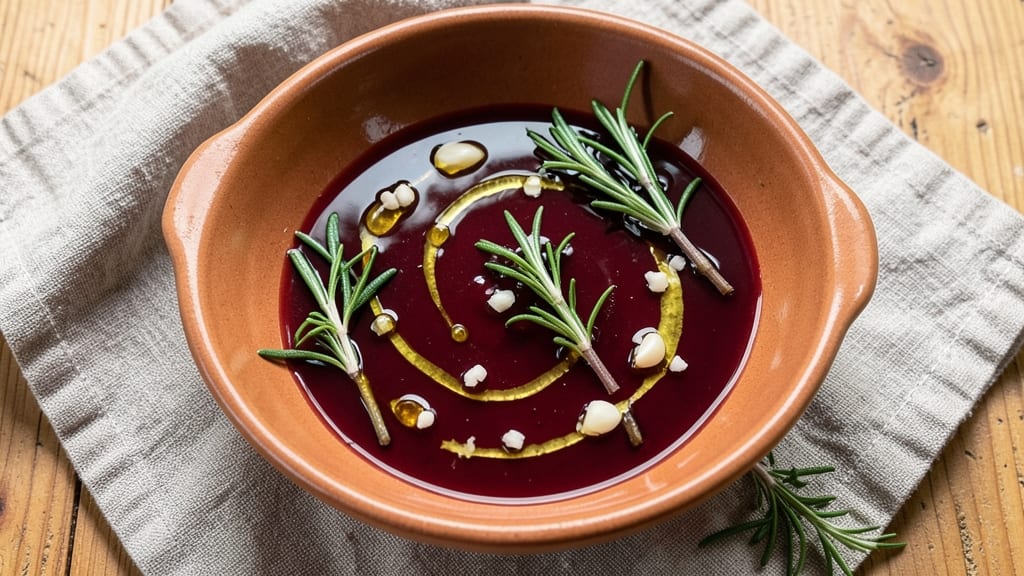
A burgundy wine steak marinade transforms tough cuts into melt-in-your-mouth perfection with its deep, complex flavors. This marinade combines rich red wine, aromatic herbs, and precise seasoning to tenderize while infusing every bite with bold, restaurant-quality depth.
I developed it after years of experimenting with wine-based marinades—this version delivers consistent results without overpowering the steak's natural taste.
The secret lies in balancing acidity, fat, and seasoning: red wine tenderizes, olive oil carries flavors, and Dijon mustard adds tang. Fresh thyme and rosemary elevate the aroma, while garlic and black pepper ensure a well-rounded profile.
Unlike store-bought blends, this marinade builds flavor gradually, making it ideal for 4-24 hours of infusion—no rushed prep required.
What you’ll achieve is steak that’s tender, juicy, and bursting with wine-infused richness, ready for grilling, pan-searing, or broiling. The marinade’s depth enhances even simple cuts like ribeye or sirloin, turning weeknight dinners into standout meals.
Store leftovers in the fridge for up to a week, or freeze for future use—its versatility makes it a pantry staple.
Pair this marinade with a red wine reduction sauce for an elevated dining experience, or serve with roasted vegetables and crusty bread. The possibilities are endless, but the results are always exceptional. Let’s get started—your steak deserves this level of care.
Ingredients for burgundy steak marinade
Nine ingredients transform simple steak into restaurant-worthy perfection with wine-infused richness.
| Ingredient | Amount | Notes |
|---|---|---|
| Dry Red Burgundy Wine 🍷 | 1 cup | Bold, full-bodied variety preferred |
| Extra-Virgin Olive Oil 🫒 | ⅓ cup | High-quality, fruity flavor profile |
| Dijon Mustard 🥬 | 1 tbsp | Whole-grain preferred for texture |
| Fresh Thyme Leaves 🌿 | ¼ cup | Stems removed, finely chopped |
| Fresh Rosemary 🌿 | 2 tbsp | Finely chopped, stems removed |
| Garlic Cloves 🧄 | 4 cloves | Peeled, minced finely |
| Coarse Sea Salt 🧂 | 1 ½ tsp | Diamond Crystal preferred |
| Freshly Ground Black Pepper 🌶️ | 1 tsp | Cracked peppercorns preferred |
| Granulated Sugar 🍬 | 1 tsp | Balances acidity in marinade |
| Balsamic Vinegar 🍶 | 1 tbsp | Aged variety for depth |
The Burgundy wine is non-negotiable here—look for a dry, full-bodied red like Pinot Noir or Cabernet Sauvignon at your local wine shop. Trader Joe's and Total Wine often have affordable options, but if you're splurging, Louis Jadot or Domaine Drouhin Burgundies elevate the dish. Fresh herbs make all the difference: grab thyme and rosemary from the grocery store's produce section—they should smell vibrant, not wilted. For the olive oil, avoid the cheap stuff—California Olive Ranch or Bertolli are solid mid-range options that won't break the bank. The Dijon mustard should be whole-grain for that perfect texture—Maille is my go-to, but any quality brand works.
No Burgundy wine? Pinot Noir or Merlot will work in a pinch, but avoid sweet reds like Zinfandel. Short on fresh rosemary? Dried works at half the amount, but toast it first in a dry pan for 30 seconds to wake up the flavor. The balsamic vinegar can be swapped for red wine vinegar plus 1 tsp sugar, though it won't be as complex. For the sugar, honey or maple syrup adds depth but changes the balance slightly. If you're prepping ahead, make a double batch—this marinade keeps beautifully in the fridge for up to 2 weeks or frozen for 3 months in an airtight container.
This marinade builds flavor over time, so plan to marinate your steak for at least 4 hours, but overnight is ideal. Store leftover marinade in a glass jar in the fridge—it'll keep for up to 1 week. For best results, shake or stir the marinade before each use to redistribute settled ingredients. If you've got extra, freeze portions in ice cube trays for single-use servings later. The herbs will lose potency over time, so refresh them every 3-4 uses—just add fresh thyme and rosemary before marinating.
Why You'll Love This Recipe
- Wine Cabinet Hack: I already had that dusty Burgundy in my cupboard—now it’s working for dinner instead of collecting spores. Just pour, stir, let it sit. No fancy technique, no stress.
- Deep Umami Magic: That Dijon and wine combo? It’s like a secret handshake for beef—tender, rich, with a hint of tang that makes every bite feel special. (Yes, even on a Tuesday night.)
- Double-Duty Marinade: Use half on steak, save the rest for chicken or roasted potatoes. The leftovers keep for days in the fridge, so I’m never scrambling for a last-minute flavor boost.
- Pantry-to-Table Luxe: No specialty ingredients—just what’s already lurking in your fridge. The rosemary and thyme add a fresh kick, but honestly? The wine does 90% of the heavy lifting.
Step-by-step instructions for Burgundy wine steak marinade
This marinade transforms simple steaks into restaurant-quality masterpieces with bold wine and herb complexity.
Prepare the Herb and Aromatic Base
In a medium mixing bowl, combine the 0.25 cup fresh thyme leaves and 2 tablespoons fresh rosemary (stems removed and finely chopped). Add the 4 cloves garlic cloves (minced finely) and mix thoroughly. This aromatic trio forms the flavor foundation of your marinade. I like to use a wooden spoon here—it helps distribute the finely chopped herbs evenly while preventing them from breaking down too much.
Next, add the 1 teaspoon granulated sugar and 1 tablespoon Dijon mustard to the herb mixture. The sugar will balance the acidity of the wine while the mustard adds subtle depth and helps emulsify the marinade later. Stir until the sugar dissolves completely and the mustard is fully incorporated into the herb mixture. This ensures even distribution when you combine everything with the wine.
Whisk in the Wine and Oil
Pour in the 1 cup dry red Burgundy wine and 0.33 cup extra-virgin olive oil simultaneously while whisking vigorously. The wine should be bold and full-bodied—this is where the marinade gets its signature depth. I prefer using a whisk here because it creates a smooth, well-emulsified mixture that coats the steak evenly.
Whisk continuously for 2-3 minutes until the mixture becomes slightly thickened and glossy. You'll notice the wine and oil begin to blend into a cohesive liquid rather than separate layers. This emulsification is crucial—it ensures the marinade clings to the steak rather than pooling in the bottom of your container. If you see any separation after whisking, give it another quick stir before proceeding.
Season and Finish the Marinade
Add the 1.5 teaspoons coarse sea salt and 1 teaspoon freshly ground black pepper to the mixture. Sprinkle in the 1 tablespoon balsamic vinegar and whisk once more to combine. The balsamic vinegar adds a touch of complexity that bridges the wine's richness with the herbs' brightness. Taste the marinade at this stage—it should be tangy, herby, and slightly sweet with a hint of acidity.
Transfer the marinade to a non-reactive container with a lid (glass or ceramic works best). Give it one final stir before sealing. This marinade is best used within 24 hours for optimal flavor penetration, though it can be refrigerated for up to 48 hours if needed. The longer it sits, the more the flavors meld together, but don't exceed 48 hours as the acidity can start to break down the steak fibers.
Pro Tips For Making Burgundy Steak Marinade
- Reduce the Wine First: Simmer the burgundy wine in a small saucepan for 3-4 minutes before mixing it into the marinade—this concentrates the flavor and cuts the alcohol sharpness. I used to skip this, and the marinade always tasted thin and harsh afterward.
- Whisk the Mustard Well: Dijon mustard clumps like a stubborn guest if you don’t whisk it into the olive oil first. Stir it into the oil until fully emulsified before adding the wine, or you’ll end up with a lumpy mess that won’t coat the steak evenly.
- Don’t Overload the Herbs: A handful of thyme and rosemary is plenty—about 4 sprigs total, finely chopped. Too much makes the marinade bitter, and the herbs won’t infuse properly. I learned this after ruining a batch with a full sprig of each, thinking more was better.
- Marinate for 2 Hours Max: Burgundy wine’s acidity tenderizes quickly, but past 2 hours, the steak can turn mushy. If you’re short on time, 30 minutes in the fridge still works—just pat it dry before cooking for a better sear. (Yes, I’ve rushed it and regretted it.)
Flavor customization for burgundy steak marinade
Herb Variations
Swap thyme and rosemary for fresh tarragon and sage to create a French-inspired twist that pairs beautifully with ribeye. Use 1 tbsp chopped tarragon and 2 tbsp chopped sage instead—these herbs add an anise-like note that complements the wine's earthiness.
For a Mediterranean flair, try oregano and basil (each 1 tbsp) with a pinch of red pepper flakes for subtle heat. 🌿
Sweet Heat Adjustments
For a smoky-sweet profile, add 1 tbsp smoked paprika and ½ tsp honey> to the marinade. The paprika deepens the wine's richness while the honey caramelizes slightly during cooking, creating a glossy crust.
If you prefer tangy heat, swap the sugar for 1 tbsp maple syrup> and add ½ tsp cayenne pepper>. This works especially well with sirloin steaks.
Wine Substitutions
No Burgundy? Pinot Noir> or Cabernet Sauvignon> are excellent substitutes—they retain enough acidity and tannins to tenderize. For boldness, use Malbec>, but reduce the wine to ¾ cup> and add 1 tbsp beef broth> to balance the intensity.
Avoid sweet reds like Zinfandel—they’ll overpower the steak’s natural flavor. If using a cheaper wine, let the marinade infuse for 6-8 hours> instead of 4 to extract deeper flavor.
Umami Boost
Add 1 tbsp soy sauce> or 1 tsp fish sauce> for an umami kick that pairs perfectly with wine’s acidity. This works especially well with flank steak or skirt steak, where the marinade’s boldness shines.
For a vegetarian-friendly version, swap the soy sauce for 1 tbsp mushroom powder> or 2 tbsp tomato paste>. The umami depth enhances the wine’s complexity without overpowering it.
Spicy Global Twists
For a Thai-inspired marinade, add 1 tbsp fish sauce>, 1 tbsp lime juice>, and 1 tsp chili paste>. This creates a tangy, spicy contrast that’s perfect for grilled sirloin.
For a Mexican-inspired version, swap the balsamic vinegar for 1 tbsp lime juice> and add 1 tsp ground cumin> and ½ tsp chipotle powder>. The smoky, citrusy notes elevate the wine’s depth while adding a bold kick. 🌶️
Nutrition facts
Frequently asked questions
Can I use this marinade on other meats besides steak?
This rich wine blend works beautifully with chicken thighs, lamb chops, or even pork tenderloin. The acidity and herbs tenderize tougher cuts while adding depth. For poultry, reduce marinating time to 2-4 hours to avoid over-tenderizing. Always pat meat dry before cooking for better searing.
How long should I marinate steak for best results?
For optimal flavor and tenderness, marinate steaks for 4-24 hours in the refrigerator. The longer it sits (up to 24 hours), the deeper the wine infusion becomes. Never exceed 24 hours as the acidity can start breaking down meat fibers. For thick cuts like ribeye, 12-16 hours works perfectly.
What's the best way to store leftover marinade?
Transfer leftovers to a glass jar and refrigerate for up to 1 week. For longer storage, freeze in ice cube trays for single-use portions. Always stir before using as ingredients may settle. If you notice herbs losing potency after 3-4 uses, refresh with 1 tsp fresh thyme and rosemary before marinating.
Can I make this marinade without wine?
Yes, but the flavor profile will change significantly. Replace the wine with 1 cup beef broth plus 1 tbsp red wine vinegar for acidity. For depth, add 1 tsp soy sauce or ½ tsp mushroom powder. The marinade will be less complex but still tenderizing. If using this substitution, marinate for 6-8 hours instead of 4.
Why does my marinade look separated after mixing?
This is normal with wine-based marinades—the oil and wine naturally separate. Simply whisk vigorously before using. For a more stable marinade, add 1 tsp xanthan gum (food-grade) to thicken it slightly. The separation won't affect flavor or effectiveness, but whisking ensures even coating on your steak.