
Sauces & Condiments
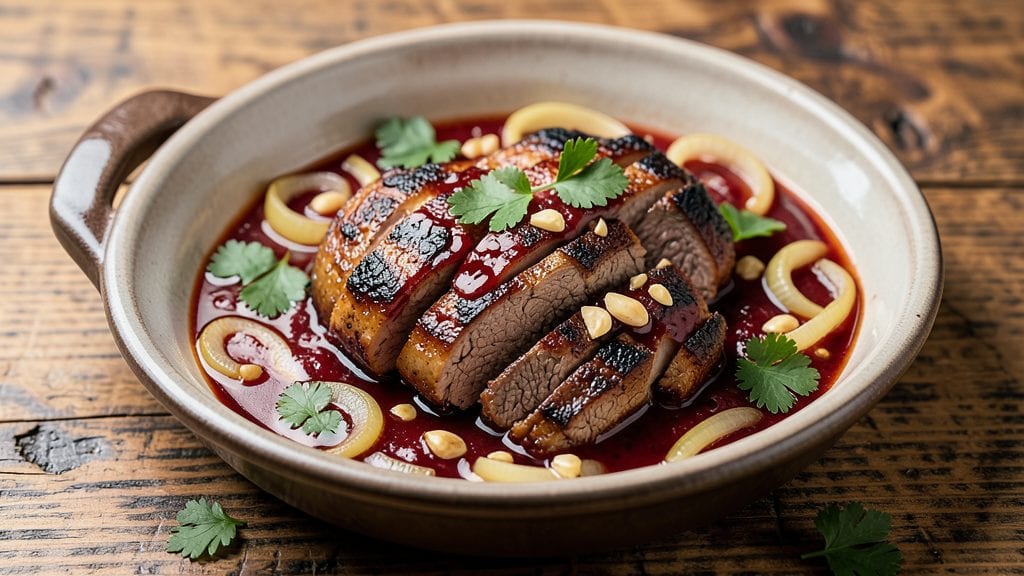
This red wine au jus recipe transforms a simple roast into a restaurant-worthy centerpiece with just a few key techniques. The deep, velvety sauce—rich with caramelized beef flavors and the complexity of red wine—is where the magic happens, turning everyday meat into something extraordinary.
I’ve perfected this method over years of testing, ensuring the wine reduces properly without becoming bitter or overpowering the natural taste of the beef.
The secret lies in patience and precision: browning the meat thoroughly before deglazing with wine creates a flavor base that builds into a luxurious sauce. Unlike store-bought versions, this recipe delivers a depth of flavor that comes from slow reduction and proper seasoning.
It’s the kind of sauce that makes your table feel like a special occasion, even on a weeknight.
By the time you’re done, you’ll have tender, juicy roast beef swimming in a glossy, aromatic sauce that’s perfectly balanced—savory, slightly tangy, and just sweet enough from the caramelized beef drippings. The sauce clings to every bite, elevating even the simplest side dishes into a complete meal.
This is the kind of dish that makes you feel like a professional chef without the fuss.
Pair it with roasted root vegetables, crusty bread, or a simple green salad to round out the meal. The leftovers reheat beautifully, making it perfect for meal prep or feeding a crowd. Let’s get started on creating this showstopping centerpiece.
Ingredients for red wine au jus
Bold flavors and simple techniques make this restaurant-worthy red wine au jus.
| Ingredient | Amount | Notes |
|---|---|---|
| Beef Chuck Roast 🥩 | 3 lb | Trimmed of excess fat, cut into 1.5-inch cubes |
| Dry Red Wine 🍷 | 2 cups | Bold variety like Cabernet Sauvignon or Merlot |
| Beef Broth 🍲 | 2 cups | Low-sodium preferred, homemade or quality store-bought |
| Yellow Onion 🧅 | 1 whole | Medium size, diced into 1/4-inch pieces |
| Garlic Cloves 🧄 | 4 cloves | Fresh, peeled and smashed |
| Tomato Paste 🍅 | 2 tbsp | Smooth, not chunky |
| Worcestershire Sauce 🍯 | 1 tbsp | Original, not reduced-sodium |
| Balsamic Vinegar 🍶 | 1 tbsp | Aged, not flavored |
| Dijon Mustard 🥫 | 1 tsp | Mild, not coarse |
| Fresh Thyme 🌿 | 2 sprigs | Or 1 tsp dried thyme |
| Fresh Rosemary 🌿 | 1 sprig | Woody stems removed |
| Carrots 🥕 | 2 whole | Medium size, cut into 1-inch chunks |
| Olive Oil 🫒 | 2 tbsp | Extra-virgin for richness |
| Salt 🧂 | 1 ½ tsp | Diamond Crystal kosher salt |
| Ground Black Pepper 🌶️ | 1 tsp | Freshly ground preferred |
| Granulated Sugar 🍚 | 1 tsp | For balancing acidity |
The beef is non-negotiable—chuck roast delivers that melt-in-your-mouth texture, while sirloin stays too firm. Grab the pre-cubed version from Costco or your butcher for convenience, or trim a whole roast yourself. Look for good marbling; that’s where the flavor hides. For the red wine, any bold, dry variety works—Cabernet Sauvignon or Merlot are my go-tos, but whatever’s open in your fridge will do. The beef broth should be rich but not salty—homemade or high-quality store-bought like Kitchen Basics or Pacific Foods makes all the difference.
No red wine? Beef broth plus 1 tbsp balsamic vinegar mimics the depth. Fresh thyme and rosemary are ideal, but dried works at one-third the amount—just crush the leaves first for extra flavor. The tomato paste can be from a squeeze tube at Trader Joe’s if you’re short on time; no need for fancy cans. For the carrots, baby carrots are fine, but whole carrots add better texture. The olive oil matters here—use something fruity and peppery, not that neutral stuff. And yes, the sugar balances the acidity, but don’t skip it—trust me.
This sauce gets better with time, so make a double batch if you’re feeding a crowd. Store leftovers in an airtight container in the fridge for up to 5 days, or freeze for 3 months. Reheat gently on the stove—never microwave, or you’ll kill that silky texture. The sauce thickens as it cools, so add a splash of broth if it’s too stiff. Pair it with roasted potatoes or crusty bread, and you’ve got a showstopper.
Why You'll Love This Recipe
- Wine-Infused Magic: Honestly, the way the red wine reduces into a glossy, savory sauce with just a hint of acidity? It’s like a fancy restaurant trick you can pull off in your own kitchen. The beef broth deepens the flavor without overpowering it, and the garlic? Oh, it’s there—just enough to make you want to linger.
- Leftovers That Shine: This isn’t one of those meals where leftovers taste sad. The au jus stays rich and drinkable, perfect for sandwiches, tacos, or reheating with a splash of water to loosen it up. I’ve sent this home with coworkers, and they’ve always asked for the recipe—no exaggeration.
- Budget Beef Boost: A chuck roast is one of the most affordable cuts that still delivers serious meaty satisfaction. The red wine adds depth without breaking the bank (I use whatever’s open in my fridge), and the onions and garlic cost pennies. It’s the kind of meal that makes you feel like you’re treating yourself, even when you’re counting pennies.
Step-by-step instructions for red wine au jus recipe
This method delivers a velvety, deeply flavorful au jus that clings perfectly to your roast.
Sear the Beef Chuck Roast for Maximum Flavor
Heat a large Dutch oven over medium-high heat and add the 2 tablespoons olive oil. Once shimmering, add the 3 lb beef chuck roast in a single layer. Let it sear undisturbed for 4-5 minutes per side until developing a deep, golden-brown crust. This step creates the flavor foundation for your au jus.
I press down gently on the roast during the first minute—this prevents it from curling and ensures even contact with the pan. If you notice the roast isn't browning evenly, rotate it to expose all sides. Once properly seared, transfer the roast to a plate and set aside temporarily.
Build the Flavor Base with Aromatics and Wine
In the same Dutch oven, add the 1 whole yellow onion and 2 whole carrots cut into chunks. Cook for 5 minutes until softened and slightly caramelized. Add the 4 cloves garlic cloves, 2 sprigs fresh thyme, and 1 sprig fresh rosemary, stirring for 30 seconds until fragrant.
Pour in the 2 cups dry red wine and scrape up all the browned bits from the bottom of the pan—this is where all the deep flavors hide. Let the wine simmer for 3-4 minutes until reduced by about half. You'll notice the aroma intensify as the alcohol burns off and the wine concentrates.
Develop the Sauce with Tomato Paste and Seasonings
Stir in the 2 tablespoons tomato paste, 1 tablespoon Worcestershire sauce, 1 tablespoon balsamic vinegar, 1 teaspoon Dijon mustard, 1.5 teaspoons salt, 1 teaspoon ground black pepper, and 1 teaspoon granulated sugar. Cook for 2 minutes until the tomato paste darkens slightly and the mixture becomes thick and glossy.
This is where the magic happens—the tomato paste adds depth, the balsamic vinegar balances acidity, and the sugar prevents bitterness. The Dijon mustard helps emulsify the sauce later. If you notice the mixture sticking, add ¼ cup beef broth to loosen it.
Braise the Roast Until Tender
Return the seared beef chuck roast to the Dutch oven. Pour in the 2 cups beef broth, ensuring the roast is mostly submerged. Bring to a simmer, then cover and transfer to a 325°F oven for 2.5-3 hours. You'll know it's done when the meat is fork-tender and easily pulls apart.
I check for doneness by inserting a fork—if it slides in easily and the meat fibers separate cleanly, it's ready. If the liquid reduces too quickly, add more broth in ½ cup increments to maintain moisture. The roast should be bathed in a rich, flavorful liquid by the end.
Strain and Finish the Au Jus
Carefully remove the roast and set it aside to rest. Strain the braising liquid through a fine-mesh sieve into a saucepan, pressing on the solids to extract every last bit of flavor. Return the strained liquid to medium heat and simmer for 5-7 minutes until slightly thickened.
Taste and adjust seasoning—add more salt if needed, or a splash of red wine if the sauce is too acidic. The au jus should coat the back of a spoon and have a velvety texture. Serve immediately over sliced roast or use as a dipping sauce for crusty bread.
Pro Tips For Making Red Wine Au Jus
- SEAR THE ROAST FIRST: I learned this the hard way—skipping the sear means your au jus will taste like broth with wine added. Get that beef chuck roast screaming hot in a dry pan for 3-4 minutes per side until deep brown before even thinking about deglazing. The crust locks in flavor and thickens the sauce later.
- DEGLAZE WITH WINE IMMEDIATELY: Don’t walk away after searing—grab that red wine and pour it in while the pan’s still smoking. Let it bubble and reduce by half before adding anything else. I used to wait, and the wine just turned into a sad, diluted sauce. Heat is your friend here.
- SKIP THE BROTH UNTIL THE END: Add the beef broth last, after the wine and onions have cooked down. If you dump it in early, you’ll dilute the deep, concentrated flavors you just built. Save it for the final 10 minutes to let the sauce thicken properly—this is where the magic happens.
- USE A SPLASH OF COLD WATER: When your au jus starts looking too thick at the end, don’t panic. Toss in 2-3 tablespoons of cold water, stir, and let it simmer again. The cold liquid cuts the richness without thinning it out permanently. I was skeptical until I tried it—now I never skip this step.
Dietary considerations for red wine au jus
Gluten-Free Adaptations
This recipe is naturally gluten-free, but always double-check your ingredients. The Worcestershire sauce is the only potential pitfall—opt for a gluten-free brand like Annie’s or Lea & Perrins Gluten-Free. The beef broth should also be gluten-free; brands like Pacific Foods or Imagine are safe choices.
No other ingredients contain gluten, so you can enjoy this rich, velvety sauce without worry. 💪
Dairy-Free Considerations
This au jus is inherently dairy-free, making it perfect for those avoiding lactose. The sauce relies entirely on the beef, wine, and aromatics for its deep flavor. If you're serving with sides, ensure any accompanying dishes—like mashed potatoes or bread—are also dairy-free.
The richness comes from the wine reduction and caramelized beef, not dairy. 🥩
Low-Sodium Options
For a lower-sodium version, use a low-sodium beef broth like Kitchen Basics or Pacific Foods Low-Sodium. Reduce the added salt to ½ teaspoon and taste as you go.
The wine and tomato paste already contribute enough umami flavor, so you won’t miss the extra salt. This adjustment keeps the dish heart-healthy without sacrificing taste. ✨
Vegetarian Substitutions
While this recipe is designed for beef, you can adapt it for a vegetarian version by using mushrooms or hearts of palm as the base. Sear the mushrooms in olive oil until deeply browned, then proceed with the wine and aromatics.
The texture will differ, but the rich, wine-infused sauce remains delicious. For a meaty texture, portobello mushrooms work best. 🍄
Alcohol-Free Version
Skip the red wine and replace it with 2 cups beef broth plus 1 tablespoon balsamic vinegar to mimic the depth. The balsamic adds acidity and complexity, while the extra broth ensures the sauce remains rich.
The flavor won’t be identical, but it’s a great substitute for those avoiding alcohol. 🍷
Keto-Friendly Adjustments
This recipe is already keto-friendly, thanks to its low-carb ingredients. The beef, wine, and aromatics provide all the flavor without any added sugars or grains. Just ensure your beef broth is sugar-free, and you’re all set for a delicious, low-carb meal.
The sauce pairs perfectly with cauliflower mash or roasted Brussels sprouts. 🥦
Nutrition facts
Frequently asked questions
What's the best red wine to use for au jus?
Use a bold, dry red wine like Cabernet Sauvignon or Merlot—they hold up well to reduction and add depth without overpowering the beef. Avoid sweet or fruity wines, as they can make the sauce taste cloying. A 2-cup minimum ensures enough liquid for proper reduction.
Can I make this au jus ahead of time?
Store the finished sauce in an airtight container in the fridge for up to 5 days or freeze for 3 months. Reheat gently on the stove—never microwave, or the texture will break. The flavors actually improve overnight as they meld.
Why did my au jus turn bitter?
Over-reducing the wine or skipping the sugar can cause bitterness. Always reduce the wine just until it's half its original volume (3-4 minutes), and add the 1 teaspoon sugar to balance acidity. If it's too strong, dilute with ¼ cup beef broth and a splash of wine.
How do I serve this with roast beef?
Slice the roast against the grain into ¼-inch pieces, then spoon the warm au jus over the top. For extra drama, serve with crusty bread for dipping or alongside roasted root vegetables. The sauce clings beautifully to each bite, making every forkful feel luxurious.
Can I substitute beef broth with something else?
Use vegetable broth for a lighter version, but the flavor will be less rich. For depth, add 1 teaspoon soy sauce or an extra ½ cup red wine. Avoid water—it dilutes the sauce and weakens the beefy flavor. The broth is key to that velvety texture!