
Sauces & Condiments
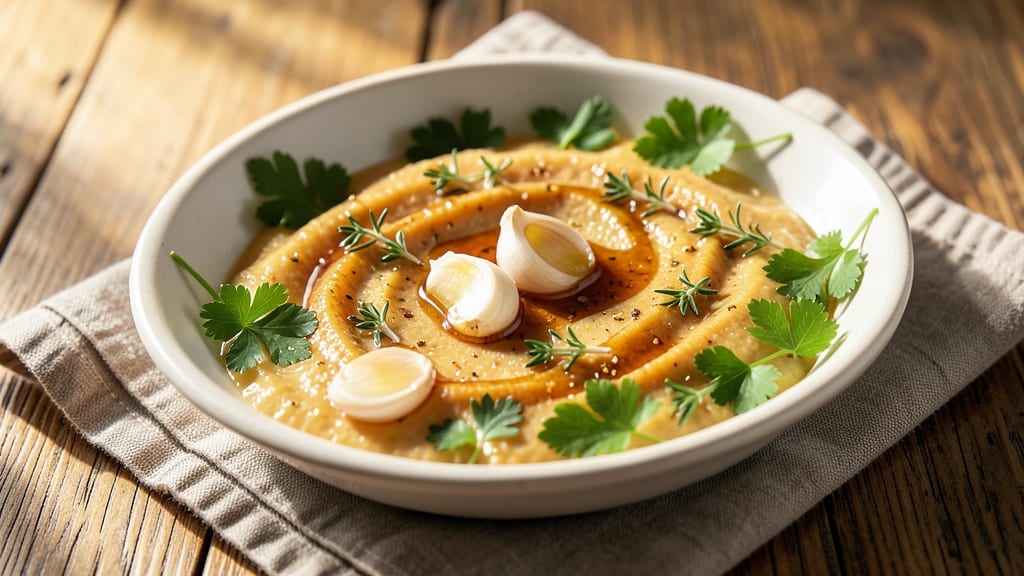
This duck butter recipe transforms simple ingredients into a luxurious, golden spread that elevates everything from toast to roasted vegetables. I first made this after a trip to a French market where I saw chefs using duck fat in their sauces—now it’s my go-to for adding depth to any dish.
The combination of rendered duck fat, fresh herbs, and a touch of honey creates a rich, aromatic butter that’s far more complex than store-bought versions.
The process is straightforward but requires precision: rendering the duck fat properly ensures a smooth, flavorful base, while blending in herbs and honey at the right temperature preserves their freshness. This butter isn’t just for spreading—it’s a secret weapon for basting meats, finishing soups, or drizzling over grilled fish.
The result is a velvety, fragrant spread that tastes like a gourmet kitchen shortcut.
What makes this recipe special is its versatility. Use it as a rich topping for crusty bread, a flavorful basting glaze for roasted chicken, or a finishing touch for steamed asparagus.
The duck fat adds a subtle richness, while the herbs and honey balance with bright, fresh notes. Once you try it, you’ll never go back to plain butter again.
Storing is simple—just shape it into a log, wrap tightly, and refrigerate for up to two weeks. The flavors deepen over time, making it perfect for meal prep or gifting. Let’s get started on this decadent, foolproof spread that turns ordinary dishes into something extraordinary.
Ingredients for duck butter
Nine ingredients. One decadent spread that turns ordinary dishes into something extraordinary.
| Ingredient | Amount | Notes |
|---|---|---|
| Duck Fat 🦆 | 1 cup | Rendered from duck confit or store-bought |
| Unsalted Butter 🧈 | ½ cup | Cold, cubed for blending |
| Fresh Thyme Leaves 🌿 | ¼ cup | Stems removed, finely chopped |
| Fresh Parsley Leaves 🌿 | ¼ cup | Flat-leaf preferred, finely chopped |
| Honey 🍯 | 2 tbsp | Wildflower or clover variety |
| Garlic Cloves 🧄 | 2 cloves | Minced, for subtle depth |
| Sea Salt 🧂 | ½ tsp | Fine grain, adjust to taste |
| Black Pepper 🌶️ | ¼ tsp | Freshly cracked for warmth |
| Lemon Zest 🍋 | 1 tsp | From organic lemon |
The duck fat is the star—it’s what gives this butter that luxurious, golden richness. Costco or specialty butchers sell it pre-rendered, but if you’ve got leftover duck confit, render your own. Look for fat that’s solid at room temperature but melts easily when warmed. Penzeys also carries high-quality duck fat if you want to splurge. The herbs? Fresh is non-negotiable here—dried just won’t cut it. I grab mine from the grocery store’s produce section, but if you’re feeling fancy, hit the farmers market. The thyme and parsley should be vibrant green, not wilted or yellowing.
No duck fat? Goose fat or rendered beef fat works in a pinch, though the flavor won’t be identical. Short on herbs? Dried thyme at half the amount gets you close, but it’ll lack that fresh brightness. The honey can be swapped for maple syrup if you’re avoiding sugar, though it’ll taste slightly different. As for the garlic, if you’re not a fan, skip it—this butter is still delicious without it. The lemon zest is optional but adds a bright pop that balances the richness. If you’re making this ahead, zest it fresh just before blending—it loses its punch fast.
This butter keeps beautifully—shape it into a log, wrap tightly in parchment, then foil, and refrigerate for up to 2 weeks. For longer storage, freeze for 3 months. I like to portion mine into small logs for easy use—perfect for gifting or meal prep. The flavors actually deepen over time, so leftovers taste even better. Just let it sit at room temperature for 10 minutes before spreading to avoid a cold, hard butter experience.
Why You'll Love This Recipe
- Five-Ingredient Magic: I swear, this takes less effort than spreading store-bought butter. Just melt duck fat with butter, toss in thyme and parsley, simmer until fragrant—no chopping, no fuss. My lazy Sundays now include homemade gourmet butter without the stress.
- Rich Without Trying: That first bite? Buttery meets decadent with a honeyed depth you won’t find in regular butter. The duck fat adds a caramelized richness, while the herbs keep it bright—like a hug for your taste buds.
- Every Meal Upgrade: Slather it on toast for brunch, melt into roasted veggies, or dollop on steak. Honestly, I’ve used it in everything from pancakes to grilled fish, and it always makes it taste fancier. Zero effort, maximum wow.
- Makes Leftovers Worth It: A small batch lasts weeks—I keep mine in the fridge and pull it out whenever I need a flavor boost. Between us, this is my secret weapon for turning simple meals into something special without breaking the bank.
Step-by-step instructions for duck butter with herbs and honey
Here's how to make a velvety, aromatic duck butter that'll elevate everything from steak to toast.
Melt and Blend the Fats
In a medium saucepan, combine the 1 cup duck fat and 0.5 cup unsalted butter over low heat. Let them melt together slowly—you want them to warm gently, not bubble. Stir occasionally until fully melted and smooth. This gradual melting prevents scorching and keeps the fats from separating later.
Once melted, transfer the mixture to a blender or food processor. Let it cool slightly for 2-3 minutes until it reaches about 100°F—warm enough to blend smoothly but not so hot it creates steam explosions. This temperature is perfect for blending without risking splattering.
Add Herbs and Honey
With the blender running on low speed, gradually add the 0.25 cup fresh thyme leaves and 0.25 cup fresh parsley leaves. Pulse until the herbs are finely chopped but still visible—you want texture, not a puree. Then add the 2 tbsp honey and blend until fully incorporated. The honey will help emulsify the mixture and add a touch of sweetness that balances the richness.
Here's the thing—don't over-blend. You're aiming for a spreadable consistency with visible herb flecks. If it looks too thick, add 1 teaspoon water at a time until it reaches a smooth, pourable consistency. The mixture should coat the back of a spoon but still hold its shape when spread.
Incorporate Aromatics and Seasonings
Add the 2 minced garlic cloves, 0.5 tsp sea salt, 0.25 tsp black pepper, and 1 tsp lemon zest to the blender. Pulse just until combined—you don't want to break down the garlic completely, just distribute it evenly. The lemon zest adds a bright, citrusy note that cuts through the richness of the duck fat.
Taste the mixture and adjust seasoning if needed. I usually add a pinch more salt here because duck fat is naturally rich. The finished butter should taste balanced—herby, slightly sweet from the honey, with a hint of garlic and lemon. If it's too strong, add a little more honey to mellow it out.
Chill and Set
Transfer the duck butter to a clean, airtight container. Press plastic wrap directly onto the surface to prevent a skin from forming. Refrigerate for at least 2 hours (or up to 3 days) until fully set. This chilling step is crucial—it allows the flavors to meld and the texture to firm up so it spreads beautifully.
For best results, let it sit at room temperature for 10-15 minutes before using. This gives it a perfect spreadable consistency without melting completely. The butter should hold its shape when scooped but soften slightly on warm bread or toast. If it's too firm, let it sit for another few minutes—patience here makes all the difference.
Pro Tips For Making Duck Butter
- Melt Slowly, Together: Combine duck fat and butter in a light saucepan—low heat only. I learned this the hard way after splattering grease everywhere; rushing it turns your kitchen into a fog machine and risks burning the thyme before it infuses. Let them melt simultaneously at about 120°F (50°C), stirring occasionally until fully liquid.
- Chop Herbs Fine, Then Blend: Fresh parsley and thyme need to disappear—no visible stems or chunks. Pulse them in a mini food processor after chopping (or use a mortar and pestle) for a smoother, more professional texture. Skipping this step leaves you with a butter that tastes like garnish, not flavor.
- Honey Last, Heat Off: Stir in honey after removing the pan from heat—it burns faster than you’d think. A quick 30-second rest off the stove lets the mixture cool slightly, so you get a glossy, caramelized finish without bitter overtones. Trust me, your taste buds will notice the difference.
- Strain for Silky Smoothness: Use a fine-mesh sieve or cheesecloth to strain the finished butter before storing. This removes herb bits that can make the texture grainy over time. It takes 30 seconds but guarantees a velvety spread—worth it for special occasions or gifting. (Yes, even if you’re impatient like me.)
Flavor customization for duck butter
Sweet and Spicy
Crave a little heat? Swap the honey for 2 tbsp maple syrup and add 1 tsp smoked paprika plus ½ tsp cayenne pepper to the blend. The smoky-sweet combo pairs perfectly with grilled meats or roasted squash.
I once made this version for Thanksgiving and it became the star of the table—especially when drizzled over mashed sweet potatoes. 🌶️
Citrus-Infused Bright
For a zesty twist, replace the honey with 2 tbsp orange marmalade and add 1 tsp orange zest along with the lemon zest. The bright citrus notes cut through the richness beautifully, making this ideal for seafood dishes or as a topping for pancakes.
I love making this version in spring when fresh citrus is at its peak.
Garlic and Herb Intensified
Double down on the garlic and herbs for a bolder flavor. Use 4 minced garlic cloves and add 1 tbsp finely chopped rosemary along with the thyme and parsley. This version is perfect for slathering on crusty bread or basting roasted vegetables.
The extra garlic adds depth that pairs wonderfully with hearty dishes like beef stew or roasted root vegetables.
Smoky Maple Version
Combine 2 tbsp maple syrup with 1 tsp liquid smoke (available at most grocery stores) for a smoky-sweet butter that’s perfect for fall. Add ½ tsp cinnamon for warmth. This version works beautifully as a glaze for ham or as a spread on warm cinnamon rolls.
I first tried this after a visit to a Vermont farm stand and it’s been a favorite ever since. 🍁
Cheesy Herb Twist
For a richer spread, blend in ¼ cup grated Parmesan cheese along with the other ingredients. The umami from the cheese complements the duck fat perfectly, creating a spread that’s ideal for dipping bread or topping pasta.
I discovered this variation when I ran out of regular butter and it became an instant family favorite—especially with my Nonna’s homemade gnocchi.
Lemon-Basil Refresh
Swap the parsley for ¼ cup fresh basil leaves and add an extra 1 tsp lemon zest. This lighter, brighter version is perfect for summer dishes like grilled shrimp or caprese salad.
The basil adds a fresh, almost minty note that balances the richness of the duck fat beautifully. I make this version all the time for outdoor gatherings—it’s always a crowd-pleaser. 🌿
Nutrition facts
Frequently asked questions
Can I make this duck butter without duck fat?
For a similar rich flavor, use goose fat or rendered beef fat in a 1:1 ratio. The texture will be slightly different but still delicious. If you're avoiding animal fats entirely, try avocado oil or extra-virgin olive oil for a lighter version—but expect a less decadent result.
How long does homemade duck butter keep?
Properly stored in an airtight container with plastic wrap pressed directly on the surface, this butter stays fresh in the fridge for 2 weeks. For longer storage, freeze it for up to 3 months. The flavors actually improve over time, making it perfect for gifting or meal prep.
What are the best ways to use duck butter?
This versatile spread shines on toasted bread, as a basting glaze for roasted meats, or as a finishing touch for steamed vegetables. Try it on grilled fish, mixed into mashed potatoes, or even as a rich topping for pancakes or waffles. The possibilities are endless!
Why did my duck butter separate?
Separation usually happens when the fats weren't properly blended or cooled too quickly. To fix it, gently reheat the butter (just until melted), then re-blend until smooth. For prevention, ensure your fats are fully melted and at 100°F before blending, and chill it gradually in the fridge.
Can I make this butter ahead of time?
Yes! This is actually one of its best features. Make it up to 3 days in advance and store it in the fridge. The flavors meld beautifully over time, making it even more delicious. Just let it sit at room temperature for 10-15 minutes before using for perfect spreadability.