
Sauces & Condiments
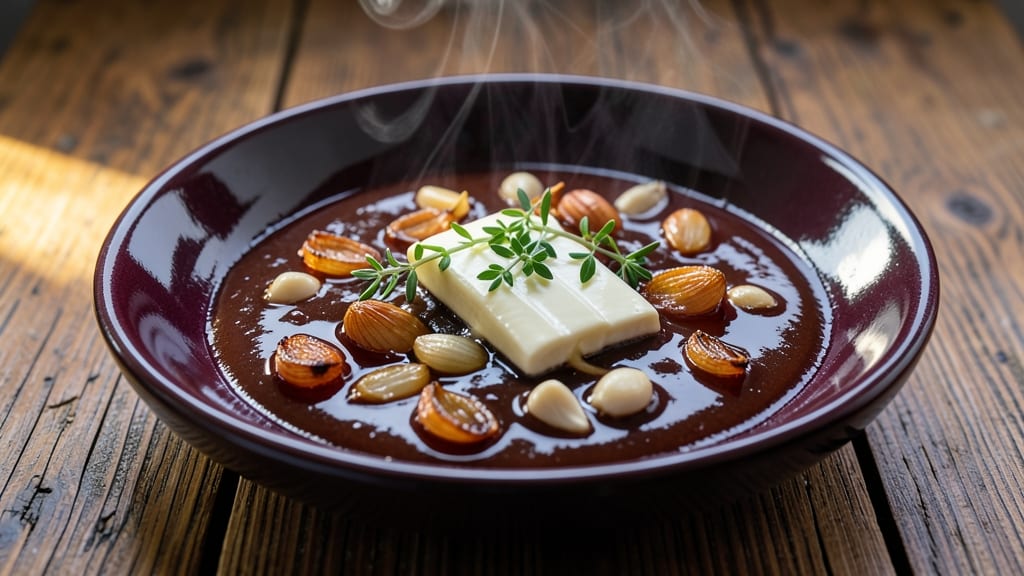
This Chateaubriand sauce recipe delivers the bold, velvety richness that elevates steakhouse-quality meals at home. 💛 After years of refining techniques in my Boston kitchen, I’ve perfected a red wine reduction that balances earthy herbs with deep umami—exactly what transforms a simple dinner into an unforgettable experience.
The secret lies in slow reduction and proper emulsification, creating a sauce so luxurious it feels like cheating.
The foundation starts with shallots and garlic, slowly caramelized before deglazing with red wine—a step that extracts maximum flavor. Beef stock and butter build the sauce’s velvety body, while fresh thyme and bay leaf infuse layers of aromatic depth.
This isn’t just a sauce; it’s a technique that turns basic ingredients into something restaurant-worthy, with just 30 minutes of active time and 15 minutes of simmering.
What you’ll end up with is a glossy, deeply flavorful sauce that coats every bite of meat, vegetables, or even pasta. The texture is silky yet structured, with a perfect balance of acidity and richness that lingers on the palate.
A sprinkle of fresh parsley or a drizzle of truffle oil adds that final touch of sophistication—because great sauce deserves a grand finish.
Whether you’re serving a special occasion dinner or simply craving a taste of Parisian bistro elegance, this sauce delivers. The best part?
It keeps well in the refrigerator for up to 5 days, so you can make a batch ahead and enjoy the taste of fine dining whenever the mood strikes. Let’s get cooking—your taste buds will thank you.
Ingredients for chateaubriand sauce
Nine ingredients, one luxurious sauce that turns steak into a showstopper.
| Ingredient | Amount | Notes |
|---|---|---|
| Shallots 🧅 | 1 whole | Finely minced, not sliced |
| Garlic Cloves 🧄 | 4 cloves | Peeled, smashed not minced |
| Dry Red Wine 🍷 | 1 cup | Bold, dry variety like Cabernet |
| Beef Stock 🍲 | 1 cup | Homemade or high-quality store-bought |
| Unsalted Butter 🧈 | 6 tbsp | Cold, cut into small pieces |
| Fresh Thyme Leaves 🌿 | 1 tbsp | Stems removed, loosely packed |
| Bay Leaf 🍃 | 1 whole | Fresh preferred, not dried |
| Fresh Parsley Leaves 🌿 | ¼ cup | Chopped, for finishing |
| Dijon Mustard 🍯 | 1 tsp | For emulsification boost |
| Granulated Sugar 🍚 | 1 tsp | Balances acidity |
The wine is non-negotiable—Cabernet Sauvignon or Merlot from a good bottle (the stuff you'd actually drink). Trader Joe's and Total Wine carry solid options, but check the label for 'dry'—you want zero sweetness here. Shallots should be vibrant purple, not shriveled. Fresh thyme and bay leaf? Your local farmers market is where you'll find the best—dried works in a pinch, but fresh adds that restaurant-quality depth. Grab a wedge of unsalted butter from the fridge section, not the tub kind. It matters for that velvety finish.
No red wine? Dry vermouth or beef broth with a splash of balsamic works, but the flavor won't be identical. Short on shallots? Extra-fine onion minced at double the amount (but you'll taste the difference). Dijon mustard is key for emulsifying the sauce—Maille is my go-to, but any good-quality one works. Sugar balances the acidity, but if you're using a dry, tannic wine, you might skip it entirely. Fresh herbs are worth hunting down: dried thyme at one-third the amount is fine, but parsley for finishing? Fresh only—it brightens everything.
This sauce keeps beautifully—5 days in the fridge sealed tightly, or 3 months frozen in ice cube trays for single servings. The butter solidifies when chilled, so reheat gently over low heat or whisk in warm water to restore silkiness. I always make double batches—one for the steak, one for roasted potatoes or mashed sweet potatoes. The leftovers taste even better the next day as flavors meld.
Why You'll Love This Recipe
- Here’s what sold me: the wine and beef stock meld into this deep, velvety base that tastes like it simmered for hours—even though it’s done in 15 minutes. The butter at the end? Pure luxury, buttery and glossy without being heavy.
- Pantry Magic: I swear by this sauce because it uses what I already have—no specialty trips to the store. That bottle of red wine gathering dust? Perfect. A stick of butter? Even better. The shallots and garlic caramelize into something rich without needing fancy techniques.
- Rich Without Effort: Here’s what sold me: the wine and beef stock meld into this deep, velvety base that tastes like it simmered for hours—even though it’s done in 15 minutes. The butter at the end? Pure luxury, buttery and glossy without being heavy.
- Date Night or Weeknight: Between us, this sauce works for both. Pour it over a steak for a fancy dinner, or slather it on grilled chicken for a Tuesday night win. The same flavors just adapt—no stress, no last-minute panic.
Step-by-step instructions for chateaubriand sauce
This rich red wine reduction delivers deep flavor with minimal effort—perfect for steak nights.
🍳 Step 1: Sauté Aromatics Until Fragrant
Heat 2 tablespoons of the unsalted butter in a medium saucepan over medium heat. Add the 1 whole shallots and 4 cloves garlic cloves (peeled and smashed), cooking for 3-4 minutes until the shallots soften and become translucent.
Here's where it gets good—the garlic should smell incredible but not burn. If it starts to brown too quickly, reduce the heat slightly. You'll know it's ready when the aromatics release their full, sweet perfume into the pan. This step builds the flavor foundation for your sauce.
🍳 Step 2: Deglaze with Wine and Simmer
Pour in the 1 cup dry red wine and scrape up any browned bits from the bottom of the pan with a wooden spoon. This deglazing step captures all those flavorful bits that would otherwise stick. Let the wine simmer for 3-4 minutes until reduced by about half.
I like to add the 1 whole bay leaf and 1 tablespoon fresh thyme leaves now. The wine should smell like a sophisticated French bistro—earthy, slightly sweet, with herbal notes. If it smells flat, you're not quite there yet. Keep simmering until the alcohol aroma disappears completely.
🥘 Step 3: Build the Reduction
Add the 1 cup beef stock, 1 teaspoon granulated sugar, and 1 teaspoon Dijon mustard. Bring to a gentle simmer and cook uncovered for 10-12 minutes until the sauce reduces by about half and thickens enough to coat the back of a spoon.
Here's the thing—you want this sauce to be velvety but not syrupy. If it starts to look too thick, add 1-2 tablespoons water at a time until it reaches your desired consistency. The sugar balances the acidity of the wine, while the mustard adds a subtle tang that ties everything together.
🔥 Step 4: Finish with Butter and Herbs
Remove the pan from heat and whisk in the remaining 4 tablespoons unsalted butter, 1 tablespoon at a time, letting each addition melt completely before adding the next. This emulsifies the sauce and gives it that luxurious mouthfeel.
Return the sauce to low heat and stir in the ¼ cup chopped fresh parsley leaves. Remove the bay leaf before serving. The sauce should now be glossy, with a beautiful deep red color and a balance of wine, herbs, and richness. Taste and adjust seasoning with salt if needed—this sauce should be bold but not overpowering.
⏰ Step 5: Serve Immediately
Pour the warm sauce over your perfectly cooked steak and serve right away. The sauce will continue to thicken slightly as it sits, so don't let it cool completely. For extra drama, garnish with a sprinkle of fresh parsley and a few thyme sprigs.
This sauce pairs beautifully with a medium-rare chateaubriand, but it works equally well with other steaks or even roasted vegetables. The key is keeping it warm and serving it immediately—this sauce was made to be enjoyed fresh from the pan.
Pro Tips For Making Chateaubriand Sauce
- SWEEAT SHALLOTS FIRST: I learned this the hard way—raw shallots in butter burn faster than you can blink. Get them translucent and soft before adding garlic, or you’ll be fighting smoke instead of building flavor. Five minutes on medium-low heat, stirring occasionally, is all it takes.
- DEGLAZE WITH WINE IMMEDIATELY: As soon as you remove the beef, pour in that red wine right away while the pan’s still hot. Let it bubble for 30 seconds—this pulls up all the browned bits (fond) that make the sauce rich. Skimp here, and you’re left with a thin, winey glaze instead of a velvety sauce.
- REDUCED STOCK SAVES TIME: Your beef stock should be reduced by half before adding it to the wine-butter mix. I used to dump in full-strength stock and wonder why the sauce was watery. Simmer it down first—it cuts prep time by 10 minutes and makes the sauce actually coat a spoon.
- BUTTER TEMPERATURE MATTERS: Add cold butter at the very end, off the heat, and whisk like your life depends on it. If you melt it in, the sauce will split into greasy globs. One tablespoon at a time, in small cubes—this gives you that glossy, emulsified finish without curdling. (Yes, even if you’re impatient like me.)
Dietary considerations for this recipe
Gluten-Free Adaptations
This sauce is naturally gluten-free, but always double-check your ingredients—especially the beef stock. Many store-bought versions contain hidden gluten. I recommend Pacific Foods or Imagine brands for certified gluten-free options. The Dijon mustard also needs scrutiny—some brands use barley-based vinegars. Maille or Amora gluten-free mustard are safe choices. 🌾
Dairy-Free Substitutions
The butter is the only dairy component, but you can easily swap it for vegetable shortening or olive oil to maintain the sauce's velvety texture. For a richer option, use coconut oil (unrefined for flavor).
I've tested this substitution and found that ½ cup olive oil (instead of butter) works beautifully, though the flavor profile shifts slightly toward Mediterranean notes. The sauce still coats perfectly—just avoid high-smoke-point oils like avocado oil for this application.
Vegetarian/Vegan Options
For a plant-based version, replace the beef stock with mushroom or vegetable stock and use vegetable broth> from Pacific Foods or Annie's Homegrown. The wine reduction remains the same, but finish with nutritional yeast> (1 tbsp) instead of butter for that umami depth.
I've made this version with cashew cream> (blended soaked cashews) for richness, and it pairs wonderfully with portobello mushrooms or hearty lentils. The sauce loses some of its traditional meaty depth but gains earthy complexity from the mushrooms.
Low-Sodium Adjustments
Store-bought beef stock is often high in sodium, so opt for low-sodium versions> or homemade stock. If using regular stock, reduce the added salt significantly—this sauce should be bold on its own.
I've found that homemade beef stock> (simmered with carrots, celery, and onion) adds natural depth without excessive salt. Taste as you go, and remember that the wine and herbs already contribute plenty of flavor.
For extra umami without salt, add 1 tsp soy sauce> (or tamari for gluten-free) during the reduction phase.
Allergen-Friendly Tips
For nut allergies, avoid cashew cream substitutions and stick with olive oil or coconut oil. If mustard is an issue, omit it entirely—the sauce will still emulsify well with just the wine reduction. For shellfish allergies, ensure your wine is shellfish-free (some brands process wine in shellfish-containing facilities).
I always check FARE's allergen database> when in doubt. The key is cross-contamination awareness—use separate utensils and clean surfaces thoroughly when switching between allergen-sensitive recipes.
Nutrition facts
Frequently asked questions
What kind of red wine works best for this sauce?
Use a bold, dry red wine like Cabernet Sauvignon or Merlot—avoid sweet varieties. The wine should be something you'd drink straight, not cooking wine. If you're unsure, check the label for "dry" and avoid anything with residual sugar. A good bottle from Trader Joe's or Total Wine works perfectly.
Can I make this sauce ahead of time?
This sauce keeps beautifully in the fridge for up to 5 days in an airtight container. For longer storage, freeze it in ice cube trays—perfect for single servings. Just reheat gently over low heat or whisk in warm water to restore its silky texture.
Why did my sauce turn out too thin?
Sauces reduce naturally as they simmer, but if yours is too thin, you likely didn't cook it long enough. Simmer uncovered for 10-12 minutes until it coats the back of a spoon. If it's still too thin, reduce it further or whisk in 1 tbsp cornstarch mixed with water to thicken it.
What if I don’t have shallots?
Use extra-fine minced onion at double the amount (about 2 tbsp instead of 1 shallot). While shallots add a sweeter, milder flavor, onions work in a pinch. For the best results, soak the onions in cold water for 10 minutes to remove some of their sharpness before cooking.
How can I make this sauce vegetarian?
Swap the beef stock for mushroom or vegetable stock and finish with 1 tbsp nutritional yeast instead of butter for umami depth. The wine reduction stays the same, but the sauce will have a more earthy, herb-forward flavor. It pairs wonderfully with portobello mushrooms or hearty lentils.