
Side Dishes
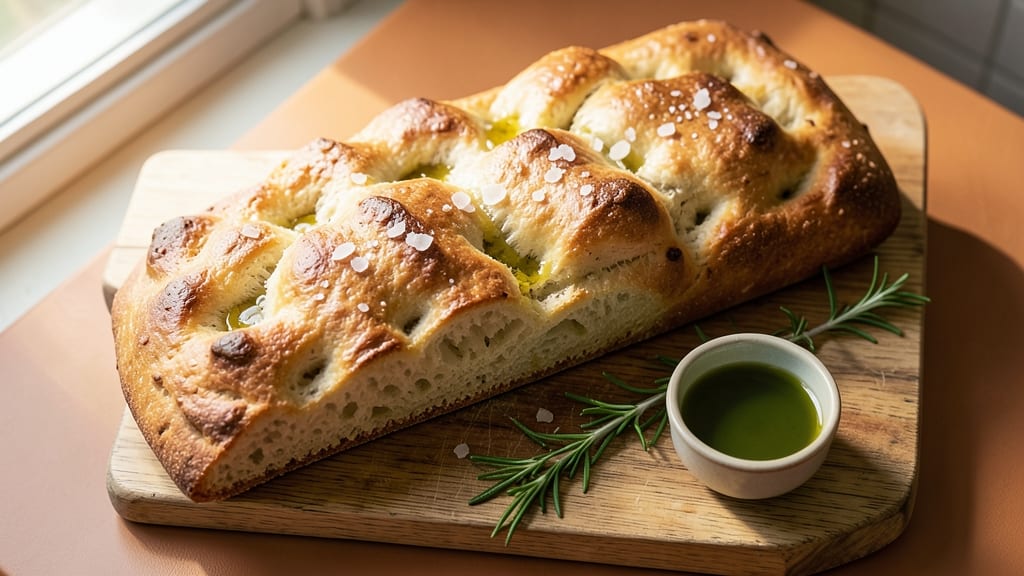
This Trader Joe's focaccia bread recipe captures the golden, olive oil-drenched perfection you crave without the fuss of traditional kneading. The secret lies in a simple no-knead dough that develops flavor overnight while you sleep, then transforms into a crispy-edged, airy loaf with just 45 minutes in the oven.
I’ve perfected this method after years of testing—no yeast headaches, no overworked arms, just restaurant-quality results with minimal effort.
The beauty of this recipe is its versatility: you can keep it classic with just olive oil and coarse salt, or elevate it with rosemary, cherry tomatoes, or shaved parmesan.
The dough’s long fermentation creates that signature tender crumb, while the high-heat bake delivers a crispy shell that shatters at every bite. What makes it truly foolproof is the dimpling technique—those signature dimples aren’t just decorative; they ensure even baking and that coveted airy texture.
By the time you pull it from the oven, you’ll have a focaccia so fragrant it’ll have your kitchen buzzing with anticipation. The crust will be golden and crisp, the interior light and pillowy, and every slice will glisten with that signature olive oil sheen.
This is the kind of bread that disappears faster than you can say "second helping," making it perfect for breakfast, sandwiches, or simply tearing into with your hands.
Whether you’re a seasoned baker or a beginner, this recipe delivers professional results with just five ingredients and 10 minutes of active prep. The key is patience—letting the dough rest overnight is what transforms good focaccia into extraordinary.
Ready to make bread that tastes like it came from a Mediterranean bakery? Let’s get started.
Ingredients for trader joe's focaccia bread
Five simple ingredients plus a few extras for customizing your perfect focaccia loaf.
| Ingredient | Amount | Notes |
|---|---|---|
| All-Purpose Flour 🌾 | 3 ½ cups | Spooned and leveled, not packed |
| Instant Yeast 🍞 | ¼ tsp | Active dry works too |
| Extra-Virgin Olive Oil 🫒 | ¾ cup | Lightly fruity, not bitter |
| Granulated Sugar 🍚 | 1 tbsp | White or light brown |
| Diamond Crystal Kosher Salt 🧂 | 1 ½ tsp | Coarse, not table salt |
| Warm Water 💧 | 1 ¼ cups | 105-110°F for best activation |
| Flaky Sea Salt 🧂 | 2 tbsp | For finishing, like Maldon |
| Fresh Rosemary 🌿 | ¼ cup | Finely chopped, stems removed |
| Cherry Tomatoes 🍅 | ½ lb | Halved, for optional topping |
The flour is where it all begins—King Arthur or Trader Joe's organic all-purpose work beautifully, but avoid bread flour if you want that tender crumb. Instant yeast is your secret weapon here, activating instantly in the water, but active dry yeast works too—just let it proof first. The olive oil matters more than you'd think: Trader Joe's Tuscan-style has that perfect balance of fruity and peppery notes. If you're using rosemary, grab fresh sprigs from the grocery store's produce section—they'll keep for weeks in the fridge. For cherry tomatoes, Trader Joe's organic are ideal, but any heirloom variety works.
No instant yeast? Active dry yeast at double the amount works if you proof it first. Olive oil too expensive? Vegetable oil in a pinch, though it won't have that same Mediterranean magic. Skipping rosemary? Fresh thyme or oregano works just as well. The cherry tomatoes can be swapped for sliced zucchini or olives if you're feeling adventurous. For the salt, Maldon flaky sea salt is perfect for finishing, but any coarse salt will do. Pro tip: if your tomatoes are watery, pat them dry first—they'll crisp up better in the oven.
This dough needs 8-12 hours in the fridge for that perfect rise, but it'll keep for up to 48 hours if you need to delay baking. The finished focaccia stays fresh for 3 days at room temperature, wrapped loosely in a towel. For longer storage, freeze slices wrapped in parchment—reheat at 350°F for 5 minutes to restore that crispy texture. I always make a double batch: one for the day, one for freezing. Trust me, you'll want leftovers.
Why You'll Love This Recipe
- No-Knead Magic: This dough comes together in five minutes—just mix, rest, then bake. No stand mixer, no fancy techniques, just flour, yeast, and olive oil doing their thing while you sip coffee or scroll through your phone.
- Crispy-Gold Perfection: That diamond kosher salt crust? Chef’s kiss. The first bite gives you a shatteringly crisp edge, then a pillowy center—all thanks to the olive oil bath and a little patience in the oven.
- Lunchbox Hero: Between us, this bread is my secret weapon for meal prep. Tear it into chunks, pack it with hummus or cheese, and you’ve got a lunch that’ll make coworkers ask for your recipe. (I’ll share… eventually.)
- Budget Stretch: A single batch feeds four for days—dip it in marinara, toast it for breakfast, or freeze slices for quick sandwiches. Five bucks of ingredients turns into a week’s worth of snacks that taste homemade, not store-bought.
Step-by-step instructions for Trader Joe's focaccia bread recipe
Here's how to capture that iconic Trader Joe's focaccia flavor at home—rich, airy, and infused with olive oil goodness.
Activate the Yeast and Create the Dough
In a large mixing bowl, combine the 1.25 cups warm water (between 105-110°F) with the 1 tbsp granulated sugar and 0.25 tsp instant yeast. Let it sit for 5-10 minutes until you see frothy bubbles forming on the surface—this confirms the yeast is active. If it doesn't bubble, your yeast may be old, and you'll need to start over.
Next, add the 3.5 cups all-purpose flour and 1.5 tsp diamond crystal kosher salt to the bowl. Pour in the 0.75 cup extra-virgin olive oil and stir with a wooden spoon until a shaggy dough forms. The mixture will look sticky and uneven, but that's exactly what we want for that signature focaccia texture. Avoid the urge to overmix—just combine until everything comes together.
Shape and Rest the Dough
Lightly oil a 9x13-inch baking pan with a bit of olive oil, then transfer the dough to the pan. Using wet hands, gently stretch and press the dough to fit the pan evenly, leaving about 1 inch of overhang on all sides. This helps create those beautiful edges when it bakes. Let the dough rest at room temperature for 1 hour, covered loosely with a clean kitchen towel.
During this time, the dough will rise slightly and develop flavor. You'll notice it becomes less sticky and more manageable. This resting period is crucial—it allows the gluten to relax and the yeast to work its magic without overproofing. If your kitchen is cold, you might need 20-30 extra minutes for proper development.
Dimple and Infuse with Rosemary
After the rest, press your fingers into the dough all over, creating deep dimples about 1-2 inches apart. This creates those classic air pockets that make focaccia so irresistible. Sprinkle the 0.25 cup finely chopped fresh rosemary evenly over the surface, pressing it gently into the dimples. The rosemary will release its aromatic oils as it bakes, giving you that signature Trader Joe's flavor.
Drizzle the remaining olive oil (about 2-3 tablespoons) evenly over the dough, letting it pool in the dimples. This step is what makes focaccia so rich and moist. If you're using the 0.5 lb halved cherry tomatoes, scatter them evenly over the top now, pressing them lightly into the dough. The tomatoes will soften and caramelize beautifully during baking.
Bake to Golden Perfection
Preheat your oven to 425°F with a rack positioned in the lower third. Bake the focaccia for 25-30 minutes until the edges are deep golden brown and the top is crispy. You'll know it's done when the internal temperature reaches 190-195°F—use an instant-read thermometer to check. The bread should smell intensely of rosemary and olive oil, with a slightly sweet aroma from the caramelizing sugar.
Remove from the oven and immediately sprinkle with 2 tbsp flaky sea salt while the focaccia is still hot. The salt will melt slightly into the crust, creating those signature salty pockets. Let it cool in the pan for 10 minutes before slicing—this resting time ensures clean cuts and prevents the bread from falling apart.
Pro Tips For Making Trader Joe'S Focaccia Bread
- Measure Salt Like a Pro: Trader Joe’s recipe calls for Diamond Crystal kosher salt, but if you grab table salt instead, you’ll end up with a bland, flat loaf. Kosher salt’s crystals are bigger—use exactly what the recipe says, not eyeballed "teaspoons." I learned this the hard way when my first batch tasted like it needed another pinch, and another.
- Warm the Olive Oil: The recipe says to use room-temperature oil, but I’ve found that warming it slightly—just until it’s cozy to the touch—helps it absorb faster into the dough. Skip the microwave; just set the bottle in warm water for 2 minutes. This makes stretching and shaping the dough way easier, and your focaccia won’t feel greasy.
- Don’t Rush the First Rise: The dough needs 1–1.5 hours to double, but I used to peek every 10 minutes, convinced it wasn’t rising fast enough. Let it sit undisturbed in a draft-free spot—your oven with the light on works great. Patience here means a lighter, airier focaccia. Trust me, the extra 20 minutes saves you from dense, heavy bread.
- Drizzle Oil in Crosses: The recipe says to drizzle oil over the dough before baking, but I’ve found that making small crosses with a pastry brush—about ¼-inch apart—creates pockets for the oil to pool. This gives you those classic dimples and crispy, golden edges without over-oiling. Less mess, more flavor.
Storing and reheating your leftovers
Room-Temp Freshness
Fresh focaccia stays at its best for 3 days at room temperature, but the key is proper storage. Wrap it loosely in a clean kitchen towel or parchment paper—this traps moisture while allowing airflow to prevent sogginess.
Store it in a cool, dark place like a bread box or countertop, away from direct sunlight. I always slice mine with a serrated knife and keep the cut side down to maintain crispness. The crust will stay firm, while the interior remains tender and fragrant. 🌾
Freezer Magic
For longer storage, slice your focaccia and freeze individual portions wrapped in parchment paper and placed in a ziplock bag. This method preserves texture for up to 3 months.
When ready to eat, thaw at room temperature for 30 minutes, then reheat in a 375°F oven for 5-7 minutes until golden and crisp. For extra crunch, brush slices with olive oil before reheating.
I often freeze a batch to have fresh focaccia ready for sandwiches or appetizers anytime. ❄️
Reheating Secrets
Revive stale focaccia with a quick stovetop method: place slices on a dry skillet over medium heat for 1-2 minutes per side until golden. For oven reheating, wrap slices in foil and bake at 350°F for 5 minutes, then uncover for 2-3 minutes to crisp the crust.
Avoid microwaving—it turns focaccia gummy. The goal is to restore that crispy exterior while keeping the interior soft and flavorful. 🔥
Reviving Dried Crust
If your focaccia loses its crispness, don’t toss it! Spritz slices with olive oil and toast in a 400°F oven for 3-5 minutes until golden. This works wonders for stale bread.
For extra flavor, add a sprinkle of flaky sea salt or garlic powder before reheating. I’ve rescued many a forgotten loaf this way—no waste, just renewed deliciousness. ✨
Toasting Perfection
For the best texture, toast focaccia slices directly on the stovetop or in a toaster. The high heat creates a crispy crust while keeping the inside warm and pillowy. If using a toaster, set it to the highest setting and watch closely—focaccia burns easily.
For a restaurant-style touch, drizzle with olive oil and flaky salt after toasting. This method works perfectly for breakfast or as a base for bruschetta. 💛
Nutrition facts
Frequently asked questions
Why does this focaccia need overnight resting time?
The overnight fermentation is what creates that signature tender crumb and deep flavor. During this time, the yeast slowly breaks down the gluten and sugars, developing complex aromas while keeping the texture light and airy. This no-knead method also prevents tough, chewy results—something traditional kneaded bread often struggles with.
Can I make this focaccia without rosemary?
While rosemary gives that classic Trader Joe's flavor, you can swap it for fresh thyme, oregano, or even garlic powder for a different twist. For a savory version, try sun-dried tomatoes or shaved parmesan instead. The olive oil and salt are what truly define focaccia, so those should always stay.
What if my focaccia turns out dense instead of airy?
Dense focaccia usually means the dough didn't rest long enough or was overworked. Make sure to let it sit at room temperature for the full 1 hour before dimpling, and avoid pressing too hard when shaping. Also, check your yeast—if it didn't bubble when mixed with warm water, it may have expired. For next time, try proofing the dough in a slightly warmer spot (like near the oven with the light on).
How do I get that perfect crispy crust?
The key is high heat and proper timing. Bake at 425°F with the rack in the lower third of the oven, and watch closely after 20 minutes—the crust should be deep golden brown. For extra crispiness, brush the top with more olive oil right before baking. If your oven runs hot, reduce to 400°F to prevent burning while still getting that crispy texture.
Can I use this dough for other breads?
This versatile dough works great for flatbreads or focaccia rolls—just divide it into smaller portions before the final rise. For a pizza crust, press it into a thin round and top with sauce and cheese. The no-knead method makes it perfect for quick experiments. Just remember, the longer it ferments, the more flavorful it'll be, so don't rush the resting time.