
Soups & Stews
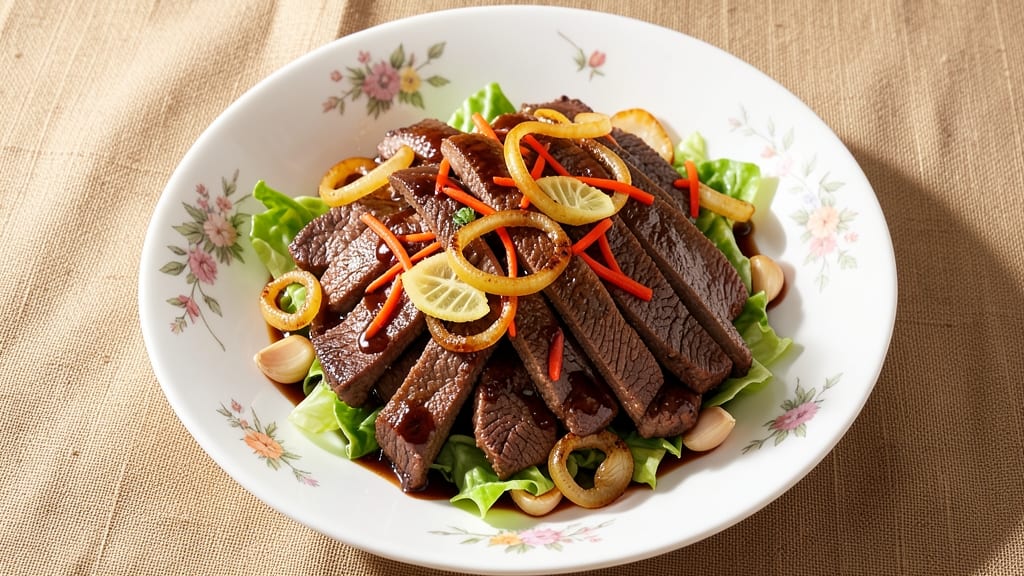
This Chinese beef chop suey recipe delivers the perfect balance of wok-seared beef, crisp-tender vegetables, and a savory-sweet sauce that captures the heart of classic Chinese home cooking.
The secret lies in high-heat stir-frying and precise timing—just 15 minutes transforms simple ingredients into a restaurant-worthy dish that tastes like nostalgia in every bite.
What sets this recipe apart is the wok hei technique, where the searing heat creates that signature smoky aroma while keeping the beef tender and vegetables perfectly crisp.
We'll use a traditional soy-vinegar sauce base, but the real magic happens in the stir-fry itself—where beef, cabbage, carrots, and onions transform from raw ingredients into a vibrant, flavorful medley in minutes.
The result is a dish that's both comforting and elegant: golden-brown beef slices with crisp edges, bright green cabbage, and sweet carrots all coated in a glossy sauce that's perfectly balanced between sweet, savory, and slightly tangy.
It's the kind of meal that disappears faster than you can say "chop suey," leaving everyone asking for seconds.
Serve it over steamed jasmine rice or with egg rolls for a complete takeout-style experience. The best part? This recipe scales effortlessly—whether you're feeding a family or just treating yourself to a homemade Chinese feast.
Ingredients for chinese beef chop suey
Thinly sliced beef, crisp vegetables, and aromatic sauce—classic chop suey ingredients transformed through wok hei technique.
| Ingredient | Amount | Notes |
|---|---|---|
| Flank Steak 🥩 | 1 ½ lb | Thinly sliced against grain |
| Green Cabbage 🥬 | 4 cups | Shredded, core removed |
| Carrots 🥕 | 2 medium | Julienned, about 1 cup |
| Yellow Onion 🧅 | 1 large | Thinly sliced, about 1 cup |
| Garlic Cloves 🧄 | 4 cloves | Minced, aromatic |
| Fresh Ginger 🌿 | 1 inch | Thinly sliced, peeled |
| Low-Sodium Soy Sauce 🍶 | ½ cup | Kikkoman preferred |
| Rice Vinegar 🍶 | ¼ cup | Seasoned preferred |
| Brown Sugar 🍯 | ¼ cup | Packed, light |
| Sesame Oil 🫒 | 1 tbsp | Toasted, aromatic |
| Vegetable Oil 🫒 | ½ cup | High smoke point |
| Salt 🧂 | 1 tsp | Diamond Crystal preferred |
| Black Pepper 🌶️ | ½ tsp | Freshly ground |
| Cornstarch 🌾 | 1 tbsp | For velveting beef |
The flank steak must be sliced thinly against the grain for optimal tenderness—ask your butcher to slice it paper-thin if possible. Costco or Whole Foods carry high-quality cuts perfect for stir-frying. For the vegetables, green cabbage should be crisp and bright—avoid wilted heads. The carrots and yellow onion should be fresh, with vibrant color indicating sweetness. Asian markets often carry pre-julienned vegetables, saving prep time while maintaining quality. Fresh ginger and garlic elevate the dish—Penzeys or bulk bins ensure potency.
No low-sodium soy sauce? Regular soy sauce plus extra brown sugar compensates, but taste as you go. Substitute rice vinegar with apple cider vinegar, though the flavor profile shifts slightly. For the sesame oil, toasted variety adds depth—regular works in a pinch. The cornstarch is critical for velveting the beef; Arrowhead Mills brand is reliable. Vegetables can be prepped ahead, but keep them dry to prevent sogginess during stir-frying. The brown sugar should be packed lightly—light brown works best for caramelization without bitterness.
Prepped ingredients keep for 3 days in airtight containers, though best flavor comes from fresh prep. The sauce components (soy, vinegar, sugar) store indefinitely—mix just before cooking. For leftovers, reheat gently to preserve crispness, adding a splash of water if needed. This dish freezes beautifully for up to 3 months—portion into single servings before freezing for easy reheating.
Why You'll Love This Recipe
- One-Pan Magic: I swear by this recipe because it’s done in the same pan you start with—no extra bowls, no washing dishes midway. Just slice the flank steak thin, toss in the onions and garlic, and let the wok do the work while the cabbage and carrots soften into perfect bite-sized pieces.
- Garlic Bomb Flavor: That moment when you press the garlic cloves into the hot oil? Chef’s kiss. The deep, toasty aroma clings to the tender beef and crisp-tender cabbage, making every bite taste like a little hug from your favorite takeout spot—but way better because it’s yours.
- Lunchbox Hero: Between us, this is my go-to for meal prep. The beef stays juicy when reheated, and the veggies hold their crunch better than sad, soggy salads. Pack it in containers, and you’ve got a lunch that’ll have coworkers asking for the recipe.
- Budget Win: Flank steak stretches far—I feed four for under $15, and the cabbage and carrots bulk it up without breaking the bank. Honestly, it’s the kind of dish that makes grocery day feel like a victory, especially when leftovers taste just as good the next day.
Step-by-step instructions for Chinese beef chop suey
Master this classic stir-fry technique for perfectly tender beef and crisp-tender vegetables every time.
Prepare the Beef for Velveting
In a medium bowl, combine the 1.5 lb flank steak (thinly sliced against the grain), 1 tbsp cornstarch, 0.5 cup low-sodium soy sauce, 0.25 cup rice vinegar, and 0.25 cup packed brown sugar. Using clean hands or a pair of chopsticks, gently toss until the beef is evenly coated and the cornstarch forms a light, even layer on each slice.
Let the marinated beef rest for 15 minutes at room temperature. This resting period allows the cornstarch to begin velveting the meat, creating that signature tender yet slightly chewy texture. The beef should look glossy and uniformly coated—this ensures even cooking and maximum flavor absorption.
Prep and Sear the Vegetables
Heat 0.5 cup vegetable oil in a wok or large skillet over medium-high heat until shimmering but not smoking. Working in batches to avoid crowding, add the 1 large yellow onion (thinly sliced) and 2 medium carrots (julienned). Stir-fry for 2-3 minutes until the onions soften slightly and the carrots begin to blanch.
Add the 4 cups green cabbage (shredded) and continue cooking for another 2 minutes, stirring constantly. The vegetables should retain their vibrant color and slight crispness—this is crucial for that authentic chop suey texture. Remove the vegetables to a plate and set aside, leaving the wok for the beef.
Cook the Beef to Perfect Doneness
In the same wok, add 1 tbsp vegetable oil and swirl to coat. Increase heat to high and add the marinated beef in a single layer. Cook undisturbed for 30-45 seconds until the edges begin to brown and pull away from the pan. This initial sear creates that essential caramelized crust.
Stir the beef vigorously for 1-2 minutes until it reaches 145°F internally. The beef should be nearly cooked through but still slightly pink in the center—this ensures it finishes perfectly when combined with the vegetables. Remove the beef to a clean plate and set aside with the vegetables.
Build the Flavorful Sauce
Return the wok to medium heat and add 1 tbsp sesame oil, 4 cloves minced garlic, and 1 inch sliced fresh ginger. Cook for 30 seconds until fragrant, stirring constantly to prevent burning. Add 1 tsp salt and 0.5 tsp black pepper, cooking for another 20 seconds to toast the spices.
Pour in 0.25 cup rice vinegar and scrape up any browned bits from the bottom of the wok. These flavorful bits, known as fond, are essential for depth of flavor. Let the vinegar simmer for 1 minute until slightly reduced, then return all the beef and vegetables to the wok.
Combine and Finish
Toss everything together vigorously for 2-3 minutes until the beef and vegetables are evenly coated with the sauce and heated through. The vegetables should be crisp-tender with just a slight bite, while the beef remains tender with a perfect sear. Taste and adjust seasoning if needed—you may need a touch more soy sauce for saltiness or rice vinegar for acidity.
Serve immediately over steamed rice, garnished with extra sesame oil and black pepper if desired. The dish should be vibrant, flavorful, and perfectly balanced—tender beef with crisp vegetables in a savory-sweet sauce. This technique ensures each component is cooked to perfection while maintaining that classic chop suey texture.
Pro Tips For Making Chinese Beef Chop Suey
- Slice Steak Against the Grain: Flatten that flank steak to about ¼-inch thickness before slicing—this makes it tender when cooked fast and hot. I used to skip this, and the beef came out chewy; now it’s fork-tender every time.
- Prep Cabbage Like a Pro: Cut the cabbage into 1-inch chunks and blanch them in boiling water for 30 seconds first. This softens them faster and keeps them from turning to mush later—no more soggy stir-fry.
- Don’t Overcrowd the Pan: Cook the beef in batches if your pan is small—crowding steams the meat instead of searing it. I learned this the hard way when my first batch came out gray and dull.
- Use Cold Beef for Crisp Edges: Let the sliced beef rest in the fridge for 10 minutes before stir-frying. The cold meat hits the hot pan and gets those perfect caramelized edges without overcooking inside.
Troubleshooting great chinese beef chop suey
Beef Overcooked
If your beef turns out tough or rubbery, it likely didn’t rest long enough after velveting or was overcooked. Always marinate the beef for at least 15 minutes before cooking—this lets the cornstarch tenderize the meat.
Use a meat thermometer to check for 145°F internal temperature; overcooking shrinks the fibers. I’ve found flank steak works best—ask your butcher for thin slices against the grain. 🌡️
Sauce Too Sweet
The sauce may taste overly sweet if you used too much brown sugar or didn’t balance it with acid. Start with 0.25 cup packed brown sugar and adjust by adding 1-2 tbsp rice vinegar to brighten flavors.
Taste as you go—Chinese sauces should harmonize sweet, salty, and tangy notes. For a quicker fix, stir in ½ tsp soy sauce to deepen umami without adding sweetness.
Vegetables Mushy
Overcrowding the wok or cooking too long steams the vegetables instead of searing them. Stir-fry in batches and cook for no more than 3-4 minutes total—they should stay vibrant and slightly crisp.
I use a 14-inch carbon steel wok for even heat distribution. If your pan isn’t hot enough, increase heat to high and reduce oil slightly to prevent steaming.
Lacking Wok Hei
That smoky, aromatic "breath of the wok" flavor comes from high heat and proper technique. Use a well-seasoned wok (or cast iron) and crank the heat to high before adding oil. Swirl the pan to coat evenly, then cook beef and veggies in quick batches.
If your stove lacks heat, preheat the wok for 2-3 minutes before adding ingredients. A gas stove works best for authentic wok hei. 🔥
Sauce Too Thin
If the sauce separates or looks watery, it needs thickening. Simmer the sauce uncovered for 1-2 extra minutes to reduce, or mix 1 tsp cornstarch with 1 tbsp water and stir in at the end.
For a richer texture, add 1 tbsp sesame oil or a splash of oyster sauce (if vegetarian-friendly). Avoid adding extra oil—it dilutes the sauce further.
Beef Not Browning
Uneven browning usually means the wok isn’t hot enough or the beef isn’t dry. Pat the beef slices dry with paper towels before cooking, then sear undisturbed for 30-45 seconds on high heat.
If your pan isn’t hot enough, clean it thoroughly and preheat it for 3 minutes before adding oil. A torch broiler can help finish the edges if needed. 💡
Nutrition facts
Frequently asked questions
Can I substitute flank steak with another cut of beef?
Sirloin or ribeye work well, but slice them paper-thin against the grain for tenderness. Avoid tough cuts like chuck—they won’t velvet properly. For extra-lean options, try top round, but marinate it 20 minutes longer to prevent dryness.
How do I make this recipe vegetarian?
Swap the beef for extra-firm tofu (pressed and cubed) or mushrooms (shiitake or oyster). Toss tofu with 1 tbsp cornstarch and 1 tbsp soy sauce before stir-frying. Add 1 tsp miso paste to the sauce for umami depth. The texture will differ, but the crisp-tender veggies stay the same!
Why does my chop suey sauce turn out watery?
Watery sauce usually means the ingredients weren’t cooked long enough to reduce. After adding vinegar, simmer uncovered for 2-3 extra minutes to thicken. For a quick fix, mix 1 tsp cornstarch with 1 tbsp water and stir in at the end. Avoid adding extra oil—it dilutes the sauce further.
Can I prep chop suey ingredients ahead of time?
Yes! Prep all ingredients 1 day ahead and store in airtight containers. Keep the beef and veggies separate to prevent sogginess. The sauce components (soy, vinegar, sugar) can be mixed 2 days ahead. For best results, cook within 24 hours—freshly sliced beef and crisp veggies make all the difference.
What’s the secret to authentic wok hei flavor?
Wok hei (breath of the wok) comes from high heat and a well-seasoned pan. Use a carbon steel wok or cast iron, and crank the heat to high before adding oil. Swirl the pan to coat evenly, then cook ingredients in quick batches—never overcrowd. A gas stove works best, but electric stoves can achieve it with proper preheating.