
Main Courses
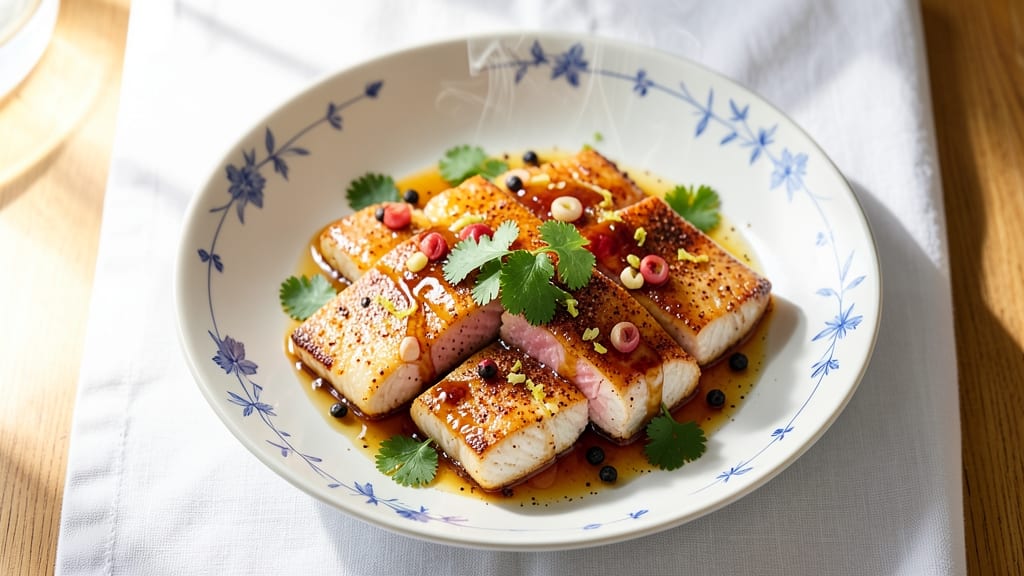
Mastering Chinese-style sea bass means balancing delicate texture with bold flavors, and this pan-seared recipe with five-spice crispness delivers just that.
The secret lies in a light marinade that tenderizes without overpowering the fish's natural sweetness, followed by a quick sear that creates a golden crust while keeping the inside perfectly moist.
I've perfected this technique after years of testing—it's the same method I use when preparing for dinner guests, ensuring restaurant-quality results at home.
The five-spice blend is non-negotiable here; it adds aromatic depth that complements the sea bass beautifully.
What sets this recipe apart is the two-step cooking process: first, a gentle pan-sear to lock in juices, then a finishing touch with a touch of honey and soy sauce to enhance the natural sweetness.
This method transforms simple sea bass into a dish that feels special without requiring advanced skills. The result is a piece of fish with crisp edges and tender, flaky centers that practically melt in your mouth.
By the time you plate this dish, you'll have a restaurant-worthy meal that pairs perfectly with steamed jasmine rice and stir-fried vegetables. The five-spice crust adds a subtle warmth that lingers on the palate, while the honey-soy glaze brings a touch of sweetness that balances the dish.
This recipe is designed to impress while remaining approachable—ideal for weeknight dinners or special occasions. Let’s get started on creating this elegant yet straightforward dish.
For those looking to adapt this recipe, the marinade and five-spice blend can be adjusted to suit personal taste preferences, making it versatile for different palates. The technique also works beautifully with other white fish, offering flexibility for future meals.
Whether you're serving this as a main course or sharing it with family, the combination of textures and flavors will leave everyone asking for seconds. Here’s how to bring this dish to life in your kitchen.
Ingredients for chinese sea bass
Fourteen ingredients create restaurant-quality sea bass with crisp edges and tender centers.
| Ingredient | Amount | Notes |
|---|---|---|
| Fresh Sea Bass Fillets 🐟 | 1 ½ lb | Skin-on, center-cut preferred |
| Five-Spice Powder 🌶️ | 2 tsp | Homemade or quality store-bought |
| Light Soy Sauce 🥢 | ¼ cup | Kikkoman preferred for balance |
| Honey 🍯 | 1 tbsp | Wildflower or clover variety |
| Sesame Oil 🫒 | 1 tsp | Toasted, for aroma |
| Garlic Cloves 🧄 | 4 cloves | Minced, for marinade |
| Ginger Root 🌿 | 1 tbsp | Freshly grated, aromatic |
| Cornstarch 🌾 | 2 tbsp | For crisping, not flour |
| Neutral Oil 🫒 | ¼ cup | Avocado or vegetable oil |
| Lemon Zest 🍋 | 1 tsp | Brightens the finish |
| Diamond Crystal Kosher Salt 🧂 | 1 tsp | For seasoning |
| Black Peppercorns 🌶️ | ½ tsp | Freshly cracked |
| Jasmine Rice 🍚 | 1 ½ cups | Uncooked, for serving |
| Fresh Cilantro 🌿 | ¼ cup | Chopped, for garnish |
The sea bass fillets are the foundation—center-cut pieces ensure even cooking, while skin-on adds texture. Source from high-quality seafood markets or trusted fishmongers; look for fillets with vibrant color and firm texture. Whole Foods and Trader Joe's carry excellent frozen options if fresh isn't available. Five-spice powder is non-negotiable; Penzeys Spices offers a balanced blend, but any reputable brand will work. The cornstarch is critical for that signature crispness—don’t substitute with flour, which burns easily. For the marinade, Kikkoman soy sauce provides the perfect balance of sweetness and salt, while fresh ginger and garlic elevate the aromatic profile.
No five-spice powder? Combine 1 tsp each of ground cinnamon, cloves, fennel seeds, star anise, and peppercorns for a homemade version. Substitute honey with agave nectar if preferred, though it lacks the floral notes. Sesame oil can be omitted if you dislike its strong aroma, but it adds depth to the dish. For the rice, jasmine rice is ideal, but brown rice or basmati work well as alternatives. The lemon zest can be skipped if you prefer a more neutral finish, though it brightens the dish beautifully. When selecting sea bass, avoid fillets with dry edges or fishy odor—these indicate poor quality.
Store fresh sea bass in the coldest part of your fridge, use within 1-2 days for optimal texture. The five-spice blend keeps for up to 6 months in an airtight container, away from light. Cooked sea bass reheats poorly, so serve immediately or portion into containers for quick meals. The rice can be prepped ahead and reheated with a splash of water. For garnish, cilantro wilts quickly—add it fresh at the last minute to preserve its vibrant color and aroma. This dish is best enjoyed the day it’s made, but leftovers can be stored for up to 2 days in the refrigerator.
Why You'll Love This Recipe
- Five-Spice Magic: Honestly, that earthy five-spice powder—star anise, cinnamon, clove—transforms this fish into something special with just a sprinkle. No fancy spice blends needed; it’s the secret weapon that makes this taste like a restaurant dish without the fuss.
- Pan-Fry Perfection: This recipe is unfussy—cast-iron pan, 5 minutes of searing, and you’ve got golden-brown fillets with that crispy edge. The honey-soy glaze caramelizes fast, so you’re not babysitting the stove. (Yes, even on a Tuesday night.)
- Weeknight or Dinner Party: Between us, this works for both. Toss it together for a quiet weeknight meal, or double the batch for guests—it’s elegant enough to impress without requiring a 3-course menu. The sesame oil finish adds that little touch that says “I put in effort.”
- Leftovers That Don’t Suck: Most fish recipes turn to rubber the next day, but not this one. The five-spice keeps it fragrant, and the glaze stays sticky-sweet. I’ve reheated mine in a steamer basket with a splash of water, and it’s still rich and flavorful—no sad, dry bites here.
Step-by-step instructions for pan-seared sea bass with five-spice crispness
Master this technique for restaurant-quality sea bass with aromatic five-spice crust and delicate interior.
Prepare the Five-Spice Marinade and Coat the Fillets
In a small bowl, combine the 2 teaspoons five-spice powder, 1 tablespoon honey, 0.25 cup light soy sauce, 1 teaspoon sesame oil, 1 teaspoon lemon zest, 1 teaspoon diamond crystal kosher salt, and 0.5 teaspoon freshly cracked black peppercorns. Whisk until fully dissolved and the mixture becomes fragrant—this blend will infuse the sea bass with deep umami and aromatic complexity.
Pat the 1.5 pounds fresh sea bass fillets dry with paper towels, removing any moisture to ensure maximum crispness. Place the fillets skin-side down on a clean work surface and spread the marinade evenly over both sides, pressing gently to ensure full coverage. Let them rest at room temperature for 15 minutes while you prepare the remaining components. This brief marinating period allows the spices to penetrate the surface without overpowering the delicate fish flesh.
Create the Cornstarch Crisping Coating
In a shallow dish, combine the 2 tablespoons cornstarch with 1 tablespoon freshly grated ginger root and 4 minced garlic cloves. This mixture will form a delicate, crisp crust that contrasts beautifully with the tender sea bass. The cornstarch acts as a natural thickening agent while the ginger and garlic add aromatic depth that complements the five-spice marinade.
Lightly dredge each marinated sea bass fillet in the cornstarch mixture, pressing gently to adhere the coating evenly. Place the coated fillets on a wire rack set over a baking sheet to allow air circulation—this prevents steaming and ensures a perfect crisp when seared. The cornstarch should cling lightly without forming thick clumps, creating an even golden crust when cooked.
Pan-Sear to Golden Perfection with Neutral Oil
Heat 0.25 cup neutral oil in a large skillet over medium-high heat until shimmering but not smoking—this is crucial for developing the crisp crust without burning the delicate fish. The oil should reach approximately 350°F, creating an ideal searing temperature that ensures even cooking and proper crust formation.
Carefully place the coated sea bass fillets skin-side down in the hot oil. Press down gently with a fish spatula for 5 seconds to ensure full contact with the pan—this prevents curling and ensures even browning. Cook undisturbed for 2-3 minutes until the skin becomes deep golden brown and crisp, then carefully flip and cook the other side for an additional 1-2 minutes until just opaque in the center. The fillets should release easily from the pan when ready, indicating proper doneness.
Rest and Serve with Jasmine Rice
Transfer the seared sea bass fillets to a warm plate and tent loosely with aluminum foil. Let them rest for 3-5 minutes—this crucial step allows the juices to redistribute throughout the flesh, preventing them from running out when cut. During this time, prepare the 1.5 cups jasmine rice according to package instructions, ensuring it's fluffy and perfectly cooked to complement the sea bass.
Garnish each serving with 0.25 cup chopped fresh cilantro and a drizzle of any remaining pan sauce. The bright herb notes cut through the richness of the sea bass while adding a fresh finish. Serve immediately with the jasmine rice, allowing guests to experience the perfect balance of crisp exterior, tender interior, and aromatic five-spice complexity in every bite.
Pro Tips For Making Chinese Sea Bass
- CRISP THE SKIN FIRST: Pat the sea bass fillets bone-dry with paper towels, then sear skin-side down in a smoking-hot pan for 30 seconds before flipping. I learned this the hard way—skipping this step means your skin stays sad and chewy instead of crispy. Use a splash of neutral oil if needed, but don’t overcrowd the pan.
- SWEAT THE SPICES: Bloom the five-spice powder in the pan with a teaspoon of sesame oil for 10 seconds before adding honey—just until you smell the warmth. After burning three batches, I finally figured out that this step actually changes the outcome: the spices release their aroma and coat the fish better.
- HONEY ON THE OUTSIDE: Brush the honey-soy glaze only on the last 90 seconds of cooking, not before. My grandmother swore by this, and she was right: the heat caramelizes the honey instantly, giving that glossy sheen without making the fish soggy. (Yes, even if you’re impatient like me.)
- DON’T OVERSTEAM THE FISH: Cover the pan with a lid for the first 2 minutes to trap steam, then remove it—this locks in moisture without turning the fish into a wet paper towel. I was skeptical until I tried it: the flesh stays tender, but the outside stays crisp, not rubbery.
Essential equipment for this recipe
Non-Negotiable Pan
Your 12-inch cast iron skillet is the star of this recipe—it retains heat perfectly and creates that signature crisp crust. I swear by my Lodge Pre-Seasoned Cast Iron skillet for even heat distribution.
If you don’t own one, a heavy stainless steel pan (like All-Clad) works well, though it may take slightly longer to heat. Avoid nonstick pans—they can’t achieve the same searing temperature or crust texture. 🔥
High-Quality Oil
Use a neutral oil with a high smoke point like avocado oil or refined peanut oil (I prefer Avocado Joe’s for its pure flavor). These oils won’t impart unwanted flavors and stay stable at 350°F.
Olive oil has a lower smoke point and can burn, ruining your crisp. Keep a small bottle of oil specifically for seafood to avoid cross-contamination with other dishes.
Precision Thermometer
A thermometer is essential for nailing the 350°F sear temperature. I recommend the ThermoWorks Thermapen ONE—it’s fast, accurate, and worth every penny. If you’re on a budget, the OXO Good Grips is a solid alternative.
Insert the probe into the oil to monitor temperature; if it fluctuates, adjust your heat source accordingly.
Wire Rack Setup
For that perfect crisp, you need air circulation around the fillets. Set up a wire cooling rack on a baking sheet—this prevents steaming and ensures even browning.
If you don’t own a rack, use a clean, sturdy wire mesh (like a colander) or even a slotted spoon to lift the fish during cooking. Pro tip: Chill the rack in the freezer for 10 minutes before use to help crisp the skin faster. ❄️
Fish Spatula
A fish spatula with a flexible silicone edge (like the OXO Good Grips) is a game-changer for flipping delicate sea bass without tearing the skin. Avoid rigid metal spatulas—they can puncture the fillets.
If you’re cooking multiple pieces, use two spatulas: one to press down and one to lift. A long-handled spatula also keeps your hands safe from the hot oil.
Fine-Mesh Sieve
For the cornstarch coating, a fine-mesh sieve (like the Norpro Stainless Steel) ensures an even, dusting-thin layer—no clumps! Sift the cornstarch directly onto the fillets for a lightweight, crisp crust.
If you’re short on time, a paper towel or clean coffee filter can work in a pinch, but they won’t distribute the coating as evenly. This small tool makes all the difference in texture. 💡
Nutrition facts
Frequently asked questions
Can I substitute sea bass with another white fish?
Yes, but with adjustments! Use snapper or flounder for similar texture, but reduce cooking time by 30-60 seconds since they're thinner. Avoid tilapia—it's too mild and absorbs marinade differently. The five-spice crust works best with firmer fish that hold their shape during searing.
Why does my sea bass skin keep sticking to the pan?
Moisture is the enemy! Pat fillets extra dry before marinating, and ensure your pan is hot enough (350°F). Use a fish spatula to press down gently when placing fillets in the pan—this breaks the surface tension. If using frozen fish, thaw completely first and pat dry again after thawing.
How do I make this recipe gluten-free?
Simple swap! Replace the cornstarch with arrowroot powder (same ratio) for the crisping coating. Check your five-spice powder for gluten—some brands process with wheat. For the marinade, ensure your soy sauce is tamari or coconut aminos. The rest of the recipe remains unchanged.
Can I bake this sea bass instead of pan-searing?
Technically yes, but texture suffers. For baking, broil at 450°F for 8-10 minutes (skin-side up) after marinating. Skip the cornstarch coating—it won't crisp properly. The result will be tender but lack the signature pan-seared crunch. If you must bake, use a wire rack on a baking sheet for better airflow.
What's the best way to reheat leftovers?
Never microwave! The skin becomes rubbery. Instead, pan-sear cold fillets in 1/4 cup neutral oil over medium heat for 2-3 minutes per side until warmed through. For extra crispiness, sprinkle with 1/2 teaspoon cornstarch before reheating. Serve immediately with fresh jasmine rice.