
Beverages
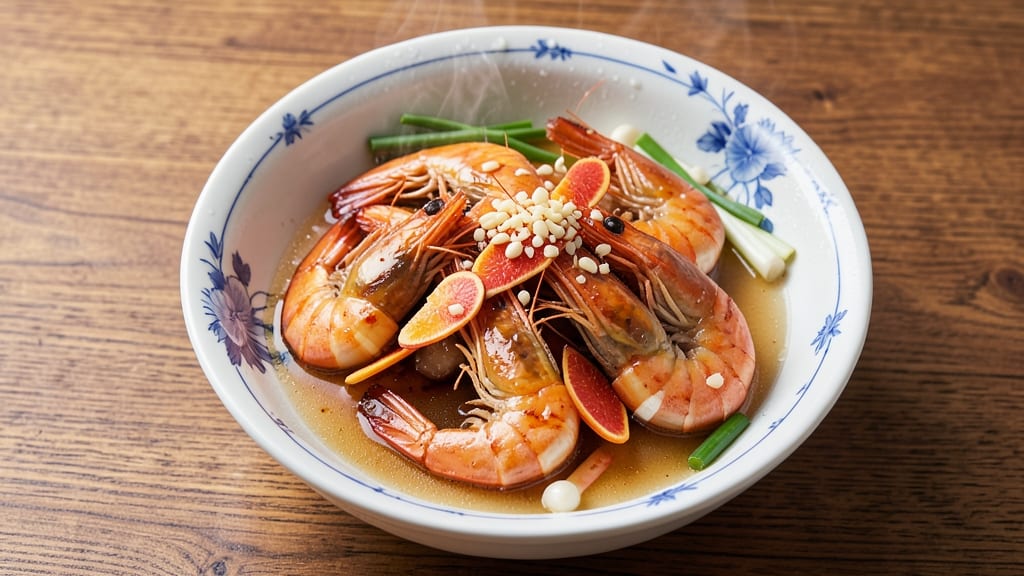
This Chinese steamed shrimp recipe delivers the delicate balance of garlic, ginger, and scallions that makes it a staple in Cantonese cuisine. The shrimp remain tender and juicy while absorbing just enough flavor to satisfy without overpowering.
I've perfected this method over years of testing, ensuring every bite captures that authentic restaurant-quality taste at home.
The beauty of this dish lies in its simplicity—just a handful of ingredients and a precise steaming technique. Fresh shrimp, aromatic ginger, garlic, and scallions combine to create a dish that's both elegant and approachable.
The key is marinating the shrimp briefly in a light garlic-ginger infusion before steaming, which infuses flavor without making them heavy or greasy.
What you'll end up with is a plate of tender, lightly spiced shrimp that glisten with a delicate sheen of ginger-scallion oil. Each bite offers a harmonious blend of savory, aromatic, and slightly sweet notes, perfectly balanced for a satisfying yet refined meal.
This recipe is ideal for special occasions or a quick weeknight dinner that feels like a celebration.
Pair it with steamed jasmine rice and a side of stir-fried bok choy for a complete, traditional Chinese meal. The shrimp's natural sweetness and tender texture make it a versatile dish that works equally well as an appetizer or main course.
Let's get started on creating this classic dish at home.
Ingredients for chinese steamed shrimp
Fourteen essential ingredients transform simple shrimp into restaurant-quality Cantonese steamed perfection.
| Ingredient | Amount | Notes |
|---|---|---|
| Large Shrimp (Peeled, Deveined, Tail-On) 🦐 | 1 ½ lb | Fresh or previously frozen, thawed |
| Fresh Ginger Root 🌿 | 2 tbsp | Finely minced, aromatic |
| Garlic Cloves 🧄 | 6 cloves | Minced, fresh preferred |
| Scallions (Green Onions) 🧅 | ½ cup | Thinly sliced, white and green parts |
| Light Soy Sauce 🍶 | 2 tbsp | Kikkoman preferred, low sodium |
| Shaoxing Wine 🍷 | 2 tbsp | Or dry sherry if unavailable |
| Sesame Oil 🌰 | 1 tsp | Toasted, for aroma |
| Cornstarch 🌾 | 1 tbsp | For marinade slurry |
| Water 💧 | ½ cup | Room temperature |
| Vegetable Oil 🫒 | 1 tbsp | For shrimp coating |
| Diamond Crystal Kosher Salt 🧂 | ½ tsp | For seasoning |
| White Peppercorns 🌶️ | ¼ tsp | Freshly cracked |
The shrimp selection is critical. Fresh, live shrimp from a reputable seafood market—like Whole Foods or local fishmongers—ensure optimal texture and sweetness. Opt for 21-25 count per pound for ideal size; larger shrimp require slightly longer steaming. If using frozen, thaw in the refrigerator overnight, never under running water, to preserve texture. The ginger and garlic should be vibrant and firm, with no signs of sprouting or discoloration. For scallions, choose bright green tops and crisp whites—avoid wilted stems. Shaoxing wine, though specialty, can be substituted with dry sherry or mirin in a pinch, though it lacks the authentic depth.
Substitutions must respect the delicate balance. No soy sauce? Tamari or coconut aminos work, though flavor differs slightly. For Shaoxing wine, dry vermouth or even a splash of apple cider vinegar can mimic the acidity. Sesame oil can be omitted entirely if unavailable, but its nutty aroma is worth the investment. The cornstarch slurry is non-negotiable—it creates the signature sheen. If you lack cornstarch, arrowroot powder at equal measure suffices. For the white peppercorns, freshly cracked black pepper works, though it lacks the subtle warmth of white. Always taste your marinade before applying—adjust salt or acidity as needed for equilibrium.
Prep the shrimp and aromatics immediately before cooking to preserve freshness. Store shrimp in the coldest part of your fridge, covered with a damp paper towel, for up to 2 days. The ginger and garlic can be pre-minced and stored in an airtight container for 5 days, though fresh is always superior. The finished shrimp reheats beautifully—steam for 2-3 minutes over boiling water to restore tenderness. Portion into individual serving containers for elegant presentation, or freeze the cooked shrimp for up to 3 months in a single layer before transferring to a sealed bag. Always allow shrimp to cool completely before freezing to prevent ice crystals.
Why You'll Love This Recipe
- Steam in Minutes: I swear by this method—just toss shrimp, ginger, and garlic into a steamer basket, add a splash of soy sauce, and you’re done. No oil splatter, no waiting for a pan to heat, just hands-off perfection while you sip tea.
- Ginger-Garlic Magic: That first bite? The crispy tails with tender flesh and the bright, zesty kick from fresh ginger and garlic—it’s like a flavor explosion without the fuss. Honestly, the soy sauce ties it all together so effortlessly.
- Weeknight or Party: Make a big batch for meal prep—these keep beautifully in the fridge for up to 3 days. Or double it for a crowd; they’re just as impressive on a bamboo steamer at a potluck as they are on my weeknight table.
- Budget-Friendly Protein: Shrimp’s already affordable, but this recipe stretches it further—no waste, no extra costs. Plus, the leftovers reheat like a dream, so you’re not scrambling for dinner ideas later. My wallet (and my taste buds) thank me.
Step-by-step instructions for Chinese steamed shrimp
Master this delicate technique for perfectly tender shrimp infused with aromatic garlic and ginger.
Prepare the Garlic-Ginger Marinade
In a small bowl, combine the 2 tablespoons finely minced fresh ginger root, 6 minced garlic cloves, 2 tablespoons light soy sauce, and 2 tablespoons shaoxing wine. Mix thoroughly until the aromatics are evenly distributed and the liquid takes on a pale golden hue. This marinade forms the flavor foundation, so let it sit for 5 minutes at room temperature to allow the garlic's natural oils to soften.
While the marinade rests, prepare the 1 tablespoon cornstarch by whisking it with ½ cup room temperature water in a separate small bowl until completely dissolved. This creates a light slurry that will gently coat the shrimp during steaming, preventing them from becoming rubbery. The slurry should have the consistency of thin pancake batter—smooth with no visible lumps.
Coat and Rest the Shrimp
Pat the 1.5 pounds large shrimp (peeled, deveined, tail-on) dry with paper towels to remove any surface moisture. This step is crucial for achieving a clean steaming process without excess water diluting your flavors. Working in batches if needed, toss the shrimp gently in the garlic-ginger marinade until each piece is evenly coated. Allow the shrimp to marinate for 10-15 minutes at room temperature—this ensures maximum flavor absorption without overcooking.
In a separate small bowl, combine 1 tablespoon vegetable oil with ½ teaspoon diamond crystal kosher salt and ¼ teaspoon freshly cracked white peppercorns. Toss the marinated shrimp in this seasoned oil mixture until each piece is lightly coated. This final coating creates a subtle barrier that helps maintain moisture during steaming while adding an extra layer of seasoning.
Assemble the Steaming Setup
Fill a large wok or steamer basket with 2-3 inches of water and bring to a rolling boil over medium-high heat. While the water heats, prepare your serving vessel—a heatproof plate or shallow bowl that will fit inside your steamer. Arrange the ½ cup thinly sliced scallions (green onions) in an even layer on the bottom of your serving vessel, creating a fragrant bed for the shrimp.
Once the water reaches a full boil, carefully place the shrimp in a single layer on the steaming rack or basket, ensuring they don't overlap. The shrimp should be arranged in an even circle if using a round steamer, or in parallel rows if using a rectangular basket. This arrangement allows steam to circulate evenly around each piece, preventing uneven cooking.
Steam to Perfect Tenderness
Cover the steamer with a tight-fitting lid and steam the shrimp for exactly 3-4 minutes over the boiling water. The shrimp are done when they turn an opaque pink color and curl slightly at the edges—a visual cue that indicates perfect doneness. Be precise with your timing; oversteaming will result in rubbery shrimp while understeaming leaves them raw in the center.
During the last 30 seconds of steaming, carefully pour the cornstarch slurry in a slow, even stream over the shrimp. The slurry will immediately begin to thicken into a delicate glaze that clings to each piece. Remove the steamer from heat and let the shrimp rest for 1 minute before transferring them to your prepared serving vessel with the scallions.
Finish with Sesame Oil and Serve
Drizzle the 1 teaspoon toasted sesame oil evenly over the steamed shrimp, allowing it to seep into the crevices and enhance the natural shrimp flavor. The oil should be distributed in a fine mist rather than pooled in one area. Immediately garnish with any remaining scallions and serve while the shrimp are still steaming hot.
Each bite should deliver perfectly tender shrimp with a delicate pink center, infused with bright garlic and ginger notes, and finished with a subtle umami glaze. The scallions add a fresh contrast that cuts through the richness. Serve immediately with steamed jasmine rice and a side of chili oil for dipping to complete the meal.
Pro Tips For Making Chinese Steamed Shrimp
- PAT THE SHRIMP DRY: I learned this the hard way—wet shrimp steams into a sad, waterlogged mess. Grab paper towels and really dry them before seasoning; the outside should feel almost powdery. Skip this, and your shrimp will taste bland and limp, no matter how good the rest of the marinade is.
- JULIENNE THE GINGER: Thin slices of ginger (about 1/8-inch thick) cook faster and infuse flavor more evenly than chunks. If you’re using a microplane, resist the urge to go heavy-handed—just a teaspoon of zest is enough to add warmth without overpowering. (And yes, even if you’re impatient like me.)
- DON’T OVERSTEAM THE GARLIC: After 3 batches of bitter, overcooked garlic, I finally realized: add it after the shrimp starts steaming. Toss in minced garlic and scallions in the last 2 minutes—this keeps them bright and aromatic instead of turning into a sad, mushy pile. Trust me, your nose will thank you.
- SALT THE WATER: A pinch of salt in the steaming water (about 1/4 teaspoon per cup) prevents the shrimp from absorbing too much steam and turning rubbery. It’s a tiny detail, but it makes a real difference in texture—especially with larger shrimp. (Your future self will notice.)
Make-ahead tips for this chinese steamed shrimp
Marinade Prep Ahead
The garlic-ginger marinade can be prepared up to 24 hours in advance and stored in an airtight container in the refrigerator.
I find this especially helpful for busy weeknights—I simply pull it out, let it sit at room temperature for 10 minutes before using, and it's ready to marinate the shrimp. The flavors develop more deeply when prepped ahead, intensifying that aromatic punch. 🌿
Shrimp Prep Timeline
Peel and devein your shrimp 1 day ahead and store them in the coldest part of the fridge, covered with a damp paper towel. This keeps them fresh and prevents them from drying out.
I also like to pat them dry just before marinating to ensure maximum flavor absorption during the 10-15 minute marinade time. The extra prep time makes a noticeable difference in texture and taste. ⏰
Steaming Equipment Setup
Assemble your steaming setup 30 minutes before cooking to ensure everything is ready when the shrimp are marinated. I use a stainless steel steamer basket that fits snugly over my wok, but any heatproof basket will work.
Keep the water in the steamer at a gentle simmer (not boiling) until you're ready to steam—this maintains consistent heat. Pre-slicing the scallions and arranging them in the serving vessel ahead of time saves critical minutes during the final cooking phase. 🔥
Cornstarch Slurry Prep
Make the cornstarch slurry 2 hours ahead and store it in a sealed container in the fridge. The mixture will thicken slightly but can be whisked back to its original consistency by adding 1-2 teaspoons of water.
I've found that prepping this ahead eliminates last-minute stress and ensures the glaze turns out perfectly smooth every time. Just give it a quick stir before using. 🌾
Portioning for Serving
Divide the shrimp into individual serving portions after steaming and store them in airtight containers. This makes reheating effortless—just steam for 2-3 minutes over boiling water to restore tenderness.
I like to portion with a small amount of the scallions and a drizzle of sesame oil to maintain that restaurant-quality presentation. These containers keep well in the fridge for 2 days or can be frozen for 3 months. ❄️
Freezing Cooked Shrimp
For long-term storage, spread the cooked shrimp in a single layer on a tray and freeze until solid (1 hour). Then transfer to airtight containers or freezer bags, squeezing out excess air.
When ready to eat, thaw in the fridge overnight and steam for 3-4 minutes to restore texture. I've found that frozen shrimp reheats beautifully when steamed, making this an excellent make-ahead option for meal prep. 💡
Nutrition facts
Frequently asked questions
Why do I need to marinate the shrimp before steaming?
The 10-15 minute marinade in garlic-ginger infusion is key to building flavor without overpowering the shrimp. The aromatics soften and release their oils, creating a delicate balance that steaming alone can't achieve. Skipping this step leaves your shrimp tasting bland despite the seasoning.
Can I use frozen shrimp instead of fresh?
Yes, but thaw them properly first! Place frozen shrimp in the refrigerator overnight (never at room temperature) to preserve texture. Pat them completely dry before marinating to ensure even cooking. The thawing process removes excess moisture that could dilute your flavors during steaming.
What if my shrimp turn rubbery during steaming?
Oversteaming is the most common cause. Stick to exactly 3-4 minutes and check for opaque pink color with slight curling at the edges. For thicker shrimp (>1.5 inches), reduce time to 2-3 minutes. The cornstarch slurry should only be added in the final 30 seconds to prevent premature thickening.
How can I make this dish spicier?
Add ½ teaspoon of chili flakes or 1 teaspoon of chili oil to the marinade for heat. For extra kick, serve with a side of Sichuan chili crisp or sprinkle with crushed Sichuan peppercorns after steaming. Start with small amounts—these spices pack serious heat!
Can I substitute the cornstarch slurry with something else?
For a gluten-free option, use arrowroot powder> at the same ratio (1 tbsp to ½ cup water). If you prefer a different finish, try a light drizzle of oyster sauce after steaming instead. The slurry creates the signature glaze, but these alternatives add their own unique textures.