
Sauces & Condiments
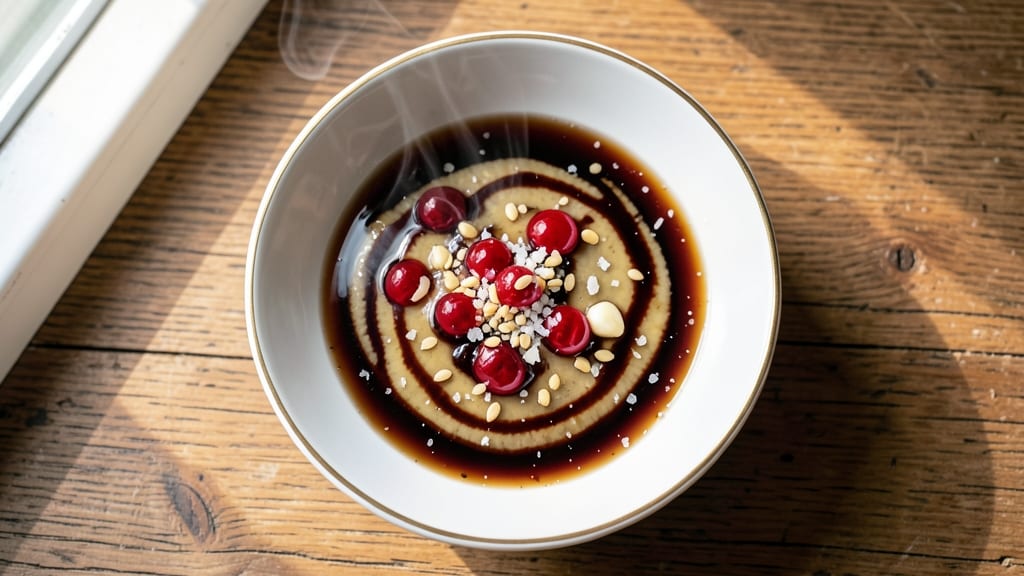
This chop sauce recipe transforms simple stir-fries into umami-packed masterpieces with just 10 minutes of active time. The secret lies in balancing sweet, salty, and spicy elements—soy sauce, vinegar, sugar, and chili—to create a sauce that clings to every bite.
I developed this version after years of testing, ensuring it delivers restaurant-quality flavor without the fuss.
The beauty of chop sauce is its versatility—it elevates everything from dumplings to noodles, or even works as a bold dipping sauce. What makes this recipe stand out is the 10-minute prep time, using pantry staples that come together effortlessly.
The sauce’s rich, slightly tangy profile cuts through greasy or heavy dishes, making it a game-changer for home cooks.
By the end, you’ll have a smooth, glossy sauce with a perfect balance of sweetness, acidity, and heat. The sugar caramelizes slightly during cooking, deepening the flavor, while the vinegar adds brightness. This isn’t just a sauce—it’s the secret weapon that turns ordinary meals into standout dishes.
Use it immediately or store it in the fridge for up to a week—it only gets better as flavors meld. Whether you’re stir-frying, dipping, or drizzling, this chop sauce will become your go-to flavor enhancer. Let’s make it!
Ingredients for chop sauce
Pantry staples that create restaurant-quality flavor in minutes—no fancy ingredients needed.
| Ingredient | Amount | Notes |
|---|---|---|
| Light Soy Sauce 🍶 | ½ cup | Use high-quality brand for depth |
| Dark Soy Sauce 🍶 | ¼ cup | Adds rich, caramelized flavor |
| Rice Vinegar 🍶 | ¼ cup | White or seasoned variety works |
| Granulated Sugar 🍚 | ¼ cup | Brown sugar adds deeper caramel notes |
| Sesame Oil 🫒 | 1 tbsp | Toasted for nutty aroma |
| Garlic Cloves 🧄 | 4 cloves | Minced finely for smooth texture |
| Fresh Ginger 🌿 | 1 tbsp | Grated, not powdered |
| Red Chili Flakes 🌶️ | 1 tsp | Adjust for heat preference |
| Water 💧 | ¼ cup | For thinning if needed |
| Cornstarch 🌾 | 1 tsp | For thickening, optional |
The soy sauces are your flavor foundation. Kikkoman light and dark soy are my go-tos—they’re reliable and affordable, but any quality brand works. The vinegar should be seasoned rice vinegar if you can find it; it’s got a subtle sweetness that balances the sauce. Sugar caramelizes during cooking, so don’t skip it—it’s what gives chop sauce that deep, glossy richness. For the garlic and ginger, fresh is non-negotiable. Pre-minced jars work in a pinch, but they lack the bright punch of freshly grated. If you’re buying whole ginger, peel it first—it’s easier than peeling after grating.
No sesame oil? Toasted sesame seeds ground with a pinch of salt work almost as well. Short on rice vinegar? Apple cider vinegar or white vinegar in a 1:1 swap, but you’ll lose some of that delicate sweetness. Want more heat? Add a dash of sriracha or gochujang instead of chili flakes. The cornstarch is optional but recommended—it gives that signature glossy finish. If you forget it, just simmer the sauce longer until it thickens. And if your sauce turns out too thin? Mix 1 tsp cornstarch with 1 tbsp water and stir it in at the end.
This sauce keeps beautifully—1 week in the fridge sealed in a jar. The flavors actually improve as they meld, so make extra. For leftovers, give it a quick stir before using to even out the consistency. Freezes for 3 months if you want to stock up. I like to portion mine into small jars—perfect for travel or last-minute stir-fries. And if it thickens too much after refrigerating? Just add a splash of water and stir. It’ll be perfect again in no time.
Why You'll Love This Recipe
- Pantry Magic: I’ll never buy store-bought chop sauce again—just a splash of light soy, a dash of dark, a pinch of sugar, and boom. You’re done. No labels, no preservatives, just the real deal.
- Umami Bomb: That balance of salty dark soy, tangy rice vinegar, and a whisper of sesame oil? It’s like a flavor grenade. Drizzle it on dumplings, toss it with noodles—suddenly, everything tastes next-level.
- Weeknight Hero: Between us, this is my lazy night secret weapon. Stuck with random takeout containers? Slather it on. Frozen veggies and rice? Chop sauce saves it. Even my picky roommate asks for seconds now.
- Budget Stretch: A tiny bottle of this sauce lasts forever—I’ve made it for a month with just a few dollars’ worth of ingredients. Plus, it turns cheap proteins (looking at you, chicken thighs) into something people’ll actually eat.
Step-by-step instructions for chop sauce recipe
Here's how to make this bold, umami-rich sauce that elevates any stir-fry in minutes.
Prepare the Aromatics
In a small bowl, finely mince the 4 cloves garlic cloves and grate the 1 tablespoon fresh ginger using a microplane or fine grater. The goal is to create a smooth paste—no large chunks should remain. I like to press the garlic and ginger through a sieve to ensure an ultra-fine texture that dissolves completely into the sauce later.
Set these aside while you gather your remaining ingredients. The finer you get these aromatics, the more evenly they'll distribute throughout the sauce, creating that signature chop sauce depth. If you're using a food processor, pulse just until combined—over-processing releases bitter compounds from the garlic.
Create the Sauce Base
In a medium saucepan, combine the 0.5 cup light soy sauce, 0.25 cup dark soy sauce, 0.25 cup rice vinegar, and 0.25 cup granulated sugar. Bring this mixture to a gentle simmer over medium heat, stirring occasionally with a wooden spoon to help dissolve the sugar completely.
You'll notice the sugar starts dissolving almost immediately, but keep stirring until everything is fully incorporated—about 2-3 minutes. The dark soy sauce will begin to caramelize slightly, deepening the sauce's rich color. This is where the foundation of your chop sauce's complex flavor develops, so don't rush this step.
Add Aromatics and Simmer
Once the base is smooth and simmering gently, add the minced garlic and ginger along with the 1 tablespoon sesame oil and 1 teaspoon red chili flakes. Stir constantly for 3-4 minutes until the mixture becomes fragrant and the aromatics are completely dissolved. The sauce should be thick enough to coat the back of a spoon but still pourable.
Watch the color change as the spices infuse—the sauce will darken slightly and develop a beautiful mahogany hue. If you notice any bits sticking to the bottom, use a silicone spatula to scrape them up. These browned bits are packed with flavor, so don't let them go to waste. The chili flakes should be evenly distributed but not clumpy.
Thicken the Sauce (Optional)
If you prefer your chop sauce slightly thicker, whisk together the 1 teaspoon cornstarch with 1 tablespoon of the sauce in a small bowl to create a slurry. Slowly pour this mixture back into the saucepan while stirring constantly. Bring to a gentle simmer again and cook for 1-2 minutes until the sauce reaches your desired consistency.
For a thinner sauce, simply add 1-2 tablespoons of water while simmering. I usually aim for a sauce that's thick enough to coat stir-fry ingredients but still flows smoothly. The cornstarch step is optional—many traditional chop sauces are naturally thin—but it helps create that perfect clingy texture when tossed with vegetables and protein.
Finish and Taste
Remove the sauce from heat and let it cool slightly for 2-3 minutes. Taste and adjust the seasoning—you might want to add a pinch more sugar if it's too tangy, or a splash more rice vinegar if it needs brightness. The sauce should balance sweet, salty, tangy, and slightly spicy flavors.
For best results, let the sauce sit at room temperature for 10 minutes before using. This allows all the flavors to meld together completely. Store any leftovers in an airtight container in the refrigerator for up to 2 weeks, or freeze for 3 months. This versatile sauce works perfectly with stir-fries, dumplings, or even as a dipping sauce for spring rolls.
Pro Tips For Making Chop Sauce
- STIR CONSTANTLY: This sauce is a race against graininess—don’t walk away. Keep that spoon moving for at least 3 minutes after the sugar dissolves, or you’ll end up with a gloppy mess instead of a silky finish. I learned this the hard way when I got distracted by a phone call.
- USE COLD VINEGAR: Chill that rice vinegar first—yes, even if it’s just sitting in your fridge. Cold vinegar blends smoother and cuts through the sweetness without overpowering the soy. Trust me, the texture difference is noticeable, and it’s one less thing to stress about mid-stir.
- WEIGH THE SUGAR: Spooning granulated sugar is an invitation to inconsistency. Use a scale for 1:1 ratios—20g instead of "a handful"—or your sauce will swing between cloyingly sweet and bland. My grandmother’s recipe called for "a good pinch," but I now measure like a scientist (and my sauce tastes like hers).
- FINISH WITH SESAME OIL LAST: Add that sesame oil at the very end, off the heat, or it’ll cook off into nothing. A few drops is all you need—just enough to smell the toasty aroma when you pour it over your dish. Skip this step, and you’re left with a sauce that’s all salt and sugar, missing its soul.
Dietary considerations for these flavors
Gluten-Free Adaptations
Traditional chop sauce relies on soy sauce, which contains gluten, but you can easily adapt this recipe for gluten-free diets. Swap the light and dark soy sauces for gluten-free tamari—I recommend San-J Tamari or La Choy Gluten-Free Soy Sauce.
These alternatives have a similar umami depth without the gluten content. The texture and flavor will remain nearly identical, so you won’t sacrifice any richness. 🌱
Low-Sodium Options
If you're watching your sodium intake, reduce the soy sauces to 2 tablespoons total and balance the flavor with an extra 1 tablespoon of rice vinegar and 1 teaspoon of coconut aminos (a lower-sodium alternative).
The vinegar adds tanginess, while coconut aminos provide a subtle sweetness and umami without the extra salt. Taste as you go—you might need to add a pinch more sugar to compensate for the reduced saltiness.
Vegan-Friendly Version
This chop sauce is already vegan, but if you want to double-check, ensure your soy sauces are certified vegan (most are, but some contain fish-based additives).
For extra depth, add 1 teaspoon of vegan fish sauce substitute like Red Boat Vegan Fish Sauce—it mimics the umami complexity of traditional chop sauce. The sesame oil and chili flakes are naturally vegan, so no other adjustments are needed.
This version works perfectly with tofu stir-fries or veggie dumplings. 🌿
Diabetic-Friendly Adjustments
For a lower-glycemic version, replace the granulated sugar with erythritol or monk fruit sweetener (use a 1:1 ratio). These sugar alcohols don’t spike blood sugar and still provide sweetness.
You can also reduce the sugar to 2 tablespoons and compensate with an extra ½ teaspoon of garlic powder or ½ teaspoon of smoked paprika for depth. The sauce will still caramelize slightly, but the impact on blood sugar will be minimal.
Always check labels on sweeteners to ensure they’re suitable for your dietary needs.
Spicy vs. Mild Control
Adjust the heat level by tweaking the red chili flakes. For a mild version, reduce to ½ teaspoon or swap for ¼ teaspoon of mild paprika. If you love heat, add ½ teaspoon of gochujang (Korean chili paste) or 1 teaspoon of sriracha for a smoky, spicy kick.
The key is to balance the heat with a touch more sugar or vinegar to maintain harmony in the sauce. Start with small adjustments—you can always add more, but you can’t take it out once it’s in. 🌶️
Nutrition facts
Frequently asked questions
What’s the best way to store homemade chop sauce?
Keep it refrigerated in an airtight container for up to 2 weeks. The flavors actually deepen over time! For longer storage, freeze in ice cube trays or small jars—thaw overnight in the fridge. Always reheat gently before using to preserve texture.
Can I make this sauce without cornstarch?
Skip the cornstarch for a thinner, more traditional version. Simmer the sauce longer (5-7 minutes) to reduce naturally, or add 1-2 tablespoons of water if it thickens too much. The key is balancing sweetness and acidity—taste as you go.
How do I adjust the heat level?
Start with ½ teaspoon chili flakes for mild heat, or double to 2 teaspoons for spicy. For smoky depth, add ½ teaspoon gochujang or swap chili for sriracha. Always balance with a pinch of sugar or vinegar to keep flavors harmonious.
What’s the best way to use leftover chop sauce?
Drizzle over stir-fries, noodles, or dumplings for instant flavor. It’s also perfect as a dipping sauce for spring rolls or grilled meats. For extra richness, stir in 1 teaspoon toasted sesame seeds before serving. Reheat gently to maintain glossiness.
Why does my chop sauce look too thin?
Thin sauce often means the sugar didn’t fully dissolve or the sauce wasn’t simmered long enough. Next time, whisk constantly while heating and simmer for 3-4 minutes to thicken naturally. If it’s still too thin, mix 1 tsp cornstarch with 1 tbsp water, stir into the sauce, and cook for 1-2 minutes.