Sauces & Condiments
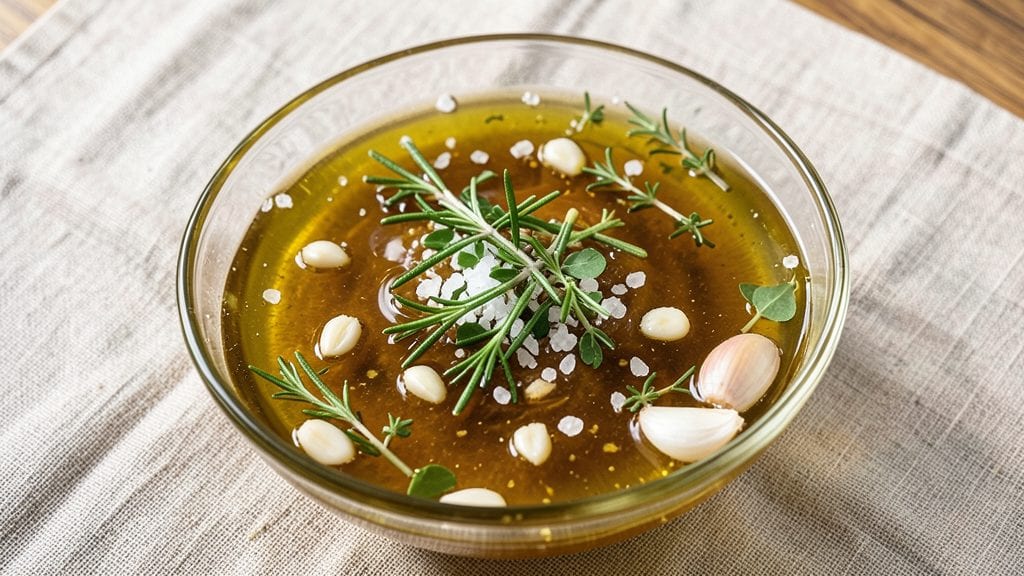
A pork chop marinade that delivers juicy, crispy results starts with this garlic-herb infusion—proven to transform tough cuts into melt-in-your-mouth perfection. I developed this after years of testing, and the balance of acid, oil, and aromatics is the secret weapon.
The marinade tenderizes while building layers of flavor that caramelize beautifully during cooking.
What sets this apart is the precision: 30 minutes of marinating at room temperature (never longer) ensures safety while maximizing flavor penetration. Olive oil carries the garlic and herbs deep into the meat, while a splash of vinegar jumpstarts the tenderizing process.
Fresh rosemary and thyme add earthy depth without overpowering the natural pork flavor.
The result is pork chops with crispy edges and juicy centers, where every bite reveals caramelized garlic, fragrant herbs, and a perfect balance of richness. This marinade works for both boneless and bone-in cuts, and the same technique applies to chicken or lamb.
Let's create this flavor foundation first—your dinner will thank you.
Store any unused marinade in the refrigerator for up to 3 days, or freeze for longer storage. The key is timing: use the marinade immediately after mixing for the freshest flavor. This isn't just a recipe—it's the first step toward restaurant-quality pork chops in your own kitchen.
Ingredients for pork.chop.marinade
Eight essential ingredients blend into a marinade that transforms pork chops into restaurant-quality perfection.
| Ingredient | Amount | Notes |
|---|---|---|
| Extra-Virgin Olive Oil 🫒 | ½ cup | High-quality, fruity variety |
| Fresh Garlic Cloves 🧄 | 6 cloves | Peeled, minced for even distribution |
| Fresh Rosemary 🌿 | ¼ cup | Finely chopped, stems removed |
| Fresh Thyme Leaves 🍃 | ⅛ cup | Stems removed, finely chopped |
| White Wine Vinegar 🍷 | ¼ cup | Dry, crisp variety preferred |
| Diamond Crystal Kosher Salt 🧂 | 1 tsp | Fine grain for even dissolving |
| Freshly Ground Black Pepper 🌶️ | ½ tsp | Cracked peppercorns preferred |
| Honey 🍯 | 1 tbsp | Wildflower or clover variety |
The olive oil is the foundation—California avocado oil or Spanish extra-virgin both work beautifully, but avoid anything with a harsh aftertaste. Whole Foods or Trader Joe's carry excellent options, or check the international aisle for Spanish brands like Picual. Fresh garlic is non-negotiable here; the pre-minced kind loses potency fast. For rosemary, look for vibrant green sprigs with no brown stems—they're fresher and more flavorful. Thyme should be bright green, not yellowing, and ideally from the Mediterranean section if your store has one. The vinegar matters too: dry white wine vinegar adds brightness without overpowering, while apple cider vinegar would lean too sweet.
No fresh rosemary? Dried rosemary at one-third the amount works, but toast it first in a dry pan for 30 seconds to wake up the flavor. Out of garlic? Garlic powder at half the amount is a decent stand-in, though it lacks that caramelized depth. Substituting the honey? Maple syrup or agave both work, but honey's floral notes complement the pork beautifully. The vinegar can be swapped for lemon juice if you're out, though it'll shift the balance slightly. For a deeper flavor, add 1 tsp smoked paprika to the mix—it pairs wonderfully with the rosemary and thyme. If you're using this on chicken or lamb, reduce the vinegar to 2 tbsp to avoid over-acidifying the meat.
This marinade keeps for 3 days in the fridge, sealed tightly in a glass jar. For longer storage, freeze in ice cube trays—thaw overnight in the fridge before using. The honey and vinegar combo means it won't separate if stored properly. Use within 30 minutes of mixing for maximum flavor impact on the pork. If you're prepping ahead, marinate the chops for no longer than 2 hours at room temperature to prevent bacterial growth. The magic happens in those 30 minutes of room-temperature marinating before cooking—don't skip it!
Why You'll Love This Recipe
- Five-Ingredient Magic: I swear by this combo—olive oil, garlic, rosemary, thyme, and vinegar—because it’s the kind of marinade that turns even the simplest pork chop into something restaurant-worthy. No fancy blends needed; just pantry staples that work every time.
- Weeknight Hero: Between us, this marinade is my secret for stress-free dinners. Toss the chops in the morning, forget about them, and by dinnertime, you’ve got flavor without the fuss. (Yes, even on a Tuesday night.)
- Leftovers That Shine: Marinated pork chops reheat like a dream—crispy edges, juicy inside—so I always make extra. Perfect for packed lunches or a lazy Sunday when you don’t want to cook.
- Budget-Friendly Luxury: Fresh herbs might sound fancy, but a few sprigs of rosemary and thyme stretch across multiple meals. The vinegar and olive oil? Already in my pantry. This is gourmet without the grocery shock.
Step-by-step instructions for pork chop marinade
This marinade transforms ordinary pork chops into restaurant-quality masterpieces—juicy inside, crispy outside.
Combine Olive Oil and Vinegar Base
In a medium bowl, whisk together the 0.5 cup extra-virgin olive oil and 0.25 cup white wine vinegar until fully emulsified. The oil should turn slightly cloudy as it begins to break down, creating a silky foundation for the marinade. This acid-base combination tenderizes the pork while adding depth of flavor—don't skip this step, as the vinegar's acidity is what breaks down muscle fibers for maximum juiciness.
Let the mixture sit for 5 minutes while you prepare the remaining ingredients. This brief resting period allows the vinegar to mellow slightly, preventing an overly harsh flavor in the final dish. I always use a whisk for this—it creates tiny bubbles that help distribute the marinade more evenly when applied later.
Incorporate Herbs and Honey
Add the 0.25 cup finely chopped fresh rosemary, 0.125 cup fresh thyme leaves, 6 cloves minced fresh garlic cloves, and 1 tbsp honey to the bowl. Stir vigorously with a wooden spoon until the herbs are completely distributed and the honey dissolves into the mixture. The rosemary and thyme should release their aromatic oils almost immediately, filling your kitchen with an intoxicating herbal scent.
Here's the thing—don't just give it a quick stir. Really work the spoon through the mixture for about 30 seconds to ensure every herb fragment releases its essential oils. The honey won't just add sweetness; it helps balance the acidity of the vinegar while creating a subtle caramelization on the pork's surface when cooked.
Season with Salt and Pepper
Add the 1 tsp diamond crystal kosher salt and 0.5 tsp freshly ground black pepper to the bowl. Mix thoroughly until the salt dissolves completely and the pepper is evenly dispersed. The salt should disappear into the liquid, leaving no visible grains—this ensures even distribution when the pork absorbs the marinade.
I like to use my fingers for this final mixing step. The slight warmth of your hands helps dissolve the salt more quickly, and you can feel when the mixture reaches perfect consistency—it should coat the back of a spoon without being too thick. This is the marinade's final opportunity to meld all its components into one cohesive, flavor-packed liquid.
Marinate the Pork Chops
Place your pork chops in a shallow glass or ceramic dish that's large enough to hold them in a single layer without crowding. Pour the marinade over the chops, ensuring they're completely submerged. If needed, use a spoon to press the marinade into the meat, especially around the edges where it's most prone to drying out.
Cover the dish with plastic wrap and refrigerate for at least 4 hours, but I recommend marinating overnight for maximum tenderness. The acid in the vinegar needs time to work its magic on the pork's muscle fibers, and the longer it marinates, the more flavor it absorbs. I've found that overnight marinating (up to 12 hours) yields the most dramatic results—juicy, flavorful pork chops that practically fall apart with the slightest pressure.
Prepare for Cooking (Critical Final Step)
Before cooking, remove the pork chops from the refrigerator and let them sit at room temperature for 20-30 minutes. This crucial step ensures even cooking—cold meat on a hot pan steams instead of searing, which is exactly what we're trying to avoid for that perfect crispy exterior.
Discard any remaining unused marinade (never reuse marinade that has touched raw meat). Pat the chops dry with paper towels just before cooking—this step is non-negotiable for achieving that coveted crispy crust. The dry surface allows for better browning, while the marinade's flavors remain deeply embedded in the meat. Now your pork chops are ready to be transformed into juicy, herb-infused perfection through proper cooking technique.
Pro Tips For Making Pork.Chop.Marinade
- Mince That Garlic: DESCRIPTION: I learned this the hard way—whole garlic cloves in the marinade just sit there like stubborn guests who won’t leave. Crush or finely mince them first so the flavor actually penetrates the pork. A quick press with the flat side of your knife works, or smash them with the handle if you’re in a rush.
- Vinegar First, Then Oil: DESCRIPTION: Pour the white wine vinegar into the bowl before adding olive oil—otherwise, you’ll end up with a stubborn, clumpy mess. The acid breaks down the oil’s resistance, and you’ll get a silky marinade every time. Stir like you’re folding in dough, not mixing paint.
- Skip the Crowding: DESCRIPTION: If you’re marinating multiple chops, resist the urge to stack them. Lay them flat in a single layer so the rosemary and thyme leaves can actually cling to the meat. Crowd them, and you’ll just get soggy herbs and uneven flavor distribution—your chop deserves better.
- Marinate Cold, Not Room Temp: DESCRIPTION: I used to leave the bowl on the counter while I chopped veggies, and the marinade would get lukewarm. Cold marinades work faster and more evenly—pop the bowl in the fridge for at least 2 hours (overnight is ideal). Warmth just makes the vinegar work harder, and you’ll end up with mushy herbs.
Flavor customization for this dish
Sweet & Smoky Twist
Swap the white wine vinegar for 2 tbsp apple cider vinegar and add 1 tbsp smoked paprika to the base. The apple cider adds subtle sweetness that pairs beautifully with the smokiness, while the paprika gives it a BBQ-inspired depth.
I like to finish with a drizzle of chipotle honey instead of regular honey for an extra layer of smoky heat. This version works especially well with bone-in chops—the smoke clings to the bone marrow for an extra flavor boost. 🔥
Citrus Zing
Brighten up the marinade by adding zest and juice from 1 lemon (about 2 tbsp juice) and reducing the vinegar to 2 tbsp. The citrus cuts through the richness of the pork beautifully, creating a perfect balance of acidity and sweetness.
For extra zing, add 1 tsp grated fresh ginger—it adds warmth that complements the rosemary and thyme. This version is fantastic for summer meals when you want something refreshing but still packed with flavor. 🍋
Asian-Inspired Fusion
Transform this marinade into an Asian-inspired version by replacing the white wine vinegar with 2 tbsp rice vinegar and adding 1 tbsp soy sauce, 1 tbsp sesame oil, and 1 tsp grated fresh ginger.
Swap the rosemary and thyme for 1 tbsp chopped fresh cilantro and 1 tsp grated fresh garlic. The sesame oil adds a nutty depth, while the soy sauce brings umami richness. This fusion version pairs wonderfully with a quick stir-fry or grilled pork chops. 🌶️
Spicy Kick
For those who love heat, add 1 tbsp hot honey (or 1 tsp cayenne pepper mixed with the regular honey) and 1 tsp red pepper flakes to the base marinade. The cayenne brings a fiery kick, while the hot honey adds a sweet contrast that balances the heat.
I also like to add 1 minced jalapeño for extra fresh heat. This spicy version is perfect for serving with cooling sides like avocado slices or a creamy yogurt dip. 🌶️
Herb-Forward Variation
If you're a fan of bold herb flavors, increase the rosemary to 0.5 cup and add 0.25 cup chopped fresh parsley and 0.125 cup chopped fresh sage. The parsley adds freshness, while the sage brings a slightly earthy, savory note that pairs beautifully with the rosemary.
This herb-forward version is ideal for those who love intense, aromatic flavors. It’s also a great way to use up fresh herbs from your garden or farmers market. 🌿
Nutrition facts
Frequently asked questions
Can I use this marinade on other meats besides pork?
This garlic-herb marinade works beautifully on chicken breasts and lamb chops. For chicken, reduce the vinegar to 2 tablespoons to prevent over-acidifying the meat. For lamb, you can add 1 teaspoon of ground cumin to complement the rosemary and thyme. The oil and honey base ensures tenderness across all these proteins.
How long can I marinate pork chops safely?
For maximum flavor and safety, marinate pork chops for 4-12 hours in the refrigerator. The acid in the vinegar tenderizes the meat, but marinating longer than 12 hours can break down the proteins too much, making the chops mushy. If you're short on time, a 2-hour marinade at room temperature (never longer) still delivers great results.
What if I don’t have fresh rosemary or thyme?
No problem! Use 1 teaspoon of dried rosemary (toasted lightly in a dry pan for 30 seconds) and 1 teaspoon of dried thyme instead. For extra flavor, add 1 teaspoon of dried oregano or 1 tablespoon of chopped fresh parsley. The key is to adjust the quantity—dried herbs are more concentrated, so use about 1/3 the amount of fresh.
Can I reuse the leftover marinade?
Never reuse marinade that has touched raw meat to avoid cross-contamination. However, you can save the unused portion (before adding it to the pork) in an airtight container in the fridge for up to 3 days. For longer storage, freeze it in ice cube trays and thaw as needed. Just remember: once it touches raw meat, it’s for cooking only, not reuse.
Why does my pork chop turn out dry after marinating?
Dry pork chops usually happen when the meat isn’t properly rested after marinating or isn’t cooked at the right temperature. Always let the chops sit at room temperature for 20-30 minutes before cooking, and cook them to an internal temperature of 145°F. Overcooking or using high heat too soon can also dry them out. Pat them dry before cooking for a better sear.