
Beverages
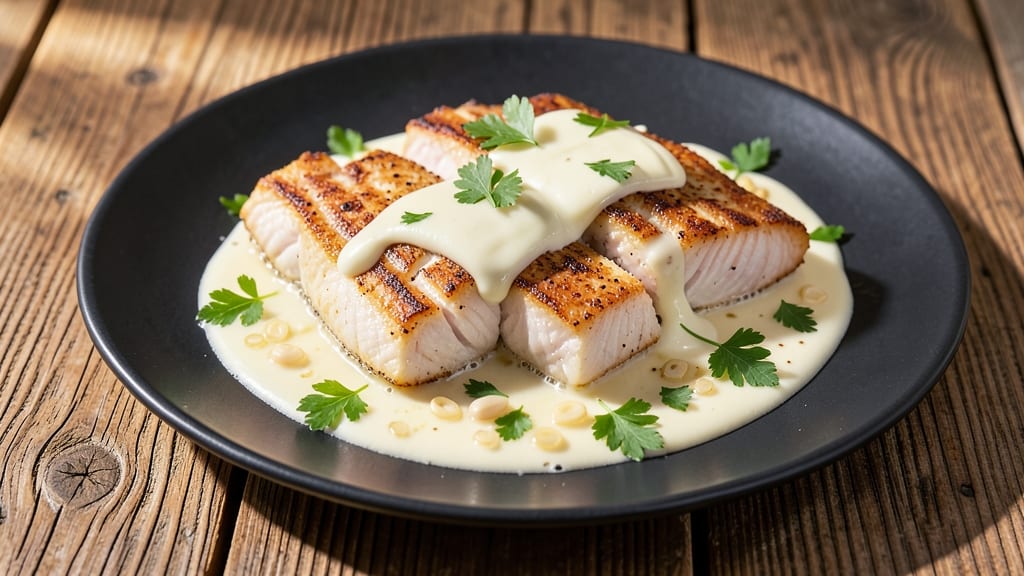
This cod white wine recipe transforms simple ingredients into a restaurant-worthy dish where tender, flaky fish meets a velvety wine sauce that brightens every bite.
The white wine isn’t just an ingredient—it’s the secret weapon that elevates the dish from ordinary to extraordinary, cutting through the richness of butter and herbs with its crisp acidity.
I’ve perfected this technique over years of testing, and it consistently delivers results that impress even the most discerning seafood lovers.
The process is straightforward but precise: cod fillets are gently seared in butter until golden, then finished in a simmering white wine sauce infused with shallots, garlic, and fresh herbs.
The key lies in timing—cooking the fish just until it flakes easily while allowing the sauce to reduce to a glossy, flavorful consistency. This method ensures the cod remains moist and tender, never dry or overcooked.
What you’ll end up with is a dish that’s elegant yet approachable, perfect for weeknight dinners or special occasions. The buttery fish pairs beautifully with the bright, tangy sauce, creating a harmonious balance of flavors.
The aroma alone—warm wine, garlic, and herbs—will have everyone at the table anticipating the first bite.
Serve this cod with roasted asparagus, a sprinkle of fresh parsley, and a crusty baguette to soak up every last drop of that luxurious sauce. The recipe scales easily, making it ideal for feeding a crowd or enjoying a quiet meal for two.
Let’s get started on creating this timeless classic.
Ingredients for cod white wine
Four cod fillets, one cup of wine, and a handful of fresh herbs—this is where restaurant-quality seafood magic happens.
| Ingredient | Amount | Notes |
|---|---|---|
| Cod Fillets 🐟 | 4 pieces | Skin-on, 6 oz each, center-cut preferred |
| Unsalted Butter 🧈 | ½ cup | Cold, cut into 1-inch cubes |
| Dry White Wine 🍷 | 1 cup | Sauvignon Blanc or Pinot Grigio |
| Shallots 🧅 | 2 whole | Minced, about 2 tbsp total |
| Garlic Cloves 🧄 | 4 cloves | Finely minced |
| Fresh Parsley 🌿 | ¼ cup | Chopped, stems removed |
| Fresh Thyme 🌿 | ½ tsp | Leaves only, finely chopped |
| Heavy Cream 🥛 | ¼ cup | Full-fat for richness |
| Lemon Juice 🍋 | 1 tbsp | Freshly squeezed |
| Salt 🧂 | 1 ½ tsp | Kosher or sea salt |
| Black Pepper 🌶️ | ½ tsp | Freshly cracked |
| Vegetable Oil 🫒 | 1 tbsp | For searing pan |
| All-Purpose Flour 🌾 | 1 tbsp | For sauce thickening |
The cod is non-negotiable here—look for center-cut fillets with skin at your local seafood counter or trusted fishmonger. Whole Foods or Trader Joe's carry reliable frozen options if fresh isn't available. Avoid fillets with brown edges or strong fishy odor. For the wine, Sauvignon Blanc or Pinot Grigio work best—avoid oaky Chardonnays as they can overpower the delicate fish. If you're using frozen cod, thaw it overnight in the fridge, sealed in a bag with a bit of water to prevent drying. The butter should be cold and cubed—this ensures proper searing without burning. Fresh herbs are critical; Parsley and thyme should be vibrant green with no wilting.
No white wine? Dry vermouth or apple cider can substitute in a pinch, though the flavor will differ slightly. Short on shallots? One small yellow onion, finely diced, works just as well. If you don't have heavy cream, half-and-half or whole milk will suffice, though the sauce will be slightly lighter. For the flour, arrowroot powder can replace it in a 1:1 ratio if you're avoiding gluten. The lemon juice is essential—bottled works, but freshly squeezed adds a brighter tang. If your recipe calls for more acidity, add an extra half tablespoon. The vegetable oil is just for the initial sear—avocado or grapeseed oil are great alternatives if you prefer.
This dish reheats beautifully—gently warm in a skillet with a splash of water to maintain moisture. The sauce thickens as it cools, so if it feels too thin when reheating, simmer uncovered for 1-2 minutes to reduce. Store leftovers in an airtight container in the fridge for up to 3 days, though the fish is best enjoyed fresh. For meal prep, portion the sauce separately and reheat it with the cod to maintain its velvety texture. The herbs can be prepped ahead and stored in the fridge for up to 5 days, wrapped in damp paper towels to keep them fresh. Freezing isn't recommended for the cod, but the sauce can be frozen for up to 3 months—just thaw and reheat gently.
Why You'll Love This Recipe
- One-Pan Magic: I swear by this recipe because it’s all about minimal cleanup—just a sheet pan, a splash of wine, and a handful of shallots. No fancy gadgets, no messier pots: the butter pools right into the pan while the cod cooks, turning into a glossy, fragrant sauce that needs zero extra effort.
- Wine’s Secret Weapon: That dry white wine isn’t just for show—it cuts through the richness of the butter and shallots, leaving behind a bright, almost citrusy finish. Honestly, it’s the kind of flavor that makes you reach for another glass and another piece of fish.
- Weeknight to Weekend: Between us, this dish works for everything: a rushed Tuesday dinner, a date-night upgrade, or even a lazy Sunday brunch. Swap the wine for a splash of lemon if you’re prepping ahead, and it still tastes like you slaved over it.
- Budget-Friendly Luxury: Cod’s affordable, and a bottle of wine stretches further than you’d think when you’re simmering just a half-cup. Leftovers? Reheat gently—they’re even better the next day, especially tossed with a bit of pasta or crusty bread to soak up that buttery sauce.
Step-by-step instructions for cod white wine recipe
This method delivers tender cod with a velvety wine sauce that's bright, buttery, and perfectly balanced.
Season and Sear the Cod Fillets
Pat the 4 pieces cod fillets dry with paper towels—this ensures a perfect sear. Season both sides generously with 1.5 teaspoons salt and 0.5 teaspoon black pepper, pressing the seasoning into the flesh. Let them sit at room temperature for 10 minutes while you prepare the pan.
Heat 1 tablespoon vegetable oil in a large skillet over medium-high heat until shimmering. Add the cod fillets skin-side down and cook for 3-4 minutes until the skin is golden brown and crispy. Flip carefully and cook the other side for 2-3 minutes until the fish just begins to flake easily when tested with a fork. Transfer to a warm plate and tent with foil to keep warm.
Build the Wine Sauce Foundation
Reduce the heat to medium and add 0.5 cup unsalted butter to the same skillet. Let it melt completely, about 1 minute, then add the 2 whole shallots and 4 cloves garlic cloves. Cook for 2-3 minutes until the shallots soften and the garlic becomes fragrant but doesn't brown.
Pour in 1 cup dry white wine and scrape up any browned bits from the bottom of the pan with a wooden spoon. Bring to a gentle simmer and let it reduce by half—this takes about 5 minutes. The sauce should coat the back of a spoon and have a rich, aromatic depth.
Thicken and Finish the Sauce
Sprinkle 1 tablespoon all-purpose flour over the sauce and whisk vigorously to combine. Cook for 1-2 minutes until the flour is fully incorporated and the sauce begins to thicken slightly. Stir in 0.25 cup heavy cream and 0.5 teaspoon fresh thyme, then add 1 tablespoon lemon juice for brightness.
Remove the skillet from heat and fold in 0.25 cup chopped fresh parsley. Taste and adjust seasoning with additional salt or pepper if needed. The sauce should be smooth, velvety, and perfectly balanced between the wine's acidity and the butter's richness.
Plate and Serve Immediately
Return the cod fillets to the skillet with any accumulated juices. Spoon the wine sauce over the top and let it heat through for 30-60 seconds. The fish should be opaque throughout with just a hint of pink in the center—overcooking will make it dry.
Divide the cod and sauce evenly among 4 plates, garnishing each portion with an additional sprinkle of fresh parsley. Serve immediately with crusty bread or roasted vegetables to soak up the luxurious sauce. The contrast of the crispy skin, tender fish, and bright wine sauce makes this dish truly special.
Pro Tips For Making Cod White Wine
- Sear the Cod First: Hit the pan with a touch of oil and high heat before adding butter—just 30 seconds per side until golden. I used to skip this, and the fish always ended up steaming instead of developing that crisp edge that holds up to the wine sauce. It’s the difference between a delicate bite and a flaky, restaurant-worthy piece.
- Use Shallots, Not Onions: Shallots add sweetness without bitterness, and they caramelize faster than onions in butter. Dice them small—about ¼-inch pieces—and cook them low and slow for 4-5 minutes until soft but not browned. Onions? They’ll overpower the wine’s brightness, and no one wants that.
- Deglaze Hot, Not Cold: As soon as you remove the cod, pour in the wine while the pan is still hot. The residual heat helps lift those browned bits (fond) into the sauce, giving it depth. I learned this the hard way—adding cold wine just makes a thin, watery mess. A splash of cold water at the end? That’s fine, but not upfront.
- Save the Wine for Later: Use only ½ cup of wine for the sauce, not the whole bottle. The rest? Drink it now. The sauce will reduce fast, and you’ll need that extra wine to keep the butter from separating. If you’re worried about waste, freeze the leftovers in ice cube trays for future deglazing. Trust me, you’ll use them.
Regional styles of cod white wine
French Bistro Elegance
In France, cod with white wine is often prepared as a refined bistro dish, where the focus is on simplicity and balance. The French technique involves poaching the cod in a court bouillon—a light broth of white wine, herbs, and vegetables—before finishing with a beurre blanc sauce.
I’ve adapted this by using a dry Sauvignon Blanc and adding tarragon and bay leaf to the poaching liquid for that classic French touch. The sauce is emulsified with butter and lemon juice, creating a glossy finish that’s lighter than the American version but equally luxurious. 🍷
Italian Coastal Twist
Along the Italian coastline, particularly in regions like Liguria, cod is often baked or pan-seared and finished with a white wine and tomato sauce. The Italians use Pinot Grigio and incorporate sun-dried tomatoes, capers, and olive oil into the sauce for a brighter, more acidic profile.
I’ve seen this version served with a sprinkle of fresh basil and a drizzle of extra virgin olive oil right before plating. The key difference here is the addition of chili flakes for a subtle heat that cuts through the richness of the fish.
Spanish Seafood Paella
In Spain, cod is a staple in seafood paella, where it’s cooked alongside shrimp, mussels, and saffron-infused rice.
The white wine here plays a dual role—it’s used to deglaze the paella pan after searing the cod and to create a sofrito base with smoked paprika, garlic, and tomato. The dish is finished with a splash of brandied wine (like Pedro Ximénez) for depth.
For a simplified version, I’ve made a one-pan cod and white wine dish with arborio rice, saffron, and fresh peas, where the wine infuses the rice with flavor as it cooks. 🌶️
Scandinavian Butter Poaching
In Scandinavian cuisine, cod is often poached in a white wine and butter broth, then served with a dill and chive cream sauce. The Nordic approach emphasizes lightness and freshness, using dill and lemon prominently.
I’ve seen this version prepared with cloudy apple cider as a substitute for wine, adding a subtle sweetness that pairs beautifully with the cod’s natural flavor. The dish is typically served with new potatoes and steamed green beans, creating a harmonious balance of textures and flavors.
American New England Style
In New England, cod is often baked or steamed and finished with a white wine and cream sauce that’s richer than the French or Italian versions. The Americans lean into heavy cream and butter for a decadent finish, often adding Old Bay seasoning or smoked paprika for a smoky depth.
I’ve adapted this by using dry Riesling instead of table wine, which adds a touch of sweetness that complements the bold spices. The dish is frequently served with corn on the cob or collard greens, reflecting the region’s love of hearty, comforting flavors.
Mediterranean Greek Approach
Greek cuisine transforms cod with white wine into a dish that’s bright and herb-forward. The Greeks use Assyrtiko white wine and infuse the sauce with oregano, lemongrass, and fennel.
The cod is often marinated in the wine mixture for 30 minutes before cooking, allowing the flavors to penetrate deeply. I’ve simplified this by adding fresh oregano and lemongrass to the sauce after cooking, along with a splash of ouzo for a distinctive anise note.
This version pairs beautifully with grilled zucchini and crusty pita bread.
Nutrition facts
Frequently asked questions
What's the best white wine to use for this cod recipe?
Use a crisp, dry white wine like Sauvignon Blanc or Pinot Grigio—they complement the delicate flavor of cod without overpowering it. Avoid oaky Chardonnays or sweet wines, as they can make the sauce taste heavy or cloying. If you don’t have white wine, dry vermouth or apple cider work in a pinch, though the flavor will differ slightly.
Can I substitute cod with another type of fish?
Yes! This recipe works well with halibut, sea bass, or mahi-mahi—all have similar textures and mild flavors. Avoid flaky fish like tilapia or sole, as they may fall apart too easily when seared. If using a thicker fillet, reduce cooking time by 30 seconds per side to prevent overcooking.
Why did my sauce turn out too thin or too thick?
A thin sauce usually means the wine didn’t reduce enough—simmer it longer (up to 10 minutes) or whisk in 1 extra tablespoon flour to thicken. If it’s too thick, stir in 1-2 tablespoons warm water or broth while heating. Always taste and adjust gradually to avoid clumping. The sauce should coat the back of a spoon but still be silky smooth.
How do I keep the cod from drying out?
Pat the fillets very dry before seasoning (excess moisture prevents browning), and cook them over medium-high heat for no more than 4 minutes per side. The fish is done when it flakes easily with a fork but still has a slight springiness. Keep it warm under foil while finishing the sauce, and reheat gently in the sauce for 30 seconds before serving.
Can I make this recipe ahead of time?
Prepare the sauce up to 1 day ahead and store it in an airtight container in the fridge. Reheat gently on the stove with a splash of water or wine to restore its silky texture. For the cod, sear it fresh and reheat it in the sauce for 1-2 minutes to avoid drying. Leftovers keep for 2 days in the fridge, but the fish is best enjoyed immediately.