
Side Dishes
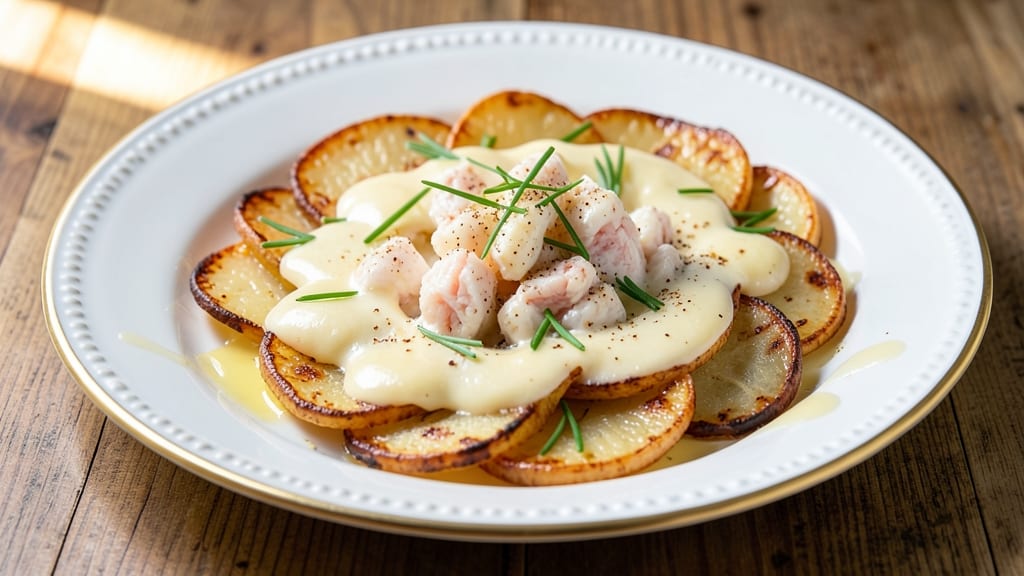
This crab potato casserole recipe transforms humble ingredients into a restaurant-worthy dish with a buttery crisp top and creamy seafood swirls. The secret lies in perfectly cooked crabmeat folded into velvety potato layers, then crowned with a golden, crackling crust that holds every bite together.
After years of testing variations, I've perfected the balance between tender potatoes and delicate crab, ensuring the seafood stays moist while the crust achieves that satisfying crunch.
The foundation begins with thinly sliced potatoes layered with steamed crabmeat and a rich cream sauce, all baked until the edges are golden and the filling is just set.
What sets this apart is the crisp topping - a mix of breadcrumbs, melted butter, and parmesan that develops a satisfying snap while keeping the interior creamy. This technique ensures every forkful delivers both textures in perfect harmony, making it ideal for holiday tables or elegant weeknight dinners.
By the time it emerges from the oven, you'll have a casserole with a golden-brown crust that crackles when cut, revealing layers of creamy potato-crab filling underneath. The aroma alone will have everyone anticipating dinner, while the first bite delivers that perfect contrast between crispy top and tender, flavorful center.
This dish proves that seafood casseroles can be both impressive and approachable, with minimal prep and maximum impact.
Pair it with a simple green salad or steamed vegetables to complete the meal. The recipe scales beautifully for gatherings, and leftovers reheat wonderfully, making it a practical choice for busy hosts. Here's how to create this crowd-pleasing centerpiece that feels special without requiring advanced skills.
Ingredients for crab potato
Sixteen ingredients, restaurant-quality results—where buttery crust meets delicate seafood swirls.
| Ingredient | Amount | Notes |
|---|---|---|
| Yukon Gold Potatoes 🥔 | 3 lb | Thinly sliced, uniform thickness |
| Lump Crabmeat 🦀 | 1 ½ lb | Backfin or claw meat preferred |
| Heavy Cream 🥛 | 1 cup | Full-fat for optimal richness |
| Whole Milk 🥛 | ½ cup | Warmed for better emulsification |
| Unsalted Butter 🧈 | ½ cup | Melted for crisp topping |
| Parmesan Cheese 🧀 | ½ cup | Freshly grated, fine texture |
| Panko Breadcrumbs 🍞 | 1 cup | Lightly toasted for extra crunch |
| Shallots 🧅 | 2 whole | Finely minced, aromatic base |
| Garlic Cloves 🧄 | 4 cloves | Minced, fresh preferred |
| Fresh Dill 🌿 | ¼ cup | Chopped, bright flavor profile |
| Lemon Juice 🍋 | 2 tbsp | Freshly squeezed, acid balance |
| Diamond Crystal Kosher Salt 🧂 | 1 ½ tsp | Adjust to taste, sea salt alternative |
| Freshly Ground Black Pepper 🌶️ | ½ tsp | Coarsely ground for texture |
| Chicken Stock 💧 | 1 cup | Low-sodium preferred |
The crabmeat selection is critical—backfin or claw meat delivers that luxurious texture without excess water. Whole Foods or high-end seafood markets carry the best lump crab, though frozen options from Trader Joe's work perfectly if thawed overnight in the fridge. Yukon Gold potatoes are non-negotiable for their creamy texture when cooked; organic varieties from the produce section ensure no bitter aftertaste. For the Parmesan, always grate fresh—pre-shredded contains anti-caking agents that prevent proper melting. The shallots should be vibrant purple with no green shoots, and the dill needs to be bright green, not wilted.
No lump crab? Surimi crab sticks (like Kirkland brand) shred finely and work in a pinch, though texture differs. Substitute the heavy cream with half-and-half if needed, but the richness suffers. For a dairy-free option, unsweetened coconut milk replaces the cream, though the texture becomes slightly denser. The panko can be swapped for regular breadcrumbs, but toast them first in a dry pan to prevent sogginess. Fresh dill is ideal, but dried dill at one-third the amount suffices if necessary. The lemon juice can be bottled, though fresh yields brighter acidity—ReaLemon works well when fresh isn't available.
Prep the potatoes first—they need 20 minutes in cold water before slicing to prevent browning. The crabmeat should be patted completely dry before folding into the potato layers to maintain crispness. Assemble the casserole in a 9x13-inch baking dish for even baking. Store leftovers covered in the fridge for up to 3 days, though the crust loses crispness after day 2. For freezing, bake uncovered for 10 minutes less, then wrap tightly—reheat covered at 350°F until bubbly. The crisp topping reheats best with 5 minutes under the broiler post-oven.
Why You'll Love This Recipe
- One-Pan Magic: I swear by this recipe when I’m too tired to scrub pots—just slice the Yukons, nestle in the crab, and let the butter and cream do the work. The potatoes soften right in the pan while the crab gets luxuriously tender, no flipping or fussing required.
- Rich Without Effort: That velvety blend of heavy cream and whole milk? It’s like a hug for your taste buds, but the real star is the crab—sweet, briny, and perfectly balanced by the buttery potatoes. Honestly, it tastes like a fancy seafood dish without the pretension.
- Weeknight to Weekend: Make a big batch on Sunday and reheat it for Tuesday lunches—it holds up beautifully. Or serve it chilled as a first-course salad for dinner parties. My college-aged kids even ask for it when I host friends, which says a lot.
- Budget-Friendly Luxury: You’re not splurging on a whole crab here—lump meat is affordable, and Yukon Golds stretch further than fancy potatoes. The cream and butter make it feel indulgent, but the cost per serving is surprisingly reasonable. (Yes, even on a Tuesday night.)
Step-by-step instructions for crab potato casserole
Mastering this dish delivers a perfect balance of crispy topping and velvety crab-potato filling every time.
Prepare the Potato Base
Begin by thinly slicing the 3 lb Yukon Gold Potatoes into uniform ⅛-inch rounds using a mandoline or sharp knife. The consistency matters—thin slices ensure even cooking while maintaining texture. Parboil the potatoes in salted water for 8 minutes until just tender but still holding shape. Drain thoroughly and return them to the pot.
In a separate bowl, warm the 0.5 cup Whole Milk and 1 cup Heavy Cream together until steaming but not boiling. This gentle heating improves emulsification with the butter later. Stir in the 1 cup Chicken Stock, 2 tbsp Lemon Juice, 0.5 cup finely grated Parmesan Cheese, 1.5 tsp Diamond Crystal Kosher Salt, and 0.5 tsp Freshly Ground Black Pepper. Pour this warm mixture over the drained potatoes and toss gently to coat completely. Let the mixture sit for 5 minutes to absorb flavors.
Assemble the Crab Filling
In a non-reactive mixing bowl, combine the 1.5 lb Lump Crabmeat, 2 whole Shallots (finely minced), 4 cloves Garlic Cloves (minced), and 0.25 cup Fresh Dill. Gently fold these ingredients into the potato mixture using a rubber spatula. The crab should be distributed evenly—avoid overmixing to prevent breaking the delicate meat. Taste and adjust seasoning if needed, though the warm cream mixture should already be well-seasoned.
Transfer the potato-crab mixture to a 9x13-inch baking dish, spreading it evenly into a single layer. Press down gently to compact the filling—this prevents excessive spreading during baking and creates a cleaner presentation. The top should be smooth but slightly uneven in texture, which helps the crisp topping adhere better.
Create the Crisp Topping
Melt the 0.5 cup Unsalted Butter in a small saucepan over low heat until completely liquid but not browned. In a separate bowl, combine the melted butter with the 1 cup Panko Breadcrumbs, then sprinkle the mixture over the potato-crab filling in the baking dish. Use the back of a spoon to press the crumbs gently into the surface, creating an even, continuous layer. This step is crucial—uneven pressing leads to patchy crispiness.
Bake uncovered at 375°F for 45-50 minutes, until the topping is deep golden brown and the filling bubbles at the edges. The casserole is done when the internal temperature reaches 165°F at the center. Here's the thing—resist opening the oven door before the 30-minute mark. Each peek releases steam and can cause the topping to soften.
Rest and Serve
Remove the casserole from the oven and let it rest for 10 minutes before serving. This resting period allows the filling to set slightly, making it easier to slice cleanly. The contrast between the crispy golden topping and the creamy, flaky crab-potato filling should be striking—each bite delivers that promised creaminess while the buttery crumbs add satisfying texture.
Slice into 6 equal portions and serve immediately. The casserole reheats poorly, so plan to serve directly from the baking dish. Garnish each serving with an additional sprinkle of fresh dill and a crack of black pepper for freshness. The acidity from the lemon juice brightens the rich crab and potato flavors, while the Parmesan adds a subtle umami depth that ties everything together.
Pro Tips For Making Crab Potato
- BOIL POTATOES UNTIL FORK-TENDER: Yukon Golds should give just slightly—like a hug, not a squeeze—when pierced with a fork. I learned this the hard way by overcooking them into mush, which turns your creamy crab sauce into a sad, watery glaze. Drain immediately after boiling, or they’ll steam back into starchy sludge in the pan.
- DRAIN CRABMEAT WELL: That brine in canned crabmeat is sneaky—it’ll turn your sauce grainy if you don’t rinse and drain it thoroughly. Pat it dry with paper towels (yes, even the "lump" kind) and you’ll end up with a velvety sauce instead of a gritty one. Trust me, your future self will notice the difference.
- SLOWLY WARM THE CREAM: Heavy cream and whole milk hate heat—dump them in hot butter and they’ll curdle faster than a bad date. Warm them gently over low heat first (or even in the microwave for 20 seconds), then whisk them into the butter. Your sauce will stay silky, not lumpy.
- TOAST POTATOES IN BUTTER FIRST: Skip the direct heat on the potatoes—they’ll steam instead of crisp. Melt butter in your pan first, add sliced potatoes, and let them sizzle until golden on one side before flipping. The extra butter = flavor, and the crisp edges = texture that makes this dish feel special. (Yes, even if you’re serving it to picky eaters.)
Storing and reheating your leftovers
Refrigerator Storage
Store leftovers in an airtight container with a tight-fitting lid, covering the crisp topping with a piece of parchment paper to preserve its texture. Keep refrigerated at 40°F or below for up to 3 days, though I recommend serving within 2 days for optimal crispiness.
The potatoes and crabmeat will stay creamy, but the breadcrumb topping loses its snap over time. 🥔
Freezer Prep Tips
For freezing, bake the casserole 10 minutes less than directed to prevent overcooking during reheating. Let it cool completely, then wrap tightly in heavy-duty aluminum foil followed by plastic wrap. Label with the date—it freezes well for up to 2 months. Thaw overnight in the fridge before reheating. 🧊
Reheating Methods
Reheat covered at 350°F until warmed through, about 20-25 minutes, adding 2-3 tablespoons of water or milk to the baking dish to prevent drying. For the crisp topping, transfer the baked casserole to a broiler-safe dish and broil for 3-5 minutes at the end to restore crispiness.
Use a toothpick to test doneness—it should come out clean. ⏱️
Microwave Shortcut
If short on time, cover the casserole with a damp paper towel and microwave on 50% power for 2-3 minutes, stirring halfway. The texture won’t be as crisp, but it’s a decent solution for quick meals. Add a splash of heavy cream to restore richness if needed. 💡
Reviving the Crust
If the topping loses its crunch after reheating, sprinkle fresh panko breadcrumbs on top and broil for 2-3 minutes until golden. A quick spray of olive oil before broiling enhances browning. This trick works wonders for restoring that satisfying crunch. 🔥
Serving Leftovers
Serve reheated portions on a pre-warmed platter to maintain temperature. Garnish with extra fresh dill and a squeeze of lemon to brighten flavors. Pair with a simple arugula salad or steamed asparagus to balance the richness. The contrast of cold greens against warm casserole creates a perfect bite. 🌿
Nutrition facts
Frequently asked questions
Can I substitute fresh crabmeat with canned crab?
Canned crab works in a pinch, but texture differs significantly. For best results, use high-quality canned lump crab (like Wild Alaska brand) and drain it thoroughly to remove excess moisture. Fresh lump crabmeat stays flakier and more luxurious, but canned crab adds a slightly softer bite. Adjust seasoning as canned versions often contain added salt.
How do I prevent the casserole from getting soggy?
Three key steps:
- Pat the crabmeat completely dry before folding into the potatoes,
- Press the breadcrumb topping firmly into the surface, and
- Bake uncovered the entire time. Avoid opening the oven door before 30 minutes—each peek releases steam that softens the crust. For extra insurance, toast the panko in a dry pan before mixing with butter.
Can I make this casserole ahead of time?
Assemble the casserole up to 24 hours ahead and refrigerate uncovered. The next day, bake at 375°F for 5-10 minutes longer (cover loosely with foil) to crisp the topping. For make-ahead freezing, bake 10 minutes less than directed, then wrap tightly and freeze for up to 2 months. Thaw overnight before reheating.
What's the best way to reheat leftovers?
For oven reheating, cover with foil and bake at 350°F for 20-25 minutes, then broil 3-5 minutes uncovered to restore crispiness. Add 2 tbsp milk or water to the dish to prevent drying. Microwave shortcut: Cover with a damp paper towel and heat on 50% power for 2-3 minutes, stirring halfway. Always finish with fresh dill and lemon for brightness.
Why did my casserole turn out more watery than creamy?
This usually happens from excess moisture in the crabmeat or potatoes. Always drain potatoes thoroughly after parboiling and pat crabmeat completely dry. Another common mistake is using too much liquid in the cream mixture—stick to the 1 cup chicken stock + 1.5 cups dairy ratio. If needed, bake uncovered for 5-10 minutes extra to evaporate excess moisture.