
Main Courses
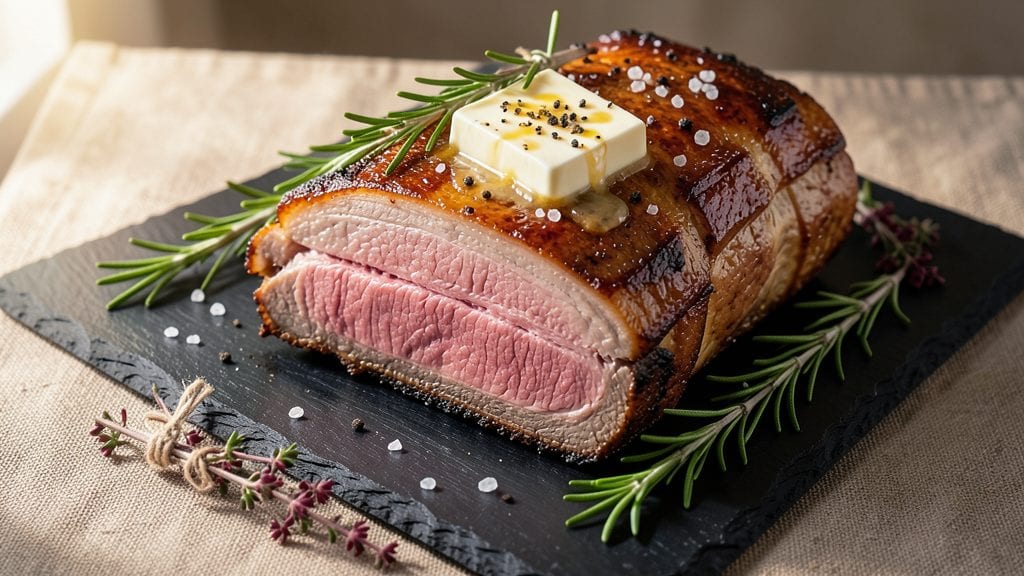
Mastering a dry brine prime rib roast recipe transforms tough cuts into melt-in-your-mouth perfection with a crispy crust and buttery interior. This technique—salting the roast 24 hours ahead—creates an ideal balance of seasoning and moisture that traditional methods simply can’t match.
I’ve perfected this process over years of holiday feasts, ensuring every slice delivers restaurant-quality tenderness without the guesswork.
The secret lies in precision: a dry brine (just salt and pepper) penetrates deeply, while high-heat roasting develops a caramelized crust that locks in juices. No fancy equipment needed—just a meat thermometer and patience.
The result? A roast so tender it nearly falls apart, with a crust so crisp it’s worth the wait. This isn’t just dinner; it’s an experience that turns ordinary weeknights into special occasions.
Pair your prime rib with roasted garlic mashed potatoes and a bold red wine reduction for a complete meal that feels like a five-star restaurant. The dry brine method ensures even flavor distribution, so every bite is as rich and savory as the first.
Whether you’re cooking for a holiday gathering or treating yourself to a luxurious dinner, this recipe delivers foolproof results that impress every time.
Ready to elevate your roasting game? Let’s break down the exact steps—from salting to slicing—to guarantee a prime rib so tender and flavorful, it’ll become your new go-to centerpiece. The key is in the details, and I’ll walk you through every one.
Ingredients for dry brine prime rib roast
Six ingredients transform a simple roast into restaurant-quality prime rib perfection.
| Ingredient | Amount | Notes |
|---|---|---|
| Prime Rib Roast (Bone-In) 🥩 | 6 lb | Center-cut, 1-1.5 inches thick |
| Kosher Salt (Diamond Crystal) 🧂 | ½ cup | Coarse grain for even coating |
| Freshly Ground Black Pepper 🌶️ | 2 tbsp | Coarsely cracked for texture |
| Unsalted Butter (Cold) 🧈 | ½ cup | Cut into 1-inch cubes |
| Fresh Rosemary Sprigs 🌿 | 6 whole | Thick stems for easy handling |
| Fresh Thyme Bundles 🌿 | 4 whole | Tied with kitchen twine |
| Garlic Cloves 🧄 | 12 whole | Smashed lightly for aroma |
| Extra-Virgin Olive Oil 🫒 | 2 tbsp | For searing and basting |
| Beef Tallow or Duck Fat 🧈 | ¼ cup | For extra crust richness |
| Red Wine (Optional) 🍷 | 1 cup | Dry Cabernet Sauvignon |
| Beef Bone Broth 🍲 | 1 cup | For pan deglazing |
| Baking Twine 🧵 | 1 package | For trussing the roast |
| Wooden Skewer 🪵 | 1 whole | For basting |
| Meat Thermometer 🌡️ | 1 whole | Instant-read preferred |
The prime rib cut is everything here. Center-cut bone-in delivers maximum tenderness, while the thickness (1-1.5 inches) ensures even cooking. Costco or high-end butchers like D'Arcy's carry premium cuts—look for vibrant red color and good marbling. If you're buying in advance, vacuum-seal and freeze for up to 3 months. The kosher salt? Diamond Crystal is my go-to—it clings better than table salt. Freshly ground black pepper adds texture, so don't skip the coarsely cracked version. For the herbs, Whole Foods bulk section has the freshest rosemary and thyme, but any grocery store's produce aisle works if you grab them the same day.
No beef tallow? Duck fat or extra butter works in a pinch—just render it first. Short on rosemary? Thyme plus a bay leaf carries the same earthy notes. The red wine is optional but worth it for depth—Cabernet Sauvignon adds richness without overpowering. For the bone broth, Kettle & Fire or homemade is ideal, but any good-quality store brand works. The baking twine might seem trivial, but butcher's twine from craft stores is stronger than flimsy kitchen twine. Pro tip: Tie the roast loosely—too tight and it won't sear properly. The garlic cloves? Smashed but not minced—they'll infuse flavor without turning to paste.
This roast is a 24-hour project, so plan ahead. After salting, wrap tightly in plastic and refrigerate—it'll keep 3 days prepped this way. The day of cooking, let it sit at room temperature for 2 hours before roasting. Leftovers? Slice thinly and reheat in a 350°F oven for 20 minutes—the crust gets even better. For maximum crispiness, broil the last 2 minutes. Store cooked slices in the fridge for 4 days or freeze for 3 months. The fat cap? Save it for future roasts or cook it down into a flavor bomb.
Why You'll Love This Recipe
- Salt Magic Simplicity: I swear by this dry brine trick—just salt the roast 24 hours ahead and let it sit. No fancy marinades, no last-minute stress, just a bone-in prime rib that’s actually foolproof. My lazy Sundays now include a perfectly seasoned roast with zero effort.
- Crispy-Perfect Edge: That crust? Oh, it’s worth the wait. Cold butter basted in the last hour creates a golden, crackling exterior while the rosemary-infused salt keeps the inside tender. Between us, it’s the kind of flavor that makes people ask, “What’s in this?”
- Weeknight to Holiday Hero: Same recipe, endless occasions. Feed your book club, impress your in-laws, or just treat yourself after a rough week. The bone-in version even makes carving feel like a show—because it is.
- Leftovers That Don’t Suck: Honestly, I make this just for the leftovers. Slice the next day for sandwiches, or reheat with a splash of beef stock for shredded beef that’s richer than takeout. (Yes, even on a Tuesday night.)
Step-by-step instructions for dry brine prime rib roast
The secret to restaurant-quality prime rib lies in this dry brine method—transforming tough roast into melt-in-your-mouth perfection.
Apply the Dry Brine and Rest Overnight
Pat the 6 lb prime rib roast completely dry with paper towels, focusing on the fat cap and any moisture pockets. Generously apply the 0.5 cup kosher salt and 2 tbsp freshly ground black pepper all over the surface, pressing it into the meat with your fingers. This isn't just seasoning—it's a flavor infusion that penetrates deeply during the rest.
Place the roast on a wire rack set over a rimmed baking sheet. Cover loosely with plastic wrap and refrigerate for 12-24 hours. The dry brine works its magic as the salt draws out moisture, creating an ideal surface for that coveted crispy crust. I like to flip the roast halfway through the resting period to ensure even seasoning. This step is non-negotiable—skipping it results in bland, dry meat.
Sear the Roast for Maximum Flavor
Remove the roast from the refrigerator 1 hour before cooking to bring it to room temperature. Preheat your oven to 450°F and place a heavy oven-safe skillet over high heat. Add the 2 tbsp extra-virgin olive oil and 0.25 cup beef tallow or duck fat to the skillet and let it get very hot—you should see smoke begin to rise.
Carefully place the roast fat-side down in the skillet and sear for 10 minutes until the fat renders and the surface develops a deep golden-brown crust. Flip the roast and sear the other side for another 10 minutes. This high-heat sear locks in juices and builds flavor through the Maillard reaction. Don't rush this step—patience here pays off with that irresistible crust we're after.
Roast to Perfect Medium-Rare
Transfer the seared roast to a baking sheet and place it in the preheated 450°F oven. Roast for 20 minutes, then reduce the heat to 325°F. This initial high heat jumpstarts the cooking process while the lower temperature ensures even doneness. Insert the meat thermometer into the thickest part of the roast (avoiding the bone).
Continue roasting until the internal temperature reaches 115-120°F for medium-rare—this should take about 1.5-2 hours total. The roast is done when the thermometer reads 115°F and the meat feels springy to the touch. Resist the urge to overcook; prime rib continues cooking as it rests, and you want that perfect pink center. If using the optional 1 cup red wine, deglaze the skillet with it now, then reduce by half before adding the 1 cup beef bone broth.
Rest and Create the Crust
Remove the roast from the oven and transfer it to a cutting board. Tent loosely with foil and let it rest for 15-20 minutes. This resting period allows the juices to redistribute throughout the meat. While it rests, prepare the butter basting mixture: melt the 0.5 cup cold unsalted butter in a small saucepan over low heat. Add the 6 fresh rosemary sprigs, 4 fresh thyme bundles, and 12 smashed garlic cloves, letting them infuse for 2-3 minutes.
After resting, use the wooden skewer to baste the roast with the herb butter mixture, coating it generously on all sides. This step isn't just for flavor—it creates that signature crust we crave. Return the roast to the oven (now at 400°F) for 10-15 minutes to crisp the butter-basted surface. The crust should be deep golden brown and crackling when you press it gently with tongs. This final basting is what transforms good prime rib into exceptional prime rib.
Slice and Serve with Confidence
Carefully slice the roast against the grain into ½-inch thick slices. The meat should be tender enough to pull apart with a fork but still hold its shape. Serve immediately with the pan juices strained and reduced if desired. Each slice should reveal a beautiful pink center with a crispy, buttery exterior. The aroma alone will have your guests anticipating that first bite.
This dry brine method guarantees a prime rib that's both crispy on the outside and buttery tender within. The key lies in the patience—allowing the salt to work its magic and the meat to rest properly. Trust the process, and you'll achieve results that rival your favorite steakhouse. Leftovers? Reheat gently in the oven to maintain that perfect texture.
Pro Tips For Making Dry Brine Prime Rib Roast
- SALT THE DAY BEFORE: I learned this the hard way—salting prime rib 24 hours ahead lets the salt penetrate deep, so you’re not just seasoning the surface. Use 1.5 teaspoons Diamond Crystal per pound (it’s finer, so don’t eyeball it) and let it sit uncovered in the fridge. The crust will be perfect, and the meat stays juicy.
- USE ROSEMARY LIKE A BOSS: Skip the sprigs stuck in the meat—tie 3-4 sprigs into a bundle with kitchen twine and tuck it under the rib bone. This way, the aromatics infuse the fat without turning your knife into a rosemary pick. (Yes, even if you’re impatient like me.)
- CRANK THEN CRUISE: Start your roast in a screaming-hot oven (475°F) for 20 minutes to render fat and lock in moisture, then drop to 325°F. I used to shy away from high heat, but this guarantees a caramelized crust while keeping the inside tender. No sad, gray exterior here.
- BUTTER IT UP LATE: Cold butter on a hot roast? Sounds weird, but it works. Pat the roast dry, then rub 2 tablespoons of cold unsalted butter over the crust right before finishing in the oven. The butter melts into the crust, adding richness without steaming the meat. (Your future self will thank you.)
Best sauces and condiments for dry brine prime rib roast
Red Wine Reduction
This sauce is the ultimate pairing for prime rib—rich, velvety, and packed with umami depth. Deglaze your searing pan with 1 cup dry Cabernet Sauvignon after removing the roast, then reduce by half over medium-high heat until syrupy.
Stir in 1 tbsp cold butter at the end for a silky finish. The wine's acidity cuts through the richness while enhancing the beef's natural flavors. 🍷
Horseradish Cream
For a bold kick, whip together ½ cup sour cream, 2 tbsp prepared horseradish, 1 tbsp Dijon mustard, and 1 tsp lemon juice. Thin with a splash of milk if needed.
This sauce adds a sharp contrast to the buttery prime rib, balancing every bite. Serve in a small dish at the table for customization.
Garlic-Herb Butter
Melt ½ cup unsalted butter with 4 minced garlic cloves, 1 tbsp chopped fresh thyme, and 1 tbsp chopped parsley. Strain through a fine-mesh sieve to remove herbs, then drizzle over sliced prime rib.
The infused butter adds aromatic depth without overpowering the meat's natural flavors. Perfect for basting during the final oven phase.
Au Jus Pan Sauce
After searing the prime rib, deglaze the pan with 1 cup beef bone broth and 1 tbsp Worcestershire sauce. Simmer until reduced by half, then whisk in 1 tbsp cold butter for shine.
Strain and serve immediately—this sauce captures all the meaty essence from the roast. A must for soaking up those last delicious drips on the plate.
Balsamic Glaze
For a touch of sweetness, reduce ½ cup balsamic vinegar with 1 tbsp brown sugar over medium heat until thickened to a glaze consistency. Drizzle lightly over sliced prime rib or use as a table sauce. The tangy-sweet balance elevates the dish's complexity, especially when paired with roasted root vegetables.
Whiskey Gravy
Deglaze the roasting pan with 2 tbsp bourbon (like Maker's Mark) and 1 cup beef broth. Thicken with a slurry of 1 tbsp cornstarch mixed with 1 tbsp cold water.
Finish with 1 tbsp butter** for richness. The whiskey adds a smoky depth that complements the prime rib's caramelized crust perfectly. 🔥
Nutrition facts
Frequently asked questions
Why does dry brining make such a difference for prime rib?
The dry brine method works by allowing the salt to penetrate deep into the meat over time, creating a perfect balance of seasoning and moisture. Unlike wet brining, this technique draws out surface moisture while pushing flavor inward, resulting in a crispy crust and juicy interior. The 12-24 hour rest period is crucial—it transforms tough cuts into melt-in-your-mouth perfection. Without it, you risk dry, bland meat that lacks that signature restaurant-quality texture.
Can I use table salt instead of kosher salt for the dry brine?
Technically yes, but kosher salt is preferred because its coarse grains cling better to the meat and distribute more evenly. If using table salt, reduce the amount to about ⅓ cup since it's finer and more concentrated. The key is achieving that even crust—table salt can create uneven seasoning patterns. For best results, stick with Diamond Crystal kosher salt as specified in the recipe.
What's the best way to tell when prime rib is perfectly cooked?
Use a meat thermometer for precision—insert it into the thickest part (avoiding the bone) and aim for 115-120°F for medium-rare. The meat should feel springy when pressed gently with tongs. Visual cues include a deep golden-brown crust and juices that run clear when pierced. Remember: prime rib continues cooking as it rests, so pull it out slightly before reaching your target temperature. Overcooking is the #1 mistake that turns tender meat into tough rubber.
How do I handle leftovers without drying out the prime rib?
Slice leftovers into ½-inch thick portions and store in an airtight container. Reheat gently at 350°F for 20-25 minutes until warmed through—this maintains moisture better than microwave reheating. For extra protection, wrap slices in foil before reheating. Leftovers keep well for 4 days in the fridge or 3 months frozen. The crust may soften slightly, but the meat remains tender when reheated properly.
What's the deal with the final basting step—can I skip it?
While not mandatory, the herb butter basting creates that signature crispy crust that makes this recipe exceptional. The butter basting mixture (melted butter with rosemary, thyme, and garlic) adds rich flavor while sealing in juices. Skip it, and you'll still have delicious meat, but you'll miss out on that restaurant-quality finish. Think of it as the cherry on top—worth the extra 10-15 minutes in the oven for maximum impact.