
Main Courses
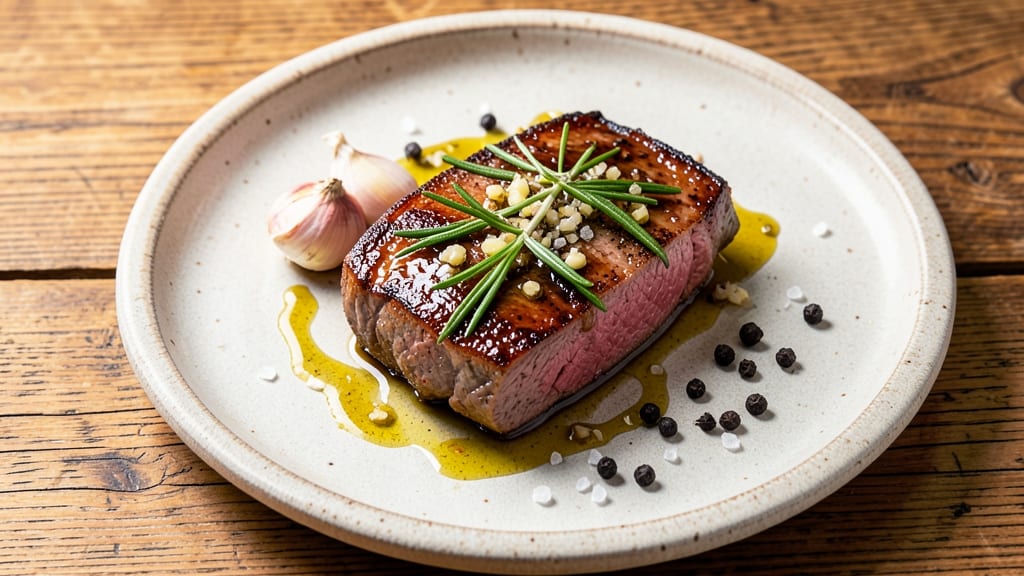
Cooking elk loin steak reveals its smoky-grilled richness and gamey depth in a way that transforms a wild harvest into a restaurant-quality centerpiece. This recipe delivers a foolproof method for achieving perfect medium-rare doneness every time, balancing the natural intensity of elk with bold seasoning and precise heat control.
I developed it after years of testing—because elk requires respect, not guesswork.
The secret lies in marinating overnight with a blend of rosemary, garlic, and black pepper, which tenderizes the meat while building layers of aromatic flavor. Grilling over medium-high heat creates those coveted char marks and a juicy, tender interior that falls apart with just the right resistance.
This isn't just another steak recipe—it's a celebration of elk's unique character, elevated without overpowering its natural taste.
By following this method, you'll serve a steak with crisp edges, a caramelized crust, and a pink center that's juicy enough to make even skeptics ask for seconds. The smoky aroma alone will have your guests anticipating each bite, while the gamey richness shines through in every forkful.
Pair it with roasted root vegetables or a bold red wine reduction for the full experience.
Whether you're cooking for a special occasion or simply want to make the most of your elk harvest, this recipe ensures professional results with minimal effort.
The key steps—marinating, grilling, and resting—are simple but critical for success. Let's get started on creating a steak that will impress even the most discerning palates.
Ingredients for elk loin steak
Fourteen ingredients transform elk's wild gamey richness into a restaurant-worthy centerpiece.
| Ingredient | Amount | Notes |
|---|---|---|
| Elk Loin Steak 🦌 | 1 ½ lb | Center-cut, 1.5-inch thick slices |
| Extra-Virgin Olive Oil 🫒 | ¼ cup | High-quality, fruity variety |
| Fresh Rosemary 🌿 | ½ oz | Finely chopped sprigs, organic preferred |
| Garlic Cloves 🧄 | 6 cloves | Peeled, minced for marinade |
| Freshly Ground Black Pepper 🌶️ | 2 tsp | Coarse grind for texture |
| Diamond Crystal Kosher Salt 🧂 | 1 ½ tsp | Fine grain preferred |
| Red Wine 🍷 | ½ cup | Bold, dry Cabernet Sauvignon |
| Balsamic Vinegar 🍶 | 1 tbsp | Aged, for depth |
| Fresh Thyme Leaves 🌿 | ¼ oz | Chopped, stems removed |
| Yellow Onion 🧅 | 1 whole | Thinly sliced, caramelized |
| Honey 🍯 | 1 tbsp | Wildflower preferred |
| Butter 🧈 | 2 tbsp | Unsalted, softened for basting |
| Wooden Charcoal Chips 🔥 | 1 package | Hickory or applewood |
The elk loin is non-negotiable for this recipe—center-cut, 1.5-inch thick slices ensure even cooking and maximum tenderness. Source from a trusted game processor or specialty butcher, as elk requires proper aging (14-21 days) for optimal texture. Costco or Whole Foods occasionally carry elk products, but local game processors often provide the freshest cuts. Rosemary and thyme should be organic, vibrant green with no wilting. The red wine? Bold, dry Cabernet Sauvignon (85%+ alcohol content) works best—avoid sweet varieties that will clash with elk's natural depth. Charcoal chips are critical for authentic smoky flavor; hickory or applewood are ideal, available at Traeger or Weber stores.
No red wine? Substitute with an equal amount of beef broth plus 1 tbsp balsamic vinegar for acidity. Fresh herbs unavailable? Dried rosemary and thyme at one-third the amount work in a pinch, but the flavor will be less vibrant. For the onion, red onion adds sweetness if yellow isn't available. The honey can be swapped for maple syrup in a 1:1 ratio, though it alters the caramelization slightly. Butter must be unsalted to avoid over-salting the steak—salt content compounds during marinating. Charcoal chips unavailable? Smoked paprika (1 tsp) in the marinade mimics the smoky profile, though not identically.
Marinate the elk for 12-24 hours in the refrigerator—longer doesn't hurt, but beyond 24 hours, the acidity may start breaking down the meat fibers. Store leftover marinade in an airtight container for up to 3 days in the fridge, though it's best used immediately. Cooked steaks should rest 10-15 minutes before slicing to retain juices. Leftovers reheat best in a skillet over medium-low heat with a splash of beef broth—never microwave, as it dries out the meat. Portion into vacuum-sealed bags for freezing, where they'll keep for up to 6 months while maintaining moisture and flavor.
Why You'll Love This Recipe
- Five-Ingredient Magic: I swear by this combo—just oil, rosemary, garlic, pepper, and that rich elk meat. No fancy marinades or last-minute grocery runs. The herbs infuse in minutes, and you’re left with a steak that tastes like it simmered all day.
- Garlic-Rosemary Crust: That crispy, fragrant crust from the garlic and rosemary? It’s the star. The elk stays tender inside while the edges get this irresistible char—like a hug from a campfire, but on your plate.
- Weeknight or Weekend: Throw it on the grill for a summer BBQ or sear it in a cast-iron skillet when you’re craving something hearty. Honestly, it’s my go-to when I need a protein that feels special but doesn’t require a three-course plan.
- Leftovers That Don’t Suck: Slice the steak thin the next day, toss it in a salad, or wrap it in tortillas with some chimichurri. Between us, I’ve eaten this cold on toast with a sprinkle of flaky salt—still delicious, still satisfying.
Step-by-step instructions for smoky-grilled elk loin steak
This method delivers perfectly balanced elk loin steak with deep gamey flavor and a smoky crust.
Prepare the Elk Loin with Herb Marinade
In a medium bowl, combine the 0.25 cup extra-virgin olive oil, 0.5 oz finely chopped fresh rosemary, 6 minced garlic cloves, 2 tsp freshly ground black pepper, and 1.5 tsp diamond crystal kosher salt. Whisk until fully emulsified. Add the 1.5 lb elk loin steak and turn to coat completely, ensuring the marinade penetrates all surfaces. Cover and refrigerate for at least 4 hours, preferably overnight—this allows the herbs and aromatics to tenderize the meat and infuse it with flavor.
Real talk: Elk loin has a distinct gamey quality that benefits from prolonged marinating. The acidity in the olive oil and wine components later will help break down any tough fibers, while the rosemary and thyme add earthy depth that complements the natural richness of the meat.
Build the Smoking Base and Caramelize Aromatics
Prepare a grill or smoker for indirect heat. Soak the 1 package wooden charcoal chips in water for 30 minutes to prevent flare-ups, then drain. Distribute them evenly on one side of the grill and light. Once the coals are covered with a thin layer of ash, arrange the 1 whole thinly sliced yellow onion in the center of the grill grate. Close the lid and cook for 15-20 minutes until the onions are deeply caramelized and golden brown, with a sweet, jammy texture.
While the onions caramelize, heat a small skillet over medium heat. Add 0.5 cup red wine and 1 tbsp balsamic vinegar, simmering until reduced by half to create a concentrated base. Remove from heat and stir in 0.25 oz chopped fresh thyme leaves and 1 tbsp honey. This reduction will later form the foundation of your sauce, balancing the gamey richness with sweet-tart complexity.
Grill the Elk Loin to Medium-Rare Perfection
When grill temperature reaches 350°F, remove the caramelized onions and place the elk loin steak directly over the coals. Grill for 8-10 minutes on each side, basting with the reduced wine mixture every 2 minutes to enhance the smoky flavor and prevent drying. The internal temperature should reach 130°F for medium-rare—elk loin responds best to slightly lower temperatures than beef due to its leaner composition.
Here's the thing: Elk loin has less fat than beef, so precise timing is critical. Use an instant-read thermometer to monitor doneness. If the steak begins to char too quickly, move it to a cooler part of the grill. The goal is a deep mahogany crust with a pink center that yields slightly when pressed with your finger.
Rest and Finish with Butter Baste
Transfer the elk loin steak to a cutting board and tent loosely with aluminum foil. Let it rest for 10-15 minutes—this allows the juices to redistribute throughout the meat, ensuring each bite remains moist and flavorful. During this time, melt the 2 tbsp butter in a small saucepan over low heat until it foams but doesn't brown.
Once rested, brush the steak generously with the melted butter, allowing it to absorb into the crust. This final step adds a luxurious richness that balances the smoky, gamey profile. The butter should coat the surface evenly, creating a glossy finish that signals the steak is ready to serve.
Serve with Caramelized Onions and Reduced Wine Sauce
Slice the elk loin steak against the grain into ½-inch thick portions. Arrange on a warm platter and spoon the caramelized onions and reduced wine sauce alongside. The contrast between the smoky, charred exterior and the tender, juicy interior creates a textural experience that highlights elk's unique qualities.
Serve immediately with crusty bread or roasted root vegetables to complement the dish. The combination of smoky char, sweet caramelized onions, and the wine-honey reduction creates a harmonious balance that elevates elk loin from simple steak to a memorable centerpiece.
Pro Tips For Making Elk Loin Steak
- Sear First, Then Rest: Get that pan screaming hot—elk loin steaks need a fast, hard sear to lock in juices. After 2-3 minutes per side, hit the oven (or finish on the grill) at 375°F, but don’t skip the 5-minute rest under foil afterward. I learned this the hard way: cutting too soon means dry, stringy meat, and no one wants that.
- Smash the Garlic: Crush those garlic cloves with the flat side of your knife before mincing—it releases more flavor. For elk, which can be leaner than beef, this simple step makes a real difference. (Yes, even if you’re impatient like me, take the extra 30 seconds.)
- Skip the Overcrowded Pan: Elk loin steaks need space to brown properly. If your pan’s too full, you’ll steam the meat instead of sear it. Cook in batches if needed—trust me, the crust you lose by crowding isn’t worth the shortcut.
- Use Fresh Rosemary, Not Dried: Dried rosemary turns bitter when cooked, and elk’s earthy flavor needs bright, fresh herbs to balance it. Tear the sprigs by hand (don’t chop) and scatter them directly on the steak—it sticks better and looks better. (I skip this when I’m lazy, but the dish is noticeably better when I don’t.)
Dietary considerations for this dish
Lean Protein Focus
Elk loin steak is a lean protein powerhouse, with roughly 30 grams of protein per 4-ounce serving and only 4 grams of fat. This makes it an excellent choice for those watching their fat intake while still needing high-quality protein for muscle maintenance.
The natural leanness means elk absorbs marinades and seasonings exceptionally well, allowing you to add richness without compromising health benefits. 💪
Gluten-Free Adaptation
This recipe is naturally gluten-free as long as you avoid cross-contamination with gluten-containing ingredients. The marinade uses simple ingredients like olive oil, wine, and fresh herbs—all gluten-free staples. For extra precaution, I recommend using a clean cutting board and utensils if you've prepared gluten-containing foods recently.
The caramelized onions and reduced wine sauce also remain gluten-free when made with basic ingredients.
Low-Carb Considerations
Elk loin steak fits perfectly into low-carb diets, providing substantial protein and minimal carbohydrates. A 6-ounce serving contains only about 0 grams of carbs, making it ideal for keto or carnivore diets.
Pair it with low-carb sides like roasted Brussels sprouts or cauliflower mash to keep meals under 5 grams of net carbs per serving. The wine reduction can be thickened with xanthan gum instead of flour for keto-friendly consistency.
Allergen Awareness
This recipe contains no common allergens like dairy (if you omit butter), nuts, or shellfish. The only potential allergen is red wine, which some individuals may need to avoid. For a wine-free version, substitute with an equal amount of beef broth plus 1 tbsp balsamic vinegar to maintain acidity.
Always check ingredient labels for hidden allergens, especially when using pre-packaged items like kosher salt or olive oil.
Game Meat Digestion
Elk is rich in iron and zinc, which support energy levels and immune function, but its gamey flavor can be challenging for some palates. The marinade's combination of rosemary, garlic, and red wine helps mellow the intensity while preserving nutritional benefits.
If you're sensitive to game meats, try cooking elk to medium-rare (130°F internal temp)—this tenderness level often makes the meat more approachable. 🌿
Portion Control Tips
Elk loin steak is leaner than beef, so portion control is key for satiety. Aim for 4-6 ounces per serving to balance protein needs without overloading on calories. The smoky marinade and caramelized onions add depth that helps smaller portions feel satisfying.
For larger gatherings, consider slicing thinner (¼-inch thick) to increase serving yield while maintaining tenderness. Pair with a side salad or roasted vegetables to create a well-rounded, nutrient-dense meal.
Nutrition facts
Frequently asked questions
How do I know when elk loin steak is properly aged?
Elk loin should be aged for 14-21 days in a refrigerator or vacuum-sealed for optimal tenderness. Look for a dry, slightly tacky surface and a deep red color when cut—these indicate proper aging. The meat should yield slightly when pressed with your finger, but not feel mushy. If you're unsure, ask your butcher for guidance on aging recommendations.
Can I substitute beef broth for the red wine in the marinade?
Yes! For a wine-free version, replace the 0.5 cup red wine with an equal amount of beef broth plus 1 tbsp balsamic vinegar. This maintains the acidity needed to tenderize the elk while keeping the flavor profile balanced. The honey and thyme will still add depth, though the smoky character will be slightly less pronounced.
Why does elk loin need a longer marinating time than beef?
Elk loin is leaner and more fibrous than beef, so the 12-24 hour marinade helps break down connective tissue and tenderize the meat. The olive oil and herbs also create a flavor barrier that prevents the gamey taste from overpowering the dish. Think of it as a flavor infusion rather than just seasoning—it transforms the meat into something more approachable.
What’s the best way to slice elk loin steak for maximum tenderness?
Always slice against the grain into ½-inch thick portions. This shortens the muscle fibers, making each bite more tender. Use a sharp knife and cut at a 45-degree angle for thicker slices that hold up better to sauces. For larger gatherings, thinner ¼-inch slices work well but require quicker serving.
How do I fix elk steak that’s dried out during cooking?
If your elk steak turns out too dry, the issue was likely overcooking or insufficient resting time. For future attempts, use a meat thermometer to hit 130°F for medium-rare and always rest for 10-15 minutes before slicing. To salvage dried-out steak, slice thinly and serve with a rich sauce (like the wine reduction) or a creamy mashed potato topping.