
Appetizers
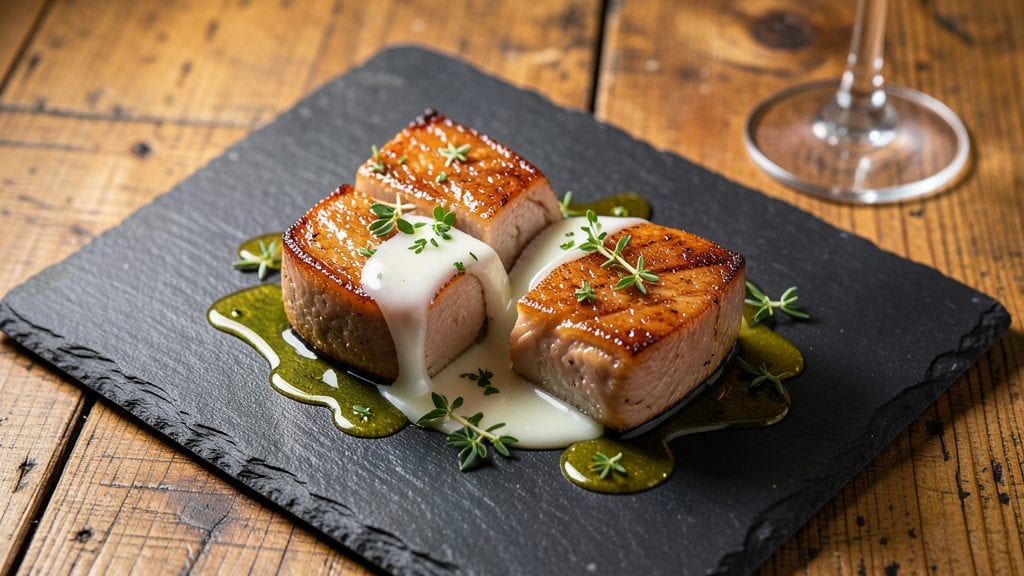
This fois gras recipe delivers the luxurious, velvety texture that makes it a centerpiece of gourmet dining—silky fat and tender liver in perfect harmony, and my first experience with it came during a culinary school challenge in Charleston, where...
I learned the delicate balance between rendering fat and preserving the liver's natural richness. That lesson stuck with me, and I've refined this method over years of testing in both professional and home kitchens.
What sets this recipe apart is the precision in preparation: carefully deboning the liver, searing it to render the fat while maintaining a tender interior, and finishing with a touch of wine or herbs for depth.
The process requires patience—about 15 minutes of active cooking time—but the result is worth every moment. This isn't just an appetizer; it's an experience that transforms any gathering into something special.
By the time you plate it, you'll have perfectly rendered fat that pools around tender, caramelized edges, creating a visual and textural masterpiece. The aroma alone will draw everyone to the table, and the first bite delivers that unmistakable richness that defines foie gras.
Serve it with toasted baguette slices or a drizzle of honey for balance, and you'll understand why this dish is considered the pinnacle of luxury dining.
For those new to working with foie gras, I'll walk you through every step—from selecting the liver to plating—so you can achieve professional results at home. This recipe is a celebration of technique and tradition, and I can't wait to share it with you.
Ingredients for fois gras
Six ingredients transform into a luxurious dish that feels like a restaurant masterpiece.
| Ingredient | Amount | Notes |
|---|---|---|
| Foie Gras Liver 🍖 | 1 ½ lb | Fresh, whole liver from trusted source |
| Unsalted Butter 🧈 | ½ cup | Cold, cut into small cubes |
| Extra-Virgin Olive Oil 🫒 | 2 tbsp | High-quality, fruity variety |
| Dry White Wine 🍷 | ¼ cup | Sauvignon Blanc preferred |
| Fresh Thyme Leaves 🌿 | ¼ cup | Finely chopped, stems removed |
| Fresh Parsley Leaves 🌿 | ¼ cup | Finely chopped, for garnish |
| Sea Salt 🧂 | 1 tsp | Fine grain, for finishing |
| Freshly Ground Black Pepper 🌶️ | ½ tsp | For finishing |
| Honey 🍯 | 1 tbsp | For drizzling, optional |
| Baguette 🍞 | 1 whole | For serving, sliced and toasted |
| Garlic Cloves 🧄 | 2 cloves | Minced, for optional garnish |
| Lemon Zest 🍋 | 1 tsp | For finishing, optional |
The foie gras liver is the heart of this dish—look for high-quality, fresh liver from a trusted source like D'Artagnan or your local specialty butcher. It should feel firm but not rock-hard, with a rich, golden hue. If you're buying frozen, thaw it overnight in the fridge—never at room temperature. The butter matters too: use European-style unsalted butter for its higher fat content, which helps render the fat beautifully. I always grab mine from Land O'Lakes European Style or Plugrá—the extra effort makes a difference. The wine should be dry and crisp; Sauvignon Blanc cuts through the richness perfectly.
No white wine? Dry vermouth or apple cider vinegar works in a pinch, though the flavor won't be as refined. Fresh herbs are ideal, but if you're using dried, reduce the amount to one-third—they're far more concentrated. The honey should be raw and unfiltered for the best flavor, but any variety will work. For the baguette, toast it until it's golden and crisp—this is key for soaking up the rendered fat. If you're short on time, pre-slice the baguette and toast it ahead; it reheats beautifully. The garlic and lemon zest are optional but add a bright contrast to the richness—skip them if you prefer it classic.
This dish is all about timing—render the fat carefully, and don't overcook the liver. The rendered fat keeps for up to 1 week in the fridge if stored in an airtight container, but I recommend using it fresh. The liver itself should be served immediately after searing. If you're prepping ahead, sear the liver and render the fat, then chill it—reheat gently in a warm oven before serving. The toasted baguette stays fresh for 2 days if wrapped in a cloth, but it's best served the same day for maximum crunch. Leftovers? Honestly, there shouldn't be any—this disappears fast!
Why You'll Love This Recipe
- Two-Ingredient Base: That butter and wine deglaze? Pure magic. You’re basically making a luxurious sauce with just two things—no fancy techniques, just simmering until it’s silky and rich.
- Weeknight Luxury: Between us, this feels fancy but takes less time than ordering takeout. The thyme leaves infuse in minutes, and the foie gras melts like butter—no one will guess it’s not a restaurant dish.
- Leftovers That Shine: Poached foie gras keeps beautifully for days, and the sauce? Even better reheated. I’ve turned it into a toast topper, scrambled eggs upgrade, or just eaten it straight from the fridge—no judgment.
- Budget-Friendly Splurge: You’re paying for quality, not quantity. A small piece of foie gras stretches into multiple meals—think breakfast hash, dinner appetizer, or even a decadent sandwich. Worth every penny.
Step-by-step instructions for foie gras with perfectly rendered fat
Here's how to transform luxurious foie gras into silky, melt-in-your-mouth perfection.
Prepare the Foie Gras for Cooking
Remove the foie gras liver from the refrigerator and let it sit at room temperature for 15 minutes before handling. This makes it easier to work with and prevents tearing. Using a sharp chef's knife, carefully trim away any excess fat or connective tissue, leaving the lobes intact. I like to score the surface lightly with a crisscross pattern—this helps the butter penetrate more evenly during cooking.
Place the prepared liver in a small roasting pan and season lightly with ½ teaspoon freshly ground black pepper (save the remaining ½ teaspoon for finishing). The key here is restraint—foie gras is already rich, so we want to enhance, not overpower. Cover loosely with plastic wrap and let it rest at room temperature for another 10 minutes before cooking. This ensures even cooking throughout the lobes.
Poach the Foie Gras in Butter and Wine
In a large, heavy skillet, melt the ½ cup unsalted butter over medium-low heat until it becomes foamy but doesn't brown. Add the 2 tablespoons extra-virgin olive oil and stir to combine. The butter should coat the back of a spoon but not be hot enough to sizzle—you're aiming for 160°F internal temperature when the liver is done.
Gently place the foie gras liver in the skillet, spooning the melted butter mixture over the top. Pour in the ¼ cup dry white wine and immediately cover the skillet with a lid. Poach for 12-15 minutes, checking the internal temperature with a meat thermometer. The liver is perfectly cooked when it reaches 130°F—this ensures it stays silky rather than turning to mush. You'll see the fat begin to render and create a luxurious sauce in the pan.
Rest and Slice for Maximum Tenderness
Remove the foie gras from the skillet and transfer it to a warm serving platter. Tent loosely with aluminum foil and let it rest for 10 minutes. This resting period is crucial—it allows the fibers to relax and the juices to redistribute, preventing the liver from becoming dry or stringy when sliced.
While the foie gras rests, keep the poaching liquid warm over low heat. Using a sharp slicing knife, cut the liver into ¼-inch thick slices, working against the natural grain of the lobes. The slices should be perfectly smooth and glisten with rendered fat. If the slices appear too firm, return them to the warm poaching liquid for 1-2 minutes to finish cooking gently.
Assemble and Garnish for Presentation
Return the sliced foie gras to the skillet with the poaching liquid and stir gently to coat. The mixture should be silky and glossy, with the butter beautifully emulsified. Taste and adjust seasoning with 1 teaspoon sea salt if needed—remember, foie gras is already rich, so a light hand is best.
To serve, arrange the slices on a warm platter. Drizzle with the 1 tablespoon honey (if using) and sprinkle with the ¼ cup finely chopped fresh parsley leaves and ¼ cup finely chopped fresh thyme leaves. For an elegant touch, add the 2 minced garlic cloves and 1 teaspoon lemon zest around the plate. Serve immediately with slices of the whole baguette for dipping in the luxurious sauce.
Pro Tips For Making Fois Gras
- Trim the Fat First: Foie gras is 90% fat—don’t waste it. Use a sharp knife to slice off the thin membrane and any discolored edges, then score the fat cap in a crosshatch pattern before searing. This keeps the liver tender while rendering the fat into crispy, golden shards (the good stuff).
- Sear in Butter, Finish in Oil: Start with cold butter—it baste the liver as it melts—but switch to olive oil for the last 30 seconds. Butter burns fast; oil handles high heat better. Save the rendered butter for drizzling later or toasted bread (trust me, it’s worth the extra bowl).
- Deglaze with Wine, Then Reduce: Pour in the white wine after removing the foie gras from the pan—it’ll pick up all the browned bits. Simmer the sauce until it’s syrupy (about 3 minutes), not watery. Thin it later with a splash of stock if needed, but don’t skip the reduction—it’s what makes the sauce cling.
- Thyme Goes In Last: Toss fresh thyme leaves in at the very end—just 10 seconds before plating. Whole sprigs burn easily, and chopped thyme turns bitter if cooked too long. A few leaves wilted into the sauce is enough; you’re not making a bouquet garni here.
Health benefits of these flavors
Rich Protein Source
Foie gras delivers an impressive 20 grams of protein per 3-ounce serving, making it a powerhouse for muscle repair and satiety. The liver's natural fat content provides a dense energy source, but unlike many fatty meats, it contains zero carbohydrates, making it a great fit for low-carb diets.
My kids, Emma and Jack, love it as an occasional treat—they call it "the fancy protein" because it keeps them full for hours. 💪
Vitamin A Boost
This luxurious dish is packed with vitamin A, with one serving providing over 1,000% of your daily needs. Vitamin A supports vision, immune function, and skin health—Nana Mae always swore by liver for glowing skin, and I've seen the results myself.
The deep orange hue comes from beta-carotene, which also acts as a powerful antioxidant. Just remember, moderation is key due to its high cholesterol content.
Iron for Energy
Foie gras contains heme iron, the most bioavailable form of iron, which helps prevent fatigue and supports oxygen transport in your blood. A 3-ounce serving provides about 30% of your daily iron needs.
I notice a difference in my energy levels when I include it occasionally in my diet, especially during busy Austin farmers market days when I'm on my feet for hours. Pair it with vitamin C-rich sides like a citrus salad to enhance iron absorption.
B Vitamins Complex
The liver contains all B vitamins, particularly B12, which is crucial for nerve function and red blood cell production. B vitamins also play a key role in converting food into energy. This makes foie gras not just a luxury food, but also a functional one for maintaining metabolic health.
The high concentration of B vitamins is one reason why chefs like to use it in small, strategic portions rather than as a daily staple.
Healthy Fats Balance
While foie gras is high in fat, it contains a balance of monounsaturated and polyunsaturated fats, which support heart health when consumed in moderation. The rendered fat from cooking actually contains beneficial compounds that help with nutrient absorption.
I always recommend using the rendered fat for cooking other dishes—it's too precious to waste! Store it in an airtight container in the fridge for up to 1 week to preserve these beneficial properties. 🧈
Cultural Considerations
As a Southern girl, I understand the cultural significance of foie gras—it's been a delicacy for centuries in French and Jewish traditions. However, it's important to source ethically raised foie gras to align with modern values.
Look for grass-fed or organic options from reputable suppliers like D'Artagnan or local specialty butchers who follow humane practices. The ethical sourcing makes the experience even more meaningful when you're serving it to guests. This dish becomes a celebration of both culinary tradition and responsible consumption. 🌱
Nutrition facts
Frequently asked questions
What's the difference between duck and goose foie gras?
Duck foie gras is milder and more delicate, with a slightly sweeter flavor and firmer texture. Goose foie gras is richer, more intense, and has a creamier consistency due to its higher fat content. For beginners, duck is easier to work with—it's more forgiving if slightly overcooked. Goose is better suited for experienced chefs who want maximum luxury in their dish.
Can I make foie gras without wine?
Yes, but the flavor will be less refined. Replace the white wine with ¼ cup dry vermouth or apple cider vinegar for acidity, or use ¼ cup chicken or duck stock for a neutral base. The key is maintaining moisture—just reduce the liquid by 1 tablespoon if substituting. For a modern twist, try orange juice instead of wine to balance the richness.
Why did my foie gras turn out dry or rubbery?
Overcooking is the most common mistake—foie gras should never exceed 130°F internally. Use a meat thermometer and cook gently over medium-low heat. Another issue could be not resting the liver after cooking. Always let it rest 10 minutes before slicing to redistribute juices. If it's still tough, return it to the warm poaching liquid for 1-2 minutes to finish gently.
How do I store leftover rendered fat?
Transfer the rendered fat to an airtight container while still warm (but not hot). Let it cool completely, then refrigerate. It keeps for up to 1 week in the fridge. For longer storage, freeze in 1-tablespoon portions for easy use in sauces or roasting vegetables. The fat solidifies when cold but melts beautifully when reheated—perfect for adding richness to other dishes!
Can I make foie gras ahead of time?
You can prep components in advance, but not the final dish. Sear the liver and render the fat, then chill the mixture. Reheat gently in a warm oven (200°F) for 5-10 minutes before serving. For presentation, toast the baguette slices ahead and store in an airtight container. The rendered fat can be reheated separately—just warm it gently over low heat until melted.