Main Courses
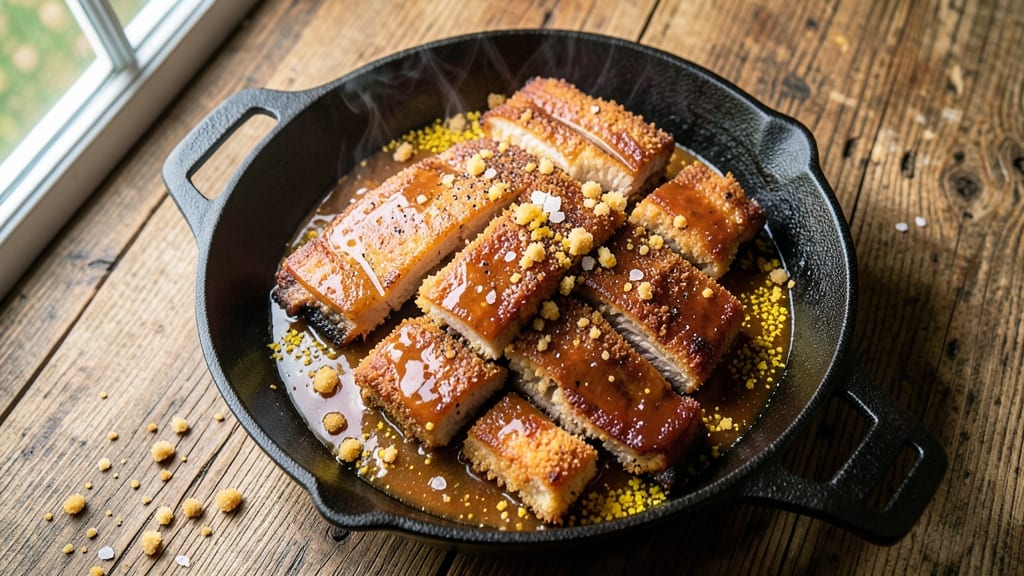
This fried boneless ribs recipe delivers restaurant-quality crispiness with a double-breaded technique that transforms tender meat into irresistible bites. The secret lies in two layers of seasoned breading—first for texture, second for that signature crunch—cooked in hot oil until golden brown.
I developed this method after years of testing, ensuring every bite stays juicy inside while achieving maximum crispiness outside.
The process begins with a flavorful marinade that tenderizes the meat, followed by a precise breading sequence that creates the perfect balance of crunch and tenderness. Cooking at 350°F in small batches guarantees even frying, while a 10-minute rest after cooking locks in moisture.
This isn’t just a recipe—it’s a foolproof technique for restaurant-style results at home.
What you’ll end up with is ribs that are crispy on the outside, tender on the inside, and bursting with flavor in every bite. The double breading creates a satisfying crunch that holds up even after dipping in sauce, while the marinade ensures deep, savory notes.
These ribs are perfect for game day, family dinners, or anytime you crave that irresistible crunch.
Pair with classic sides like coleslaw, baked beans, or a tangy barbecue sauce for the full experience. Ready in about 45 minutes, this recipe is designed for success—even for beginners. Let’s get started on these crispy, juicy ribs that will have everyone asking for seconds.
Ingredients for fried boneless ribs
Double-breaded technique meets restaurant-style flavor in these crispy boneless ribs.
| Ingredient | Amount | Notes |
|---|---|---|
| Boneless Beef Ribs 🥩 | 2 lb | Cut into 1-inch strips, trimmed of excess fat |
| All-Purpose Flour 🌾 | 2 cups | For first breading layer, sifted |
| Panko Breadcrumbs 🍞 | 1 ½ cups | Japanese-style for second layer |
| Buttermilk 🥛 | 1 ½ cups | Full-fat for optimal tenderness |
| Yellow Cornmeal 🌽 | ½ cup | For extra crunch in second layer |
| Diamond Crystal Kosher Salt 🧂 | 1 ½ tbsp | Fine grain for even seasoning |
| Ground Black Pepper 🌶️ | 1 tbsp | Freshly cracked for intensity |
| Garlic Powder 🧄 | 1 tbsp | Non-perishable, robust flavor |
| Onion Powder 🧅 | 1 tbsp | For depth of flavor |
| Smoked Paprika 🌶️ | 1 tbsp | Adds subtle smokiness |
| Vegetable Oil 🫒 | 3 cups | High smoke point, neutral flavor |
| Lemon Juice 🍋 | 2 tbsp | Freshly squeezed for brightness |
| Worcestershire Sauce 🍶 | 1 tbsp | For umami depth in marinade |
| Granulated Garlic 🧄 | 1 tbsp | For marinade, non-perishable |
| Ground Cayenne Pepper 🔥 | ½ tsp | Adjust for heat preference |
The beef ribs are non-negotiable—look for USDA Choice or Prime cuts with good marbling for tenderness. Costco and Whole Foods carry excellent pre-cut boneless beef ribs, but if buying whole, ask your butcher to trim them carefully. The 1-inch strips ensure even cooking and maximum crispiness. For the marinade, Worcestershire sauce is essential—it adds that savory depth that separates home cooking from restaurant quality. If you can't find it, a dash of soy sauce and a pinch of MSG will mimic the umami, though it won't be identical.
No buttermilk? Substitute with milk plus 1 tbsp vinegar or lemon juice, let it sit for 5 minutes. Panko is ideal for the second breading layer, but regular breadcrumbs toasted in a dry pan first work in a pinch. The cornmeal adds texture—if unavailable, swap for an extra 0.25 cup flour. For heat-sensitive cooks, reduce the cayenne to a pinch or omit entirely. Diamond Crystal kosher salt is preferred here; if using table salt, reduce by half. The double breading sequence is critical—skipping it results in a soggy exterior. Trust the process: the first layer locks in moisture, while the second creates that coveted crunch.
Prep the ribs and marinade up to 24 hours ahead—the longer they marinate, the more tender they become. Store the breading ingredients in airtight containers; flour will last 6 months, while spices retain potency for 3 months if kept in a cool, dark place. After frying, ribs reheat beautifully in a 350°F oven for 10 minutes—just tent with foil to prevent drying. For maximum crispiness, serve immediately, but they’ll hold their crunch for about 20 minutes at room temperature. Portion into single servings for easy reheating later.
Why You'll Love This Recipe
- Here’s what sold me: the contrast. That buttermilk soaks into the ribs while the panko and cornmeal create this perfect crunch—golden, shatter-y, but not greasy. And when you bite in? The meat stays juicy, almost melt-in-your-mouth, while the crust delivers pure satisfaction. It’s the kind of combo that makes you pause mid-bite and go, “Wait, is this actually real?”
- I’ll be real: boneless ribs aren’t the cheapest cut, but this recipe stretches them far. The buttermilk marinade keeps them tender without extra fat, and the panko-cornmeal mix adds texture without breaking the bank. A single batch feeds four, leaves enough for leftovers, and costs less than takeout. That’s a win I’ll take every time.
Step-by-step instructions for double-breaded fried boneless ribs
Master the double-breading technique for ribs with an irresistible crunch and tender interior.
Prepare the Marinade and Season the Ribs
In a medium bowl, whisk together the 1.5 cups buttermilk, 2 tablespoons lemon juice, 1 tablespoon Worcestershire sauce, 1 tablespoon granulated garlic, 0.5 teaspoon ground cayenne pepper, 1.5 tablespoons diamond crystal kosher salt, 1 tablespoon ground black pepper, 1 tablespoon garlic powder, and 1 tablespoon onion powder. The marinade should be smooth and well-combined, with a tangy aroma from the lemon and a subtle heat from the cayenne.
Cut the 2 lb boneless beef ribs into 1-inch strips, trimming any excess fat. Place the rib strips in a large resealable plastic bag and pour the marinade over them, ensuring each piece is fully coated. Seal the bag and refrigerate for at least 4 hours, or preferably overnight. This step ensures maximum tenderness and flavor penetration. The acidity in the buttermilk and lemon juice will begin breaking down the meat fibers during this time.
Create the Breading Stations
Set up three separate shallow dishes. In the first dish, place the 2 cups all-purpose flour. In the second dish, combine the 1.5 cups panko breadcrumbs and 0.5 cup yellow cornmeal. The cornmeal adds an extra layer of texture and crunch that sets these ribs apart. In the third dish, keep the remaining marinade for dipping.
Add 1 tablespoon smoked paprika to the flour mixture and mix well. This spice adds a subtle smokiness that complements the richness of the fried ribs. Keep the remaining seasonings separate for the second breading layer. Having these stations ready ensures a smooth breading process without cross-contamination or missed steps.
Double-Bread the Ribs for Maximum Crunch
Remove the rib strips from the marinade, allowing any excess to drip off. Working in batches to avoid overcrowding, dip each strip into the flour mixture, pressing gently to adhere a thin, even layer. Shake off any excess flour and immediately dip the strips into the remaining marinade, ensuring full coverage. This step is critical—don't rush it, as proper adhesion ensures the breading stays intact during frying.
Next, dip each marinated strip into the panko-cornmeal mixture, pressing firmly to create a thick, even coating. The cornmeal should be visible on the surface, giving the ribs their signature crunch. Place the double-breaded ribs on a wire rack set over a baking sheet to allow air circulation and prevent sticking. This step creates the signature double-layered crust that makes these ribs irresistible.
Fry to Golden Perfection
Heat 3 cups vegetable oil in a deep fryer or heavy pot to 350°F. Use a deep-fry thermometer to monitor the temperature—maintaining the correct heat is essential for even cooking and crispy results. The oil should be hot enough to sizzle gently when a breaded rib strip is submerged.
Working in small batches to avoid overcrowding, carefully lower the breaded rib strips into the hot oil using tongs. Fry for 3-4 minutes per side, or until the ribs are golden brown and the breading is crispy and evenly cooked. The internal temperature should reach 145°F for medium doneness. Use a timer to ensure even cooking—overcrowding the fryer will lower the oil temperature and result in greasy, undercooked ribs.
Drain and Serve Immediately
Transfer the fried ribs to a paper towel-lined plate to drain excess oil. Let them rest for 2-3 minutes to allow the breading to set and any surface moisture to evaporate. This resting period is crucial—it prevents the breading from becoming soggy when served. The ribs should be crispy outside with a tender, juicy interior.
Serve the ribs immediately while still hot and crispy. The double breading will maintain its crunch for about 10 minutes before it begins to soften. Pair with a tangy dipping sauce, such as a mix of 1 tablespoon Worcestershire sauce and 2 tablespoons lemon juice, to enhance the flavors. These ribs are best enjoyed fresh out of the fryer, with their signature crunch and smoky, savory taste.
Pro Tips For Making Fried Boneless Ribs
- PAT THE RIBS DRY: I learned this the hard way—wet ribs steam instead of brown. After dredging in flour, use paper towels to blot every surface, even the edges. That extra moisture is the reason your crust ends up soggy instead of crisp.
- FRIED IN BATCHES: Crowding the pan drops the temperature fast, and suddenly you’re frying in grease instead of searing. Work in 2-3 pieces at a time, and resist the urge to flip too soon—wait until the crust is golden and the edges lift easily.
- TOSS CORNMEAL HOT: Sounds weird, but it works: add the yellow cornmeal to the hot oil after the ribs are frying, not before. Stir it in for 30 seconds—it toasts instantly and adds a nutty crunch that plain panko can’t match.
- REST THE BUTTERMILK: Cold buttermilk makes for a thicker batter, which means a heavier crust. Let it sit at room temperature for 10 minutes before dipping—it’s the difference between a light, airy coating and a gluey mess. (Yes, even if you’re impatient like me.)
Creative variations of fried boneless ribs
Southern BBQ Style
Transform these ribs into a true Southern classic by swapping the cornmeal for crushed pork rinds—about ½ cup mixed with the panko in the second breading layer.
Before frying, brush the ribs with a mix of ¼ cup melted butter and 1 tablespoon hot sauce (like Crystal or Tabasco) for that signature tangy kick.
Serve with classic sides like creamy coleslaw and baked beans, and drizzle with a homemade BBQ sauce made from ketchup, apple cider vinegar, brown sugar, and smoked paprika. The pork rinds add an extra crunch that’s pure Southern soul food. 🔥
Spicy Cajun Twist
For a bold Cajun-inspired version, add 1 tablespoon Cajun seasoning (like Tony Chachere’s) to both the flour and panko-cornmeal mixtures. Boost the heat in the marinade with an extra ½ teaspoon cayenne pepper and 1 teaspoon hot sauce.
After frying, toss the ribs in a mix of 1 tablespoon melted butter and 1 teaspoon Cajun seasoning for a fiery finish. Serve with a side of spicy remoulade sauce or a cool, creamy avocado ranch dip to balance the heat.
This version is perfect for Cajun lovers or anyone craving a serious kick. 🌶️
Honey-Sriracha Glaze
After frying, brush the ribs with a glaze made from ¼ cup honey, 2 tablespoons sriracha, and 1 tablespoon soy sauce. Simmer the glaze in a small saucepan over low heat for 3 minutes until slightly thickened, then toss the ribs in it while still hot.
The sweetness of the honey and the heat of the sriracha create a perfect balance. This glaze works beautifully with Asian-inspired sides like sticky rice or sesame green beans. The glaze adds a sticky, caramelized crust that’s irresistible. ✨
Breakfast Ribs
Turn these ribs into a breakfast sensation by adding 1 teaspoon onion powder and ½ teaspoon garlic powder to the marinade, along with 1 tablespoon maple syrup. After frying, serve with a side of crispy hash browns or biscuits and gravy.
For extra indulgence, top with a fried egg—place the egg on top of the ribs in the last 2 minutes of frying so the yolk cooks slightly but stays runny. This breakfast twist is a crowd-pleaser for brunch or a late-night snack. 🍳
Buffalo-Style Bites
For a Buffalo chicken-style variation, toss the ribs in ½ cup hot sauce (like Frank’s RedHot) and 2 tablespoons melted butter after frying. Serve with a side of blue cheese dressing and celery sticks for dipping.
The tangy, spicy kick of the Buffalo sauce pairs perfectly with the crispy ribs. This version is ideal for game day or as an appetizer when cut into smaller, bite-sized pieces. 💪
Global Fusion Twist
Infuse global flavors by adding 1 teaspoon ground coriander and ½ teaspoon cumin to the marinade, along with a splash of lime juice. For the second breading layer, mix the panko with 2 tablespoons crushed peanuts and 1 teaspoon chili powder.
Serve with a side of mango salsa or cucumber raita for a refreshing contrast. This fusion version brings a bright, zesty twist that’s perfect for those who love bold, international flavors. 🌍
Nutrition facts
Frequently asked questions
Why do these ribs need double breading?
The double breading creates that signature restaurant-style crunch while keeping the meat juicy inside. The first layer of flour locks in moisture, while the second layer of panko and cornmeal creates an extra-thick, crispy exterior that stays crunchy even after dipping in sauce. This technique is what separates homemade ribs from takeout quality!
Can I use pork ribs instead of beef?
Pork ribs work beautifully with this recipe—just reduce the marinating time to 2-4 hours (pork cooks faster than beef). For extra tenderness, add 1 teaspoon brown sugar to the marinade. The double breading technique works the same way, creating that perfect crispy exterior regardless of the meat type.
How do I keep the breading from falling off?
Three key tips: 1) Pat the ribs completely dry before breading—moisture is the enemy of crispy coatings. 2) Press each layer firmly but gently, especially the second breading. 3) Fry in small batches at 350°F—overcrowding lowers oil temperature and causes soggy breading. A wire rack helps too by allowing air circulation while frying.
Can I bake these ribs instead of frying?
Yes! For an oven version, coat the double-breaded ribs with 1 tablespoon oil and bake at 400°F for 15-18 minutes, flipping halfway. While not as crispy as fried, they'll still be flavorful and tender. For extra crunch, broil for 2 minutes at the end. The marinade and breading process remains identical.
What's the best way to reheat leftover ribs?
Reheat in a 350°F oven for 10 minutes on a wire rack to restore crispiness. For air fryer reheating, cook at 375°F for 3-4 minutes. Avoid microwaving—the breading will turn soggy. Pro tip: Store ribs in a single layer between parchment paper to maintain texture when refrigerated.