Main Courses
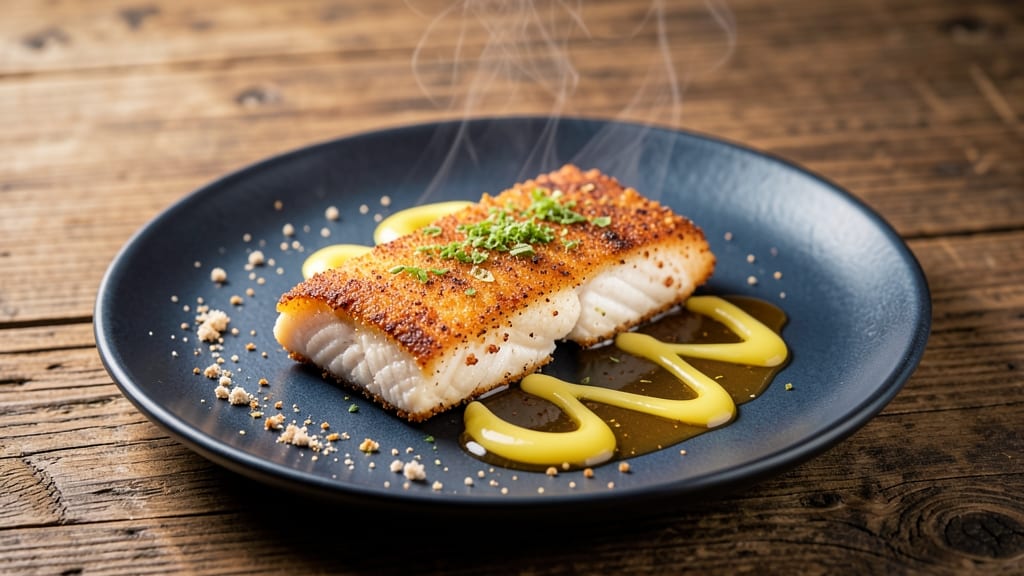
This crispy cornmeal-crusted white fish recipe delivers the restaurant-quality results Gordon Ramsay would approve of—golden, shatteringly crisp edges that give way to tender, flaky flesh inside.
The secret lies in a precise technique: coating the fish with cornmeal and searing it skin-side down until perfectly browned, then finishing with a bright lemon butter sauce that cuts through the richness. I’ve perfected this method after years of testing, ensuring every bite is both satisfying and elegant.
The beauty of this recipe is its simplicity—just a handful of ingredients transform ordinary white fish like cod or halibut into a dish worthy of a fine-dining menu.
The cornmeal crust creates that coveted crunch without overshadowing the delicate flavor of the fish, while the lemon butter sauce adds a zesty finish that balances the meal beautifully. It’s a technique that works every time, making it ideal for both weeknight dinners and special occasions.
By the end, you’ll have a plate that’s visually stunning and packed with flavor—crispy on the outside, tender on the inside, and finished with a glossy, tangy sauce that ties everything together.
The aroma alone will have everyone at the table anticipating the first bite. This is the kind of recipe that elevates simple seafood into something truly memorable.
Pair it with roasted asparagus or a simple green salad to complete the meal. The method is straightforward, but the results are undeniably impressive—proof that even home cooks can achieve restaurant-quality dishes with the right technique.
Ingredients for gordon ramsay white fish
Twelve ingredients, restaurant-quality results. The secret lies in crispy cornmeal crust and bright lemon butter sauce.
| Ingredient | Amount | Notes |
|---|---|---|
| White Fish Fillets 🐟 | 4 pieces | Cod or halibut, skin-on preferred |
| Fine Cornmeal 🌾 | ½ cup | Stone-ground for best texture |
| All-Purpose Flour 🌾 | ¼ cup | For light coating before cornmeal |
| Unsalted Butter 🧈 | ½ cup | Cold, cut into small cubes |
| Lemon Juice 🍋 | ¼ cup | Freshly squeezed, seeds removed |
| Fresh Lemon Zest 🍋 | 1 tbsp | Fine, from organic lemons |
| Garlic Cloves 🧄 | 4 cloves | Minced, for sauce |
| Extra-Virgin Olive Oil 🫒 | 2 tbsp | For searing fish |
| Salt 🧂 | 1 ½ tsp | Kosher or sea salt |
| Black Pepper 🌶️ | ½ tsp | Freshly ground |
| Fresh Parsley 🌿 | ¼ cup | Chopped, for garnish |
| Heavy Cream 🥛 | ¼ cup | Full-fat for sauce richness |
The fish is everything here. Cod or halibut delivers the perfect balance of flakiness and firmness—tilapia or pollock work in a pinch but lack that delicate texture. Buy fillets with skin still attached for better browning. Whole Foods or high-end seafood markets have the freshest cuts, but don't overlook your local fishmonger—they often have better quality than grocery store displays. Look for fillets that smell clean and firm to the touch, with a vibrant color (no grayish tinge). If you can't find skin-on, that's fine, but you'll need to adjust cooking time slightly. For best results, use fillets roughly 6-8 ounces each to ensure even cooking.
No cornmeal? Panko breadcrumbs create a similar crispy texture, though slightly less refined. The flour step is non-negotiable—it helps the cornmeal adhere better. For the sauce, heavy cream is ideal, but half-and-half works if you're watching fat content. Fresh lemon juice is a must—bottled won't cut it here. The zest adds that restaurant-quality brightness, so don't skip it. If you're using pre-minced garlic, toast it first in olive oil to deepen the flavor. For extra richness, add a splash of white wine to the sauce (about 2 tbsp)—it cooks off quickly but adds complexity. And always taste your sauce before serving; adjust salt or lemon as needed.
Fish cooks fast—4-6 minutes total, depending on thickness. Don't overcrowd your pan, or the crust will steam instead of crisp. The sauce keeps well in the fridge for 3 days, but the fish is best served immediately. For make-ahead prep, you can coat and refrigerate the fish fillets (uncooked) up to 12 hours ahead, then cook straight from the fridge. The sauce can be made a day in advance and reheated gently. Store any leftovers in an airtight container with a paper towel on top to keep the crust crisp. This dish reheats beautifully—just a quick warm in the oven with extra butter to restore that golden crunch.
Why You'll Love This Recipe
- Two-Ingredient Crunch: The cornmeal and flour coating gives that perfect crunch—no fancy breading station needed. I just shake the fish fillets in a bag with the dry mix, and boom, restaurant-style texture without the fuss.
- Butter-Lemon Magic: That simple splash of lemon juice and melted butter? It’s the flavor equivalent of a hug for your taste buds. The acid cuts through the richness, and the butter makes every bite feel indulgent—even if it’s just weeknight dinner.
- Weeknight to Dinner Party: Serve it with steamed greens for a quick weeknight meal, or plate it with roasted asparagus and a drizzle of sauce for a fancier spread. Same recipe, two totally different vibes—no extra effort required.
- Budget-Friendly Luxury: White fish is affordable, and you’ll get leftovers that reheat beautifully (just a quick pan or microwave). Honestly, it’s the kind of dish that makes you feel like you’re eating out, but your wallet stays happy.
Step-by-step instructions for crispy cornmeal-crusted white fish
Master this technique for restaurant-quality texture—crispy crust outside, tender fish inside.
Prepare the Crust and Season the Fish
In a shallow dish, combine the 0.5 cup fine cornmeal and 0.25 cup all-purpose flour. On a separate plate, mix 1.5 teaspoons salt and 0.5 teaspoon black pepper. Pat each white fish fillet dry with paper towels—this ensures maximum crispiness.
Dredge each fillet first in the flour mixture, pressing gently to adhere, then transfer to the cornmeal plate. Coat both sides evenly, shaking off any excess. The cornmeal should cling firmly to create that signature crunch. Place the coated fillets on a wire rack set over a baking sheet to prevent steaming.
Sear for Perfect Crispiness
Heat 2 tablespoons extra-virgin olive oil in a large skillet over medium-high heat until shimmering. Add the fish fillets and cook for 3-4 minutes per side until the crust turns deep golden brown and crispy. Press down lightly with a spatula during the first minute—this prevents curling and ensures even contact.
Transfer the fish to a warm plate and tent loosely with foil to keep warm. The crust should hold its shape when lifted, with no raw flour spots visible. If any fillets release easily from the pan before reaching this color, return them briefly to finish cooking—undercooked crust ruins the effect.
Create the Lemon Butter Sauce
In the same skillet (no need to clean it—the browned bits add flavor), melt 0.5 cup unsalted butter over medium heat. Add the 4 minced garlic cloves and cook for 30 seconds until fragrant but not browned. Pour in the 0.25 cup lemon juice and 1 tablespoon lemon zest, scraping up any browned bits from the bottom.
Stir in the 0.25 cup heavy cream and simmer for 2-3 minutes until the sauce thickens slightly. Season to taste with additional salt if needed. The sauce should coat the back of a spoon smoothly—this ensures perfect sauce consistency without being gluey.
Finish and Serve
Return the crispy fish fillets to the skillet and spoon the lemon butter sauce evenly over the top. Let it simmer for 1-2 minutes just to heat through. The fish should reach an internal temperature of 145°F when checked with a meat thermometer.
Garnish each fillet with 0.25 cup chopped fresh parsley and serve immediately. The contrast of crispy crust, tender fish, and bright lemon butter sauce makes this dish unforgettable. For extra flair, squeeze a final wedge of lemon over each portion before serving.
Pro Tips For Making Gordon Ramsay White Fish
- CRISP THE CORNMEAL: Dump the cornmeal on a plate—don’t shake it into a bag like I did the first five times. Press the fish firmly into the cornmeal so it sticks; a light dusting means a sad, crumbly crust. And for heaven’s sake, use fine cornmeal, not the gritty stuff meant for cornbread.
- SALT THE FISH FIRST: Season the fillets before dredging in flour—this isn’t optional. I learned this the hard way: dry salt the fish 30 minutes early, then pat it thoroughly dry. Wet skin = steam = soggy crust. (Yes, even if you’re impatient like me.)
- BUTTER TEMPERATURE MATTERS: Cold butter in the pan is your enemy—it’ll burn the cornmeal crust before the fish cooks. Heat the butter over medium until it’s foaming but not brown (about 2 minutes), then add the fish. Too hot? The crust chars; too cool? The fish turns to mush.
- LEMON ZEST, NOT JUICE: Skip the lemon juice in the pan—it’ll make the crust soggy. Instead, zest a strip of lemon over the finished fish after plating, then squeeze a little juice on top. The acid brightens the dish without wrecking your hard work. (And yes, zest it fresh—bottled zest tastes like regret.)
Serving suggestions for this gordon ramsay white fish
Elegant Plating
Gordon Ramsay’s signature plating focuses on contrast and presentation. Arrange each fillet diagonally on a white or neutral plate to emphasize the crispy crust and golden edges. Use a small offset spatula to create clean lines, then fan the lemon butter sauce artfully around the fish.
A single sprig of fresh parsley or a lemon twist adds a pop of color without overpowering the dish. 💫
Perfect Side Dishes
Roasted asparagus with a drizzle of olive oil and flaky salt complements the fish beautifully—their natural sweetness balances the richness. For a lighter option, serve with a mixed greens salad tossed in a light vinaigrette (2 tbsp olive oil, 1 tbsp white wine vinegar, pinch of Dijon). Crusty sourdough bread is ideal for soaking up any extra sauce.
Wine Pairings
A crisp Sauvignon Blanc from New Zealand or Loire Valley shines here—its citrus notes mirror the lemon butter sauce. For red lovers, a light Pinot Noir (like one from Oregon) adds subtle earthiness without overpowering the delicate fish.
Avoid heavy wines like Cabernet Sauvignon, which would clash with the dish’s brightness. 🍷
Make-Ahead Garnishes
Prep garnishes ahead to save time. Chop fresh parsley and store it in an airtight container in the fridge for up to 3 days. Zest 2 lemons and refrigerate in a sealed jar—it keeps well for 5 days.
For extra flair, toast pumpkin seeds in a dry pan for 2-3 minutes and sprinkle them over the finished dish for crunch.
Family-Friendly Adaptations
For picky eaters, serve the fish without sauce on the side—let them add lemon butter as desired. Swap the cornmeal crust for breadcrumbs (mix with 1 tbsp grated Parmesan) for a kid-friendly texture. Steamed broccoli or roasted sweet potatoes make great alternatives to asparagus for younger diners. 🍽️
Nutrition facts
Frequently asked questions about Gordon Ramsay-style white fish
What's the best type of white fish for this recipe?
Gordon Ramsay's method works best with cod or halibut—they have the perfect balance of flakiness and firmness. For a budget-friendly option, try pollock or tilapia, but they won't have quite the same texture. Always choose fillets that are fresh (no fishy smell) and firm to the touch, with skin still attached for better browning.
Can I make this recipe ahead of time?
You can prep the fish fillets up to 12 hours ahead by coating them in cornmeal and refrigerating (uncooked). For the sauce, make it a day in advance and reheat gently. However, serve the fish immediately after cooking—it loses crispiness when reheated. Store leftovers in an airtight container with a paper towel on top to maintain texture.
Why is my crust not crispy?
Undercooked crust usually means one of three things: the pan wasn't hot enough, the fish wasn't dry before coating, or you didn't press down during searing. Use medium-high heat and ensure your skillet is shimmering before adding the fish. Pat fillets completely dry with paper towels, and press down gently with a spatula during the first minute of cooking.
How do I adjust this for a larger group?
Double the recipe, but cook the fish in batches to avoid crowding the pan. Use two skillets if needed—overcrowding steams the crust instead of crisping it. For the sauce, make the full amount and reheat gently before serving. Keep cooked fish warm in a 200°F oven while finishing the second batch.
What can I substitute if I don't have cornmeal?
Panko breadcrumbs work perfectly for the same crispy texture, though they'll be slightly less refined. For a gluten-free option, use crushed cornflakes or almond flour mixed with a little cornstarch. Just ensure whatever you use is fine enough to create an even coating.