
Soups & Stews
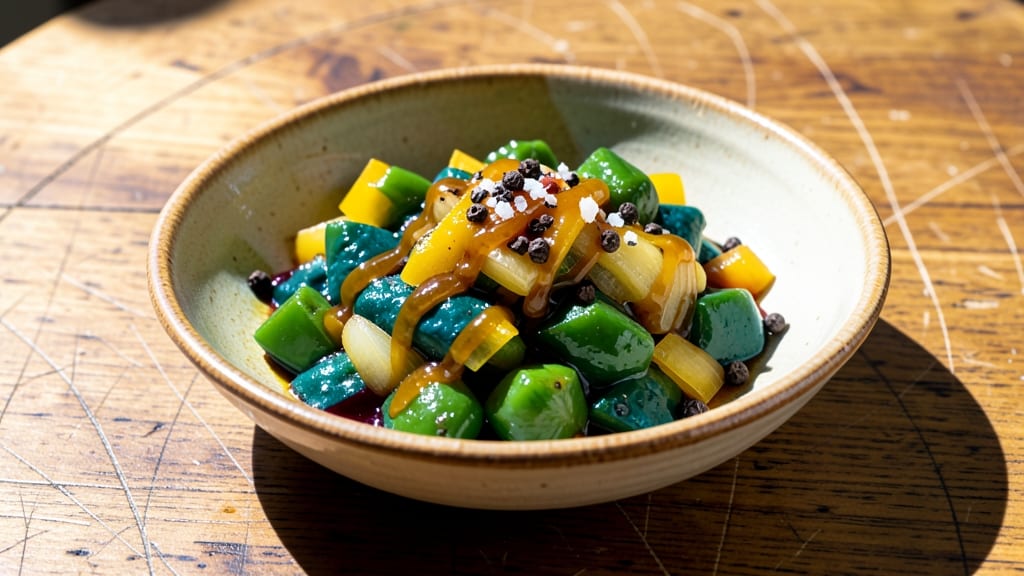
This green tomato relish recipe for fish transforms unripe tomatoes into a vibrant, tangy condiment that pairs perfectly with crispy fried or grilled fish. The bright acidity cuts through rich fish flavors while adding a fresh, garden-fresh dimension to every bite.
I developed this recipe after discovering how well green tomatoes elevated simple fish dishes at a coastal seafood shack.
The relish combines chopped green tomatoes with bell peppers, onions, and a blend of vinegar, sugar, and spices for balanced sweetness and heat.
What makes this recipe stand out is the two-stage cooking process—first simmering the vegetables to soften them, then adding vinegar and sugar to create that signature tangy-sweet balance. The fish preparation is equally straightforward, with options for pan-frying, baking, or grilling.
When served together, you get golden, crispy fish fillets with a side of relish that adds vibrant color and bright flavor to each bite. The relish's texture is slightly chunky yet spreadable, perfect for dolloping alongside fish or using as a topping for sandwiches.
This dish brings restaurant-quality results with minimal effort—ideal for weeknight dinners or weekend entertaining.
For best results, use firm white fish like cod or haddock, which hold up well to frying or baking. The relish keeps well in the refrigerator for up to two weeks, making it a versatile addition to your meal planning.
Whether you're serving fish for a special occasion or a casual family dinner, this combination delivers professional-quality results with simple techniques.
Ingredients for green tomato relish recipe for fish
Simple ingredients for a vibrant relish that transforms unripe tomatoes into a tangy, restaurant-worthy fish companion.
| Ingredient | Amount | Notes |
|---|---|---|
| Green Tomatoes 🍅 | 4 cups | Chopped into 1/2-inch pieces |
| Yellow Bell Pepper 🌶️ | 1 whole | Diced into 1/2-inch pieces |
| Yellow Onion 🧅 | 1 whole | Diced into 1/4-inch pieces |
| White Vinegar 💧 | ½ cup | White or apple cider vinegar |
| Granulated Sugar 🍚 | ¼ cup | White or light brown sugar |
| Red Wine Vinegar 🍷 | ¼ cup | For depth of flavor |
| Salt 🧂 | 1 ½ tsp | Kosher or sea salt |
| Black Peppercorns 🌶️ | ½ tsp | Freshly cracked preferred |
| Garlic Cloves 🧄 | 3 cloves | Minced for aromatic base |
| Fresh Dill 🌿 | ¼ cup | Chopped, for freshness |
| Cod Fillets 🐟 | 1 ½ lb | Skinless, boneless, firm cut |
| All-Purpose Flour 🌾 | ½ cup | For dredging fish |
| Vegetable Oil 🫒 | ½ cup | For frying fish |
| Lemon Juice 🍋 | 1 tbsp | Freshly squeezed |
The green tomatoes are the star—look for firm, bright ones with no bruising. Local farmers markets often have the freshest, but grocery store produce sections work too. The yellow bell pepper should be crisp and free of soft spots. For the vinegars, Trader Joe's carries excellent options, but any quality white and red wine vinegar will do. The cod fillets need to be firm and white—avoid any with a fishy smell or discoloration. Whole Foods or high-end seafood counters usually have the freshest cuts, but most grocery stores carry quality frozen cod that works well too.
No green tomatoes? Unripe red tomatoes work in a pinch, but the flavor will be milder. Substitute bell pepper with jalapeño or serrano for heat. Running low on fresh dill? Dried dill at one-third the amount will work, though fresh is preferred. The sugar can be swapped for honey or maple syrup for a different depth. For the fish, if cod isn't available, haddock or halibut are excellent substitutes. Just ensure the fillets are evenly thick for consistent cooking.
This relish keeps beautifully in the fridge for up to 2 weeks—the flavors actually improve over time as the acidity develops. Store it in an airtight container, and give it a stir before serving. The fish fillets should be cooked immediately after dredging for the best texture, but you can prep the relish ahead of time. For leftovers, the relish freezes well for up to 3 months. Just thaw it in the fridge overnight before using—no need to reheat.
Why You'll Love This Recipe
- No Chopping Chaos: I swear by this recipe because it’s the only relish I make that doesn’t require dicing every ingredient into oblivion. Green tomatoes stay in rough chunks—crunchy, bright, and perfect for scooping straight from the jar.
- Sweet-Tangy Magic: That vinegar-sugar balance? It’s chef’s kiss—sharp enough to cut through fried fish but sweet enough to make you want to eat it by the spoonful. The bell pepper adds just enough heat to keep things interesting.
- Fish’s Best Friend: Serve it with catfish, tilapia, or even a simple fried cod fillet, and suddenly your meal goes from “meh” to “holy moly, why didn’t I think of this sooner?” It’s my go-to for summer cookouts or lazy weeknight dinners.
- Jars of Gold: Make a big batch—it keeps for months in the fridge, and you’ll be the hero every time someone raves about your fish dinner. Plus, green tomatoes are dirt cheap this time of year, so you’re basically making flavor on the dollar.
Step-by-step instructions for green tomato relish with fish
This method delivers a perfectly balanced relish with bright acidity and sweetness that pairs beautifully with delicate cod.
Prepare and Cook the Vegetable Base
In a large, heavy-bottomed saucepan, combine the chopped green tomatoes, diced yellow bell pepper, and diced yellow onion. Cook over medium-high heat for 8-10 minutes, stirring occasionally, until the vegetables begin to soften and release their juices. The mixture should take on a slightly glossy appearance from the moisture.
Add the minced garlic cloves and cook for an additional 1-2 minutes until fragrant. This step builds the aromatic foundation of the relish. I like to press the garlic gently into the vegetables with a wooden spoon to ensure even distribution of flavor. The vegetables should be tender but still hold their shape—overcooking will turn them mushy and compromise the texture of the finished relish.
Sweeten and Acidify the Relish
Reduce the heat to medium-low and stir in the 0.5 cup white vinegar, 0.25 cup granulated sugar, and 0.25 cup red wine vinegar. Bring the mixture to a gentle simmer, then reduce heat to maintain a steady simmer for 15-20 minutes. This cooking time allows the sugars to caramelize slightly, deepening the flavor while the acids mellow out.
Taste the relish occasionally during this time. You're looking for a balance where the sweetness and acidity complement each other without overpowering. If the relish seems too sharp, add a pinch more sugar. If it lacks brightness, add a splash more vinegar. Stir frequently to prevent sticking and ensure even cooking. The mixture should thicken noticeably as it simmers.
Season and Finish the Relish
Once the relish has thickened to your desired consistency—it should coat the back of a spoon but still be loose enough to spoon—remove it from heat. Stir in the 1.5 teaspoons salt and 0.5 teaspoon cracked black peppercorns. Let the relish cool for 5 minutes to allow the flavors to meld.
Finish by folding in the 0.25 cup chopped fresh dill. The dill adds a bright, herbal note that cuts through the richness of the fish. Taste again and adjust seasoning if needed. The relish should be tangy, slightly sweet, and well-seasoned. Transfer to a clean jar and refrigerate for at least 2 hours before serving to let the flavors fully develop.
Prepare and Cook the Cod Fillets
Pat the 1.5 lb cod fillets dry with paper towels—this step is critical for achieving crispy skin. Season both sides generously with salt and pepper. In a shallow dish, combine the 0.5 cup all-purpose flour with a pinch of salt. Dredge each fillet in the flour, shaking off any excess.
Heat the 0.5 cup vegetable oil in a large skillet over medium-high heat until it shimmers but doesn't smoke. Add the cod fillets and cook for 3-4 minutes per side, or until the fish is golden brown and flakes easily with a fork. The oil should sizzle gently, and the fillets should develop a crispy crust. Avoid overcrowding the pan—cook in batches if necessary to maintain even heat.
Serve with Relish and Lemon
Transfer the cooked cod fillets to a serving platter and drizzle with 1 tablespoon freshly squeezed lemon juice. The acidity of the lemon brightens the fish and complements the relish. Spoon the chilled relish over or alongside the cod fillets. Serve immediately with crusty bread or a simple green salad to balance the rich flavors.
The relish should be vibrant and tangy, while the cod should be tender, flaky, and lightly crisped. Each bite should deliver a harmonious blend of textures and flavors—juicy fish, crispy crust, and the zesty kick of the relish. This combination makes a perfect light yet satisfying meal, especially during warmer months when green tomatoes are at their peak.
Pro Tips For Making Green Tomato Relish Recipe For Fish
- CHOP TOMATOES SMALLER THAN YOU THINK: I used to slice green tomatoes into thick chunks, thinking they’d soften enough to blend later—but they never did. For this relish, dice them into ¼-inch pieces (or pulse in a food processor if you’re impatient). That size guarantees they’ll break down into a chunky, saucy texture that clings to fish instead of sitting like overcooked dice.
- SAUTÉ ONIONS UNTIL GOLDEN, NOT BROWN: The onion’s job here is to sweeten, not caramelize. Cook it over medium-low heat until it’s translucent with just a hint of color—about 8-10 minutes. Let it get past that stage, and you’ll taste bitterness cutting through the sugar. (Yes, even if you’re eager to move on.)
- ACIDIFY THE RELISH GRADUALLY: Dump all the vinegar in at once, and you’ll end up with a harsh, tangy mess. Instead, add half the vinegar first, let the mixture simmer for 5 minutes, then add the rest. This lets the flavors meld without overwhelming the sweetness—especially crucial if you’re using a bold, sharp vinegar.
- SKIP THE PEPPER SEEDS—TRUST ME: I learned this the hard way after biting into a relish with a mouthful of pepper bite. Remove the seeds and membranes from the yellow bell pepper before dicing. The flesh is sweet enough on its own; the seeds just add unnecessary heat that fights the sugar. (Your fish will thank you.)
Troubleshooting great green tomato relish recipe for fish
Relish Too Thin?
If your relish ends up too watery after simmering, reduce the heat to low and let it cook uncovered for an additional 10-15 minutes. The moisture will evaporate, thickening the texture.
For an instant fix, stir in 1 teaspoon cornstarch mixed with 1 tablespoon water—simmer for 2-3 minutes until thickened. This trick works wonders without altering flavor. 💡
Fish Overcooking?
Cod fillets cook quickly—watch closely to avoid dryness. Remove them from the pan when the edges turn opaque and the center reaches 145°F internal temperature. Use a meat thermometer for precision.
If overcooked, the fish will flake too easily and lose its delicate texture. For extra insurance, cook for 1 minute less than your recipe suggests. 🐟
Relish Too Sharp?
An overly acidic relish happens when vinegar dominates. Balance it by adding 1-2 teaspoons honey or maple syrup and simmer for 5 minutes to integrate. Alternatively, stir in 1 tablespoon tomato paste to mellow the acidity. Taste as you go—this relish should dance between tangy and sweet, not sting. 🌶️
Fish Not Crispy?
Crispy fish starts with dry fillets and hot oil. Pat cod fillets with paper towels until completely dry before dredging. Heat oil to 350°F (use a thermometer)—if it smokes, it’s too hot.
Cook in batches to avoid crowding the pan, which lowers oil temperature. A cast-iron skillet retains heat best for golden results. ⚡
Relish Too Sweet?
If the relish tastes cloyingly sweet, stir in 1 tablespoon more vinegar and let it sit for 10 minutes to rebalance. For a subtler fix, add 1 teaspoon lemon juice—the acidity will cut through the sugar without overpowering. Taste frequently; the relish should complement the fish, not compete. 🍋
Green Tomatoes Too Bitter?
Bitter green tomatoes happen when they’re underripe or overcooked. Choose firm, bright tomatoes with no wrinkles. If bitterness persists, add ½ teaspoon sugar and simmer for 5 minutes.
For extra insurance, soak chopped tomatoes in ice water for 10 minutes before cooking to mellow their flavor. This trick works like magic. 🌱
Nutrition facts
Nutrition facts (cod fillets)
Frequently asked questions
Can I use ripe tomatoes instead of green tomatoes for this relish?
While green tomatoes give the signature tart flavor, you can substitute with unripe red tomatoes for a milder version. For best results, choose firm, slightly green-tinged red tomatoes. The relish will still pair well with fish, though the acidity will be less pronounced.
What type of fish works best with this relish?
This relish shines with mild, firm white fish like cod, haddock, or halibut. For a bolder flavor, try it with catfish or trout. Avoid delicate fish like tilapia, which can overpower the relish's bright acidity. The crispy texture from pan-frying or baking works best.
How far ahead can I make the relish?
The relish tastes even better after 24 hours as the flavors meld. Store it in an airtight container in the fridge for up to 2 weeks. For serving, bring it to room temperature before spooning over fish. The acidity develops beautifully with time!
Can I make this relish without vinegar?
Vinegar is key for the signature tang, but you can substitute with lemon juice (double the amount) or apple cider vinegar. For a sweeter profile, reduce sugar by 1 tablespoon and add 1 teaspoon honey. The balance will be different but still delicious.
Is this relish spicy?
Not at all! This recipe uses yellow bell peppers for mild sweetness, not spicy varieties. The heat comes from black peppercorns and optional jalapeños (if substituted). For extra kick, add 1 teaspoon cayenne to the simmering relish. Always taste as you go!