
Desserts
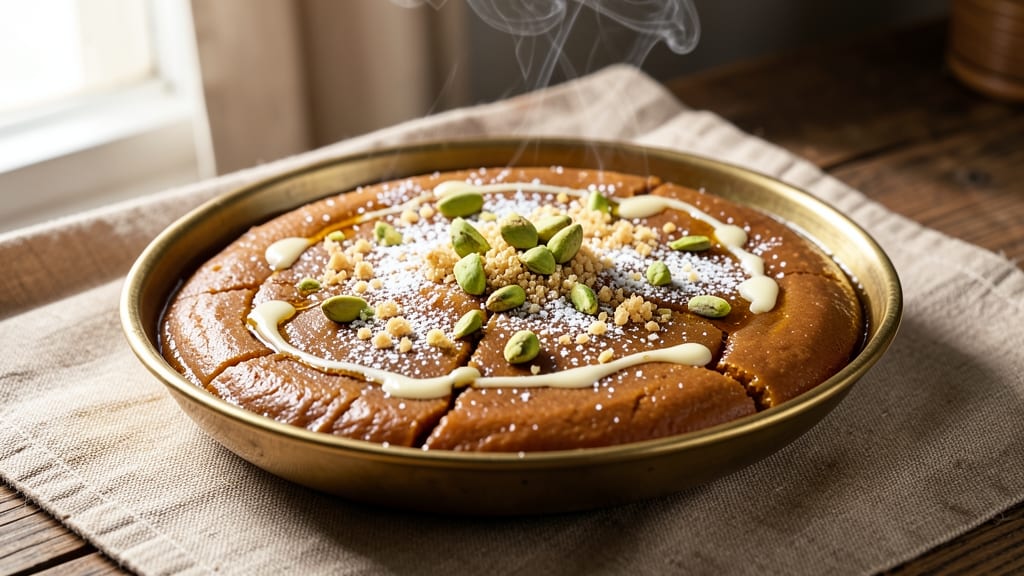
This Habshi Halwa recipe brings the rich, aromatic traditions of Ethiopian cuisine to your kitchen with its fragrant blend of semolina, cardamom, and rosewater. Standing on a step stool in my grandmother's kitchen in Sicily, I first learned how spices transform simple ingredients into something extraordinary—this dessert does exactly that.
The slow-fried semolina develops a delicate nutty flavor, while the warm spices create layers of complexity that make every bite unforgettable.
The key to authentic Habshi Halwa lies in its precise balance of ingredients and technique. You'll need semolina flour, butter, sugar, and a carefully measured blend of cardamom and rosewater for that signature floral aroma.
The process involves gently frying the semolina until golden, then mixing it with sweetened butter and spices until it reaches the perfect creamy consistency. This method ensures a dessert that's both rustic and refined.
What you'll achieve is a velvety, spiced semolina delight with a texture that's somewhere between fudge and pudding. The cardamom infuses warmth, while the rosewater adds a delicate floral note that elevates this dessert beyond ordinary sweets.
It's the kind of treat that feels special enough for gatherings but simple enough to make regularly. The aroma alone will transport you to the bustling markets of Addis Ababa.
Serve this Habshi Halwa chilled or at room temperature, perhaps with a sprinkle of ground pistachios or a dusting of powdered sugar. It pairs beautifully with strong Ethiopian coffee or a glass of milk.
For a modern twist, you can adapt this recipe using plant-based butter to create a vegan version that maintains all the traditional flavors. Let's bring this Ethiopian classic to your table!
Ingredients for habshi halwa
Nine simple ingredients transform into a velvety, spiced semolina dessert with cardamom's warmth and rosewater's floral touch.
| Ingredient | Amount | Notes |
|---|---|---|
| Fine Semolina Flour 🌾 | 1 cup | High-quality, finely ground semolina |
| Unsalted Butter 🧈 | 1 cup | Cold, cubed for frying |
| Granulated Sugar 🍚 | 1 ½ cups | White or light brown sugar |
| Ground Cardamom 🌿 | 1 ½ tsp | Freshly ground for maximum aroma |
| Rosewater 🌸 | 1 tbsp | Pure, high-quality rosewater |
| Ground Pistachios 🥜 | ¼ cup | For garnish, optional |
| Powdered Sugar 🍚 | ¼ cup | For dusting, optional |
| Vanilla Extract 🌸 | ½ tsp | Pure vanilla for depth |
| Ground Cinnamon 🌿 | ½ tsp | Optional, for warmth |
| Salt 🧂 | ¼ tsp | Fine sea salt |
The semolina is the heart of this recipe—look for fine, high-quality semolina at specialty stores or the international aisle. Bob's Red Mill or Anthony's Goods carry excellent options. Cardamom is non-negotiable; freshly ground pods from Penzeys or your local spice shop elevate this dessert beyond store-bought versions. Rosewater should be pure, with no additives—Middle Eastern markets or online specialty stores like Bazaar Spices are reliable sources. I always double-check the rosewater's date; it loses potency over time, which dulls that signature floral aroma you crave.
No cardamom pods? Ground cardamom works fine, but freshly ground is ideal. Running short on rosewater? Orange flower water at half the amount mimics the floral note, though it's subtly different. The butter should be cold when cubed—room temperature butter burns easily. For a vegan twist, Earth Balance or Miyoko's plant-based butter works beautifully. The sugar can be swapped for coconut sugar for a caramel-like depth, though white sugar keeps the traditional flavor. Pistachios? Store-bought ground pistachios are fine, but toasted and freshly ground taste worlds better.
This dessert keeps beautifully—up to 2 weeks in an airtight container at room temperature. The texture actually improves as it sits, developing a richer, creamier consistency. For a restaurant-worthy presentation, chill for at least 4 hours before serving. I like to portion it into small jars with a sprinkle of pistachios on top—perfect for gifts or potlucks. Freezes for up to 3 months if you want to prep ahead, though texture may soften slightly upon thawing.
Why You'll Love This Recipe
- Few Ingredients, Big Payoff: I swear by this recipe because it’s that simple—just semolina, butter, sugar, and a whisper of cardamom and rosewater. No chopping, no fuss, just a pot and a spoon. Honestly, if you can melt butter, you can make this.
- Golden, Fragrant Magic: That first bite? Warm, buttery semolina with sugar caramelizing just enough to coat your tongue, then the cardamom and rosewater hitting like a floral hug. It’s not sweet like candy—it’s balanced, rich but light, like a hug from a spice market.
- Breakfast or Dessert: Serve it hot with tea when you’re running late, or chill it overnight for a no-bake dessert that’s way more impressive than store-bought. My kids grab it straight from the fridge—no judgment here.
- Budget-Friendly Staple: A single batch costs pennies and stretches for days. I make a big pot on Sundays, and it’s my go-to for quick snacks, potlucks, or when I need to stretch a meal. (Yes, even on a Tuesday night.) Plus, semolina keeps forever—no waste.
Step-by-step instructions for Habshi halwa: spiced semolina delight
Here's how to craft this fragrant, melt-in-your-mouth dessert that balances sweetness with aromatic spices.
Melt Butter and Sugar for the Base
In a heavy-bottomed saucepan, melt the 1 cup unsalted butter over medium-low heat. Once fully melted, add the 1.5 cups granulated sugar and stir gently until the sugar dissolves completely. This process should take about 5 minutes—watch closely as the mixture will bubble gently. The sugar should fully incorporate, creating a smooth, golden liquid that coats the back of a spoon. If you see any sugar grains remaining, increase the heat slightly and stir until fully dissolved.
Here's the thing—this base is your foundation. If you rush this step, you'll end up with grainy halwa. Let the mixture simmer gently for 3-4 minutes after the sugar dissolves to develop a subtle caramelized flavor. You'll know it's ready when it reaches a gentle simmer and smells like warm caramel with a hint of buttery richness.
Incorporate Semolina and Spices
Reduce the heat to low and gradually whisk in the 1 cup fine semolina flour over 1-2 minutes. This slow addition prevents lumps and ensures even cooking. Once fully incorporated, stir in the 1.5 teaspoons ground cardamom, 0.5 teaspoon vanilla extract, 0.5 teaspoon ground cinnamon, and 0.25 teaspoon salt. The spices will bloom immediately, filling your kitchen with their warm, aromatic fragrance.
Now comes the critical part: cook the mixture for 8-10 minutes on low heat, stirring constantly with a wooden spoon. You're looking for a thick, creamy consistency that pulls away from the sides of the pan. The halwa should coat the back of your spoon smoothly—this indicates proper thickening. If it starts to stick or burn, reduce the heat further and give it more time. Patience here prevents a gummy texture.
Add Rosewater and Finish Cooking
Remove the pan from heat and let it cool slightly for 2 minutes. Then stir in the 1 tablespoon rosewater. This is where the halwa transforms from simply sweet to deliciously floral. The rosewater should blend seamlessly into the mixture, enhancing the cardamom's aroma without overpowering it. Return the pan to low heat and cook for another 3-4 minutes, stirring constantly to prevent scorching.
You'll know it's perfectly cooked when the halwa reaches a thick, pudding-like consistency that holds its shape when spooned. It should be smooth, glossy, and still warm to the touch. If it's too thick, add 1-2 tablespoons of warm water to loosen it. The halwa should be just thick enough to hold its form but still spreadable—this balance creates that signature creamy texture.
Garnish and Serve Warm
Transfer the halwa to a serving dish and let it cool slightly for 5 minutes. While it's still warm, sprinkle the 0.25 cup ground pistachios evenly over the surface. The pistachios add a delightful crunch and visual contrast to the smooth halwa. For an extra touch, dust with 0.25 cup powdered sugar using a fine-mesh sieve to create an elegant, snowy finish.
Serve the halwa warm, straight from the pan, for the best experience. The contrast between the warm, spiced semolina and the cool pistachios creates a sensory delight. Each bite should deliver a harmonious blend of sweetness, floral notes from the rosewater, and the warm spices. For an authentic touch, serve with a dollop of whipped cream or a sprinkle of extra pistachios on the side.
Pro Tips For Making Habshi Halwa
- Roast the Semolina: Toss the fine semolina in a dry pan over medium heat for 3-4 minutes until it smells toasty and nutty—this deepens the flavor way more than just mixing it cold. (Yes, even if you’re impatient like me, resist the urge to rush this part.)
- Butter First, Then Sugar: Melt the unsalted butter until it’s foamy but not browned, then whisk in the sugar before adding the semolina. This prevents grainy pockets and ensures a smoother, silkier texture—trust me, your halwa will thank you.
- Watch the Water Ratio: The recipe might say "add water as needed," but don’t drown it. Start with about 1.5 cups for 2 cups semolina, then adjust slowly—too much water makes it gummy, too little means it’ll dry out before it’s done.
- Cardamom Last, Rosewater Light: Fold in the ground cardamom and rosewater only at the very end, off the heat, or the aroma will cook off. A teaspoon of rosewater is plenty—more tastes like perfume, not dessert. (I learned this after a very fragrant disaster.)
Regional styles of habshi halwa
Ethiopian Celebration Classic
In Ethiopia, Habshi Halwa is traditionally served during Timkat (Epiphany) and other religious festivals. The name "Habshi" comes from the Amharic word for "Abyssinian," reflecting its historical ties to Ethiopian royalty. I remember my first bite at an Ethiopian restaurant in Boston—it felt like tasting history in every creamy spoonful.
The dessert's rich texture and aromatic spices make it a centerpiece for gatherings, often paired with Ethiopian coffee ceremonies. 🌸
Yemeni Spiced Variation
In Yemen, this dessert is called "Halwa Habashia" and often includes 1 teaspoon ground cloves alongside the cardamom. The Yemeni version uses ghee instead of butter for a deeper, nuttier flavor. I adapted this by replacing half the butter with ghee—it adds a luxurious richness that's hard to resist.
The spices are toasted in the ghee before adding the semolina, creating a more complex aroma profile. For an authentic touch, serve with date syrup drizzle instead of powdered sugar.
Sudanese Rosewater Twist
Sudanese Habshi Halwa incorporates 2 tablespoons rosewater and often adds ½ teaspoon ground nutmeg for warmth. The Sudanese version is typically firmer, almost like a dense fudge, which makes it perfect for cutting into squares.
I achieved this by cooking the semolina mixture for an extra 5 minutes after adding the rosewater. The texture holds its shape beautifully when chilled, making it ideal for gift boxes. Pair it with mint tea for a refreshing contrast.
Modern Vegan Adaptation
For a plant-based version, replace the butter with 1 cup coconut oil (solid) and use vegan powdered sugar (like Wholesome!). The coconut oil adds a subtle tropical note that complements the cardamom beautifully. I've also experimented with agave syrup instead of sugar for a lower-glycemic option.
The texture remains creamy when using Miyoko's vegan butter in place of half the coconut oil. This version is just as rich and aromatic—proof that traditional flavors can shine in modern adaptations. 🌱
Egyptian Pistachio Crunch
In Egypt, this dessert is often garnished with crushed pistachios and sesame seeds, creating a delightful texture contrast. The Egyptian version sometimes includes ½ teaspoon orange blossom water alongside the rosewater for a citrusy brightness.
I took this further by adding toasted sesame seeds to the semolina mixture before cooking, infusing the entire dessert with their nutty aroma. The result is a dessert that's both visually stunning and packed with layers of flavor. Serve with sambuca for a sophisticated pairing.
Libyan Honeyed Version
Libyan Habshi Halwa incorporates ½ cup honey into the butter-sugar base, creating a deeper caramelized flavor. The honey adds natural sweetness that reduces the need for additional sugar.
I achieved this by simmering the honey with the butter and sugar until it reaches a 230°F soft-ball stage before adding the semolina. The result is a dessert with a chewy texture and a complex sweetness that balances the spices perfectly.
For an extra touch, drizzle with warm honey before serving. 🍯
Nutrition facts
Frequently asked questions about Habshi halwa
What makes Habshi Halwa different from other semolina desserts?
The signature blend of cardamom and rosewater sets it apart, creating a floral-spiced aroma unlike Italian semolina cakes or Middle Eastern halvas. The slow-cooked semolina develops a creamy, fudge-like texture that's richer than traditional semolina puddings. Plus, the optional pistachio garnish adds a nutty crunch that elevates its restaurant-quality appeal.
Can I make Habshi Halwa without rosewater?
Yes! Substitute with 1 tsp orange blossom water or ½ tsp vanilla extract + ½ tsp lemon zest for floral notes. For a spicier version, add ½ tsp ground cinnamon + ¼ tsp nutmeg. The key is balancing sweetness with aromatic depth—just avoid skipping all floral elements, as they're essential to the traditional flavor profile.
Why did my Habshi Halwa turn out grainy?
Graininess usually means the semolina wasn't cooked long enough or the heat was too high. Always cook on low heat for 8-10 minutes after adding semolina, stirring constantly. For a smoother texture, whisk the semolina into the butter-sugar mixture gradually, and avoid rushing the process. If it's already grainy, blend briefly with an immersion blender for a silky finish.
How do I store Habshi Halwa for maximum freshness?
Keep it in an airtight container at room temperature for up to 2 weeks—it actually improves with time! For longer storage, refrigerate for up to 1 month (though texture may firm up). Freeze for 3 months by wrapping portions tightly in plastic wrap. Thaw overnight in the fridge for best results. The flavor stays vibrant when stored properly.
What's the best way to serve Habshi Halwa at a gathering?
Portion into small jars or serve in a rustic ceramic dish with a dusting of powdered sugar and crushed pistachios. For an elegant touch, arrange on a platter with mint leaves or edible flowers. Pair with Ethiopian coffee, spiced tea, or whipped cream for a complete experience. The warm spices make it perfect for holiday desserts or celebratory occasions.