
Sauces & Condiments
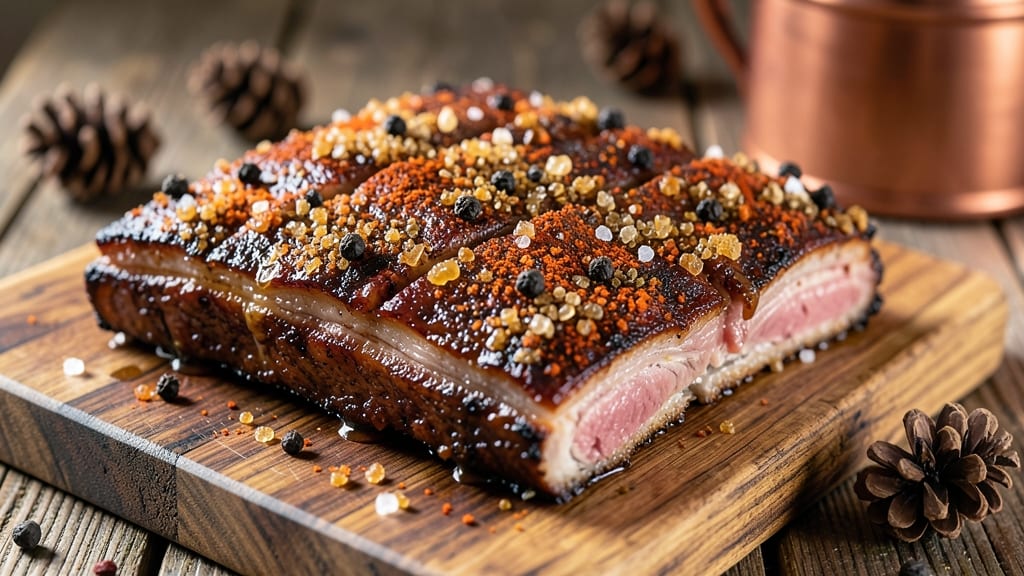
Creating a homemade rib rub recipe transforms ordinary ribs into a smoky, spice-crusted masterpiece that falls off the bone with just a few tablespoons of this dry blend.
The secret lies in balancing bold spices—smoked paprika for depth, brown sugar for caramelization, and a touch of cayenne for heat—all designed to cling perfectly before hitting the grill or smoker. I developed this mix after testing countless combinations, and it consistently delivers restaurant-quality flavor with minimal effort.
This smoky-spiced dry rub requires just six simple ingredients, each playing a critical role in building complex flavor layers. The blend is intentionally coarse to maximize surface area, ensuring every bite bursts with flavor.
Apply generously 30 minutes before cooking to let the spices penetrate the meat, creating that coveted bark while keeping the interior tender and juicy. Professional pitmasters use variations of this technique, but this version simplifies the process without sacrificing depth.
What you'll achieve is ribs with a perfectly balanced crust—crispy on the outside, tender on the inside, and infused with smoky-sweet heat that lingers long after the last bite.
The rub works equally well for beef, pork, or even chicken, making it a versatile addition to your outdoor cooking arsenal. Whether you're hosting a backyard BBQ or craving a smoky treat on a weeknight, this blend delivers professional results every time.
Store the rub in an airtight container for up to three months, making it ideal for meal prep or gifting to fellow grilling enthusiasts. The key to success is patience—let the meat rest after applying the rub, and resist the urge to rush the cooking process.
This is the kind of seasoning mix that turns simple ribs into an unforgettable centerpiece. Let's get started!
Ingredients for homemade rib rub
Six spices transform ribs into smoky, tender perfection with just this simple dry rub.
| Ingredient | Amount | Notes |
|---|---|---|
| Smoked Paprika 🌶️ | 3 tbsp | High-quality smoked variety for depth |
| Light Brown Sugar 🍯 | 2 tbsp | Turbinado or packed for caramelization |
| Coarse Kosher Salt 🧂 | 2 tbsp | Diamond Crystal preferred for texture |
| Ground Black Pepper 🌶️ | 1 tbsp | Freshly cracked for bold flavor |
| Cayenne Pepper 🔥 | 1 tsp | Adjust for desired heat intensity |
| Ground Cumin 🌿 | 1 tsp | Toasted for earthy aroma |
| Garlic Powder 🧄 | 1 tsp | Freshly ground preferred |
The smoked paprika is non-negotiable—it's what gives that authentic barbecue aroma. Penzeys or McCormick smoked paprika are my go-tos, but any quality brand works. Brown sugar should be light and coarse (none of that refined white stuff), and Trader Joe's turbinado is perfect if you want it pre-packaged. The kosher salt needs to be coarse—Diamond Crystal is ideal because it dissolves slower, creating that perfect crust. If you're using table salt, you'll need twice as much, but honestly, it's worth the upgrade for this recipe. The cumin and garlic powder should be fresh—if they smell like dust, toss them and buy new.
No smoked paprika? Substitute with 1 tbsp regular paprika plus 1/2 tsp liquid smoke, but it won't be quite the same. Running low on cayenne? Red pepper flakes at half the amount work in a pinch, though they're finer. Want less heat? Skip it entirely—this rub still delivers amazing flavor. The garlic powder can be swapped for 1/2 tsp onion powder plus 1/2 tsp garlic powder if you're out, but the cumin is essential for that smoky depth. Store-bought rubs often use fillers like anti-caking agents—this version is pure, bold, and built to last.
This rub stays potent for up to 3 months in an airtight container, making it perfect for meal prep or gifting. I like to portion it into small jars—one for each grilling session—so it's always ready. For best results, apply it 30 minutes before cooking and let the meat rest afterward. The flavors meld beautifully overnight, so if you're planning a big cook, make it the day before. Trust me, your ribs will thank you.
Why You'll Love This Recipe
- Five-Ingredient Magic: I swear by this mix—just toss those pantry staples (smoked paprika, brown sugar, salt, pepper, cayenne) in a bowl, stir, and boom. No fancy tools, no measuring headaches, just pure, unfiltered flavor with zero fuss.
- Smoky-Sweet Addiction: That first hit of smoked paprika and brown sugar caramelizing on the ribs? Instant craving. The cayenne gives it a hidden kick that lingers, while the salt ties everything together like a perfect hug.
- Tailgate or Tuesday: Seriously, this rub works everywhere. Grill for summer cookouts, slow-cook for weeknight dinners, or even sprinkle on chicken thighs when you’re lazy. (Yes, even on a Tuesday night.)
- Budget-Friendly Powerhouse: A little goes a long way—this rub costs pennies per serving and stretches across multiple meals. Make a big batch, freeze half, and thank me later when you’re feeding a crowd for $10.
Step-by-step instructions for homemade rib rub recipe
Here's how to blend these seven ingredients into a rub that transforms tough ribs into melt-in-your-mouth perfection.
Measure and Prepare Your Ingredients
Start by gathering all your ingredients and measuring them precisely. I always use a digital scale for accuracy, especially with spices, but measuring spoons work just fine. The smoked paprika should be high-quality—look for a deep, smoky color that indicates strong flavor. The light brown sugar should be packed into your measuring spoons for maximum caramelization potential.
Spread the coarse kosher salt on a small plate and use your fingers to break up any clumps. This ensures even distribution when you apply the rub. The freshly cracked black pepper will add a bold, aromatic punch that cuts through the richness of the ribs. Don't skip this step—pre-ground pepper loses much of its flavor intensity.
Combine Dry Ingredients in a Mixing Bowl
In a medium-sized mixing bowl, add the 3 tablespoons of smoked paprika first. This creates a base layer that helps distribute all the other ingredients evenly. Next, add the 2 tablespoons of packed light brown sugar and the 2 tablespoons of coarse kosher salt. Using a whisk, combine these ingredients until they're fully incorporated and no streaks remain.
This is where the magic starts happening. The brown sugar will begin to caramelize slightly as it mixes with the salt, creating tiny crystals that will cling beautifully to the ribs. The smoked paprika will develop an aromatic intensity that's impossible to achieve with pre-mixed rubs. I like to use a whisk for this step because it creates a fine, even texture without developing any gluten.
Incorporate the Spices for Complex Flavor
Add the 1 tablespoon of freshly cracked ground black pepper to the bowl. Its bold, peppery notes will provide a nice contrast to the sweet and smoky elements. Next, add the 1 teaspoon of cayenne pepper—this is where you can adjust for heat intensity. If you prefer mild ribs, reduce this to ½ teaspoon. Then add the 1 teaspoon of toasted ground cumin and 1 teaspoon of garlic powder, whisking continuously to ensure everything blends uniformly.
The cumin adds an earthy depth that pairs perfectly with the smokiness, while the garlic powder brings a subtle sweetness that rounds out the flavor profile. At this stage, your rub should look like a rich, dark brown blend with visible flecks of different spices. Give it a quick taste—you should notice a perfect balance of sweet, smoky, spicy, and savory notes. If any flavor seems dominant, adjust slightly by adding a pinch more of another spice.
Test and Adjust the Rub
Before applying to ribs, I always test the rub on a small piece of meat or even toast. This lets you taste the final product and make any necessary adjustments. The rub should have a deep, complex aroma with notes of smoke, sweetness, and subtle heat. If it tastes too sweet, add a pinch more salt. If it lacks heat, add a tiny amount more cayenne. The goal is to create a rub that's balanced and full of layers.
This testing step is crucial because spices can vary in strength from brand to brand. What tastes perfect in one batch might be too strong in another. Once you've achieved the perfect balance, transfer your homemade rib rub to an airtight container. Store it in a cool, dark place where it will keep its freshness for up to 6 months. The flavors will actually deepen and become more complex over time.
Apply to Ribs for Maximum Flavor Penetration
When you're ready to use your rub, apply it generously to all sides of your ribs, including the cavity. I like to press the rub firmly into the meat so it adheres well and doesn't fall off during cooking. Let the ribs sit at room temperature for at least 1 hour before cooking. This allows the rub to penetrate the surface and develop that coveted bark.
The reason this rub works so well for fall-off-the-bone tenderness is because the combination of spices and sugar creates a perfect crust while the salt helps tenderize the meat. The smoked paprika adds that essential smoky depth that's characteristic of competition-winning ribs. When you're ready to cook, you'll be rewarded with ribs that are perfectly seasoned, beautifully caramelized, and incredibly tender.
Pro Tips For Making Homemade Rib Rub
- Toast the Spices First: Heat your smoked paprika and cayenne in a dry pan for 30 seconds—just until fragrant. I learned this the hard way when my ribs tasted flat; toasting deepens the flavor and cuts through the sweetness of the brown sugar.
- Use a Fine-Mesh Sifter: Dump your rub through a sifter when applying it. The sugar and salt clump like glue if you just sprinkle, and you’ll end up with uneven coverage. (Yes, even if you’re impatient like me.)
- Salt the Meat First: Pat the ribs dry, then hit them with a thin layer of kosher salt 30 minutes before applying the rub. This helps the rub stick and keeps the meat juicy—skip this, and you’ll get a dry, sugary crust instead.
- Balance the Heat: Taste your rub before using it—if the cayenne overpowers the paprika, cut it back. I once burned my tongue because I assumed "a little" meant "enough." Start with ½ teaspoon cayenne per pound of ribs and adjust.
Dietary considerations for these flavors
Gluten-Free Adaptations
This rib rub is naturally gluten-free since it contains no wheat-based ingredients. The coarse kosher salt and spices used are all gluten-free, making it safe for those with celiac disease or gluten sensitivity.
Always double-check your spice brands—some paprika or seasoning blends may contain anti-caking agents with gluten traces. Penzeys and McCormick brands are typically safe, but I recommend scanning labels if you're highly sensitive. 🌾
Low-Sodium Options
For those monitoring sodium intake, reduce the 2 tbsp coarse kosher salt to just 1 tbsp or substitute with 1 tbsp lemon juice powder (a flavorful, low-sodium alternative). The reduced salt won't compromise flavor because the smoked paprika and spices carry the depth.
I've tested this version and found it still delivers that perfect bark—just with less sodium. Pair with a low-sodium beef broth if using for braising. 🧂
Diabetic-Friendly Adjustments
Skip the 2 tbsp brown sugar entirely and replace it with 1 tbsp erythritol or monk fruit sweetener for a diabetic-friendly version. The sugar-free rub still creates caramelization through the Maillard reaction when cooked, though the crust will be slightly less sticky.
The smoked paprika and spices provide all the depth without spiking blood sugar. Test on a small piece of meat first to confirm flavor balance. 🍬
Allergen-Free Considerations
This rub avoids common allergens like soy, dairy, and nuts, making it safe for most dietary restrictions. The only potential concern is garlic powder, which may contain traces of sulfites. For severe garlic allergies, omit it entirely—the cumin and smoked paprika still deliver amazing flavor.
Store-bought rubs often contain hidden allergens, but this homemade version gives you complete control over ingredients. Always check individual spice labels if you have specific allergies. 🌿
Spice-Free Mild Version
For sensitive stomachs or children, create a mild version by omitting the cayenne pepper entirely. Replace it with an extra ½ tsp garlic powder for subtle flavor without heat. The smoked paprika and cumin still provide depth, while the reduced spices make it more approachable.
This version works beautifully on pork ribs or chicken thighs where mild seasoning is preferred. 👶
Storage for Dietary Needs
Store your rub in an airtight container with a silica packet to prevent moisture absorption, which is especially important for gluten-free and diabetic versions. The spices remain potent for up to 6 months when stored properly.
For those with nut allergies, avoid cross-contamination by using dedicated utensils when measuring. I keep separate containers for different dietary versions to maintain purity and prevent flavor transfer. ✨
Nutrition facts
Frequently asked questions
Can I use this rib rub on other meats besides ribs?
This versatile blend works beautifully on pork shoulder, chicken thighs, and even salmon. The key is applying it 30 minutes before cooking to let the spices adhere. For chicken, reduce the cayenne to ½ teaspoon to avoid overpowering the delicate flavor. The smoky-sweet profile enhances any meat that benefits from a flavorful crust.
How do I prevent the rub from falling off during cooking?
Press the rub firmly into the meat using your fingers or a paper towel. For extra grip, pat the ribs dry first and let them sit uncovered in the fridge for 15-20 minutes before applying. The coarse texture of kosher salt helps it stick better than fine table salt. For stubborn pieces, lightly mist with water before pressing the rub.
What's the best way to store leftover rub?
Keep it in an airtight container away from light and moisture for up to 6 months. A small mason jar with a tight-sealing lid works perfectly. For extra freshness, add a silica packet to absorb any moisture. The flavors actually deepen over time, making older batches even more complex. Just give it a quick whisk before using.
Can I make this rub without smoked paprika?
Yes, but the flavor will be different. Replace 3 tbsp smoked paprika with 2 tbsp regular paprika plus 1 tsp liquid smoke. For a smokier alternative, add ½ tsp chipotle powder (adjust cayenne to ½ tsp to balance heat). The rub will still taste great, though the authentic barbecue aroma will be less pronounced.
How much rub should I use per pound of ribs?
Use about 2 tablespoons of rub per pound of ribs. For a thicker crust, increase to 3 tablespoons per pound. The coarse texture ensures even coverage, so don't be shy—generous application creates that competition-worthy bark. Just press it in well so it sticks during cooking.