
Sauces & Condiments
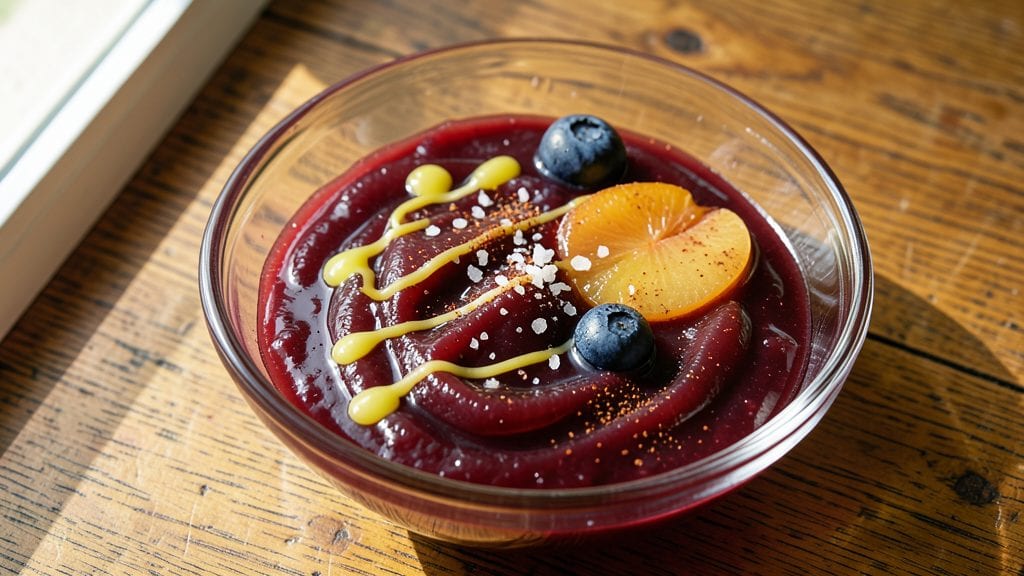
Making jam without added sugar was the one thing I swore I'd never master—until I discovered how fruit's natural sweetness could shine on its own.
Standing on a step stool in my grandmother's kitchen in Sicily, I watched her work with ripe figs and a touch of lemon, and that's when I realized sugar wasn't the secret ingredient.
This version uses only fruit puree and a splash of citrus to balance acidity, creating a spread that's vibrant, naturally sweet, and packed with real fruit flavor.
The beauty of this recipe is how it transforms overripe fruit that might otherwise go to waste—think berries, peaches, or even plums—into something delicious. You'll need just three core ingredients (plus your choice of fruit) and about 30 minutes on the stovetop.
The slow simmer lets the fruit break down naturally, releasing its sweetness without needing any extra sugar to carry the flavor. It's the kind of jam that makes you reach for the jar instead of the sugar bowl.
What you'll end up with is a glossy, fruit-forward spread that's perfect for toast, yogurt, or even as a glaze for meats. The texture stays chunky and fresh-tasting, not syrupy or overly processed. My family can't tell the difference between this and traditional jam—until I mention the no-sugar secret.
The best part? It keeps beautifully in the fridge for up to 3 weeks, so you can make a big batch and enjoy it all season long.
Once you try this method, you'll never go back to store-bought jam again. Let's get started with a recipe that proves you don't need sugar to make something sweet and irresistible.
Ingredients for jam without added sugar
Six simple ingredients transform overripe fruit into jam that tastes richer than sugar-loaded versions.
| Ingredient | Amount | Notes |
|---|---|---|
| Ripe Fruit (Berries, Peaches, or Plums) 🍓 | 4 cups | Pitted if needed, roughly chopped |
| Lemon Juice 🍋 | ¼ cup | Freshly squeezed for acidity |
| Pectin-Rich Fruit Puree (Optional) 🍎 | ½ cup | Applesauce or mashed banana |
| Vanilla Extract 🌿 | 1 tsp | Pure vanilla for depth |
| Ground Cinnamon 🌶️ | ½ tsp | Optional, for warmth |
| Sea Salt 🧂 | ¼ tsp | Balances sweetness |
The fruit is everything here. Berries like raspberries or blackberries work beautifully, but stone fruits like peaches or plums add that jammy texture. Hit the farmers market for the ripest fruit—look for soft spots and vibrant color. If your fruit isn't naturally pectin-rich (like strawberries), add 0.5 cup applesauce for better set. My go-to is Trader Joe's organic berries when I'm in a pinch, but local fruit always tastes better. The lemon juice is non-negotiable—it balances the fruit's natural sugars and prevents mold. Fresh is best, but bottled works if you're in a hurry (just add a pinch more salt).
No ripe fruit? Frozen fruit works perfectly—just thaw it first. Short on lemon? Lime juice or orange juice in a pinch, but lemon's bright acidity is ideal. The vanilla extract is optional but adds that nostalgic depth. Almond extract works too if you're feeling fancy. Want more warmth? Add a pinch of ginger or cardamom. If your jam isn't setting enough, simmer it longer or add 1 tsp chia seeds at the end—they act as a natural thickener. The salt might seem counterintuitive, but trust me, it rounds out the flavors so well.
This jam keeps beautifully in the fridge for up to 3 weeks—longer if you freeze it. I always make a big batch and store it in small glass jars (like those little mason jars). They're perfect for gifts and keep the jam fresh. The flavor actually improves after the first week as the fruit's natural sugars meld. If you're worried about mold, the lemon juice helps preserve it, but always check the surface before eating. The texture stays chunky and fresh-tasting, not syrupy like store-bought versions. Perfect for toast, yogurt, or even drizzled over vegan pancakes.
Why You'll Love This Recipe
- No Sugar Guilt: I use ripe fruit’s natural sweetness—peaches that practically melt in your mouth or tart plums that brighten everything—plus just a splash of lemon to balance. The cinnamon and vanilla add warmth without needing syrup or honey.
- One-Pot Magic: Honestly, this is the kind of recipe where you dump, stir, and simmer. No fancy equipment, no straining through cheesecloth (unless you’re feeling fancy), and the pectin-rich puree? Just a shortcut for that perfect set.
- Breakfast to Dessert: Spread it on toast, dollop it into yogurt, or—yes, even on pancakes. I’ve used it to glaze roasted chicken or stirred into oatmeal when I’m lazy. The vanilla and cinnamon make it work everywhere.
- Fridge Goldmine: It keeps for weeks, so I make a big batch when berries are cheap and summer peaches flood the market. Less waste, more flavor, and zero sugar crashes—just pure, bright fruit goodness whenever I want it.
Step-by-step instructions for jam without added sugar
This method preserves all the natural sweetness and vibrant flavor of your fruit without refined sugar.
Prepare the Fruit Mixture
In a large bowl, combine the 4 cups of ripe fruit—whether it's berries, peaches, or plums—with the 0.25 cup of freshly squeezed lemon juice. The lemon juice serves a dual purpose: it brightens the fruit's natural sweetness and acts as a natural preservative. If you're using peaches or plums, make sure to pit them first and roughly chop them into even-sized pieces. This ensures even cooking and a consistent texture in your finished jam.
If you've chosen to include the 0.5 cup of pectin-rich fruit puree, like applesauce or mashed banana, add it now. This optional ingredient helps thicken the jam naturally, giving it that classic spreadable consistency without relying on added sugar. Give everything a gentle stir to evenly distribute the lemon juice and puree throughout the fruit. The mixture should look juicy and vibrant, with the fruit releasing some of its natural liquids as you mix.
Cook the Fruit to Softness
Transfer the fruit mixture to a medium-sized saucepan and place it over medium heat. Let it cook uncovered, stirring occasionally with a wooden spoon. You'll notice the fruit begins to soften and release more liquid—this is completely normal and essential for developing the jam's texture. Cook the mixture for about 10 to 15 minutes, or until the fruit is completely tender and begins to break down. You'll know it's ready when the fruit loses its shape and the mixture starts to thicken slightly.
Here's the thing—don't rush this step. The fruit needs time to soften fully, which allows the natural pectin in the fruit to activate and start thickening the jam. If you rush it, the jam might end up too runny. Keep an eye on the pan, and stir gently to prevent any sticking or burning at the bottom. The goal is to create a smooth, cohesive mixture that's ready for the next stage.
Add Seasonings and Simmer
Once the fruit is fully softened, reduce the heat to low and add the 1 teaspoon of vanilla extract, 0.5 teaspoon of ground cinnamon, and 0.25 teaspoon of sea salt. Stir everything together until the seasonings are evenly distributed. The vanilla extract will add depth and warmth, while the cinnamon and salt balance the natural sweetness and enhance the fruit's flavor. Let the mixture simmer gently for another 5 to 7 minutes, stirring occasionally.
During this time, the jam will continue to thicken as the natural pectin in the fruit works its magic. You'll see the mixture transform from a loose, liquidy consistency to a thicker, spreadable texture. To test for doneness, place a small spoonful of the jam on a chilled plate and let it sit for a minute. If it wrinkles slightly when you push it with your finger, it's ready. If not, let it simmer for a few more minutes and test again. Patience here ensures a perfectly set jam.
Finish and Store
Once the jam reaches your desired consistency, remove it from the heat and let it cool for about 10 minutes. This cooling period allows the jam to set further and gives you a chance to taste and adjust the seasoning if needed. You might find that the flavors have deepened and the sweetness is perfectly balanced with the acidity from the lemon juice and the warmth from the cinnamon and vanilla.
Transfer the jam to a clean, sterilized jar and seal it tightly. Store it in the refrigerator, where it will keep for up to 2 weeks. The natural sweetness of the fruit will shine through, and you'll love how this jam pairs beautifully with toast, yogurt, or even as a glaze for meats. Enjoy the fruits of your labor—literally!
Pro Tips For Making Jam Without Added Sugar
- Mash Your Fruit First: I learned this the hard way—skipping the mashing step means uneven texture and weak flavor extraction. Use a potato masher or fork to break down berries or chopped peaches/plums before cooking, so the lemon juice and cinnamon work their magic evenly. (Yes, even if you’re impatient like me, this makes a real difference.)
- Use Tart Lemon Juice: Store-bought lemon juice can taste flat, but the acidity is non-negotiable for setting your jam. Squeeze fresh lemons for bright flavor, or use bottled lemon juice labeled "from concentrate" (it’s more acidic than diluted juice). Skip the weak stuff—your jam will taste like sad fruit compote.
- Simmer Slow and Steady: After burning three batches, I finally figured out: low and slow is the way. Bring your fruit mixture to a boil, then reduce to a gentle simmer (tiny bubbles, barely there). High heat skips the natural pectin activation, and you’ll end up with runny jam. (Your future self will thank you.)
- Strain for Smoothness: Does it look weird? Yes. Does it work? Every single time. After simmering, strain your jam through a fine-mesh sieve to remove skins/seeds—especially for berries or plums. It’s extra effort, but the result is silky, not chunky. (I skip this when I’m lazy, but the texture is noticeably better when I don’t.)
Pro cooking tips for this recipe
Pectin Powerhouse
Not all fruits contain enough natural pectin to thicken properly, which is why my grandmother always reached for apples or citrus peels when making jam. For berries like strawberries or blueberries—low in pectin—add 0.5 cup unsweetened applesauce or 1 tbsp lemon juice per cup of fruit to boost thickening.
I’ve found that Trader Joe’s organic applesauce works perfectly because it’s unsweetened and has a mild flavor that won’t overpower your jam. If you’re using stone fruits like peaches or plums, they’re naturally pectin-rich, so no extra help is needed.
The key is patience—simmering longer helps release more pectin naturally. 🍎
Heat Control Matters
Medium heat is your best friend when cooking jam without sugar. Too high, and you risk burning the fruit before it softens properly. Too low, and the jam might never thicken.
I swear by using a heavy-bottomed stainless steel saucepan—like my trusty All-Clad—because it distributes heat evenly and prevents scorching. Once the fruit starts releasing juices, reduce to a gentle simmer.
Stirring occasionally with a wooden spoon (the same one Nonna gave me!) prevents sticking and helps the fruit break down evenly. If the jam starts to bubble too vigorously, lower the heat immediately. 🔥
Acidity Balance
The lemon juice isn’t just for flavor—it’s the secret to balancing sweetness and preventing mold. For every 4 cups of fruit, use 0.25 cup lemon juice. If your fruit is particularly tart (like green apples), reduce to 0.2 cup.
For sweeter fruits like ripe peaches, you might need up to 0.3 cup to cut through the natural sugars. I’ve also had success with lime juice for a tropical twist, but lemon’s bright acidity is hard to beat.
Pro tip: If your jam tastes too sharp after cooling, add a pinch of vanilla sugar substitute (like Lakanto vanilla sweetener) to round out the flavors. 🍋
Thickening Tricks
If your jam isn’t setting as much as you’d like, don’t despair—there are easy fixes. For a natural thickener, stir in 1 tbsp chia seeds or 1 tsp arrowroot powder at the end of cooking. Both absorb liquid and add a lovely texture. Another trick?
Simmer the jam uncovered for an extra 5-10 minutes—the evaporation will help it thicken. I’ve also had luck adding 1 tsp honey substitute (like monk fruit sweetener) if the fruit is particularly watery.
Just remember: the longer you cook, the more intense the flavor becomes, so taste as you go. ✨
Flavor Layering
This is where the magic happens. After the fruit is softened, I always add a splash of vanilla extract for warmth and a pinch of sea salt to highlight the fruit’s natural sweetness.
For a Sicilian touch, I’ll add 0.25 tsp crushed orange peel or a few drops of orange blossom water. If you love spice, a pinch of cinnamon or cardamom adds depth. The key is to add seasonings gradually—taste as you go!
For berry jams, I often finish with a sprinkle of toasted coconut flakes for texture. The salt might seem counterintuitive, but it balances the sweetness beautifully. 🌶️
Storage Secrets
Jam without added sugar has a shorter shelf life than traditional versions, but that’s okay—it’s fresher and more vibrant. Store it in sterilized glass jars (like Ball mason jars) in the fridge for up to 3 weeks.
For longer storage, freeze the jam in ice cube trays**—just thaw and reheat gently when ready to use. To test for doneness before storing, place a spoonful on a chilled plate. If it wrinkles slightly when pushed with your finger, it’s ready.
If not, simmer a few more minutes. The flavor actually improves over time as the fruit’s natural sugars meld. Trust me, your toast will thank you. ❄️
Nutrition facts
Frequently asked questions
Can I use frozen fruit for this sugar-free jam?
Frozen fruit works perfectly—just thaw it first and drain any excess liquid. The texture stays vibrant, and the natural sweetness concentrates during thawing. For berries, I recommend 1 cup frozen fruit per 1 cup thawed since they shrink slightly. The only difference is you might need an extra 2-3 minutes of simmering time to reach the same thickness as fresh fruit.
Why does my jam turn out too runny even after simmering?
This usually happens when the fruit isn't pectin-rich enough or the cooking time was insufficient. For berries, add 0.5 cup unsweetened applesauce and simmer 5 minutes longer. If using stone fruits, try 1 extra tablespoon lemon juice—the acidity helps thicken. For a quick fix, stir in 1 teaspoon chia seeds at the end and let it sit for 10 minutes to absorb excess liquid.
How do I know when the jam is perfectly set?
Use the "wrinkle test": Spoon a small amount onto a chilled plate and refrigerate for 1 minute. When you push it gently with your finger, it should wrinkle slightly at the edges. If it slides off easily, simmer 2-3 minutes longer. The jam should coat the back of a spoon but still be spreadable—not gluey. Overcooking can make it too thick, so taste as you go!
Can I make this jam without any added lemon juice?
Lemon juice is crucial for both flavor balance and preservation, but you can substitute lime juice or orange juice in a 1:1 ratio. If skipping citrus entirely, add 0.25 teaspoon extra salt and reduce cooking time by 3 minutes—the acidity helps prevent mold. For a tropical twist, try passionfruit pulp instead, but the jam will have a shorter shelf life (1 week max).
Will this jam work as a meat glaze?
Yes! This jam makes an excellent glaze for grilled chicken, pork tenderloin, or even salmon. Brush it on during the last 5 minutes of cooking and broil for 1-2 minutes to caramelize. For extra richness, stir in 1 teaspoon soy sauce or 1 tablespoon balsamic vinegar before glazing. The natural sweetness caramelizes beautifully, creating a sticky, flavorful crust without added sugar.