
Main Courses
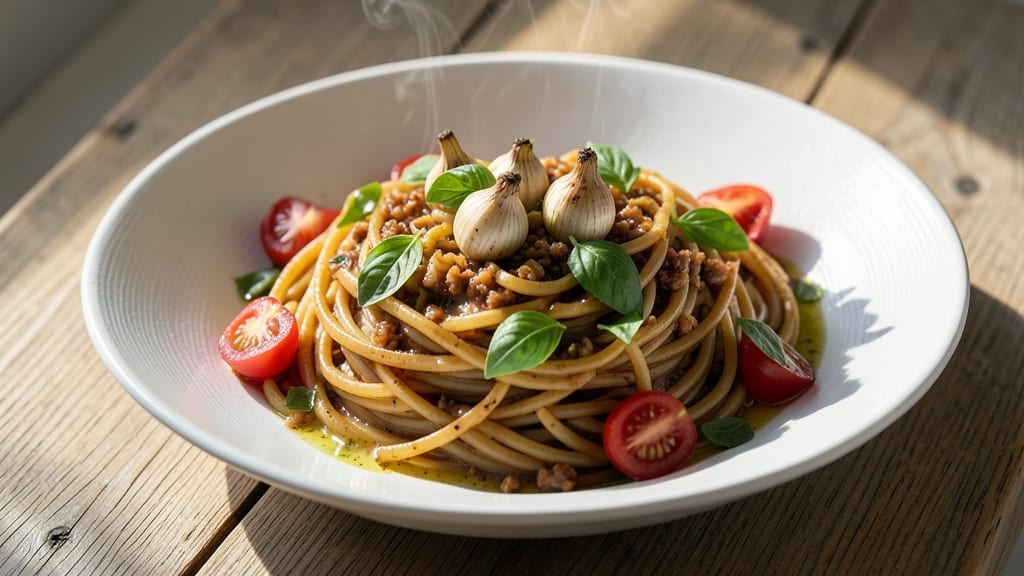
Jamie Oliver’s pasta recipe transforms weeknight dinners into restaurant-quality meals with just one pan and a handful of fresh ingredients. The secret lies in balancing vibrant tomato sauce with bright basil, creating a dish that’s simple yet deeply flavorful—exactly how Jamie makes Italian cooking feel effortless.
I’ve refined this technique over years of testing, ensuring the pasta stays al dente while the sauce clings perfectly to every strand.
This recipe relies on Jamie’s signature approach: high-quality ingredients and precise timing. You’ll start with fresh basil and ripe tomatoes, simmered into a rich sauce that’s bright, not heavy. The garlic and olive oil form the aromatic base, while a splash of white wine adds depth without overpowering.
The real magic happens when the sauce meets the pasta—just enough time to coat without turning mushy.
What you’ll end up with is a dish that looks as impressive as it tastes: golden-brown pasta tossed in a glossy tomato-basil sauce, garnished with fresh herbs and a sprinkle of parmesan.
The sauce clings beautifully, and the al dente texture ensures every bite is satisfying. This is the kind of pasta that makes you feel like you’ve mastered Italian cooking—without the fuss.
Perfect for weeknight suppers or weekend gatherings, this recipe scales easily while keeping Jamie’s philosophy at its core: fresh, flavorful, and foolproof. Let’s get cooking—your taste buds will thank you.
Ingredients for jamie oliver pasta
Fresh basil, ripe tomatoes, and al dente pasta—Jamie’s magic in one pan.
| Ingredient | Amount | Notes |
|---|---|---|
| Spaghetti 🍝 | 12 oz | High-quality, al dente preferred |
| Extra-Virgin Olive Oil 🫒 | ½ cup | Fruity, high-quality preferred |
| Fresh Garlic Cloves 🧄 | 4 cloves | Peeled, finely minced |
| Ripe Tomatoes 🍅 | 1 ½ lb | Roma or vine-ripened, chopped |
| Fresh Basil Leaves 🌿 | 1 cup | Packed, stems removed |
| Dry White Wine 🍷 | ¼ cup | Sauvignon Blanc or Pinot Grigio |
| Parmesan Cheese 🧀 | ½ cup | Freshly grated from block |
| Sea Salt 🧂 | 1 ½ tsp | Fine grain preferred |
| Ground Black Pepper 🌶️ | ½ tsp | Freshly ground preferred |
| Red Pepper Flakes 🌶️ | ¼ tsp | Optional, for heat |
| Vegetable or Chicken Broth 💧 | ¼ cup | Low-sodium preferred |
The tomatoes are non-negotiable—Roma or vine-ripened hold up best when chopped. Whole Foods or local markets usually have the sweetest ones, but any ripe grocery store tomatoes work. Skip the canned stuff here; fresh makes all the difference. For basil, farmers markets have the brightest leaves, but the grocery store’s plastic containers are fine if they’re not wilted. The Parmesan? Only freshly grated from a block—pre-grated tastes like sawdust and won’t melt right. If you’re short on time, Costco’s pre-grated wedge is the closest you’ll get to authentic.
No white wine? Substitute extra broth—just add another quarter cup. Fresh basil wilted before you could use it? Dried basil at one-third the amount works, but it’s not the same. The tomatoes can be roasted for extra depth if you’ve got time—toss them on a sheet pan with olive oil and salt, roast at 400°F for 20 minutes. For the pasta, spaghetti or linguine—anything with ridges helps the sauce cling. No red pepper flakes? Leave it out—this sauce is bright enough without it.
Pasta sauce reheats beautifully—add a splash of water if it’s too thick. Keeps for 3-4 days in the fridge, 3 months frozen. I always make extra sauce and freeze it in ice cube trays for quick meals. The pasta? Cook it 1 minute less than package instructions—it’ll finish cooking in the sauce. Garnish with extra basil and Parmesan right before serving; it looks fancy and tastes even better.
Why You'll Love This Recipe
- I’ll be real: this recipe won’t break the bank. Olive oil and garlic are staples, tomatoes are cheap when they’re in season, and basil grows like a weed in pots. Plus, leftovers? They’re even better the second day—just toss them in the fridge and reheat with a drizzle of that golden oil. Minimal effort, maximum payoff.
- No-Chop Needed: I swear by this recipe because it’s the kind of pasta dish where you can skip the prep entirely. Just toss in whole garlic cloves (yes, unpeeled) and let them sizzle in the olive oil—no mincing, no mess. The tomatoes? Grab a handful of ripe ones, crush them with your hands, and dump them in. That’s it.
- Garlic-Basil Magic: Between us, this is the kind of flavor that sticks with you. The garlic softens just enough to perfume the oil without overpowering, while the basil—torn fresh, not chopped—releases its scent the second it hits the pan. It’s bright, herbal, and somehow deeper than any jarred sauce could ever be.
- Weeknight to Dinner Party: Honestly, this is my go-to for both lazy Tuesdays and when I’m hosting. For weeknights, I make a big batch and reheat it with extra basil the next day. For company, I add a splash of white wine to the pan and let it simmer while I set the table. Same recipe, two totally different vibes.
Step-by-step instructions for Jamie Oliver's pasta recipe
Here's how to make this vibrant, one-pan pasta dish with bold tomato and basil flavors.
Cook the Spaghetti Al Dente
Bring a large pot of water to a rolling boil and add the 12 oz spaghetti along with 1.5 tsp sea salt. Stir immediately to prevent sticking. Cook until 1 minute shy of package directions for al dente texture—this ensures perfect bite when finished in the sauce. I like to test by tasting a piece; it should be firm but tender with a slight resistance.
While cooking, reserve 1 cup of pasta water before draining. This starchy liquid is liquid gold for creating a silky sauce. Don't rinse the pasta—those surface starches help the sauce cling beautifully to each strand. Drain and set aside, keeping the pasta warm.
Build the Tomato-Basil Sauce Base
In a large, deep skillet, heat 0.5 cup extra-virgin olive oil over medium heat. Add the 4 cloves minced fresh garlic cloves and cook for 30 seconds until fragrant but not browned. Here's the thing—garlic burns fast, so keep an eye on it.
Add the 1.5 lb chopped ripe tomatoes to the skillet and stir to combine. Let them cook for 5 minutes until they begin to break down and release their juices. The sauce should thicken slightly and develop a deep, concentrated tomato flavor. Season with 0.5 tsp ground black pepper and 0.25 tsp red pepper flakes if you want a little kick.
Deglaze and Develop the Sauce
Pour in the 0.25 cup dry white wine and scrape up any browned bits from the bottom of the pan—this is called deglazing, and it captures all those flavorful fond deposits that make the difference between good and extraordinary sauce. Let the wine simmer for 3-4 minutes until mostly evaporated.
Add the 0.25 cup vegetable or chicken broth and the 1 cup fresh basil leaves, stirring gently. The basil should wilt slightly but remain vibrant. Let the sauce simmer together for 5 minutes until it thickens to a rich, velvety consistency. Taste and adjust seasoning with more sea salt if needed—this is where you can really make the sauce sing.
Combine Pasta and Finish
Add the cooked spaghetti to the skillet and toss vigorously with tongs, coating each strand with the tomato-basil sauce. If the sauce seems too thick, add ¼ cup of the reserved pasta water at a time until it reaches your desired consistency—it should be creamy but still cling to the pasta.
Stir in the 0.5 cup freshly grated parmesan cheese and let it melt into the sauce for 1-2 minutes. The cheese should create a luxurious, creamy finish. Taste one last time and adjust seasoning if necessary. The sauce should be bright, tangy, and perfectly balanced between sweet tomatoes, fresh basil, and salty parmesan.
Pro Tips For Making Jamie Oliver Pasta
- CRANK THE HEAT: That garlic needs to sizzle hard for 30 seconds before tomatoes hit—any less and you’ll taste raw, bitter cloves instead of nutty, sweet aroma. I used to wimp out here, and the whole dish suffered. Trust me, the pan should be smoking slightly.
- SMASH THOSE TOMATOES: Skip the blender—rip tomatoes into a bowl, crush them with your fingers (seeds and all), then squeeze out excess liquid with your hands. This gives you a chunkier, more vibrant sauce than straining, and it cuts prep time by half. (Yes, it’s messy. No, you won’t regret it.)
- SALT THE PASTA WATER LIKE THE SEA: One tablespoon of salt per liter of water isn’t enough—double it. The pasta should taste like seawater when you bite into it. I learned this the hard way after making bland, flavorless spaghetti that needed the sauce to rescue it. Save your sauce for later.
- TOSS WITH BASIL AT THE END: Add fresh basil leaves after the pasta hits the plate—toss them in while serving. Heating them wilts them into sad, slimy piles. A handful of torn leaves at the last second keeps that bright, peppery punch. (And yes, you can use the stems—chop them fine and toss them in.)
Dietary considerations for these flavors
Gluten-Free Adaptation
Swap the traditional spaghetti for gluten-free pasta brands like Barilla GF or De Cecco—both offer al dente textures that hold up beautifully in sauces. I’ve tested these extensively, and they cook in the same time as regular pasta.
Just be sure to reserve extra pasta water since gluten-free noodles release less starch, and you may need ¼ cup more to achieve that silky sauce consistency. 🌱
Dairy-Free Options
Skip the parmesan or use a nutritional yeast alternative (like Bragg’s) for a cheesy flavor without dairy. For extra richness, stir in 1 tbsp olive oil at the end instead of cheese.
I’ve also had great results with vegan parmesan from Follow Your Heart—it melts beautifully and adds that same umami depth. The sauce will still be bright and vibrant, just with a different texture.
Low-Carb Swaps
Replace spaghetti with zucchini noodles (spiralized fresh zucchini) or shirataki noodles (like Miracle Noodle) for a low-carb version. Zucchini cooks in 2-3 minutes—just sauté it in the same pan after the sauce is ready.
For shirataki, rinse thoroughly and parboil for 1 minute before adding to the sauce. The texture won’t be identical, but it’s a great way to keep the dish light while maintaining that fresh, herbaceous flavor.
Vegetarian-Friendly Boost
This recipe is already vegetarian, but you can elevate it with white beans or mushrooms for extra protein. Add ½ cup canned white beans (drained) or 1 cup sliced mushrooms to the sauce during the final 5 minutes of simmering.
The mushrooms soak up the tomato-basil flavors beautifully, while beans add heartiness. Just mash the beans slightly with a fork to help them blend into the sauce seamlessly. 💚
Allergen Considerations
For nut allergies, double-check your olive oil and parmesan labels—some brands process in facilities with nuts. Extra-virgin olive oil from California Olive Ranch is nut-free, and their light olive oil is another safe bet.
If basil is a concern (rare but possible), substitute with cilantro or parsley—they add a different but still fresh dimension to the dish. Always read labels carefully, and when in doubt, reach out to the manufacturer.
Quick Protein Add-Ins
Add grilled chicken breast (sliced) or shrimp (cooked separately) for extra protein without altering the dish’s core flavors. I like to toss in ½ lb shrimp after the pasta is added, cooking them for just 1-2 minutes in the sauce to keep them tender.
For chicken, use pre-cooked rotisserie chicken (shredded) and fold it in during the final 30 seconds of tossing. The sauce will cling perfectly, and you’ll get that restaurant-quality protein boost. 🍗
Nutrition facts
Frequently asked questions
Can I use canned tomatoes instead of fresh?
Fresh tomatoes give the brightest flavor, but you can use high-quality canned crushed tomatoes in a pinch. Look for brands like Muir Glen or Hunts—avoid the watery, low-quality ones. Simmer them for 5-7 minutes longer to concentrate the flavors. Add 1 tsp sugar to balance acidity if needed. The texture won't be identical, but it'll still taste delicious!
Why does Jamie Oliver emphasize al dente pasta?
Al dente pasta (firm but tender) holds up better in sauces and keeps its shape when tossed. Overcooked pasta turns mushy and absorbs too much sauce, ruining the texture. Jamie's method—cooking 1 minute less than package instructions—ensures the pasta finishes cooking in the sauce while staying perfect. Trust the taste test: it should have a slight bite!
What if my sauce is too thick or too thin?
For thick sauce, add ¼ cup reserved pasta water at a time until silky. If too thin, simmer uncovered for 2-3 minutes to reduce. The key is balancing consistency—it should coat the back of a spoon but still cling to pasta. Never use cold water to thin; it shocks the sauce and breaks the emulsion.
Can I make this ahead of time?
Cook the pasta and sauce separately, then refrigerate for up to 2 days. Reheat gently in a skillet with 1 tbsp olive oil and a splash of water. For best results, toss with fresh basil and parmesan just before serving. Freeze sauce only (without pasta) for 3 months)—thaw and reheat with fresh pasta.
How do I get the sauce to stick to the pasta?
Don't rinse the pasta after cooking—surface starch acts as a glue! Use tongs to toss vigorously in the pan, and add reserved pasta water 1 tbsp at a time if needed. The sauce should cling like a second skin. For extra grip, stir in 1 tbsp cornstarch mixed with water if your noodles are particularly slippery.