
Appetizers
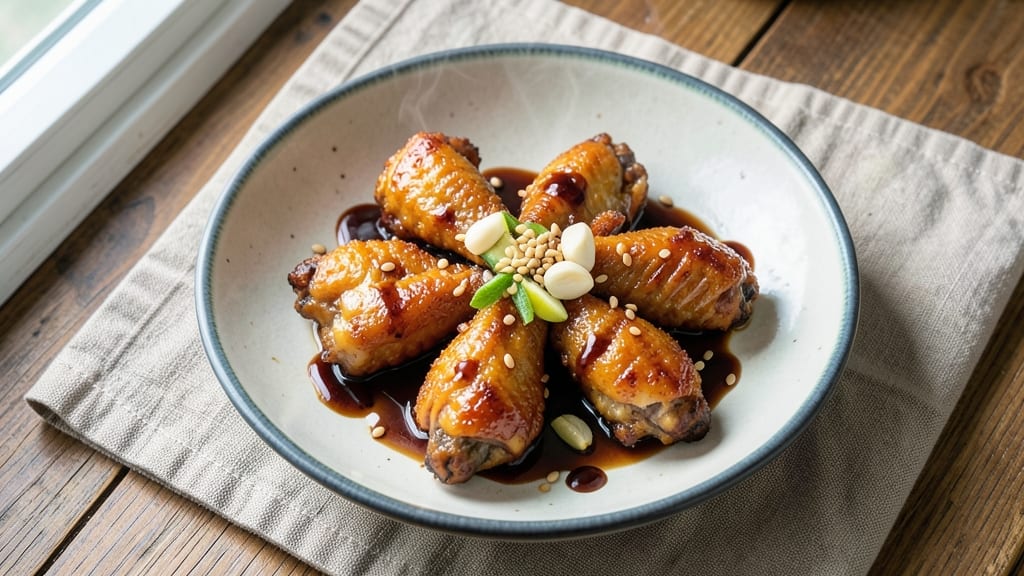
This Japanese chicken wings recipe delivers the perfect balance of juicy meat and crispy edges, with a sticky-sweet teriyaki glaze that's impossible to resist. I developed this method after years of experimenting with different cooking techniques, and it consistently delivers restaurant-quality results at home.
The secret lies in a precise marinade and high-heat cooking that ensures every bite stays tender while developing that coveted crunch.
The recipe begins with a simple yet flavorful marinade that tenderizes the chicken while infusing it with umami-rich ingredients like soy sauce, mirin, and garlic.
You'll cook the wings using a method of your choice—grilling for smoky depth, frying for maximum crispiness, or even an air fryer for a healthier twist.
The teriyaki glaze, made with a blend of mirin, soy sauce, and a touch of honey, caramelizes beautifully during the final cooking stage, creating that signature glossy finish.
By the time you're done, you'll have golden-brown wings with a crispy exterior and a juicy, flavorful core, all coated in a glossy teriyaki glaze that's sweet, tangy, and just slightly salty.
The aroma alone will have everyone gathering around the table, and the first bite will prove why this recipe has become a crowd-pleaser. This is the kind of appetizer that transforms a casual gathering into a memorable meal.
Whether you're serving these as a party appetizer, game-day snack, or weeknight dinner, this recipe scales perfectly and delivers every time. The method is straightforward, but the results are anything but ordinary—restaurant-quality wings made in your own kitchen. Let's get started!
Ingredients for japanese chicken wings
Restaurant-quality teriyaki wings start with these precise ingredients—juicy chicken, umami-rich marinade, and crispy-finishing glaze.
| Ingredient | Amount | Notes |
|---|---|---|
| Chicken Wings 🍗 | 2 lb | Bone-in, split into drumettes and flats |
| Soy Sauce 🥫 | ½ cup | Japanese-style, reduced if possible |
| Mirin 🍶 | ¼ cup | Sweet cooking rice wine |
| Honey 🍯 | ¼ cup | Wildflower preferred for depth |
| Garlic Cloves 🧄 | 6 cloves | Minced, fresh for maximum flavor |
| Ginger Root 🌿 | 1 tbsp | Freshly grated, aromatic |
| Sesame Oil 🫒 | 1 tbsp | Toasted, for nutty aroma |
| Rice Vinegar 🍶 | 1 tbsp | White, for tangy balance |
| Neutral Oil 🫒 | ½ cup | Avocado or vegetable oil |
| Diamond Crystal Kosher Salt 🧂 | 1 ½ tsp | For seasoning and marinade |
| Ground Black Pepper 🌶️ | ½ tsp | Freshly cracked for heat |
| Toasted Sesame Seeds 🌾 | 1 tbsp | For garnish, optional |
The chicken wings are non-negotiable—bone-in for flavor, split into drumettes and flats for even cooking. Whole Foods or Trader Joe's carry excellent pre-split options, but if buying whole, ask the butcher to separate them. For the marinade, Japanese soy sauce (like Kikkoman) delivers deeper umami than regular soy sauce. Mirin should be authentic, not the sweetened imitation—Matsuyama Shuzou is a reliable brand. Fresh ginger and garlic are essential; pre-minced garlic lacks the aromatic punch. The sesame oil adds nutty depth, but use sparingly—it's potent.
No mirin? Substitute equal parts dry sherry and sugar, though the flavor won't be identical. Short on soy sauce? Coconut aminos work in a pinch, but reduce by half due to lower salt content. For a vegetarian option, swap chicken for extra-firm tofu, pressed and cubed. The neutral oil is critical for frying—avocado oil has a high smoke point and neutral taste. If you're air frying, reduce the oil by 75% and spray lightly before cooking. The honey should be wildflower or clover for subtle floral notes; avoid processed honey, which can taste artificial.
Marinate the wings for at least 4 hours, or overnight for maximum tenderness. Store leftover marinade in an airtight container in the fridge for up to 5 days, or freeze for 3 months. Cooked wings reheat best in a 350°F oven for 10-12 minutes, covered loosely with foil. For crispiness, broil for 1-2 minutes at the end. Garnish with toasted sesame seeds just before serving—they add texture and a final aromatic punch. These wings freeze beautifully; portion into airtight containers and thaw in the fridge overnight for optimal texture.
Why You'll Love This Recipe
- I’ll be real: these wings are my secret weapon for game nights, potlucks, or even a lazy Sunday. They’re easy to double (or triple), and everyone—even the picky eaters—grab seconds. Plus, they reheat like a dream.
- Five-Ingredient Magic: Honestly, I swear by this recipe because it’s that simple—just wings, soy sauce, mirin, honey, and garlic. No fancy prep, no hidden pantry staples. The mirin and honey balance the saltiness perfectly, so you’re not stuck adjusting 10 different spices.
- Crispy-Sweet Perfection: Between us, that garlic-honey glaze caramelizes into something dangerously addictive. The soy gives it depth, but the honey? It turns every bite into a little burst of sweetness that makes you want to lick the plate.
- Game Day Hero: I’ll be real: these wings are my secret weapon for game nights, potlucks, or even a lazy Sunday. They’re easy to double (or triple), and everyone—even the picky eaters—grab seconds. Plus, they reheat like a dream.
Step-by-step instructions for Japanese chicken wings
Master the balance of crispy exteriors and tender interiors with this precise technique.
Prepare the Marinade and Season the Wings
In a medium bowl, combine the 0.5 cup soy sauce, 0.25 cup mirin, 0.25 cup honey, minced 6 cloves garlic cloves, 1 tablespoon grated ginger root, 1 tablespoon sesame oil, and 1 tablespoon rice vinegar. Whisk vigorously until fully emulsified—this creates a cohesive glaze that will caramelize beautifully during cooking. The mirin and honey should dissolve completely, forming a glossy, amber-colored marinade.
Pat the 2 lb chicken wings dry with paper towels, ensuring no moisture remains. Season them generously with 1.5 teaspoons diamond crystal kosher salt and 0.5 teaspoon ground black pepper, pressing the spices into the meat. This step is critical for both flavor development and achieving that coveted crispy texture. Place the wings in a resealable plastic bag and pour the marinade over them, coating evenly. Seal the bag and refrigerate for at least 4 hours, or overnight for maximum flavor penetration.
Double-Fry for Perfect Texture
Remove the wings from the refrigerator and let them sit at room temperature for 30 minutes before cooking. This ensures even cooking and prevents steaming. Heat 0.25 cup neutral oil in a heavy-bottomed skillet over medium heat until it reaches 325°F on a deep-fry thermometer. Working in batches to avoid overcrowding, carefully lower the wings into the oil using tongs. Fry for 8-10 minutes, turning occasionally, until the wings reach an internal temperature of 165°F and the skin begins to turn golden brown but isn't yet crispy. This initial fry ensures the wings are fully cooked through while keeping the texture tender.
Using a slotted spoon, transfer the wings to a paper towel-lined plate to drain excess oil. Increase the oil temperature to 375°F for the second fry. Once the oil is properly heated, carefully return the wings to the skillet and fry for an additional 2-3 minutes until the skin becomes deep golden brown and crispy. The high heat during this second fry creates the signature crunch without overcooking the meat. Remove the wings and place them on a wire rack set over a baking sheet to drain any remaining oil.
Glaze and Garnish for Finishing Touches
Return the skillet to medium heat and add the remaining 0.25 cup neutral oil. Pour in any leftover marinade from the bag, scraping the bottom of the skillet to deglaze and collect flavorful browned bits. Simmer the mixture for 2-3 minutes until it reduces slightly and becomes syrupy. The glaze should coat the back of a spoon, indicating it's ready to adhere to the wings.
Toss the crispy wings in the glaze until they're evenly coated, allowing the sauce to caramelize slightly on the wings' surfaces. Sprinkle with 1 tablespoon toasted sesame seeds for added texture and aroma. Serve immediately while the glaze is still warm and sticky, ensuring each bite delivers both the juicy core and the crispy, caramelized exterior promised. The sesame seeds add a nutty finish that complements the sweet-savory glaze perfectly.
Pro Tips For Making Japanese Chicken Wings
- CRISP THE WINGS FIRST: Skip the raw wings in sauce—pat them dry, toss in 1 tablespoon cornstarch, and bake at 425°F (220°C) for 12 minutes before glazing. This step locks in crispiness instead of soggy skin, and the sauce clings better afterward. (Yes, even if you’re impatient like me.)
- MINCE GARLIC FINE: Use a knife, not a press—minced garlic burns faster and blends smoother into the sauce. Toast it in oil for 30 seconds until fragrant (but not brown) before adding mirin and honey. Burnt garlic ruins the whole dish, and nobody wants that bitter aftertaste.
- DON’T RUSH THE GLAZE: Simmer the sauce low and slow—5 minutes is the minimum. Rushing turns it into a sticky mess instead of a glossy, balanced glaze. If it thickens too fast, add a splash of water and keep it moving. Patience here makes the difference between "meh" and "wow."
- USE LESS HONEY: Start with 1 tablespoon, not 2—you can always add more. Honey burns fast, and once it does, the sauce turns cloying. Taste as you go; the mirin and soy already bring sweetness. (I learned this the hard way after a charred disaster.)
Troubleshooting this dish
Undercooked Centers
If your wings emerge with pale, rubbery centers, it’s a classic sign of overcrowding or insufficient internal temperature. I’ve found that cooking wings in batches—never more than 8 at a time—ensures even heat distribution.
Use a meat thermometer to check for 165°F internal temperature before proceeding to the second fry. If they’re still undercooked, return them to the 325°F oil for 2-3 more minutes, then finish with the crisping stage. 🌡️
Soggy Skin
Crispy skin requires careful oil temperature control and avoiding moisture. If your wings turn out greasy or limp, your oil may have been too cool during the second fry. Always maintain 375°F—use a deep-fry thermometer for accuracy.
Another culprit? Resting wings on a plate instead of a wire rack—this traps steam and ruins texture. For extra insurance, pat wings dry with fresh paper towels after the first fry. ✨
Uneven Glaze
A patchy glaze happens when the sauce isn’t sticky enough or when wings are overcrowded during glazing. To fix this, reduce the leftover marinade over medium heat until it reaches a syrupy consistency—it should coat the back of a spoon.
Toss wings in batches if needed, and work quickly to prevent the glaze from setting. For extra shine, brush on a final coat of mirin right before serving. 💫
Burnt Edges
If your wings develop blackened, bitter spots, your oil temperature spiked too high. Keep the heat steady at 375°F during the final fry, and avoid overcrowding the pan. For future attempts, use a heavy-bottomed skillet (like All-Clad) to prevent hot spots.
If this happens, trim the burnt edges with kitchen shears and proceed with glazing—the remaining wing will still be delicious. 🔥
Dry Marinade
If your marinade separates or looks too thick, it’s likely under-emulsified. Whisk vigorously with a hand mixer for 30 seconds to blend the honey and soy sauce properly. For extra insurance, add 1 teaspoon cornstarch to thicken if needed.
If the marinade dries out during storage, add 1 tablespoon water or mirin to restore consistency. Store leftovers in an airtight container to prevent evaporation. 💡
Nutrition facts
Frequently asked questions
Can I make these wings without deep-frying?
For a healthier version, bake the wings at 400°F for 30-35 minutes, flipping halfway, then brush with glaze and broil for 2-3 minutes to crisp. Use a wire rack on a baking sheet to prevent sogginess. Air fryers work too—cook at 375°F for 18-20 minutes, shaking halfway.
What's the best way to store leftover wings?
Store cooked wings in an airtight container in the fridge for up to 4 days. Reheat in a 350°F oven for 10-12 minutes to restore crispiness. For longer storage, freeze portions in a single layer before transferring to a bag—thaw overnight in the fridge.
Can I use boneless wings?
Boneless wings will work, but bone-in wings stay juicier and develop better texture. If using boneless, reduce cooking time by 2-3 minutes per method and avoid overcrowding the pan. The glaze application stays the same, but expect slightly less crispiness.
How do I adjust the sweetness in the glaze?
For less sweetness, reduce honey to 0.125 cup and add 1 extra tablespoon soy sauce. For more sweetness, increase honey to 0.375 cup and balance with 1 teaspoon rice vinegar. Taste as you go—adjust gradually to avoid overwhelming flavors.
Are these wings kid-friendly?
Yes, but adjust the glaze sweetness to 0.2 cup honey and add 1 teaspoon sugar for milder flavor. Serve with mild dipping sauces like yogurt-based ranch or soy-ginger sauce> (soy sauce + honey + grated ginger). Cut wings into smaller pieces for little hands.