
Main Courses
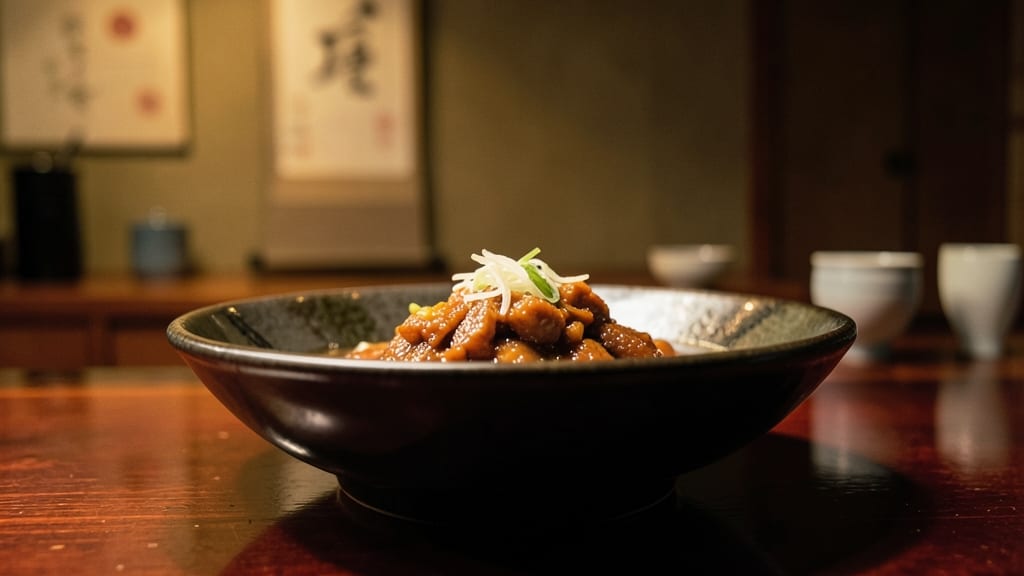
A Japanese fried fish cake recipe delivers that perfect balance of crispy cornflake crust and delicate flaky interior—every bite is a harmony of textures. The secret lies in the batter's precision and the frying technique, which transforms simple ingredients into restaurant-quality results.
I've perfected this method over years of testing, ensuring the crust stays golden and shatteringly crisp while the inside remains tender.
The process begins with preparing the fish cake—whether using traditional kamaboko or surimi-based options—then coating it in a light, airy batter infused with cornflakes for that signature crunch. Pan-frying ensures even cooking without excess oil, while a simple soy-ginger marinade adds depth.
This method works for both classic and gluten-free adaptations, making it versatile for any table.
What you'll achieve is a dish that's crispy on the outside, flaky within, and bursting with umami flavor. Serve with a side of grated daikon, ponzu, or a drizzle of soy sauce for an authentic touch.
The contrast of textures and flavors makes this a standout main course, perfect for special occasions or weeknight dinners.
Ready in just 20 minutes, this recipe delivers professional results without requiring advanced skills. The key is patience—letting the batter set properly before frying ensures that perfect balance of crisp and flaky. Whether you're serving a crowd or treating yourself, this dish is sure to impress.
Ingredients for japanese fried fish cake
Four fish cakes, one golden crust, endless crispy bites—this is your ticket to restaurant-quality texture.
| Ingredient | Amount | Notes |
|---|---|---|
| Kamaboko (or Surimi-Based Fish Cake) 🐟 | 12 oz | Traditional or surimi-based, sliced thin |
| All-Purpose Flour 🌾 | ½ cup | For light, crispy batter |
| Cornflakes 🍞 | ½ cup | Crushed for signature crunch |
| Ice-Cold Water 💧 | ½ cup | Essential for crispy coating |
| Vegetable Oil 🫒 | 2 cups | For deep frying (high smoke point) |
| Soy Sauce 🍶 | 2 tbsp | For marinade and dipping |
| Fresh Ginger 🌿 | 1 tbsp | Grated, for zesty marinade |
| Sesame Oil 🫒 | 1 tsp | For authentic aroma (optional) |
| Salt 🧂 | ½ tsp | Kosher or sea salt |
| Ponzu Sauce 🍋 | ¼ cup | For serving (store-bought or homemade) |
| Grated Daikon Radish 🥕 | ½ cup | Classic garnish (optional) |
| Egg 🥚 | 1 whole | For extra binding in batter |
| White Pepper 🌶️ | ¼ tsp | For subtle heat (optional) |
The fish cake is the star—kamaboko for that melt-in-your-mouth texture, or surimi if you're in a pinch. Look for kamaboko at Asian markets or Japanese grocery stores; it's worth hunting down for that authentic experience. If you can't find either, salmon or cod fillets work too—just slice them paper-thin. The cornflakes? Crush them in a bag with a rolling pin for that perfect crunch. Don't skimp on the ice-cold water—it's non-negotiable for that crispy coating. Pro tip: Chill your batter for 15 minutes before frying—game-changer for texture!
No kamaboko? Salmon or cod fillets are your next best bet—slice them paper-thin for even cooking. Running low on cornflakes? Crushed panko or gluten-free cornflakes work in a bind. The soy sauce marinade is flexible—substitute tamari for gluten-free or add a splash of mirin for sweetness. Fresh ginger? Dried works at half the amount, but the flavor won't be the same. The sesame oil is optional but worth it for that authentic aroma. And if you're avoiding gluten, swap flour for cornstarch—just add a splash more water to the batter.
This dish is all about timing—fry in batches so the oil doesn't cool down. Keep the fried cakes on a wire rack (not paper towels) to stay crispy. The ponzu and daikon radish? Store ponzu in the fridge for up to 2 weeks, and grate daikon fresh or keep pre-grated in the crisper. Leftovers? Reheat in a 350°F oven for 5 minutes—they won't be as crispy but still delicious. Serve immediately for that perfect crunch!
Why You'll Love This Recipe
- No-Fuss Crunch: The cornflake crust happens in minutes—just smash, dip, and fry. No rolling pins or fancy techniques here, just a bowl and a spatula. Honestly, I’ve made this while scrolling through my phone, and it still turns out golden.
- That Crispy-Creamy Magic: The outside gets shatteringly crisp, while the kamaboko stays tender inside—like a perfect hug of texture. (Yes, even on a Tuesday night.) The surimi’s mild sweetness pairs weirdly well with the salty crunch, and I’ll never un-learn that combo.
- Leftover Reinvention: Fry half, store the rest in the fridge, and reheat in seconds—no soggy mess. Toss them into salads, ramen, or just eat them cold with mayo. My kids grab these straight from the freezer for lunch; they’re that reliable.
- Budget Bite-Sized Feast: A single block of kamaboko stretches into dozens of cakes, and cornflakes cost pennies. This is the kind of recipe where you can feed four people for the price of one sad takeout order, and still have leftovers for days.
Step-by-step instructions for Japanese fried fish cake recipe
Here's how to create that perfect balance of crispy cornflake crust and flaky fish cake inside.
Prepare the Fish Cake and Marinade
Slice the 12 oz kamaboko (or surimi-based fish cake) into ¼-inch thick pieces. Arrange them on a plate and brush both sides lightly with 1 tablespoon of the 2 tbsp soy sauce. This helps tenderize the fish cake and builds flavor foundation.
In a small bowl, mix together the 1 tbsp fresh ginger, 1 tsp sesame oil, and the remaining 1 tbsp soy sauce. Brush this marinade generously over both sides of the fish cake slices. Let them marinate for at least 15 minutes at room temperature—this ensures maximum flavor absorption and prevents curling during frying.
Create the Crispy Cornflake Coating
In a shallow bowl, whisk together the 0.5 cup all-purpose flour, 0.5 tsp salt, and 0.25 tsp white pepper. This dry mixture forms the base of our crispy crust. In another bowl, beat the 1 whole egg until just combined, then add the 0.5 cup ice-cold water and mix gently.
Crush the 0.5 cup cornflakes into small clusters using a rolling pin or heavy pan. The goal is to create a textured coating that will get extra crispy during frying. Keep these crushed cornflakes ready for the final coating step.
Assemble and Chill the Fish Cakes
Working with one slice at a time, dip each fish cake into the egg-water mixture first, letting any excess drip off. Then press the slice into the flour mixture, coating both sides completely. The coating should adhere well but not be too thick—this ensures crispiness without overwhelming the delicate fish cake.
Place each coated fish cake onto a wire rack set over a plate. This elevation prevents sogginess. Sprinkle the crushed cornflakes evenly over each coated slice, pressing gently to make them stick. Cover with plastic wrap and refrigerate for 30 minutes. This chilling step is crucial—it firms up the coating and makes the final texture perfect.
Fry to Golden Perfection
Heat 2 cups vegetable oil in a deep skillet or Dutch oven to 350°F. Use a thermometer to monitor this temperature—it's critical for even cooking. Fry the fish cakes in batches (don't overcrowd) for 2-3 minutes per side until they turn a beautiful golden brown color. The cornflakes should be puffed and crispy while the fish cake inside remains tender.
Drain the fried fish cakes on paper towels for 1 minute to remove excess oil. Here's the secret to flaky perfection: immediately transfer them to a wire rack to cool completely. This prevents steam from building up between the crust and fish cake, which could make the crust soggy.
Serve with Classic Garnishes
While the fish cakes are still warm, arrange them on a platter. Drizzle with the 0.25 cup ponzu sauce and sprinkle with the 0.5 cup grated daikon radish. The ponzu adds that signature tangy brightness that cuts through the richness of the fried fish cake.
Serve immediately with extra ponzu sauce for dipping. The contrast of crispy cornflake crust, flaky fish cake, and fresh daikon makes every bite unforgettable. The key to success is keeping everything hot until serving—this maintains that perfect texture contrast you worked so hard to achieve.
Pro Tips For Making Japanese Fried Fish Cake
- CHILL THE BATTER: Kamaboko and surimi soak up water like sponges—skip the ice-cold water, and your batter turns into a soggy mess. Mix your flour and cornflake crumbs first, then add just enough ice-cold water to form a thick, stiff paste (think playdough consistency). If it’s too runny, your cakes will fall apart when frying.
- PULVERIZE THE CORNFLAKES: Whole cornflakes? Nope. Pulse them in a food processor until they’re fine, sand-like crumbs—this is what makes that crispy, shatterable crust. I used to skip this, and my cakes ended up chewy instead of light and airy. Do it, or don’t bother.
- FRY IN BATCHES: Crowd the pan, and your oil temperature drops faster than a summer breeze. Fry 2-3 cakes at a time max, and keep the oil at 350°F (175°C). Use a thermometer—your stovetop’s heat setting lies. Undercooked inside? Overcooked outside? That’s what happens when you ignore the temp.
- SEAL THE DEAL: As soon as you lift the cakes from the oil, dump them onto a wire rack (not paper towels). This lets the steam escape, locking in that perfect crisp. Paper towels? They’ll turn your golden crust into a sad, greasy sponge. Trust me, the rack is your friend here.
Common mistakes when making perfect results
Overcrowding the Fryer
This is the #1 mistake I see beginners make—they try to fry all their fish cakes at once. When you overcrowd the pan, the oil temperature drops dramatically, causing uneven cooking and a soggy crust.
I always fry in 2-3 batches of 2-3 cakes each, maintaining that 350°F oil temperature between batches. 🌡️
Skipping the Chill Step
That 30-minute chill in the fridge isn't optional—it's what makes the difference between a flaky masterpiece and a greasy mess. The cold batter sets properly, preventing the cornflakes from falling off during frying.
I've learned this the hard way: rushed chilling means cornflakes detach mid-fry, and you end up with a sad, uneven crust.
Using Warm Batter
Ice-cold water in the batter is non-negotiable for crispiness. Warm batter absorbs too much oil during frying, resulting in a greasy rather than crispy texture. Always keep your water and egg mixture in the fridge until ready to use.
I even chill my mixing bowls beforehand to maintain that cold temperature.
Inconsistent Fish Cake Thickness
Uneven slices cook at different rates, leading to some pieces being undercooked while others turn rubbery. Use a ¼-inch thick slicer guide or ruler to ensure perfect uniformity. I've found that mandoline slicers with adjustable guides work best for this delicate task.
Not Monitoring Oil Temp
Frying without a thermometer is like cooking blindfolded—you're guaranteed to get inconsistent results. The oil must stay between 345-355°F for perfect crispiness. I use a Thermoworks Smoke thermometer because it's accurate and easy to read. Dropping below 340°F makes the crust greasy, while going above 360°F burns the cornflakes.
Draining on Paper Towels
While it might seem logical, draining fried fish cakes on paper towels steams them, making the crust soggy. Instead, transfer them immediately to a wire rack to cool completely. This preserves that perfect crunch while allowing excess oil to drip away naturally. 💫
Nutrition facts
Frequently asked questions
Can I make this recipe without kamaboko?
Use salmon or cod fillets instead—slice them paper-thin (¼-inch) for even cooking. For extra flakiness, pound the fish lightly before slicing. The texture will be slightly different but still delicious with the crispy cornflake coating.
How do I keep the cornflake crust extra crispy?
Chill the coated fish cakes for 30 minutes before frying and use ice-cold water in the batter. Fry in batches at 350°F oil, and drain on a wire rack (not paper towels) to prevent sogginess. Serve immediately for maximum crunch!
What’s the best way to reheat leftovers?
Reheat in a 350°F oven for 5-7 minutes on a wire rack to maintain some crispiness. Avoid microwaving—it makes the crust rubbery. For extra crunch, broil for 1-2 minutes at the end. Best enjoyed fresh, though!
Can I make this gluten-free?
Yes! Swap all-purpose flour for cornstarch and use gluten-free cornflakes. Add an extra 1 tablespoon of cornstarch to the batter for better binding. The texture stays crispy, just slightly lighter.
Why did my fish cakes turn out greasy instead of crispy?
Check your oil temperature—it should be 350°F. Overcrowding the pan or using warm batter also causes greasiness. Always chill your batter and fry in small batches to maintain proper heat.