
Breakfast & Brunch
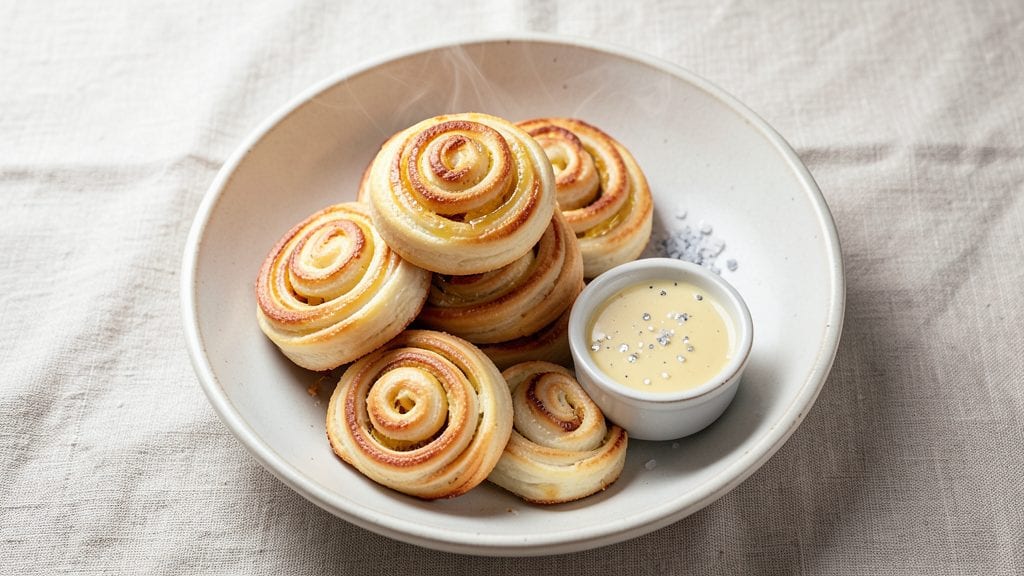
There’s nothing quite like the joy of cooking a perfect rolled biscuit recipe—where buttermilk and simple techniques unlock those golden, flaky layers. The secret lies in cold ingredients and gentle handling—two factors that transform simple dough into golden, tender biscuits with crisp edges and a melt-in-your-mouth center.
I’ve baked hundreds of batches, and this method delivers consistent, restaurant-quality results every time.
This recipe balances tradition with modern convenience, whether you’re using a food processor for quick mixing or rolling by hand for that classic texture. The dough rests twice—first in the fridge, then on the counter—allowing the gluten to relax and the buttermilk to work its magic for maximum flakiness.
A cast-iron skillet ensures even browning, while precise cutting creates uniform, stackable biscuits.
By the time they emerge from the oven, you’ll have biscuits with layers so delicate they practically dissolve on your tongue. The buttermilk tenderizes the dough while creating steam pockets that separate the layers, and the high-fat content ensures a rich, buttery flavor in every bite.
These biscuits are perfect for soaking up gravy, pairing with jam, or serving alongside breakfast meats.
Whether you’re a seasoned baker or new to biscuit-making, this recipe builds confidence with foolproof steps. Let’s get started—your kitchen will soon smell like a Southern breakfast table.
Ingredients for joy of cooking rolled biscuit
Cold butter, buttermilk, and a touch of patience create flaky biscuits that beg for gravy or jam.
| Ingredient | Amount | Notes |
|---|---|---|
| All-Purpose Flour 🌾 | 3 ½ cups | Sifted, spooned and leveled |
| Cold Unsalted Butter 🧈 | 1 cup | Cubed, straight from fridge |
| Buttermilk 🥛 | 1 cup | Room temperature preferred |
| Diamond Crystal Kosher Salt 🧂 | 1 ½ tsp | Fine grain preferred |
| Granulated Sugar 🍚 | 1 tbsp | Light brown preferred |
| Baking Powder 🍞 | 2 tsp | Double-acting preferred |
| Ground Black Pepper 🌶️ | ½ tsp | Freshly cracked preferred |
| Cast-Iron Skillet 🔥 | 1 whole | 10-inch, preheated |
| All-Purpose Flour 🌾 | ½ cup | For rolling and dusting |
| Unsalted Butter 🧈 | 2 tbsp | Melted, for brushing |
| Coarse Sea Salt 🧂 | ¼ tsp | For sprinkling top |
The butter is non-negotiable—cold cubes from the fridge create those signature flaky layers. Plugrá or Land O'Lakes unsalted work best, but any high-fat butter (80%+ fat) will do. If your butter's been sitting out, pop it in the freezer for 15 minutes to firm up. The buttermilk? Store-bought is fine, but homemade (milk + vinegar) adds tang. For the flour, King Arthur or Gold Medal are my go-tos—they handle gluten development just right. And don't sift that baking powder—just whisk it into the dry ingredients to avoid clumping. Pro tip: keep everything cold until you're ready to roll.
No buttermilk? Mix 1 cup milk + 1 tbsp vinegar or lemon juice, let sit 5 minutes. Short on butter? Crisco or Spectrum Shortening works in a pinch, but expect slightly denser biscuits. The sugar isn't just for sweetness—it helps with browning. Light brown sugar gives a deeper caramel flavor, but white works too. For extra flakiness, fold in an extra 2 tbsp cold butter between layers when rolling. Want to make ahead? Shape the biscuits, freeze on a tray, then transfer to a bag—bake straight from frozen (add 2-3 minutes). And if your dough feels sticky, it's perfect—just don't overwork it.
Freshly baked biscuits reheat beautifully—wrap in foil and warm at 350°F for 10 minutes. They'll last 3 days in an airtight container, but honestly? They're best the first day. For freezing, bake first, then store in a single layer before transferring to a bag. Thaw at room temp for 20 minutes before serving. The key to crisp edges? Brush with melted butter right after baking while still hot. And if you're making a big batch, use a rolling pin with guides—consistent thickness = even baking. Trust me, your biscuits will thank you.
Why You'll Love This Recipe
- No-Fuss Flour Power: I swear, this biscuit recipe is the kind of thing you can make while scrolling through your phone—just mix, roll, cut, and bake. The cold butter cuts into the flour like butter (literally), and the buttermilk keeps things tender without requiring fancy techniques.
- Buttery Magic: That crispy, golden edge with a flaky, melt-in-your-mouth center? It’s all thanks to the cold unsalted butter and just a touch of sugar for subtle sweetness. Honestly, the first time I bit into one fresh out of the oven, I nearly dropped the pan.
- Breakfast to Dinner: These biscuits are my secret weapon for lazy mornings (slathered with jam) or hearty dinners (split open over chili or gravy). Between us, I’ve even used them to soak up soup when I was too tired to make toast—no judgment.
- Pantry Staple Gold: You’re already using these ingredients—flour, butter, buttermilk—so this recipe won’t break the bank or clutter your fridge. Make a batch, freeze half, and thank me later when you’re reheating them straight from frozen for a quick snack.
Step-by-step instructions for rolled biscuit mastery
Here's how to achieve restaurant-quality flakiness using buttermilk's secret power.
Cut and Mix the Cold Butter into Flour
Place the 1 cup cold unsalted butter (still cubed) in the center of the 3.5 cups all-purpose flour in a large mixing bowl. The butter should be ice-cold—straight from the fridge—so it stays firm during mixing. Using your fingers or a pastry cutter, work the butter into the flour until you achieve pea-sized crumbs with just a few slightly larger pieces remaining. This texture is crucial for those signature flaky layers.
I like to press the butter pieces into the flour using my fingertips, almost like a kneading motion, but without developing any gluten. You're not making dough here—you're creating a crumbly base where each butter piece becomes a future pocket of steam. If the mixture starts to look too shaggy, press it back together gently. The goal is even distribution without overworking.
Add Wet Ingredients for Perfect Dough
In a separate bowl, whisk together the 1 cup buttermilk, 1.5 teaspoons diamond crystal kosher salt, 1 tablespoon granulated sugar, 2 teaspoons baking powder, and 0.5 teaspoon ground black pepper. The buttermilk should be at room temperature for best results—it blends more smoothly with the cold butter. Pour this wet mixture into the flour-butter combination and gently stir with a wooden spoon until just combined.
Here's the thing—you want to keep this dough cool. If your kitchen is warm, chill the mixing bowl in the refrigerator for 5 minutes before proceeding. The moment the dough comes together when pressed, stop mixing immediately. Overworking develops gluten, which makes biscuits tough instead of tender. The dough should look slightly crumbly but hold together when pressed gently with your fingers.
Shape and Roll for Even Layers
Turn the dough onto a lightly floured surface (use the 0.5 cup all-purpose flour reserved for this purpose) and gently pat it into a 1-inch thick rectangle. The key here is to keep everything cold—if the dough gets too warm, the butter will melt and you'll lose those crucial flaky layers. Sprinkle a little more flour on the surface if it feels sticky, but don't overdo it or you'll dry out the dough.
Using a rolling pin, roll the dough out to about ½-inch thickness—just enough so it's even but still cool to the touch. Fold the dough in half like a book, then unfold it and roll again to ¼-inch thickness. This folding technique creates more layers, which translates to more flakiness when baked. The dough should be cool and firm—if it feels soft, return it to the refrigerator for 10 minutes before proceeding.
Cut and Bake for Golden Perfection
Preheat your 10-inch cast-iron skillet in the oven at 450°F for 15 minutes. While it heats, cut the rolled dough into 4 equal squares using a sharp knife or bench scraper. The knife should go through cleanly without tearing—if it sticks, your dough needs to be colder. Place each square into the hot skillet, leaving about ½-inch space between them for even browning.
Bake for 12-15 minutes until the biscuits are golden brown on top and the edges look set. The secret to perfect biscuits is that beautiful domed top—you'll see it puff up as the butter melts and steam forms between the layers. For extra crispiness, brush the tops with 2 tablespoons melted unsalted butter immediately after removing from the oven, then sprinkle with 0.25 teaspoon coarse sea salt while still hot. Serve warm with honey or gravy for that classic Southern experience.
Pro Tips For Making Joy Of Cooking Rolled Biscuit
- Cut Butter in Pieces: Use 1-inch cubes of cold unsalted butter—not slices or pats. They melt slower during mixing, which keeps the dough flaky instead of greasy. I learned this the hard way after making biscuits that turned out more like shortbread.
- Measure Salt Correctly: Diamond Crystal kosher salt is not the same as table salt—use exactly what the recipe calls for, or your biscuits will taste flat. If you’re unsure, weigh it: 1 teaspoon of kosher salt = 5,300mg, while table salt is ~2,300mg per teaspoon. Trust me, your taste buds will notice.
- Don’t Overwork the Dough: Mix the dough just until it comes together—no more. Overmixing develops gluten, which makes biscuits tough instead of tender. Stop when the flour is mostly incorporated, then fold in the buttermilk by hand. Your biscuits will thank you.
- Roll Evenly, Fold Precisely: Roll the dough to a consistent ½-inch thickness—no thicker in spots, no thinner in others. Then, fold the dough in thirds like a letter, sealing the edges tightly. This ensures even layers and prevents gaps that turn into soggy bits. (Yes, it looks fussy, but it’s worth it.)
Flavor customization for joy of cooking rolled biscuit
Classic Buttermilk Base
Start with the classic flavor profile by sticking to the original ingredients—cold butter and buttermilk are non-negotiable for that signature tang and flakiness. For an extra touch of warmth, add 1 teaspoon of honey to the wet ingredients.
This subtle sweetness enhances the buttermilk's acidity while keeping the biscuits tender. If you prefer a slightly richer taste, swap ½ tablespoon of the all-purpose flour for cornmeal—it adds a subtle gritty texture that pairs beautifully with gravy. 🥛
Herb-Infused Variations
For a savory twist, mix 1 teaspoon of finely chopped fresh rosemary or thyme into the dry ingredients. These herbs complement the buttery richness without overpowering the delicate dough.
If you love garlic, fold 1 teaspoon of minced garlic into the wet mixture—it infuses the biscuits with a subtle aroma that elevates them when served with breakfast meats. For a brighter flavor, add 1 teaspoon of lemon zest to the dough for a citrusy kick.
Cheesy Delights
Transform these biscuits into a cheesy masterpiece by folding ½ cup shredded sharp cheddar or monterey jack into the dough after mixing. For a creamier texture, use ½ cup cream cheese mixed with the wet ingredients—it adds richness without making the biscuits dense.
If you’re feeling adventurous, try ½ cup crumbled blue cheese for a bold, tangy flavor that pairs perfectly with honey or jam. Sprinkle extra cheese on top before baking for a golden, bubbly crust.
Sweet Breakfast Twists
Turn your biscuits into a sweet breakfast treat by adding ½ cup chopped pecans or walnuts to the dough for crunch. For a cinnamon-spiced version, mix 1 teaspoon of cinnamon and ½ teaspoon of nutmeg into the dry ingredients, then fold in ¼ cup raisins or chopped dried apricots.
A drizzle of maple syrup brushed on top before baking adds caramelized sweetness. For a decadent touch, fold in ¼ cup mini chocolate chips—these biscuits will be irresistible with a dollop of whipped cream.
Spicy Kick Options
Add heat with ½ teaspoon of cayenne pepper or 1 teaspoon of smoked paprika mixed into the dry ingredients. For a smoky depth, fold 1 teaspoon of chipotle powder into the wet mixture.
If you love bold flavors, try ½ teaspoon of crushed red pepper flakes combined with 1 teaspoon of garlic powder—this combo adds a fiery contrast that’s perfect with spicy breakfast sausages. For a milder heat, use ½ teaspoon of mild jalapeño powder for a subtle kick. 🌶️
Global Flavors
Give your biscuits an international flair by incorporating 1 teaspoon of za’atar for a Middle Eastern twist—it adds earthy, herby notes that pair well with olive oil. For an Italian-inspired version, mix ½ teaspoon of dried oregano and ¼ teaspoon of fennel seeds into the dry ingredients.
A Japanese-inspired take includes 1 teaspoon of matcha powder (folded into the wet mixture) for a vibrant green hue and earthy flavor. For a French touch, add 1 teaspoon of dried tarragon and a pinch of saffron threads for a luxurious aroma.
Nutrition facts
Frequently asked questions
Why do I need to keep the butter cold for rolled biscuits?
Cold butter creates those signature flaky layers by melting slowly in the oven and creating steam pockets between the dough layers. If the butter gets warm, it'll blend into the flour instead of forming distinct layers. Keep everything chilled until you're ready to roll—even your mixing bowl should be cold if your kitchen is warm.
Can I make these biscuits without buttermilk?
Yes! Mix 1 cup milk + 1 tablespoon vinegar or lemon juice, let sit for 5 minutes to curdle. The acidity mimics buttermilk's tenderizing effect. For extra richness, add 1 tablespoon melted butter to the substitute. The biscuits will still be tender but slightly less tangy.
How do I fix dough that's too sticky?
Add flour 1 tablespoon at a time while mixing the wet ingredients, but don't overdo it—too much flour makes biscuits dry. If the dough is still sticky when rolling, chill it for 10 minutes first. The cold temperature firms up the butter and tightens the gluten strands naturally.
Should I preheat the cast-iron skillet?
Preheat your 10-inch skillet at 450°F for 15 minutes before adding biscuits. The hot surface creates instant steam when the dough touches it, helping them rise quickly. For even browning, place biscuits ½-inch apart—they'll expand as they bake.
Can I make these ahead of time?
Yes! Shape the biscuits, freeze on a tray, then transfer to a bag. Bake straight from frozen (add 2-3 minutes to time). For freshness, store baked biscuits in an airtight container for 3 days, or freeze baked biscuits for up to 3 months. Reheat wrapped in foil at 350°F for 10 minutes.