
Main Courses
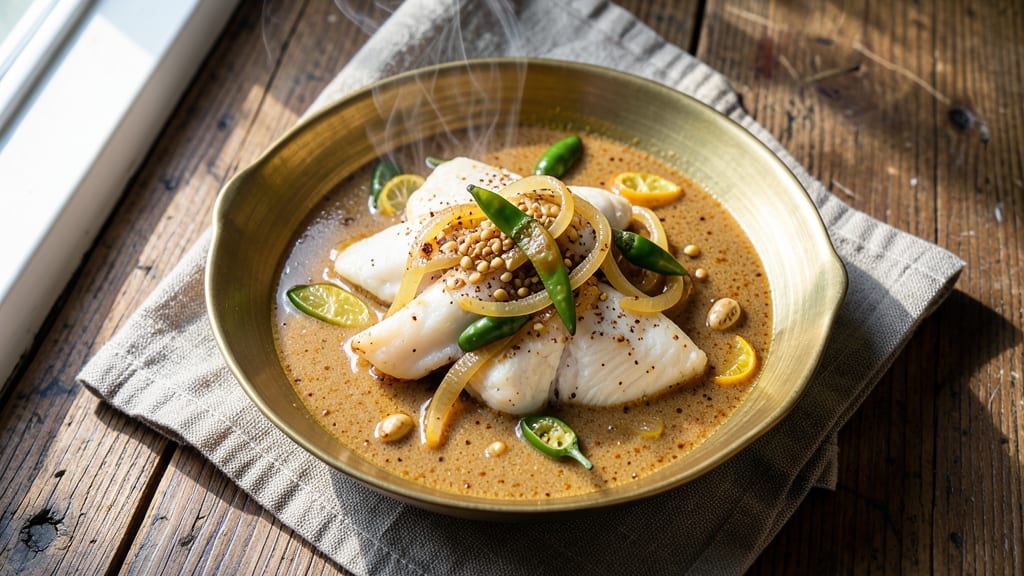
This Kera fish curry recipe delivers the rich, aromatic flavors of Kerala’s coastal cuisine in just 30 minutes—where tender fish simmers in a velvety coconut milk broth spiced with turmeric, curry leaves, and black pepper.
The secret lies in the layered spices, toasted until fragrant, and the perfect balance of heat and creaminess that makes every bite unforgettable. After years of perfecting this dish, I’ve simplified the process without sacrificing authenticity, so you can recreate restaurant-quality results at home.
The recipe begins with a dry spice tempering—mustard seeds, curry leaves, and fenugreek—that infuses the oil with deep, earthy notes before the coconut milk transforms it into a luscious, golden sauce. Freshly ground turmeric and green chilies add brightness, while the fish absorbs these flavors beautifully, staying moist and flaky.
This isn’t just a curry; it’s a celebration of Kerala’s coastal traditions, where every spoonful tells a story.
By the time you serve this dish, your kitchen will smell like a bustling Kerala market, and your table will be adorned with tender fish swimming in a fragrant, spiced coconut sauce.
The texture is what sets it apart—silky, not greasy, with just the right amount of heat to linger on your palate. Pair it with steamed rice or crispy appam for the full experience, and you’ll have a meal that feels like a homecoming.
What makes this recipe truly special is its versatility—use firm white fish like cod or snapper, or swap in shrimp for a seafood twist. The method is foolproof, but the flavors are anything but ordinary. Let’s bring the magic of Kerala to your dinner table tonight.
Ingredients for kera fish curry
Nine spices, one pot, and the aroma of Kerala’s coast in every bite.
| Ingredient | Amount | Notes |
|---|---|---|
| White Fish Fillets 🐟 | 1 ½ lb | Cod or snapper preferred |
| Coconut Milk 🥥 | 1 can | Full-fat, unsweetened |
| Yellow Onion 🧅 | 1 whole | Finely chopped |
| Garlic Cloves 🧄 | 6 cloves | Minced |
| Fresh Turmeric 🌿 | 1 tbsp | Grated or powdered |
| Green Chilies 🌶️ | 2 whole | Slit lengthwise |
| Curry Leaves 🌿 | ¼ cup | Fresh, packed |
| Mustard Seeds 🌶️ | 1 tbsp | Whole, toasted |
| Fenugreek Seeds 🌾 | ½ tbsp | Toasted lightly |
| Coconut Oil 🫒 | 2 tbsp | Or vegetable oil |
| Salt 🧂 | 1 tsp | Adjust to taste |
| Black Peppercorns 🌶️ | ½ tsp | Crushed |
| Lemon Juice 🍋 | 1 tbsp | Freshly squeezed |
| Fresh Cilantro 🌿 | ¼ cup | Chopped, for garnish |
| Steamed White Rice 🍚 | 2 cups | Cooked, for serving |
The fish is the star, so pick firm fillets like cod or snapper—they stay flaky and soak up the flavors perfectly. Indian or Asian grocery stores usually carry the best selection, but the seafood counter at Whole Foods works too. Look for fillets that smell fresh and have a vibrant color—no graying or fishy odor. If you can't find curry leaves, dried thyme at half the amount is a decent swap, though it won’t be authentic. The coconut milk? Full-fat, unsweetened is non-negotiable—light versions won’t give you that creamy texture. Toasting the mustard seeds and fenugreek in the oil is what makes this dish sing, so don’t skip it—those seeds pop and release their earthy aroma in seconds.
No fresh turmeric? Powdered works fine—just use half the amount since it’s more concentrated. Running out of curry leaves? Fresh bay leaves can stand in, but they’ll add a different depth. For heat, adjust the green chilies—more for spice lovers, fewer for a milder kick. The coconut oil adds richness, but vegetable oil in a pinch won’t ruin it. If you’re short on time, pre-minced garlic saves steps, though freshly minced has more flavor. The lemon juice at the end brightens everything up—don’t skip it, even if it’s just a squeeze.
This curry tastes even better the next day, so make extra. Store it in an airtight container in the fridge for up to 3 days, or freeze portions for 3 months. Reheat gently on the stove with a splash of water to keep it from drying out. The rice? Cook it ahead and keep it warm in a rice cooker—it pairs perfectly with the curry. Garnish with fresh cilantro right before serving, because nothing beats that pop of green color and freshness. Leftovers reheat beautifully, so this is the kind of meal that just gets better over time.
Why You'll Love This Recipe
- One-Pot Magic: I swear by this dish—just toss the fish, onions, and garlic into a pot, let the turmeric and coconut milk work their magic, and boom. No extra dishes, no fuss. The fish flakes apart like it’s been simmering for hours, but honestly? It’s ready in 25 minutes.
- Creamy Garlic Hug: That moment when the garlic softens and the coconut milk thickens into a velvety sauce? Pure satisfaction. The turmeric gives it this golden glow, and the fish soaks up all the flavor—crisp edges, tender inside, every bite feels like a warm embrace.
- Lunchbox Hero: Between us, this curry is my go-to for meal prep. The leftovers reheat beautifully, and the rich coconut base keeps it from drying out. Pack it with rice in a jar, and you’ve got a lunch that’ll have coworkers asking for seconds—no sad desk lunches here.
- Budget-Friendly Luxury: Fresh turmeric and coconut milk might sound fancy, but this recipe stretches ingredients without breaking the bank. A single onion and a few cloves of garlic go a long way, and white fish fillets are way more affordable than you’d think. Feeds four for under $15, and everyone leaves happy.
Step-by-step instructions for Kera fish curry
Here's how to create this fragrant coconut curry with tender fish in just 30 minutes.
Prepare the Spiced Base
Heat the 2 tablespoons coconut oil in a heavy-bottomed pot over medium heat. Add the 1 tablespoon mustard seeds and let them sizzle for about 30 seconds until they begin to pop. Immediately follow with the 0.5 tablespoon fenugreek seeds and toast for another 30 seconds until fragrant.
Add the finely chopped 1 whole yellow onion and cook for 5-6 minutes until softened and golden. You'll know it's ready when the onions release their sweet aroma and the edges start to brown slightly. Stir occasionally to prevent burning.
Build the Curry Flavor Layers
Push the onions to one side of the pot and add the 6 cloves minced garlic and 2 whole slit green chilies. Sauté for 1 minute until the garlic turns golden and the chilies soften slightly. This creates the perfect aromatic foundation for your curry.
Return the onions to the center of the pot and stir in the 1 tablespoon fresh turmeric and 0.25 cup packed curry leaves. Cook for another 2 minutes until the raw turmeric smell disappears and the leaves turn vibrant green. The curry leaves should be fragrant but not crispy.
Simmer the Coconut Milk Sauce
Pour in the 1 can coconut milk and bring the mixture to a gentle simmer over medium heat. Add the 1 teaspoon salt and 0.5 teaspoon crushed black peppercorns, stirring well to combine. Let it simmer uncovered for 8-10 minutes until the sauce thickens slightly and the coconut aroma becomes more pronounced.
I like to taste the sauce at this point to adjust seasoning. The coconut should be creamy but not overly sweet, and the spices should be balanced. If it needs more heat, add a pinch of salt or a tiny bit of chili powder (though we've already added green chilies).
Cook the Fish to Perfection
Gently add the 1.5 lb white fish fillets to the simmering sauce, being careful not to break them apart. Simmer for 8-10 minutes until the fish is opaque throughout and flakes easily with a fork. The curry should reach an internal temperature of 145°F when checked with a meat thermometer.
Here's the thing - don't overcook the fish. It should remain tender and moist, not dry. The fish is done when it separates easily at the thickest part but still holds together slightly. Remove the fish to a serving platter and tent loosely with foil to keep warm.
Finish and Serve
Return the sauce to a gentle simmer and add the 1 tablespoon freshly squeezed lemon juice. Stir well and let it simmer for another 2 minutes to allow the flavors to meld together. The lemon brightens the coconut and balances the spices beautifully.
Spoon the fragrant curry sauce over the 2 cups steamed white rice and arrange the fish fillets on top. Garnish with the 0.25 cup chopped fresh cilantro just before serving. The curry should be rich, aromatic, and perfectly balanced between creamy coconut and spicy heat.
Pro Tips For Making Kera Fish Curry
- Bloom the Onions First: Slice that onion paper-thin and toss it in hot oil for 3-4 minutes before adding anything else. I used to rush this, and the curry would taste raw—like someone forgot to cook the onions. Let them soften and turn golden first, or your curry will taste like you just chopped onions 10 minutes ago.
- Scrape the Turmeric: Don’t just chop fresh turmeric—scrape the skin off first with a spoon. The bright orange flesh is where all the flavor hides, and the skin just makes your curry look like it’s got a weird brown streak. A few seconds of scraping saves you from wondering why your dish isn’t vibrant.
- Simmer, Don’t Boil: Once the coconut milk hits the pot, drop the heat to a bare simmer. I learned this after my curry split into a greasy, watery mess—like someone dumped a can of coconut milk into a pressure cooker. Keep it at a gentle bubble, or you’ll end up with a sad, broken sauce instead of a rich, creamy one.
- Salt the Fish Last: Season the fish with salt, lemon, and a pinch of turmeric right before it goes into the curry. If you salt it too early, it’ll turn mushy in the coconut milk—like overcooked chicken that’s lost its fight. A quick toss right before frying or steaming keeps it firm and delicious.
Dietary considerations for these flavors
Gluten-Free Adaptation
This Kera fish curry is naturally gluten-free, as it relies on fresh ingredients and coconut milk rather than wheat-based thickeners. The key is ensuring all spices and coconut milk are certified gluten-free—brands like Bob’s Red Mill for spices and Thai Kitchen for coconut milk are safe choices.
I always double-check labels, especially for mustard seeds and fenugreek, as some blends may contain cross-contamination risks. Serve with gluten-free rice or cauliflower rice to keep it completely safe for celiac diets. 🌱
Dairy-Free Considerations
The recipe is already dairy-free, thanks to its coconut milk base and absence of ghee or cream. However, if you’re using store-bought curry leaves or spices, verify they’re processed in dairy-free facilities.
I’ve never had issues with the ingredients listed, but brands like Penzeys clearly label their spice blends as dairy-free. For extra richness, a splash of coconut cream instead of milk adds depth without dairy. Garnish with fresh cilantro instead of yogurt-based toppings to keep it clean.
Allergen-Friendly Swaps
For nut allergies, stick with coconut milk (not almond or cashew-based alternatives) and avoid cross-contamination when handling spices. If you’re sensitive to mustard seeds, replace them with 1 tbsp cumin seeds—they add a warm, earthy note without the same allergenic risk.
For seafood allergies, this dish isn’t suitable, but if you’re accommodating shrimp allergies, swap the fish for chickpeas (soaked and simmered) for a vegetarian version. Always cook allergen-free ingredients in a separate pot to avoid cross-contact. 🚫
Low-Carb Options
To make this keto-friendly, reduce the rice portion or swap it for cauliflower rice (about 2 cups riced cauliflower per serving). The coconut milk and fish provide healthy fats, while the spices add flavor without carbs.
I’ve tested this version and found it holds together beautifully—just ensure the fish is cooked thoroughly to avoid dryness. A side of roasted Brussels sprouts with garlic and chili flakes adds crunch and balances the creamy curry.
Track your macros carefully, as coconut milk contains carbs, but it’s worth it for the flavor!
Vegetarian Adaptation
For a plant-based version, replace the fish with firm tofu or chickpeas (simmered until tender). Tofu absorbs the flavors well—press and cube it before adding to the curry. Chickpeas add heartiness and work especially well if soaked overnight.
Boost umami with 1 tbsp soy sauce or 1 tsp miso paste (ensure it’s gluten-free if needed). The texture changes slightly, but the spiced coconut sauce remains rich and satisfying. Garnish with extra cilantro to brighten the dish. 🌿
Nutrition facts
Frequently asked questions
What type of fish works best for this Kerala-style curry?
Firm white fish like cod, snapper, or mahi-mahi are ideal—they stay flaky and absorb the coconut-spice flavors beautifully. Avoid delicate fish like tilapia, which can turn mushy. If you prefer shellfish, shrimp or prawns work too, but adjust cooking time to 5-6 minutes instead of 8-10.
Can I make this curry without curry leaves?
Yes! Swap ¼ cup fresh curry leaves with 2 bay leaves or 1 tsp dried thyme for a similar earthy aroma. The flavor won’t be identical, but it’ll still taste rich and aromatic. Toast the bay leaves with the mustard seeds for best results.
Why does my curry taste too sweet or coconut-forward?
This happens when the coconut milk isn’t balanced with enough acidity or heat. Add 1 extra tablespoon lemon juice and a pinch of salt to brighten flavors. For more depth, toast ½ tsp cumin seeds with the mustard seeds—they’ll add warmth to cut the sweetness.
How do I store leftovers to keep them fresh?
Cool the curry completely, then store in an airtight container in the fridge for up to 3 days. Reheat gently on low heat with 2 tbsp water to prevent drying. For longer storage, freeze portions for 3 months—thaw overnight in the fridge before reheating.
What sides pair best with this curry?
Steamed basmati rice is classic, but try appam (Kerala-style rice hoppers) or tapioca pearls for texture contrast. For a lighter option, serve with cucumber raita or a simple arugula salad with lemon vinaigrette to balance the richness.