
Main Courses
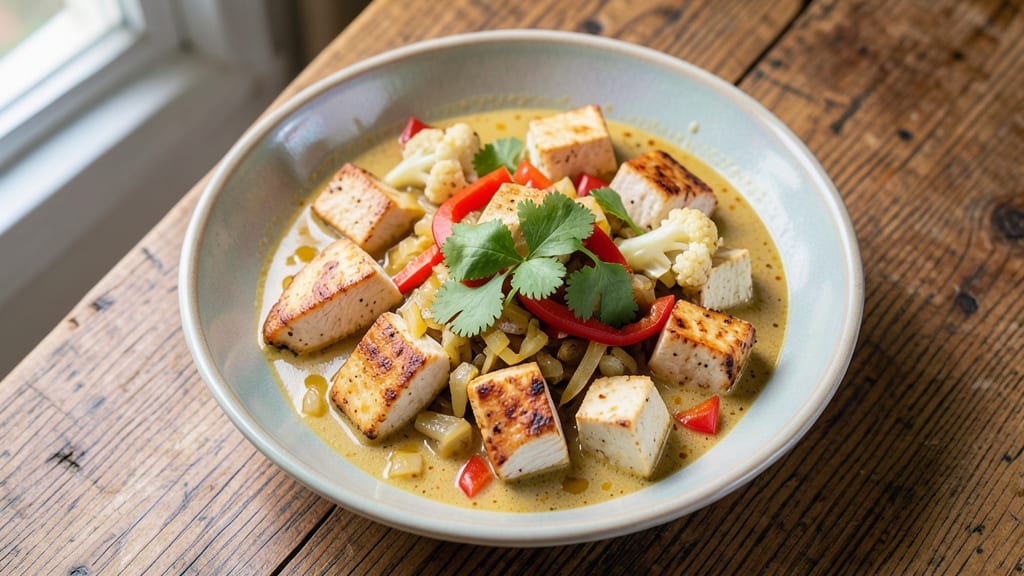
Creating a kidney-friendly curry recipe that doesn’t compromise on flavor is entirely possible—this one-pot dish delivers rich, aromatic taste while carefully selecting ingredients safe for kidney health. The secret lies in balancing spices like turmeric and ginger, which add depth without relying on high-potassium ingredients like tomatoes or potatoes.
Every bite is packed with mild yet satisfying flavor, making it perfect for those managing kidney function.
This recipe focuses on lean protein like chicken or turkey, paired with low-potassium vegetables such as bell peppers and cauliflower, all simmered together in a single pot. The mild curry powder and aromatic spices create a comforting, restaurant-quality dish without the need for high-sodium or restricted ingredients.
It’s designed to be gentle on the kidneys while still feeling indulgent.
What you’ll end up with is a creamy, flavorful curry that’s easy to digest and packed with protein—ideal for a balanced meal. The one-pot method ensures minimal cleanup, and the portion control makes it simple to adjust for dietary needs.
Serve it with steamed rice or quinoa for a complete, kidney-friendly dinner that everyone at the table will enjoy.
Whether you're cooking for someone with kidney concerns or simply looking for a lighter curry option, this recipe delivers on both flavor and nutrition. The instructions are straightforward, and the ingredients are easy to find, making it a go-to for healthy, satisfying meals without compromise.
Ingredients for kidney friendly curry
Lean protein, low-potassium vegetables, and aromatic spices—this kidney-friendly curry delivers restaurant-quality flavor in one pot.
| Ingredient | Amount | Notes |
|---|---|---|
| Boneless, Skinless Chicken Breast 🍗 | 1 ½ lb | Cut into 1-inch cubes for even cooking |
| Extra-Firm Tofu 🍫 | 14 oz | Pressed and cubed for texture |
| Red Bell Pepper 🌶️ | 1 whole | Diced, low-potassium vegetable |
| Cauliflower Florets 🥬 | 2 cups | Fresh or frozen, chopped |
| Yellow Onion 🧅 | 1 whole | Finely diced, mild flavor |
| Fresh Ginger 🌿 | 2 tbsp | Grated, aromatic base |
| Turmeric Powder 🌶️ | 1 tsp | Anti-inflammatory properties |
| Ground Cumin 🌿 | 1 tsp | Toasted for enhanced flavor |
| Mild Curry Powder 🌶️ | 1 ½ tbsp | Low-sodium blend preferred |
| Coconut Milk 🥥 | 1 can | Light variety, 13.5 oz total |
| Extra-Virgin Olive Oil 🫒 | 2 tbsp | For sautéing vegetables |
| Low-Sodium Chicken Broth 💧 | 1 ½ cups | Homemade or quality store-bought |
| Fresh Cilantro 🌿 | ¼ cup | Chopped, for garnish |
| Lime Juice 🍋 | 1 tbsp | Freshly squeezed |
| Diamond Crystal Kosher Salt 🧂 | ½ tsp | Adjust to taste |
The chicken breast and extra-firm tofu provide the lean protein foundation—both are low in potassium and high in quality. For tofu, press it for 15 minutes before cubing to remove excess water, which ensures better texture. Trader Joe's and Whole Foods carry excellent pre-pressed options if you prefer convenience. The red bell pepper and cauliflower are critical for their mild flavor and low potassium content; opt for fresh cauliflower if possible, as frozen can sometimes dilute the dish's texture. Yellow onion adds sweetness without overpowering, and fresh ginger is essential for that bright, aromatic kick—Penzeys or Spicewalla offer premium ground ginger if you want to elevate the flavor profile.
No mild curry powder? Mix 1 tsp each of turmeric, cumin, and coriander for a close substitute. Coconut milk can be swapped with low-fat Greek yogurt (½ cup) if you're watching potassium, though the texture will differ slightly. Fresh cilantro is optional but adds a vibrant finish—if unavailable, dried cilantro at ⅓ the amount works in a pinch. The lime juice brightens the dish, so don’t skip it; Mexican lime juice from Trader Joe's is a budget-friendly shortcut. For extra depth, toast the cumin and curry powder in a dry pan for 30 seconds before adding to the pot—this step enhances their natural oils and flavor without adding sodium.
This curry reheats beautifully—store in airtight containers for up to 4 days in the fridge or freeze portions for 3 months. The flavors meld even better the next day, making it ideal for meal prep. Portion into single servings before freezing to simplify reheating. Serve over steamed basmati rice or quinoa to round out the meal; both grains are low in potassium and pair perfectly with the creamy, spiced curry. Leftovers can be repurposed into curry flatbreads or soups for added variety.
Why You'll Love This Recipe
- I’ll be real: this recipe doesn’t break the bank. Chicken breast and tofu stretch across multiple servings, and onions, bell peppers, and cauliflower are usually on sale. Plus, the spices? A tiny jar of cumin and turmeric goes a long way. It’s the kind of dish where you get restaurant-quality flavor without the price tag.
- One-Pan Magic: I swear by this recipe because it’s actually one-pan—no chopping boards, no extra pots. Just toss the chicken, tofu, and veggies right in, let the spices work their magic, and you’re done. The bell peppers soften perfectly while the cauliflower stays bright, so you get texture and color without fuss.
- Hidden Depth: Here’s what sold me—the slow-simmered onion base builds layers of flavor without needing heavy cream or coconut milk. A pinch of cumin and coriander turns simple ingredients into something ridiculously satisfying, even for picky eaters. (Yes, even my husband—who claims to hate curry—asks for seconds.)
- Meal Prep MVP: Between us, this curry is my secret weapon for busy weeks. The tofu and chicken hold up for days, and the cauliflower keeps its bite, so leftovers taste just as good cold or reheated. I make a double batch on Sundays, freeze half, and boom—healthy dinner solved for when I’m too tired to cook.
Step-by-step instructions for kidney-friendly curry
This method delivers rich flavor while keeping potassium and sodium in check—perfect for one-pot convenience.
Prepare the Protein and Vegetables
Cut the 1.5 lb boneless, skinless chicken breast into 1-inch cubes for even cooking. Press the 14 oz extra-firm tofu between paper towels with a heavy object for 15 minutes to remove excess moisture, then cube it. Dice the 1 whole red bell pepper and 1 whole yellow onion into ¼-inch pieces—smaller pieces cook faster and absorb flavors better.
Grated 2 tbsp fresh ginger releases its aromatic oils immediately, so measure it first. Finely chop the 2 cups cauliflower florets into even ½-inch florets for consistent texture. Keep all prepared ingredients within reach for efficient assembly—this is a one-pot dish, so organization matters.
Sauté Aromatics and Build the Base
Heat the 2 tbsp extra-virgin olive oil in a 5-quart Dutch oven over medium heat until shimmering. Add the diced onion and cook for 4 minutes until translucent. Stir in the grated ginger, 1 tsp ground cumin, and 1.5 tbsp mild curry powder, toasting for 30 seconds until fragrant—this awakens the spices' natural oils.
Add the diced red bell pepper and cook for 3 minutes until slightly softened. The reason we sauté vegetables first is to develop their flavors before adding liquids, which prevents them from turning mushy. Keep the heat at medium to avoid burning the spices.
Simmer the Curry with Low-Sodium Broth
Pour in the 1.5 cups low-sodium chicken broth and scrape up any browned bits from the bottom of the pot. Bring to a gentle simmer, then add the cubed chicken breast and tofu. Partially cover the pot and simmer for 12 minutes until the chicken reaches 165°F internally—this ensures tenderness without overcooking.
Stir in the 2 cups cauliflower florets and 1 tsp turmeric powder, then add the 1 can coconut milk. The curry should now have a creamy, velvety texture with visible spices suspended throughout. Simmer uncovered for 8-10 minutes until the cauliflower is tender but still holds its shape—overcooking turns it to mush.
Finish with Acid and Garnish
Remove the pot from heat and stir in the 1 tbsp lime juice—this brightens the flavors and balances the richness of the coconut milk. Taste and adjust seasoning with the 0.5 tsp diamond crystal kosher salt if needed, but the low-sodium broth and mild curry powder should keep sodium in check.
Garnish with the 0.25 cup chopped fresh cilantro just before serving. The acidity of the lime and the freshness of the cilantro elevate the dish without adding unnecessary potassium. Serve immediately over steamed basmati rice or with whole-grain naan for a complete meal.
Pro Tips For Making Kidney Friendly Curry
- Sear Chicken First: The chicken breast will dry out if you simmer it raw—no one wants rubbery curry. Hit it with 2 tablespoons of oil in a hot pan for 3-4 minutes per side until golden before adding spices. The crust locks in moisture and adds depth that plain simmering can’t match.
- Press Tofu Like a Pro: Skip the soggy tofu by wrapping the block in a clean towel, placing it between two plates, and pressing it for 15 minutes. This removes excess water so it absorbs the curry flavors instead of turning to mush. (Yes, it’s tedious, but your curry will thank you.)
- Cut Cauliflower Small: Big florets stay crunchy and undercooked—no one likes al dente cauliflower in curry. Break them into bite-sized pieces (about 1-inch chunks) so they soften evenly in the same time as the chicken. Uneven cooking is the fastest way to ruin a dish.
- Finish with Fresh Onion: Sauté raw yellow onion slices in the last 2 minutes of cooking—it adds a bright, sharp contrast to the rich curry. The onion’s crunch and freshness cut through the heaviness of the chicken and tofu. (Save 2 slices for this; don’t skip it.)
Best sauces and condiments for this kidney friendly curry
Coconut Milk Magic
The light coconut milk (13.5 oz can) is the secret weapon here, providing creaminess without the high potassium of traditional curry bases like tomatoes or yogurt. I always choose Thai Kitchen or Goya brands—they’re consistently smooth and free from added sodium.
For extra richness, stir in 1 tbsp unsweetened coconut cream at the end, but keep it optional since it adds minimal flavor impact. The coconut milk’s natural fats also help balance the spices beautifully, creating that velvety texture we all love in curries. 🥥
Low-Sodium Broth Boost
Never skip the low-sodium chicken broth—it’s the flavor anchor for this dish. I recommend Imagine or Pacific Foods brands, both of which are kidney-friendly and packed with umami.
If you’re making it from scratch, simmer chicken bones with 1 bay leaf and 1 sprig thyme for 45 minutes to extract maximum flavor without excess sodium. The broth adds depth while keeping potassium levels safe for kidney health.
A splash of extra broth at the end can also help adjust consistency if the curry feels too thick. 💧
Ginger-Lime Brightness
The combination of fresh ginger and lime juice is non-negotiable for balancing the curry’s richness. I always use Mexican lime juice from Trader Joe’s—it’s more concentrated and adds a zesty punch. For the ginger, Penzeys or Spicewalla ground ginger is my go-to if fresh isn’t available.
The lime juice should be added at the very end to preserve its bright acidity, which cuts through the coconut milk’s fat and makes every bite feel fresh. 🍋
Spice Blends Matter
Using a mild curry powder is crucial—avoid anything labeled "hot" or "extra spicy." I like Badia or Simply Organic mild blends, which provide warm, earthy notes without overpowering.
If you’re making your own blend, mix 1 tsp turmeric, 1 tsp cumin, and ½ tsp coriander for a kidney-friendly alternative. Toasting the spices in the oil for 30 seconds unlocks their full flavor potential, so never skip this step.
The spices should be fragrant but not burnt—just enough to make your kitchen smell amazing. 🌶️
Cilantro Garnish
Fresh cilantro isn’t just for garnish—it adds a vibrant, herbaceous note that elevates the dish. If you’re avoiding potassium, use dried cilantro (⅓ the amount) as a substitute, though it won’t have the same freshness.
For a pop of color, I also sprinkle a pinch of smoked paprika over the top, which adds a subtle smokiness without extra sodium. The cilantro should be chopped finely so it distributes evenly and brightens every spoonful. 🌿
Olive Oil Finish
A drizzle of extra-virgin olive oil (just 1 tsp per serving) at the end adds a luxurious finish and helps the curry cling to rice or bread. I recommend California Olive Ranch or Bertolli for their balanced, fruity profiles.
The oil also carries the aromatic spices with each bite, making the dish feel even more indulgent. For an extra touch, a few drops of white miso paste (just ½ tsp) can add umami depth—just ensure it’s low-sodium. 🫒
Nutrition facts
Frequently asked questions
Can I use tofu instead of chicken in this kidney-friendly curry?
The recipe already includes both! The 14 oz extra-firm tofu provides a plant-based protein option that's naturally low in potassium. Press it well to remove excess water before cooking for the best texture. For extra flavor, marinate the tofu in 1 tbsp lime juice and ½ tsp turmeric for 15 minutes before adding to the pot.
What vegetables are safe to use in kidney-friendly curries?
Stick to low-potassium options like bell peppers, cauliflower, zucchini, and green beans. Avoid high-potassium veggies like tomatoes, potatoes, or spinach. The recipe uses red bell pepper and cauliflower for their mild flavors and kidney-safe profiles.
How can I make this curry even milder for sensitive stomachs?
Reduce the mild curry powder to 1 tbsp instead of 1.5 tbsp and omit the cumin if needed. For extra creaminess without spices, stir in ½ cup low-fat Greek yogurt at the end. The coconut milk already provides a smooth base that softens any heat.
Can I freeze leftovers of this kidney-friendly curry?
Yes! Portion into airtight containers and freeze for up to 3 months. Thaw overnight in the fridge before reheating. The flavors actually improve after reheating, making it perfect for meal prep. Just add a splash of low-sodium broth if it thickens upon reheating.