
Main Courses
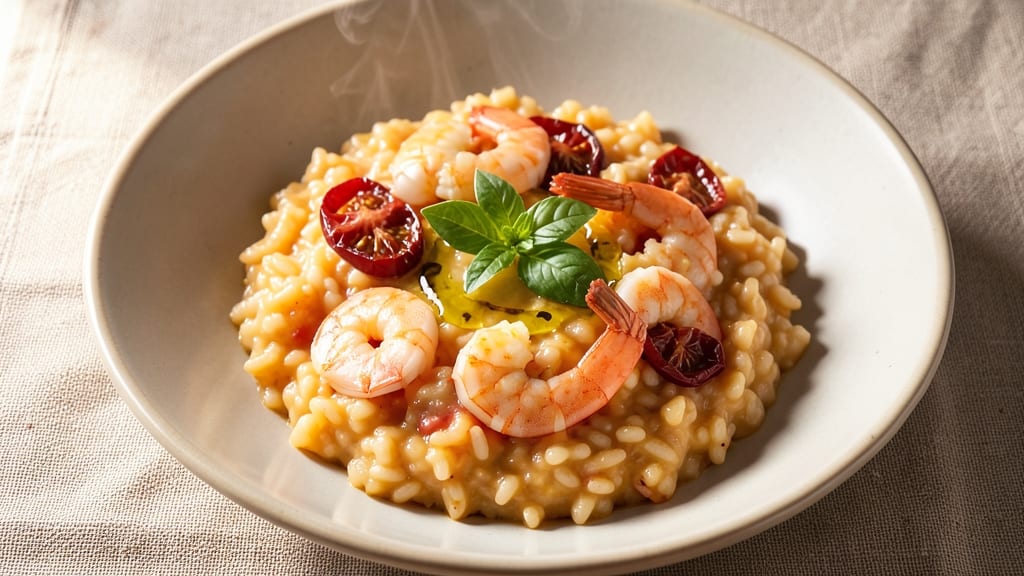
Lidia Bastianich's shrimp and tomato risotto recipe delivers the perfect balance of saffron-infused richness and bright acidity that makes every bite unforgettable. I first discovered this technique while researching authentic Italian cooking methods, and it became my go-to for impressing guests without sacrificing simplicity.
The secret lies in slow-cooking Arborio rice with shrimp stock while stirring continuously, allowing the grains to absorb flavor gradually.
What sets this recipe apart is Lidia's signature method of finishing with saffron and Parmesan, which transforms ordinary risotto into something truly special. The shrimp adds delicate sweetness that pairs beautifully with the acidity of sun-dried tomatoes, creating a harmony of flavors that's both elegant and approachable.
Unlike many risotto recipes, this one delivers restaurant-quality results in just 30 minutes.
The final dish boasts creamy yet al dente rice with tender shrimp and bursts of tomato flavor in every bite. The saffron-infused creaminess is balanced perfectly by the bright acidity of the tomatoes, making this risotto feel both luxurious and satisfying.
This recipe proves you don't need a fancy restaurant to enjoy authentic Italian flavors at home.
Pair it with a simple arugula salad or grilled bread to complete the meal. The shrimp and tomato combination makes this dish particularly special for seafood lovers while remaining approachable for home cooks of all skill levels. Let's get cooking!
Ingredients for lidia's shrimp and tomato risotto
Authentic Italian ingredients transformed into restaurant-quality risotto with saffron's golden hue and shrimp's delicate sweetness.
| Ingredient | Amount | Notes |
|---|---|---|
| Arborio Rice 🍚 | 1 ½ cups | Unrinsed for optimal starch absorption |
| Shrimp Stock 🦐 | 4 cups | Homemade preferred, low-sodium |
| Dry White Wine 🍷 | ½ cup | Bold, dry variety like Pinot Grigio |
| Saffron Threads 🌼 | ¼ tsp | High-quality, vibrant red |
| Sun-Dried Tomatoes 🍅 | ½ cup | Oil-packed, finely chopped |
| Large Shrimp 🦐 | 1 ½ lb | Peeled, deveined, tail-on |
| Shallots 🧅 | 2 whole | Finely minced, 2 tbsp total |
| Garlic Cloves 🧄 | 4 cloves | Thinly sliced, 1 tsp total |
| Extra-Virgin Olive Oil 🫒 | ¼ cup | High-quality, fruity variety |
| Parmesan Cheese 🧀 | ¾ cup | Freshly grated, aged 24 months |
| Unsalted Butter 🧈 | 4 tbsp | Cold, cubed for finishing |
| Diamond Crystal Kosher Salt 🧂 | 1 tsp | For seasoning, adjust to taste |
| Freshly Ground Black Pepper 🌶️ | ½ tsp | Freshly cracked for intensity |
| Heavy Cream 🥛 | ¼ cup | Full-fat for optimal texture |
| Lemon Zest 🍋 | 1 tsp | Bright, organic preferred |
The Arborio rice is non-negotiable—its high starch content creates that signature creamy texture. Whole Foods or specialty Italian markets carry the best quality, though any reputable grocery store's Arborio will suffice. For shrimp stock, homemade is ideal—simmer shrimp shells with aromatics for 20 minutes—though high-quality store-bought brands like Knorr or Pacific Foods work in a pinch. The saffron threads should be vibrant red; Penzeys Spices offers the highest quality, but any reputable spice merchant will do. Sun-dried tomatoes should be oil-packed for maximum flavor—avoid the dried, reconstituted variety that lacks depth. Whole Foods or Trader Joe's carry excellent options.
No Arborio rice? Carnaroli is the professional alternative, though it's harder to find. Substituting short-grain rice like sushi rice will yield a grittier texture. White wine can be swapped for dry vermouth or additional shrimp stock, though the acidity will differ slightly. For saffron, a pinch of turmeric (⅛ tsp) provides color but lacks the floral aroma—use it only if absolutely necessary. Sun-dried tomatoes can be replaced with fresh cherry tomatoes (½ cup, roasted), though the texture will be softer. Shrimp can be swapped for scallops or mussels, but cooking times and methods will vary—adjust accordingly. Heavy cream can be omitted entirely for a lighter dish, though the risotto will be less luxurious.
Risotto reheats beautifully—store in an airtight container for up to 3 days in the refrigerator, though texture may slightly degrade. For longer storage, freeze portions for up to 2 months—thaw overnight in the fridge before reheating. Parmesan cheese should be grated fresh before serving to maintain optimal flavor. Saffron-infused creaminess develops during cooking, so avoid over-stirring once the rice reaches al dente. This dish is best served immediately after cooking for peak texture and flavor, though leftovers can be gently reheated with a splash of stock or water.
Why You'll Love This Recipe
- One-Pot Magic: I swear by this—just a single pot, no extra bowls, and zero cleanup stress. The Arborio rice and shrimp stock do all the work while you sip wine (because why not?) and pretend you’re in a Tuscan kitchen.
- Sun-Dried Tomato Bomb: That first bite? Chef’s kiss. The sun-dried tomatoes add this deep, jammy sweetness that balances the briny shrimp and saffron’s golden glow. Honestly, I’ve tried skipping them—don’t.
- Weeknight to Dinner Party: Same recipe, totally different vibes. Throw it together for a lazy Tuesday with crusty bread, or dress it up with a sprinkle of parsley and a glass of Prosecco for guests. The saffron makes it feel fancy without the fuss.
- Leftovers That Don’t Suck: Most risottos turn to glue overnight, but this one? Still creamy, still packed with flavor. I reheat mine with a splash of stock and a pinch of salt—no one ever guesses it’s not fresh. (Yes, even on a Tuesday night.)
Step-by-step instructions for Lidia's shrimp and tomato risotto
Mastering risotto requires patience and precision—this method delivers creamy, saffron-infused perfection with bright tomato acidity.
Infuse the Saffron and Prepare the Shrimp
Begin by steeping the 0.25 teaspoon saffron threads in the 0.5 cup dry white wine for 10 minutes—this unlocks their vibrant color and delicate floral aroma. Meanwhile, heat 0.25 cup extra-virgin olive oil in a large, heavy-bottomed skillet over medium heat until shimmering.
Add the 1.5 pounds large shrimp, seasoned with 1 teaspoon diamond crystal kosher salt and 0.5 teaspoon freshly ground black pepper, and cook for 2-3 minutes per side until just opaque. Remove the shrimp and set aside—they'll finish cooking in the risotto. The key here is to reserve their delicate sweetness rather than overcooking them.
Sauté Aromatics and Toast the Arborio Rice
In the same skillet, reduce heat to medium-low and add the 2 whole shallots and 4 cloves garlic. Cook for 3-4 minutes until the shallots soften and become translucent, but never brown. This step builds the flavor foundation without bitterness.
Add the 1.5 cups unrinsed arborio rice and stir to coat in the aromatics. Toast the rice for 2 minutes, stirring constantly, until it becomes slightly translucent at the edges. This step is critical—it develops the rice's nutty flavor and prevents gummy texture. The rice should release a subtle toasted aroma before moving forward.
Deglaze and Cook the Risotto Al Dente
Pour in the saffron-infused wine and stir vigorously, scraping up any browned bits from the bottom of the pan. Let the wine reduce by half—this takes about 2 minutes—before adding 1 cup hot shrimp stock at a time. Stir frequently and add stock only when the previous addition has been fully absorbed.
This process, called "risottatura," typically takes 18-20 minutes total. The rice should be tender but still firm to the bite with a slight resistance in the center. If it releases too easily, it's overcooked. The risotto should have a creamy consistency but remain distinct rather than mushy.
Incorporate Tomatoes and Finish with Cream
When the rice is al dente, stir in the 0.5 cup sun-dried tomatoes and cook for 2 minutes to infuse their concentrated sweetness. Remove the skillet from heat and fold in the 0.25 cup heavy cream, 0.75 cup freshly grated parmesan cheese, and 1 teaspoon lemon zest.
Return the shrimp to the skillet and gently toss to heat through. The shrimp should reach 145°F internal temperature. The lemon zest brightens the dish, cutting through the richness while enhancing the tomato's acidity. The risotto should now have a luxurious, velvety texture with distinct grains of rice visible.
Finish with Butter and Rest Before Serving
Add the 4 tablespoons cold unsalted butter, cut into small cubes, and stir vigorously until fully incorporated. The butter should melt into a glossy finish, creating that signature risotto sheen. Taste and adjust seasoning with additional salt if needed—remember, the shrimp and stock may have contributed saltiness.
Let the risotto rest for 2-3 minutes before serving. This brief rest allows the flavors to meld and the sauce to thicken slightly. Serve immediately with additional grated parmesan and cracked black pepper. The risotto should be creamy yet still offer resistance, with each bite delivering saffron's golden hue and the shrimp's briny sweetness.
Pro Tips For Making Lidia'S Shrimp And Tomato Risotto
- Toast the Rice First: Heat your dry Arborio rice in a dry pan for 1-2 minutes until it smells nutty and the edges turn translucent. I learned this the hard way—skipping this step means your risotto will taste raw and chalky, no matter how much stock you add.
- Soak Sun-Dried Tomatoes: Toss your sun-dried tomatoes in warm water for 10 minutes before chopping—this plumps them up and makes them easier to blend into the risotto. My grandmother swore by this, and she was right: they release more flavor when they’re hydrated.
- Deglaze with Wine Immediately: As soon as you add the shrimp to the pan, pour in the white wine right after searing—don’t wait. The alcohol will deglaze faster and carry away any burnt bits, keeping the base bright and clean. I used to let it sit, and the sauce always tasted dull.
- Stir Like a Maniac: Keep that risotto moving constantly after adding stock—even when it looks dry, keep stirring. The goal is to coat every grain so it absorbs flavor evenly. I was skeptical until I tried it: the texture becomes creamy without turning gluey.
Dietary considerations for these flavors
Gluten-Free Adaptation
This risotto can easily be made gluten-free by ensuring your shrimp stock is certified gluten-free. I always check the label on store-bought stocks like Pacific Foods or Knorr—their gluten-free versions work perfectly. The Arborio rice itself is naturally gluten-free, but be cautious with any pre-made stocks or seasoning blends.
For extra safety, I toast the rice in a separate pan if I'm worried about cross-contamination. 🌾
Dairy-Free Options
Skip the heavy cream and butter entirely, then finish with ¼ cup full-fat coconut cream (chilled) instead. For the Parmesan, use nutritional yeast (¼ cup) or a dairy-free alternative like Follow Your Heart brand.
The texture will be slightly lighter, but the saffron and shrimp flavors still shine. I've tested this version with friends who have lactose intolerance, and they never miss the dairy. 🥥
Vegetarian Swap
Replace the shrimp with 12 oz mushrooms (cremini or shiitake) sautéed until golden. Use ½ cup vegetable stock instead of shrimp stock, and add 1 tablespoon soy sauce to the mushrooms for umami depth.
The sun-dried tomatoes and saffron still create that luxurious texture—just without the seafood. My vegetarian friends love this version, especially when paired with a simple arugula salad. 🍄
Low-Carb Version
For a lower-carb option, reduce the Arborio rice to 1 cup and stir in ½ cup cooked cauliflower rice (finely chopped) during the final 5 minutes of cooking. The cauliflower absorbs flavors beautifully while cutting net carbs.
Keep all other ingredients the same—this version still delivers that creamy texture, just with fewer carbs. I've served this at dinner parties, and no one guesses it's not traditional risotto! 🥬
Allergen Considerations
Watch for shellfish allergies—this recipe contains shrimp. For nut allergies, ensure your Parmesan isn't processed in facilities with nuts (some brands do). If someone has a saffron sensitivity, omit it entirely and use ½ teaspoon turmeric for color (though it won't have the same aroma).
Always double-check ingredient labels, especially for store-bought stocks and cheeses. When in doubt, I call the manufacturer directly—they're usually happy to help. 🚨
Nutrition facts
Frequently asked questions
Can I use fresh tomatoes instead of sun-dried?
Fresh tomatoes work, but you'll need 1 cup cherry tomatoes (halved) and roast them first at 400°F for 15 minutes to concentrate their flavor. Sun-dried tomatoes provide deeper, more intense sweetness that pairs better with the shrimp's delicate taste. If using fresh, add them in the final 3 minutes of cooking to avoid mushiness.
Why does my risotto turn out mushy?
Overcooking is the #1 culprit! Remove risotto from heat when it's al dente (slight resistance in center) and let it rest 2-3 minutes—this prevents mushiness. Also check your stock-to-rice ratio (1:1 is standard) and stir frequently but not constantly. Too much stirring breaks down the rice structure.
Can I make this risotto ahead of time?
Fresh risotto is best served immediately, but you can prep components ahead: cook the rice al dente (stop at 16 minutes total cooking time), then refrigerate. Reheat with ½ cup stock per cup rice, stirring gently. For shrimp, cook them separately and add just before serving to maintain tenderness.
What's the best wine to use if I don't have Pinot Grigio?
Any dry white wine with moderate acidity works—think Sauvignon Blanc or Vermentino. Avoid sweet wines like Riesling. For a non-alcoholic option, use ½ cup apple juice (unsweetened) plus 1 teaspoon lemon juice to mimic the acidity. The key is balancing the shrimp's sweetness with bright acidity.
How do I know when the shrimp is perfectly cooked?
Shrimp should reach 145°F internal temperature and turn opaque pink (no translucency). For 1.5 lbs shrimp, cooking time is 2-3 minutes per side—overcooking makes them rubbery. Remove them when they're just barely done, as they'll finish cooking in the risotto's residual heat.