
Main Courses
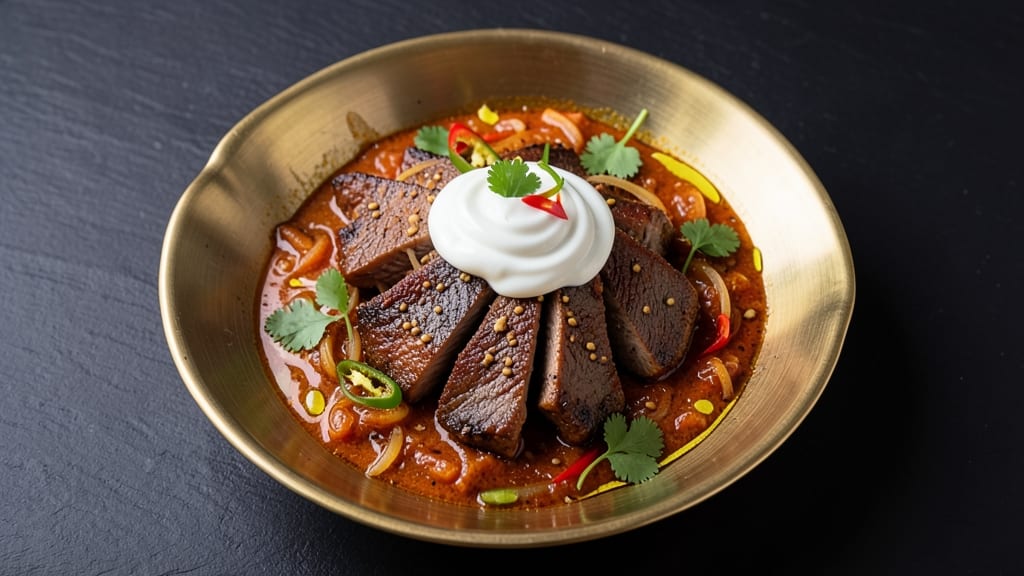
This liver curry recipe transforms humble offal into a restaurant-worthy dish with deep, aromatic flavors that balance earthiness and richness perfectly. The key lies in slow-cooking the liver in a spiced tomato gravy until tender, while toasted whole spices create layers of warmth that linger long after the first bite.
I've refined this technique over years of testing, ensuring the liver remains moist and the sauce develops a velvety texture that clings to every forkful.
The process begins with marinating the liver to tenderize it—never skip this step, as it makes all the difference in texture. A blend of yogurt, lemon juice, and mild spices prepares the liver while you build the curry base in the same pot, minimizing cleanup.
The sauce itself is where the magic happens: tomatoes simmered with onions, garlic, ginger, and a carefully balanced mix of spices until reduced to a thick, glossy consistency that coats the liver beautifully.
What you'll end up with is a dish that's rich yet refined, with tender liver pieces floating in a fragrant, slightly tangy gravy. The spices—cinnamon, cardamom, and cumin—add complexity without overpowering, while the tomatoes provide a bright acidity that cuts through the richness.
This curry pairs beautifully with basmati rice or warm naan, making it a satisfying main course that feels both comforting and sophisticated.
For those new to cooking with liver, don't let the initial intimidation hold you back—this recipe is designed to deliver foolproof results. The slow cooking method ensures the liver stays tender, and the step-by-step instructions guide you through each phase with precision.
Once you master this technique, you'll find yourself reaching for liver more often than you might expect.
Ingredients for liver curry
The secret to tender liver lies in marinating and slow-cooking with aromatic spices.
| Ingredient | Amount | Notes |
|---|---|---|
| Beef Liver 🥩 | 1 ½ lb | Fresh, trimmed of fat and membrane |
| Plain Yogurt 🥛 | ½ cup | Full-fat preferred for marinade |
| Lemon Juice 🍋 | 2 tbsp | Freshly squeezed, not bottled |
| Yellow Onions 🧅 | 1 whole | Medium, thinly sliced |
| Garlic Cloves 🧄 | 6 cloves | Minced, not pre-minced jar |
| Fresh Ginger 🌿 | ½ cup | Finely grated, about 2 oz |
| Canned Tomatoes 🍅 | 1 can | 28 oz, crushed or diced |
| Ground Cumin 🌶️ | 1 tbsp | Freshly toasted for depth |
| Ground Coriander 🌿 | 1 tbsp | Freshly ground preferred |
| Cinnamon Sticks 🌿 | 2 whole | For aroma, removed later |
| Cardamom Pods 🌿 | 4 whole | Lightly crushed, not powdered |
| Black Cardamom Pods 🌿 | 2 whole | Optional, for smoky depth |
| Bay Leaves 🌿 | 2 whole | Fresh preferred, dried works |
| Salt 🧂 | 1 ½ tsp | Kosher or sea salt |
| Black Peppercorns 🌶️ | ½ tsp | Freshly cracked preferred |
The liver is the star here, so pick beef liver from the butcher counter—it's fresher than the packaged kind. Look for bright red color and firm texture. Costco or local butchers often have the best quality. The yogurt should be full-fat (Greek or regular) for the marinade to work properly. If you can't find black cardamom, skip it—it's optional but adds a smoky depth. For the ginger, fresh is non-negotiable—the dried stuff just doesn't cut it here. I always double-check my spices are fresh by smelling them before grinding.
No black cardamom? Skip it entirely—this curry still works perfectly. The regular cardamom is essential though, so don't substitute with anything else. Running out of bay leaves? Dried thyme at half the amount works in a pinch. The canned tomatoes should be San Marzano if possible—they're sweeter and less acidic. If you can't find them, regular crushed tomatoes work fine. For the spices, toast the cumin and coriander in a dry pan for 30 seconds before adding to the pot—this makes all the difference in flavor development.
Marinate the liver for at least 1 hour (overnight is better). The curry reheats beautifully—tastes even better the next day as flavors meld. Store leftovers in the fridge for 3 days or freeze for 3 months. I always make extra because it disappears fast. The sauce thickens as it cools, so add a splash of water if it seems too thick when reheating.
Why You'll Love This Recipe
- One-Pot Magic: I swear by this recipe when I’m too tired to dirty three pans—just sear the liver, toss in the onions and garlic, then let the yogurt and lemon work their sauce magic. The curry practically cooks itself while you chop veggies for rice.
- Rich Without Effort: That yogurt-lemon combo? It turns tough liver into something silky and deep, like a hug in a bowl. The onions caramelize right in the pan, adding this sweet, jammy depth that makes it taste like you slaved over it.
- Leftover Goldmine: This curry actually improves the next day—flavors meld, sauce thickens just right. I portion it into containers with naan or rice, and suddenly I’ve got four easy lunches for pennies. (Yes, even on a Tuesday night.)
- Budget Powerhouse: Beef liver is cheap, and this recipe stretches it far—feed a family of four for under $10. The yogurt and lemon cut through any "gamey" notes, so you’re left with a dish that feels fancy without the grocery bill. Honestly, it’s my go-to when I need to impress but can’t afford steak.
Step-by-step instructions for liver curry with spiced tomato gravy
This method transforms rich beef liver into tender, aromatic curry with a balanced tomato base.
Marinate the Liver for Maximum Tenderness
In a shallow dish, combine the 1.5 lb beef liver with the 0.5 cup plain yogurt, 2 tbsp lemon juice, 1.5 tsp salt, and 0.5 tsp black peppercorns. Gently massage the mixture into the liver using your hands, ensuring every piece is coated. This marinade not only tenderizes but also adds brightness that cuts through the richness.
Cover and refrigerate for at least 30 minutes, but I recommend marinating for up to 2 hours for best results. The acid in the lemon juice and yogurt will break down the liver's fibers, preventing it from becoming tough during cooking. Don't skip this step—it's what transforms liver from potentially gamey to melt-in-your-mouth tender.
Build the Spiced Tomato Base
Heat 1 tablespoon olive oil (not listed but essential for frying) in a heavy-bottomed pot over medium heat. Add the 1 whole yellow onions, sliced into thin half-moons, and cook for 5-6 minutes until softened and translucent. You'll notice the onions release their sweetness as they caramelize slightly at the edges.
Add the 6 cloves minced garlic cloves and 0.5 cup finely grated fresh ginger to the pot. Cook for another 2 minutes until fragrant—this is when your kitchen should smell like a spice market. Stir in the 1 tbsp ground cumin, 1 tbsp ground coriander, 2 whole cinnamon sticks, 4 whole cardamom pods, 2 whole black cardamom pods, and 2 whole bay leaves. Toast the spices for 30 seconds to wake up their flavors before adding the 1 can canned tomatoes. Simmer uncovered for 10 minutes to let the raw tomato acidity mellow and the spices meld together.
Cook the Liver to Perfect Doneness
Remove the marinated liver from the fridge and pat it dry with paper towels. Shake off any excess marinade. Heat 1 tablespoon oil in a separate skillet over medium-high heat until shimmering. Working in batches if needed, add the liver pieces and cook for 2-3 minutes per side until they develop a golden crust and reach an internal temperature of 145°F. The liver should still be slightly pink in the center—this ensures it remains tender.
As each batch cooks, transfer the liver to a plate and tent with foil to keep warm. The key here is not to overcook—liver continues cooking from residual heat, and overcooking turns it tough and dry. You'll know it's ready when it releases easily from the pan and has a beautiful golden-brown sear.
Combine and Simmer to Perfection
Add the cooked liver to the spiced tomato mixture in the pot. Stir gently to coat the liver in the sauce, then reduce heat to low. Partially cover and simmer for 15-20 minutes, stirring occasionally. The liver will absorb the flavors while the sauce reduces to a thick, glossy consistency. Taste and adjust seasoning—you might need a touch more salt or lemon juice to balance the richness.
Here's where the magic happens: the spices infuse the liver with warmth while the tomato base adds acidity that prevents the dish from becoming heavy. The black cardamom and cinnamon sticks add subtle complexity that elevates this beyond a simple liver stew. Remove the cinnamon sticks and bay leaves before serving, as they're used only for flavor during cooking.
Finish and Serve with Confidence
Ladle the liver curry into bowls and serve immediately with steamed basmati rice or crusty bread. The contrast of the warm, spiced curry with the cool rice creates the perfect balance. Each bite should deliver tender liver with a perfect sear, surrounded by a rich, aromatic tomato gravy that's neither too sweet nor too acidic.
This dish tastes even better the next day as the flavors continue to develop, so it's perfect for meal prep. Store leftovers in an airtight container in the refrigerator for up to 3 days, or freeze for 3 months. When reheating, add a splash of water or broth to prevent the sauce from thickening too much.
Pro Tips For Making Liver Curry
- Slice Liver Thin: Beef liver cooks fast—too fast if you’re not careful. Cut it ¼-inch thick or thinner, or it’ll turn rubbery before the edges brown. I learned this the hard way after serving a batch that looked done but tasted like shoe leather.
- Soak Liver First: Toss the liver in lemon juice and yogurt for 20 minutes before cooking. This tenderizes the meat and mellows that iron-rich, gamey bite. Skip this, and you’ll be fighting bitterness the whole time—trust me, it’s not worth it.
- Sweat Onions Low: Onions for liver curry need to caramelize, but don’t rush it. Cook them over medium-low heat with a pinch of salt for 10-12 minutes until they’re golden and soft. High heat burns them before they sweeten, and that’s when the dish starts to taste flat.
- Garlic After Browning: Add minced garlic to the pan after the liver has seared and pulled away. This prevents it from burning instantly—something that happens faster than you’d think. A few minutes earlier, and you’ll be scraping burnt bits off the bottom.
Pro cooking tips for liver curry
Marinade Mastery
The marinade is non-negotiable for tender liver—never skip it. Combine ½ cup plain yogurt, 2 tbsp lemon juice, and 1.5 tsp salt with the liver, massaging it into every crevice. The yogurt's acidity breaks down proteins while the salt enhances flavor.
I marinate mine for at least 1 hour (overnight is ideal), but don't exceed 4 hours or the acid will start to cook the liver prematurely. 🧂
Spice Toasting
Toast your whole spices in the pot for 30 seconds before adding tomatoes—this releases their essential oils and deepens flavor. Use 1 tbsp cumin and 1 tbsp coriander (freshly ground if possible), along with 2 cinnamon sticks and 4 cardamom pods.
The aroma alone transforms a basic curry into something sophisticated. I always remove these spices before serving, as they're purely for flavor infusion.
Two-Stage Cooking
Cook the liver in two phases: first sear it in batches until golden (145°F internal temp), then gently simmer in the sauce. The initial sear creates texture, while the slow simmer ensures tenderness.
I use a meat thermometer for precision—overcooking turns liver rubbery. The sauce should coat the liver like a silky blanket, not pool at the bottom.
Tomato Reduction
Simmer the tomatoes uncovered for 10 minutes to develop depth. The acidity mellows while the spices meld, creating a balanced base. If using San Marzano tomatoes, you'll notice their natural sweetness enhances the dish.
For extra richness, stir in 1 tbsp butter at the end—it adds a luxurious finish without overpowering the spices. 🍅
Sauce Consistency
The perfect curry sauce should be thick enough to coat the back of a spoon but still pour gently. If it's too thick after simmering, add 1-2 tbsp water or broth.
The sauce will continue thickening as it cools, so adjust while warm. I always taste and balance flavors before serving—sometimes a pinch of sugar or extra lemon juice makes all the difference.
Resting Technique
Let the liver rest in the sauce for 10 minutes after cooking. This allows the juices to redistribute, ensuring each bite is moist. Tent with foil to prevent skin formation.
The flavors also meld during this time, creating a harmonious balance. For best results, serve immediately, but the curry reheats beautifully if you need to pause the cooking process. ⏳
Nutrition facts
Frequently asked questions
Why does the liver need to marinate overnight?
The overnight marinade breaks down the liver's proteins, preventing it from becoming tough during cooking. The yogurt and lemon juice tenderize while adding brightness that balances the richness. For best results, marinate for at least 1 hour but no longer than 4 hours to avoid over-acidifying the liver.
Can I substitute chicken or pork liver for beef?
Yes, but the cooking time and marinade may need adjustment. Chicken liver cooks faster (1-2 minutes per side) and has a milder flavor, while pork liver requires 3-4 minutes per side to reach 145°F. Use the same marinade ratio but reduce cooking time by 25-30% for poultry. The spiced tomato sauce works beautifully with all three types.
What if my liver curry sauce is too thin?
Simmer uncovered for an extra 5-10 minutes to reduce the sauce naturally. If it's still too thin after simmering, remove the cinnamon sticks and bay leaves, then simmer over medium-high heat for 2-3 minutes to thicken. For a quick fix, mix 1 tsp cornstarch with 1 tbsp water and stir in at the end. The sauce should coat the back of a spoon but still pour gently.
How do I store and reheat leftovers?
Store in an airtight container in the fridge for up to 3 days or freeze for 3 months. To reheat, add 1-2 tbsp water or broth to the curry and warm over low heat until bubbling. Stir frequently to prevent sticking. The flavors actually improve overnight, making this an excellent meal prep dish. Never microwave—it makes the sauce rubbery.
Can I make this curry without tomatoes?
Replace the tomatoes with 1 cup coconut milk and ½ cup tomato paste for a creamy version, or use 1 cup chicken broth with 1 tbsp vinegar for tanginess. The key is maintaining acidity to balance the liver's richness. Adjust spices to taste—you may need ½ tsp extra salt or 1 tsp sugar to compensate for flavor changes.