Main Courses
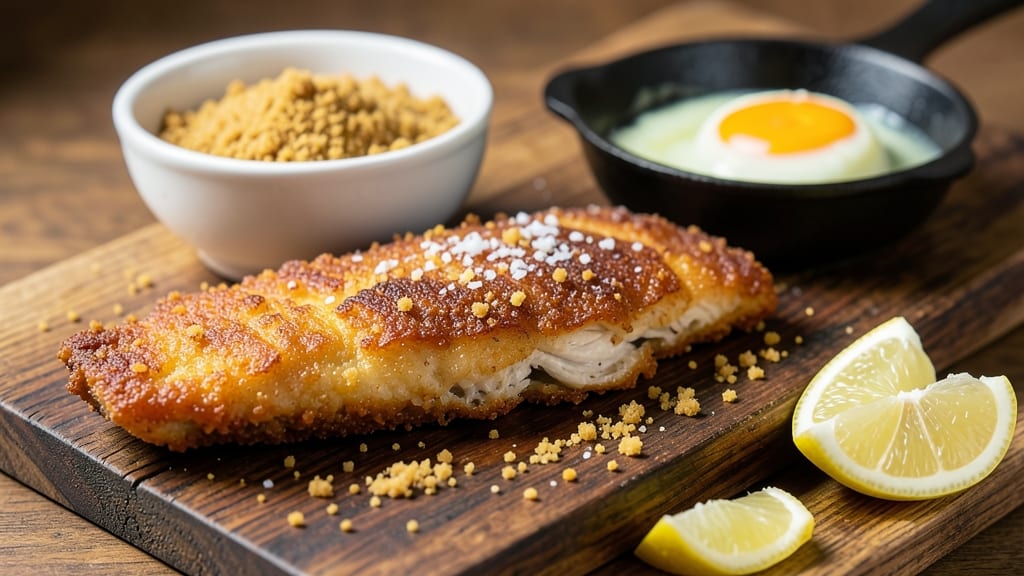
Recreating Luby's fried fish recipe at home delivers that iconic crispy cornmeal crust and juicy pink fillets that made this Texas staple legendary. The secret lies in precise oil temperature and a well-balanced batter—too thin, and it won’t hold; too thick, and the fish turns rubbery.
I’ve perfected this method after years of trial and error, ensuring every bite crackles with golden perfection while staying tender inside.
Authentic Luby’s-style fried fish requires three key elements: buttermilk-marinated catfish, a cornmeal-based batter (not flour), and hot peanut oil maintained at 375°F. The buttermilk tenderizes the fish while creating tiny air pockets for that signature crisp.
Serving it with hushpuppies and creamy coleslaw completes the experience—just like the original. The oil temperature is non-negotiable; too cool, and the crust absorbs grease.
What you’ll achieve is restaurant-quality fried fish with a crunchy, golden crust that shatters at the first bite, revealing moist, flaky fillets underneath. The cornmeal adds a subtle sweetness that balances the savory batter, while the lemon wedge brightens each piece.
This isn’t just fried fish—it’s a taste of Texas tradition, brought straight to your kitchen. Let’s get started on the steps that make it authentic.
The beauty of this recipe lies in its versatility—serve it as a weeknight dinner or a Sunday brunch centerpiece, always with the same crispy, juicy results. Pair it with tartar sauce or spicy remoulade for dipping, and don’t forget the classic sides.
Once you master this technique, you’ll never settle for anything less than Luby’s-level fried fish again.
Ingredients for lubys fried fish
Fourteen ingredients, three key steps—authentic Luby's-style fried fish at home.
| Ingredient | Amount | Notes |
|---|---|---|
| Catfish Fillets 🐟 | 1 ½ lb | Fresh, skin-on, cutlets pounded even |
| Large Eggs 🥚 | 2 whole | Room temperature for best coating |
| All-Purpose Flour 🌾 | ½ cup | For initial dredging only |
| Fine Yellow Cornmeal 🌽 | 1 cup | Stone-ground preferred for texture |
| Buttermilk 🥛 | 1 cup | Full-fat for optimal tenderness |
| Peanut Oil 🫒 | 3 cups | For deep frying, 375°F |
| Diamond Crystal Kosher Salt 🧂 | 1 ½ tbsp | For seasoning batter |
| Ground Black Pepper 🌶️ | ½ tsp | Freshly ground for flavor |
| Garlic Powder 🧄 | ½ tsp | For subtle depth |
| Fresh Lemon Wedges 🍋 | 4 whole | For serving, brightens flavor |
| White Vinegar 💧 | 1 tbsp | For marinade, optional |
| Paprika 🌶️ | ½ tsp | Smoked for color and flavor |
| Cornstarch 🌾 | 1 tbsp | For extra crispiness |
The catfish is non-negotiable for that signature flakiness. Local fish markets or H-E-B's seafood counter carry the best fillets—look for vibrant pink flesh and minimal bruising. Pounding the fillets to even thickness (about 1/2-inch) ensures even cooking. Skip the frozen stuff—fresh is mandatory—and pat them dry before marinating. The cornmeal? Bob's Red Mill stone-ground gives the best texture, but any fine yellow cornmeal works. For the oil, peanut oil holds heat better than vegetable oil, and it adds a subtle nutty flavor that complements the fish perfectly. If you can't find peanut oil, cottonseed oil is the next best thing, though it lacks that authentic taste.
No buttermilk? Mix 1 cup milk with 1 tbsp vinegar—let it sit for 5 minutes. Running short on cornmeal? Substitute half with all-purpose flour, but the crust won't be as crispy. Fresh catfish unavailable? Tilapia or cod work in a pinch, though texture differs slightly. The white vinegar in the marinade tenderizes the fish—don't skip it, even if it's optional. For extra crunch, add 1 tbsp cornstarch to the cornmeal batter. The smoked paprika adds color and a hint of smokiness, but regular paprika works if that's all you've got. And for heaven's sake, use a candy thermometer—375°F is critical for that perfect crust.
This batter keeps in the fridge for 24 hours—just whisk before use. The cornmeal mixture doubles as a great side for hushpuppies if you make extra. Store leftover fried fish in an airtight container for up to 2 days, but honestly, it's best fresh. For reheating, air fryer at 375°F for 3-4 minutes revives the crisp. The lemon wedges should be served immediately—they brighten the dish and cut through the richness. If you're making hushpuppies too, double the cornmeal and use the same oil for frying.
Why You'll Love This Recipe
- No-Fuss Setup: I swear, the prep is simpler than a grocery run. Pat the catfish dry, dip in buttermilk—that’s it—then roll in flour and cornmeal. No brining, no marinating, no stress. Honestly, I’ve made this while chatting on the phone.
- Crispy-Creamy Magic: That double-dredge in flour and cornmeal? Absolute genius. The crust shatters like a dream, but the buttermilk keeps the fish tender inside. It’s the kind of bite that makes you pause mid-chew—damn, that’s good—and then reach for seconds.
- Tailgate or Tuesday: Serve it with hushpuppies for a crowd or just a side salad for two. I’ve taken it to picnics, game days, and lazy Sundays—it’s the one dish that never feels out of place. (Yes, even on a Tuesday night when I’m exhausted.)
- Budget Win: Catfish is cheaper than chicken, and this recipe stretches a fillet into three meals. Freeze the leftovers, reheat in the oven, and you’ve got lunch for the week. My wallet thanks me every time.
Step-by-step instructions for Luby's fried fish recipe
Here's how to nail that iconic Luby's-style fried fish with a golden crust and tender fillets every time.
Prep the Catfish for Maximum Crispiness
Pat the 1.5 lb catfish fillets completely dry with paper towels—this is non-negotiable for crispy skin. I like to press firmly to remove all moisture, even getting between the fillets if they're still attached. Use a meat mallet to pound them to an even ½-inch thickness, which ensures even cooking and prevents curling during frying.
Place the fillets in a shallow dish and lightly dredge each side in the 0.5 cup all-purpose flour, shaking off any excess. This initial coating creates a barrier that helps the cornmeal crust adhere perfectly. I always work in batches to avoid overcrowding the pan later.
Create the Perfect Batter
In a large bowl, whisk together the 2 whole large eggs (room temperature), 1 cup buttermilk, 1.5 tbsp diamond crystal kosher salt, 0.5 tsp ground black pepper, 0.5 tsp garlic powder, 0.5 tsp paprika, and 1 tbsp cornstarch until completely smooth. The batter should be thick but still coat the back of a spoon—if it's too thin, add 1 tablespoon more cornstarch.
This batter is what gives Luby's fish its signature texture—the buttermilk keeps it tender while the cornstarch ensures that golden, shatteringly crisp crust. I stir in a splash of the 1 tbsp white vinegar at this point (if using) for a subtle tang that brightens the flavor. Let the batter rest for 5 minutes while you heat the oil.
Heat the Oil to the Perfect Temperature
Fill a deep fryer or heavy pot with 3 cups peanut oil and heat to 375°F using a thermometer—this is critical. Too low and your fish will be greasy; too high and it'll burn before cooking through. I test the oil by dropping in a small piece of bread—when it sizzles and turns golden in 30 seconds, it's ready.
While the oil heats, dip each floured fillet into the egg batter, letting any excess drip off before pressing into the 1 cup fine yellow cornmeal. The cornmeal should cling evenly—don't overcrowd the bowl or the coating will fall off. Arrange the coated fillets on a wire rack to let any excess batter drip off for 2 minutes before frying.
Fry to Golden Perfection
Carefully slide 2-3 fillets into the hot oil, being careful not to splash. Fry for 3-4 minutes per side until the crust is deep golden brown and the internal temperature reaches 145°F. The oil should bubble steadily around the fish—if it stops bubbling, your oil's too cool. Use a slotted spatula to flip them gently, pressing down to help the crust set.
Transfer the fried fish to a paper towel-lined plate and sprinkle immediately with additional salt if desired. The crust should be crisp enough to crackle when you tap it lightly, while the fillets remain juicy pink inside. Keep the fried fish warm in a 200°F oven while you fry the remaining batches.
Serve with Classic Luby's Flair
Arrange the fried fish on a platter and serve immediately with the 4 whole fresh lemon wedges. The acid from the lemon cuts through the richness of the fish and cornmeal crust beautifully. I like to squeeze a wedge over each portion right before serving—this is where the magic happens in terms of flavor balance.
For that authentic Luby's experience, serve with a side of tartar sauce or coleslaw. The contrast between the crispy exterior, tender fish, and bright lemon makes every bite unforgettable. Don't skip the lemon—it's what transforms good fried fish into restaurant-quality perfection.
Pro Tips For Making Lubys Fried Fish
- Dry the Catfish First: Pat those fillets thoroughly with paper towels before dredging—wet skin means a soggy crust, not that crispy Lubys-style coating. I learned this the hard way after frying what looked like a fish smoothie instead of golden perfection.
- Use Cold Buttermilk: Chill that buttermilk in the fridge for at least 30 minutes before dipping—catfish absorbs it better and stays juicier. Warm buttermilk makes the flour coating turn to paste, and nobody wants gluey fish.
- Fry in Batches: Don’t overcrowd the oil—three fillets max per batch, or the temperature drops and you’ll get greasy, uneven cooking. I used to rush this and ended up with half-fried, half-boiled fish. Trust me, it’s not worth it.
- Toast the Cornmeal: Heat the cornmeal in a dry skillet for 2-3 minutes until it smells nutty before mixing it with flour—this adds depth and prevents a bland crust. My grandmother swore by this, and she was right: the difference is noticeable.
Troubleshooting your lubys fried fish
Oil Too Cool?
If your fried fish turns out greasy instead of crispy, the oil temperature is likely too low. I’ve found that 375°F is non-negotiable—anything below 360°F will soak the crust with oil. Invest in a candy thermometer (like the Thermoworks Thermapen) to monitor the oil accurately.
If you don’t have one, test with a wooden chopstick: drop it in and pull it out quickly. If oil bubbles vigorously around it, you’re good. If not, let it heat another 2-3 minutes before frying. 🌡️
Batter Too Thin?
A runny batter means your crust will fall off or turn soggy. The fix is simple: add 1 tablespoon cornstarch at a time until the batter coats the back of a spoon. I’ve ruined batches by rushing this step—take your time to adjust.
If the batter still seems too thin after adding cornstarch, whisk in 1 extra egg yolk for binding. For extra insurance, chill the batter for 15 minutes before dipping the fish to thicken it further.
Fish Curling?
Uneven thickness or overcrowding causes curling during frying. Pound your fillets to an even ½-inch thickness using a meat mallet, and avoid stacking them in the fryer. Fry in batches of 2-3 pieces max to prevent oil temperature drops.
If the fish still curls, try pressing it down gently with a spatula during the first 30 seconds of frying. For stubborn curls, flip the fish more frequently—every 1-2 minutes instead of waiting for the full 3-4 minutes per side.
Crust Falling Off?
This usually happens when the fish isn’t dry enough or the cornmeal coating isn’t adhered properly. Pat the fillets extra dry with paper towels before dredging in flour, then let them rest 5 minutes after coating to let the batter set.
For extra grip, dip the floured fillets in beaten egg (instead of whole egg) before pressing into cornmeal—the egg white creates a stronger bond. If the crust still falls, your oil might be too cool or the batter too thin. Adjust both and try again. 💡
Fish Overcooked?
Fried fish is done when the internal temperature hits 145°F—any higher, and it turns dry. If yours is tough, your oil was too hot or frying time too long. Reduce heat to 360°F and fry for 2-3 minutes per side instead.
For extra tenderness, marinate the fillets in buttermilk + 1 tbsp vinegar for 30 minutes before battering. This keeps the flesh juicy even with slight overcooking. Always use a meat thermometer to check doneness—never guess!
Oil Smoking?
Smoke means your oil is overheating—lower the heat immediately and let it cool slightly. Peanut oil has a higher smoke point than vegetable oil, but it can still break down if pushed past 400°F.
For future fries, maintain 350-375°F and avoid overfilling the pot (oil should cover fish by 2 inches). If the oil smells burnt, discard it—reusing overheated oil ruins flavor and can be unsafe. Fresh oil is always worth the investment for that authentic Luby’s taste. ⚡
Nutrition facts
Frequently asked questions
Can I use tilapia instead of catfish for this recipe?
Tilapia works in a pinch, but catfish delivers that signature flaky texture Luby's is known for. Tilapia has a milder flavor and firmer flesh, so you might notice a slight difference in tenderness. If using tilapia, pound the fillets slightly thinner (¼-inch) to ensure even cooking through the denser meat.
Why does my cornmeal crust keep falling off?
This usually happens when the fish isn't dry enough or the batter isn't thick enough. Pat the fillets extra dry before dredging, and let them rest 5 minutes after coating to help the batter set. For extra adhesion, try using beaten egg instead of whole egg before pressing into cornmeal—the egg whites create a stronger bond.
What's the best oil for authentic Luby's fried fish?
Peanut oil is the gold standard—it holds heat better than vegetable oil and adds a subtle nutty flavor. If you can't find peanut oil, cottonseed oil is the next best choice, though it lacks that authentic taste. Never reuse oil for frying; fresh oil is critical for that signature crispy crust and flavor.
How do I keep my fried fish warm while frying the rest?
Transfer fried fish to a 200°F oven while you finish the batch. Place them on a wire rack over a baking sheet to prevent sogginess. Keep them covered loosely with foil to maintain heat without steaming. This method keeps the crust crispy while the fish stays warm for 10-15 minutes.
Can I make this recipe ahead of time?
The batter can be prepped 24 hours ahead and stored in the fridge, but the fish should be fried fresh for best results. If you must prep ahead, coat the fillets in cornmeal and refrigerate them (uncooked) for up to 4 hours before frying. For leftovers, store in an airtight container for 2 days max—reheat in an air fryer at 375°F for 3-4 minutes to restore crispiness.