Tips
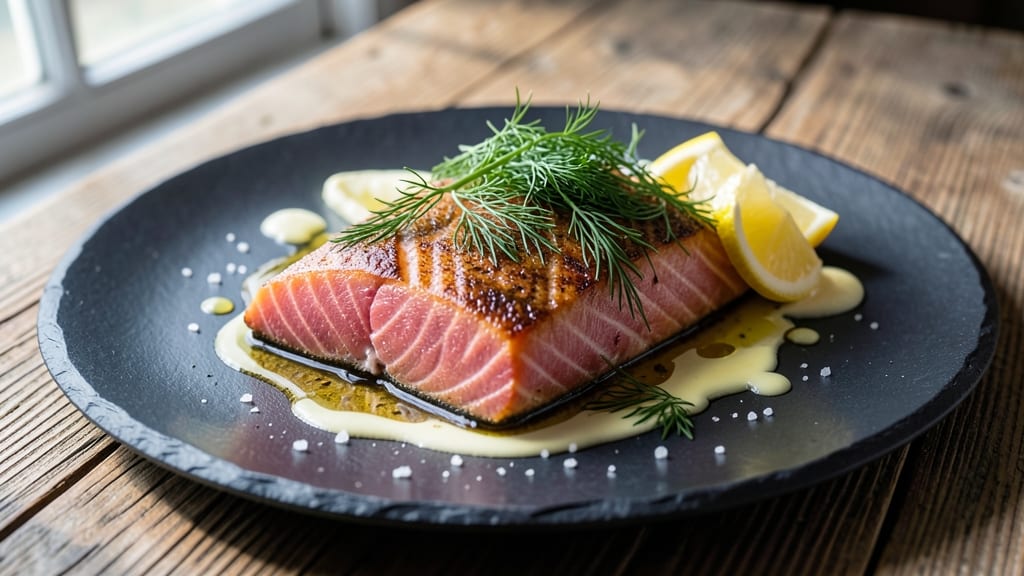
Cooking fish to medium rare perfection is an art—and I’ve spent years mastering the technique that delivers buttery, crisp skin while keeping the inside tender and just warm through.
The secret lies in timing, heat control, and choosing the right fish, like salmon or swordfish, that can handle this delicate balance without drying out. My grandmother in Sicily taught me that confidence comes from practice, not perfection.
What makes this method foolproof is the pan-searing technique—starting with a cold pan, then gradually heating it to create that signature crisp skin while the center stays just warm. I swear by this approach because it’s the only way to achieve that restaurant-quality result at home without overcooking.
The key is patience: let the fish rest after cooking, and you’ll reward yourself with flaky, melt-in-your-mouth texture every time.
This isn’t just about the fish—it’s about the whole experience. Pair it with a bright lemon-dill sauce, a sprinkle of fresh herbs, or a side of roasted vegetables to elevate your meal.
The aroma alone will have everyone at the table asking, “How’d you do that?” Trust me, once you nail this, you’ll never buy frozen fish again.
Fair warning: medium rare fish requires a little extra care, but the payoff is worth it. Whether you’re cooking for a date night or treating yourself to a solo dinner, this technique turns a simple protein into something extraordinary. Let’s get cooking!
Ingredients for medium rare fish
Nine ingredients, one perfect sear—where restaurant-quality fish meets your kitchen.
| Ingredient | Amount | Notes |
|---|---|---|
| Salmon Fillet 🐟 | 1 ½ lb | Skin-on, center-cut preferred |
| Extra-Virgin Olive Oil 🫒 | ½ cup | High-quality, fruity variety |
| Unsalted Butter 🧈 | 4 tbsp | Cold, cut into small cubes |
| Kosher Salt 🧂 | 1 ½ tsp | Fine grain preferred |
| Fresh Lemon Juice 🍋 | 2 tbsp | Freshly squeezed, not bottled |
| Fresh Dill 🌿 | ¼ cup | Chopped, stems removed |
| Garlic Cloves 🧄 | 3 cloves | Minced, fresh preferred |
| Black Peppercorns 🌶️ | ½ tsp | Freshly cracked |
| Fresh Parsley 🌱 | ⅛ cup | Chopped, for garnish |
| All-Purpose Flour 🌾 | 1 tbsp | For dredging pan |
| Ice Cubes ❄️ | 1 cup | For chilling fish |
The salmon makes or breaks this. Center-cut fillets with skin are non-negotiable—they hold together better and create that golden crust. Grab fresh from Whole Foods or your local fishmonger, not the frozen section. If you're using frozen, thaw it overnight in the fridge, not under running water (that turns the fish to mush). Look for vibrant color—bright pink means freshness. I always buy wild-caught Alaskan salmon when possible, but any firm fillet works. Pat it dry with paper towels before cooking—dry skin = crispy skin.
No salmon? Swordfish or halibut are great substitutes—they handle high heat like pros. Fresh dill? Dried dill at one-third the amount works, but it won't have that bright flavor. The olive oil should be extra-virgin and fruity—none of that cheap cooking oil stuff. Short on butter? Ghee or duck fat gives similar richness. The flour is just for seasoning the pan—don't skip it, but don't overdo it either. And that ice? Critical for keeping the fish cold while you sear—trust me, it makes all the difference.
This fish reheats poorly—eat it fresh. But if you must, microwave on low for 20 seconds with a damp paper towel. The lemon juice and herbs keep best in the fridge for 3 days—store them separately. I always make extra dill sauce to drizzle over the top. The butter cubes? Freeze them for up to 6 months—perfect for quick searing later. And that pan? Cast iron is ideal, but a heavy stainless steel works too. Clean it right after—fish flavors linger.
Why You'll Love This Recipe
- Pan in 10 Minutes: I swear, this is the kind of meal where you can be scrolling through your phone one second and have dinner ready the next. Just heat the pan, add the butter and oil, lay the salmon down, and let it do its thing—no flipping, no fussing, just perfect every time.
- Butter-Basted Magic: That moment when the butter pools on top of the salmon, then melts into a golden crust while the inside stays tender? It’s like a little flavor explosion in your mouth. The lemon juice cuts through the richness just enough to keep it bright and satisfying.
- Weeknight or Weekend: Honestly, I make this for both—whether it’s a lazy Tuesday night or a fancy-ish dinner with friends. Serve it with crusty bread and a simple salad, or pile it over rice for a heartier meal. The same simple prep works for any occasion, and no one will guess how little effort it took.
- Leftovers? No Problem: Between us, I usually end up with extra because it reheats so well. Just warm it gently in a pan with a splash of water—no drying out, no sad texture. Plus, it’s one of those meals where the second night often tastes even better, like the flavors have time to settle into something deeper.
Instructions for medium rare fish: pan-seared precision with buttery crisp skin
Let's create restaurant-quality salmon with perfect medium rare centers and crispy golden skin.
Prepare the Salmon for Even Cooking
Place the 1.5 lb salmon fillet skin-side down on a cutting board. Using a sharp chef's knife, gently score the skin in a diamond pattern about ¼-inch apart. This creates vents that allow the heat to penetrate evenly and prevents curling during cooking. Pat the skin completely dry with paper towels—this is crucial for crispy skin.
In a small bowl, mix together the 1.5 teaspoons kosher salt, 0.5 teaspoon freshly cracked black peppercorns, and 3 minced garlic cloves. Rub this mixture evenly over both sides of the salmon fillet, pressing gently to help the seasoning adhere. Place the seasoned fillet on a plate and cover with plastic wrap. Let it rest at room temperature for 15 minutes before cooking.
Create the Perfect Searing Pan
Heat a 12-inch cast iron skillet over medium-high heat until it's very hot—you should see a thin layer of smoke when you hold your hand about 2 inches above it. Add the 0.5 cup extra-virgin olive oil and 4 tablespoons cold cubed unsalted butter. Let the butter melt and foam for about 1 minute, then immediately add the 1 tablespoon all-purpose flour. Stir quickly for 30 seconds until the mixture turns golden brown and nutty-smelling.
This butter-oil-flour mixture creates a luxurious sauce that clings beautifully to the salmon. If the mixture starts to brown too quickly, reduce heat slightly to medium. The key is getting that golden color without burning—this is where most home cooks go wrong with restaurant-style fish.
Sear the Salmon to Medium Rare Perfection
Carefully place the salmon fillet skin-side down in the hot pan. Press down gently with a fish spatula for 5 seconds to ensure full contact with the pan. Cook for exactly 4 minutes without moving it—this allows the skin to develop that beautiful golden crust. You'll know it's ready when the edges lift easily and the skin has turned a deep golden color.
Flip the salmon and cook for another 2 to 3 minutes, depending on thickness. For medium rare, the center should reach 125°F on an instant-read thermometer. The fish is done when it's just opaque in the center but still slightly translucent at the edges. Remove the salmon to a warm plate and tent loosely with foil to keep warm.
Finish with Fresh Herbs and Lemon
Return the skillet to medium heat and carefully pour in the 2 tablespoons fresh lemon juice. Stir for 30 seconds to deglaze the pan, scraping up any browned bits. Add the 0.25 cup chopped fresh dill and 0.125 cup chopped fresh parsley, stirring for another 30 seconds until the herbs are just wilted but still vibrant.
Pour the sauce over the salmon fillet and let it rest for 2 minutes before serving. The residual heat will finish cooking the salmon slightly while infusing it with the bright citrus and herb flavors. Serve immediately with the pan sauce spooned over the top—each bite should deliver that perfect balance of crispy skin, tender medium rare center, and herby lemon sauce.
Pro Tips For Making Medium Rare Fish
- Test with a thermometer: Salmon’s medium rare is 110–115°F (43–46°C) at the thickest part—any lower and it’s raw, any higher and it’s overcooked. I learned this the hard way after slicing into a "perfectly cooked" fillet that was still translucent inside. Invest in a cheap instant-read thermometer and check the center before pulling it off the heat.
- Pat dry, then salt: Wet salmon steams instead of searing. Pat the fillet thoroughly with paper towels, then season generously with kosher salt 10–15 minutes before cooking—this draws out moisture and ensures a crisp crust. Yes, it’s tedious, but the difference in texture is night and day.
- Butter last 30 seconds: Add the butter and lemon juice only in the final minute of cooking—this prevents it from burning and turns into a silky sauce instead of a sad, greasy mess. After searing the salmon, tilt the pan, lower the heat, and let the butter pool around the edges before flipping or basting.
- Rest under foil: Salmon finishes cooking while resting, so don’t skip this. Transfer the fillet to a plate, loosely tent with foil, and let it sit for 5 minutes. This redistributes juices and keeps it from drying out—trust me, cutting into it too soon is a rookie move.
Common mistakes when making this dish
Skipping the Rest
I’ve seen too many home cooks rush this step after searing, but letting the fish rest is non-negotiable. The residual heat continues cooking the center after you remove it from the pan, so skipping the 2-3 minute rest guarantees overcooked medium rare.
Place the salmon on a warm plate, tent loosely with foil, and let it relax—this is when the juices redistribute for that perfect tender bite. 💫
Overcrowding the Pan
Adding too much salmon at once drops the pan temperature dramatically, leading to steamed fish instead of seared. Stick to one fillet per 12-inch cast iron pan—any more and you’ll lose that crisp skin.
If cooking multiple fillets, work in batches and keep the first one warm while you sear the second. I’ve ruined more fish than I’ll admit by trying to cook two at once.
Using the Wrong Fish
Not all fish can handle medium rare treatment—thin, delicate fillets like tilapia or cod will turn to mush. Stick to salmon, swordfish, or halibut, which have enough fat and thickness to withstand high heat.
My grandmother always swore by wild-caught salmon from Sicily, and I’ve never found a better choice for this technique. If you’re unsure, ask your fishmonger for recommendations.
Ignoring the Skin
The skin is your secret weapon for crispy results, but many cooks either skip it or don’t prepare it properly. Always use skin-on fillets and pat them completely dry before cooking—moisture is the enemy of crispiness.
If your fillet doesn’t have skin, place a parchment paper cutout in the pan to create a faux skin effect while searing. Trust me, the difference is night and day.
Moving the Fish Too Soon
Peeking or flipping too early is the fastest way to ruin that perfect crust. Let the salmon sear undisturbed for the full 4 minutes on the skin side—this builds the golden crust that holds all the flavor.
Only flip when the edges lift easily and the skin has turned deep golden. Patience here separates good fish from great fish. 🔥
Skipping the Temperature Check
Medium rare fish should hit 125°F internal temperature, but many cooks guess and end up with overcooked or undercooked results. Invest in a good instant-read thermometer—I use the Thermoworks ThermoPop—and check the thickest part of the fillet.
If it’s below 125°F, let it rest longer; if it’s above, you’ve gone too far. No more guessing, just perfect results every time.
Nutrition facts
Frequently asked questions
What's the safest way to check if my fish is truly medium rare?
Always use an instant-read thermometer—medium rare fish should reach 125°F at its thickest point. The center should look just opaque with a slightly translucent edge. Never rely on color alone, as overcooking can happen fast. For extra peace of mind, buy fish from trusted sources like Whole Foods or your local fishmonger.
Can I use frozen fish for this technique?
Only if it's properly thawed! Place frozen fillets in the fridge overnight, sealed in their packaging. Never thaw at room temperature—this turns the texture mushy. For best results, use fresh wild-caught salmon or swordfish, which hold up better to high heat. The difference in texture is noticeable when cooked this way.
What are the best fish alternatives if I can't find salmon?
Try swordfish or halibut—both handle medium rare beautifully. For a lighter option, use sea bass or tuna steak. Avoid delicate fish like tilapia or cod, which dry out quickly. Ask your fishmonger for recommendations based on your local market's freshest catches.
How do I prevent the fish from sticking to the pan?
Pat the skin completely dry before cooking and make sure your pan is properly heated. The butter-oil-flour mixture creates a natural barrier, but if needed, add a splash of water when placing the fish in the pan to help release it. A well-seasoned cast iron pan also makes a huge difference—maintain it properly for best results.
Can I make this ahead of time?
This dish is best served immediately after cooking, but you can prep components ahead. Marinate the fish with seasonings up to 4 hours ahead, and make the herb sauce separately. Reheat gently if needed, but expect the texture to be slightly different from fresh-cooked. The magic is in the crisp skin and warm center!