
Sauces & Condiments
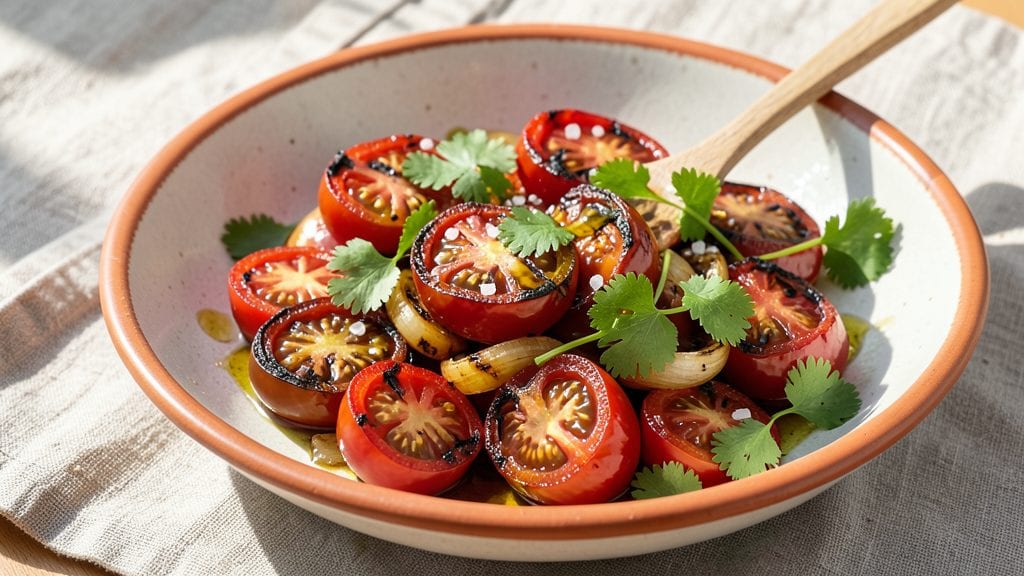
This mild red salsa recipe transforms simple roasted tomatoes and bell peppers into a velvety, vibrant sauce that bridges freshness and depth without overpowering heat.
The technique—charring vegetables over an open flame—unlocks natural sweetness while keeping the acidity bright, making it perfect for those who prefer subtle flavors with complex layers.
I developed this version after years of testing, ensuring every batch delivers smooth texture and balanced seasoning that works as both a dip and a topping.
What sets this recipe apart is the roasting process, which caramelizes the natural sugars in tomatoes and peppers while preserving their freshness. Unlike raw salsas that can taste sharp or acidic, this method creates a melt-in-your-mouth consistency with just a hint of smokiness from the char.
The optional addition of cumin and garlic deepens the flavor without masking the vegetables' natural sweetness, while fresh cilantro adds a final burst of brightness.
By the time you blend the roasted ingredients with a touch of lime and olive oil, you’ll have a versatile sauce that’s rich enough for dipping tortilla chips but delicate enough to elevate grilled fish or blackened chicken.
The texture is silky yet retains just enough body to cling beautifully to any dish. This isn’t your average salsa—it’s a restaurant-quality condiment that tastes homemade but requires minimal effort.
The best part? This salsa keeps well in the refrigerator for up to 5 days, allowing you to make a big batch and enjoy it all week.
Whether you’re serving it as a dip, a topping for tacos, or a marinade base, the mild heat and vibrant flavor will make it a staple in your kitchen. Let’s get started on creating this crowd-pleasing sauce.
Ingredients for mild red salsa
Six charred vegetables and four pantry staples transform into this restaurant-worthy salsa.
| Ingredient | Amount | Notes |
|---|---|---|
| Roma Tomatoes 🍅 | 2 lb | Halved lengthwise, seeds removed |
| Red Bell Peppers 🌶️ | 2 whole | Charred over flame or grill |
| Yellow Onion 🧅 | 1 whole | Quartered, skin on for charring |
| Garlic Cloves 🧄 | 4 cloves | Peeled, lightly charred |
| Extra-Virgin Olive Oil 🫒 | ¼ cup | High quality, fruity flavor |
| Fresh Cilantro 🌿 | ¼ cup | Stems removed, loosely packed |
| Lime Juice 🍋 | ¼ cup | Freshly squeezed, no pulp |
| Ground Cumin 🌿 | ½ tsp | Toasted for deeper flavor |
| Salt 🧂 | ½ tsp | Kosher or sea salt |
| Black Pepper 🌶️ | ¼ tsp | Freshly ground preferred |
The tomatoes and peppers are the stars—Roma tomatoes hold up best to roasting, while red bell peppers add natural sweetness. Whole Foods or your local farmers market have the juiciest Roma tomatoes, but the regular grocery store ones work too. For charring, I use my gas stove burners on high—they get that perfect smoky flavor. Trader Joe's has pre-charred peppers in a jar if you're in a hurry, but fresh is always better. The onion's skin adds color and flavor, so don't peel it before roasting. Garlic cloves should be lightly charred too—just until fragrant, not burned. I like to leave the skin on for extra flavor, but peel them before blending.
No fresh cilantro? Dried cilantro at half the amount works, but it's not the same. Short on lime juice? Lemon juice in a pinch, but lime's brightness is key here. Want more depth? Add a pinch of smoked paprika. The cumin is optional but worth it—Penzeys or Spicewalla have great toasted versions. For the olive oil, California avocado oil works too if you prefer a neutral taste. The salt and pepper are simple but crucial—don't skip the freshly ground black pepper. It adds a subtle complexity that pre-ground can't match.
This salsa tastes even better the next day as the flavors meld. Store in an airtight container in the fridge for up to 5 days. For longer storage, freeze in ice cube trays—perfect for single portions. The texture will be slightly thicker after chilling, so add a splash of water or lime juice when serving. I always make a double batch—one for immediate use and one to freeze. It's the perfect make-ahead condiment for game day or taco nights.
Why You'll Love This Recipe
- No Chopping Nightmare: I swear by this recipe because you only need to dice two tomatoes and one pepper—no finicky seeds or peels. The onion and garlic get a quick sauté in olive oil, and suddenly you’ve got something magical with almost no effort.
- Sweet-Savory Balance: That roasted red bell pepper? It turns the salsa into a whole different beast—sweet, smoky, and bright all at once. The Roma tomatoes keep it rich but not heavy, and the garlic? Just enough to make it sing without overpowering.
- Game for Any Meal: Slather it on toast with feta, toss it into scrambled eggs, or let it sit in the fridge for a week to bulk up tacos or grilled fish. It’s the kind of salsa that makes you want to eat everything in sight, no matter what’s on the menu.
- Dollar Stretcher: Honestly, this is the most budget-friendly salsa I’ve ever made. A few tomatoes, an onion, and a pepper last me forever, and the olive oil makes it feel fancy without breaking the bank. Plus, leftovers taste even better the next day—if there are any.
Step-by-step instructions for roasted tomato and bell pepper salsa
This process transforms simple ingredients into vibrant, flavorful salsa with just a few key techniques.
Char the Vegetables for Deep Flavor
Begin by preparing your grill or broiler for direct high heat. Place the 2 whole red bell peppers and 1 whole yellow onion (skin on) directly over the flames or under the broiler, turning occasionally until the skins blister and blacken in spots—about 10-12 minutes. You'll know they're ready when they smell smoky and the skins show char marks.
While they char, halve the 2 lb Roma tomatoes lengthwise and remove seeds. Place the tomato halves cut-side down on the grill or broiler alongside the peppers and onion. Char them until their skins darken slightly, about 5-7 minutes. The charring adds a smoky depth that balances the freshness of the other ingredients.
Toast the Garlic and Spices
In a dry skillet over medium heat, add the 4 cloves garlic cloves (peeled) and toast them until they turn golden brown and smell fragrant, about 2-3 minutes. Remove them immediately to prevent burning. In the same skillet, toast the 0.5 tsp ground cumin for 30 seconds until aromatic—this deepens its flavor significantly.
While the garlic and cumin toast, prepare the 0.25 cup extra-virgin olive oil by heating it gently in a small saucepan over low heat until it just begins to shimmer. This warm oil will help extract more flavor from the charred vegetables when you combine them.
Combine and Blend the Ingredients
Transfer the charred peppers, onion, and tomatoes to a large mixing bowl. Remove the skins from the peppers and onion (they should peel away easily now), then roughly chop all the vegetables into ¼-inch pieces. Add the toasted garlic cloves and warm olive oil to the bowl.
In a separate small bowl, whisk together the 0.25 cup lime juice, 0.5 tsp salt, and 0.25 tsp black pepper. Pour this mixture over the vegetables, then stir in the 0.25 cup fresh cilantro (stems removed). Let the mixture sit for 10 minutes to allow the lime juice to brighten the flavors and the salt to draw out moisture from the vegetables.
Pulse and Adjust for Perfect Texture
Using an immersion blender or food processor, pulse the mixture in batches until it reaches your desired texture—roughly chopped for a chunky salsa or smooth if you prefer it silky. For a balanced texture, I recommend 3-4 short pulses with the immersion blender, leaving some small pieces intact.
Taste the salsa and adjust seasoning if needed. If it tastes too acidic, add a pinch more salt. If it needs brightness, add a splash more lime juice. The salsa should be vibrant, slightly smoky, and perfectly balanced between sweet, tangy, and savory flavors.
Pro Tips For Making Mild Red Salsa
- CHAR THE ONIONS: I learned this the hard way—low heat turns onions mushy and dull. Sear them over medium-high until they’re just golden at the edges (about 5 minutes), then lower the heat to soften them properly. That caramelized flavor is the backbone of your salsa.
- ROAST THE PEPPERS: Skip the raw chop—roasting deepens the sweetness and smoky depth. Toss halved bell peppers with olive oil, roast at 425°F for 15 minutes until blistered, then cool before peeling. The skin’s bitterness disappears, and the texture gets silky.
- SALT THE TOMATOES: This isn’t just seasoning—it’s about texture. Sprinkle halved Roma tomatoes with a pinch of salt, let them sit 10 minutes before cooking. They’ll release juices, soften evenly, and taste brighter. (Yes, even if you’re impatient like me.)
- PULSE DON’T BLITZ: A food processor is handy, but blitzing turns salsa into paste. Pulse in batches, stopping to scrape the sides—you want chunks, not a smoothie. Aim for rough, uneven bits; that’s where the real flavor hides.
Essential equipment for this dish
Charring Tools
For the best flavor, I rely on a grill or broiler to char my vegetables. A gas grill on high heat gives the most consistent char marks, but a charcoal grill adds extra smokiness.
If you don’t have a grill, your oven broiler works perfectly—just place a baking sheet on the middle rack to catch drips. I use a long-handled metal spatula to turn the peppers and onions, keeping them safe from the flames.
For extra safety, I wear heat-resistant gloves—the skins get hot! 🔥
Blending Essentials
An immersion blender is my go-to tool for this recipe because it’s easy to clean and gives me precise control over texture. I love the Ninja BN601 for its powerful motor and durable build. If you prefer a food processor, the Cuisinart DLC-4BC handles small batches beautifully.
For chunkier salsa, I skip blending entirely and just chop everything finely with a sharp chef’s knife—it’s all about preference! 💫
Toasting Equipment
Toasting garlic and cumin is where small tools make a big difference. I use a small cast-iron skillet (like my Lodge 10-inch) because it retains heat well and prevents burning. A nonstick skillet works too, but cast iron adds a subtle depth of flavor.
For the olive oil, I heat it in a small saucepan over low heat—never high, or it’ll burn. A thermometer (like the Thermoworks Thermapen) helps me monitor the oil’s temperature, but I usually just watch for gentle shimmering. 🌡️
Mixing and Storage
I mix everything in a large stainless-steel bowl because it’s non-reactive and easy to clean. For storage, glass airtight containers (like Le Parfait) are my favorite—they keep the salsa fresh and make it easy to see what’s inside.
If you’re freezing, silicone ice cube trays are perfect for portion control. I always label my containers with the date to track freshness. A fine-mesh strainer comes in handy if you want to remove any remaining skins or seeds before serving. ✨
Budget-Friendly Swaps
No grill? No problem. Use a gas stove burner on high—just place the vegetables directly over the flame. For blending, a handheld stick blender (like the Oster Pro Countertop) is cheaper than an immersion blender.
If you’re skipping the immersion blender entirely, a food mill (like the OXO Good Grips) gives you smooth results without over-processing. For toasting, a small frying pan works just as well as a skillet. The key is heat control—never rush the process! 💡
Nutrition facts
Frequently asked questions
Can I make this salsa without charring the vegetables?
You can, but you'll miss the smoky depth that makes this recipe special. For a quick version, roast the vegetables in a 400°F oven for 20-25 minutes until softened. The flavor won't be as complex, but it'll still be delicious. If you're short on time, even sautéing the veggies in a pan with a pinch of smoked paprika can add some depth.
How can I adjust this recipe to be even milder?
Skip the cumin entirely and reduce the black pepper to 1/4 tsp. For extra mildness, add 1/4 cup diced cucumber or avocado to the final blend. The cucumber adds freshness while mellowing the tomato acidity. If you love sweetness, stir in 1 tbsp honey or maple syrup at the end.
What's the best way to use up leftover salsa?
This salsa keeps beautifully for 5 days in the fridge, but don't let it go to waste! Use it as a marinade for grilled chicken or fish, stir it into scrambled eggs for breakfast, or spread it on avocado toast. For a creative twist, mix 1/4 cup into cream cheese for a smoky dip, or swirl it into sour cream for tacos.
Why does my salsa turn watery after blending?
This happens when tomatoes release excess liquid during blending. To fix it, let the salsa sit uncovered in the fridge for 1-2 hours—the moisture will evaporate. For immediate results, stir in 1 tbsp cornstarch mixed with 1 tsp water, then blend again. Always taste before serving to adjust seasoning.
Can I make this salsa spicy for those who like heat?
Add 1-2 jalapeños (seeds and ribs removed for mild heat) or 1/2 tsp cayenne pepper to the charred vegetables. For smoky heat, char a 1/2 cup of poblano peppers with the other veggies. Toast 1/2 tsp chipotle powder with the cumin for deep, smoky spice without raw heat.