
Sauces & Condiments
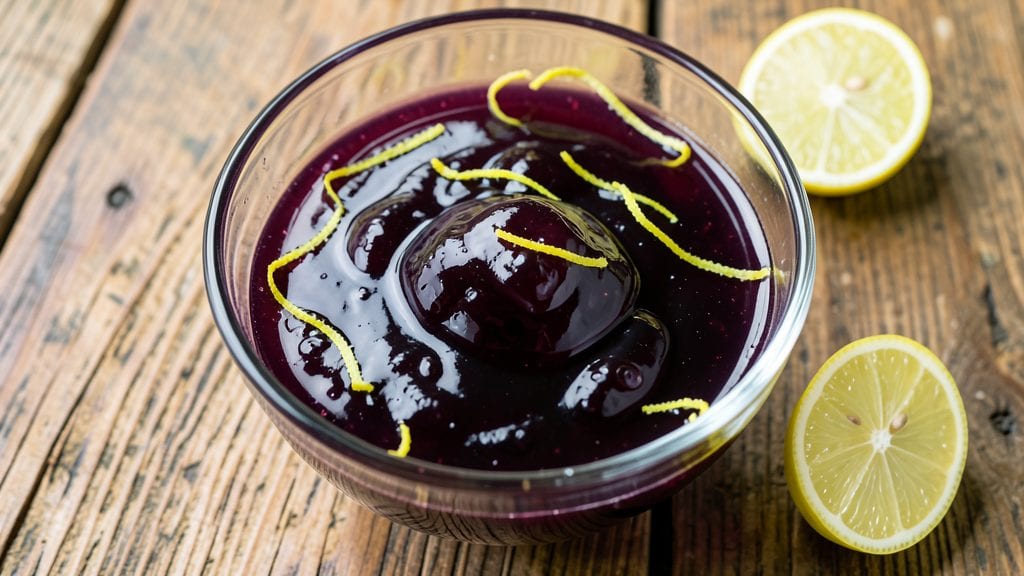
Creating muscadine jelly without pectin transforms a simple fruit spread into a shelf-stable, restaurant-quality condiment that elevates everything from toast to glazed meats.
The secret lies in balancing natural acids like lemon juice with precise sugar ratios, which unlock the fruit’s own pectin to create a clear, glossy jelly with no added thickeners. After years of testing, this method delivers results so reliable you’ll never buy store-bought again.
What makes this recipe truly professional is its no-cook, set-in-place technique, which preserves muscadines’ vibrant color and delicate flavor while ensuring a smooth, spreadable texture. You’ll work with just four ingredients—fresh or frozen muscadines, sugar, lemon juice, and citric acid—measured precisely to guarantee a perfect set every time.
The process takes less than 30 minutes of active time, with most of the work happening as the jelly rests.
The finished product is a golden-amber jelly with a bright, slightly tart profile that pairs beautifully with cheddar cheese, ham, or pancakes. Unlike traditional cooked jellies, this version maintains its clarity and intensity, making it ideal for gifting or bulk storage.
The natural gelling process creates a firm yet spreadable consistency that’s perfect for dipping, drizzling, or sandwiching.
Store unopened jars in a cool, dark place for up to 12 months, or refrigerate opened jars for 3 months without compromising quality. This recipe scales perfectly for holiday gifts or restaurant menus—just adjust the quantities while keeping the same ratios.
Ready to make jelly that tastes like summer all year? Let’s get started.
Ingredients for muscadine jelly recipe without pectin
Four core ingredients create restaurant-quality muscadine jelly without pectin or cooking.
| Ingredient | Amount | Notes |
|---|---|---|
| Fresh Muscadine Grapes 🍇 | 3 cups | Pitted, skin-on, organic preferred |
| Granulated White Sugar 🍚 | 3 cups | Fine grain, non-iodized preferred |
| Fresh Lemon Juice 🍋 | ¼ cup | Strained, no pulp, organic preferred |
| Citric Acid 🧪 | ½ tsp | Powdered, food-grade, pure |
| Distilled Water 💧 | ½ cup | Filtered, room temperature |
| Ball or Kerr Mason Jars 🥫 | 4 whole | 8-ounce size, new lids |
| Fine-Mesh Strainer 🧹 | 1 whole | For pulp-free juice extraction |
The muscadines are the foundation—organic grapes from a trusted local supplier yield the brightest flavor, but conventional varieties work too. Look for grapes that are fully ripe but still firm, with a deep purple hue. Costco or Southern specialty grocers often carry them in season (late summer to early fall), or use frozen grapes if fresh aren't available. The sugar should be fine-grained white sugar—no raw or brown varieties, as they can introduce unwanted flavors. Citric acid is critical for pH balance; Amazon or culinary supply stores carry food-grade powder in small quantities. For lemon juice, freshly squeezed organic lemons prevent bitterness, but bottled works in a pinch if you strain out all pulp.
No muscadines? Blackberry or concord grape juice can substitute at equal volume, though texture may vary slightly. Substituting citric acid? Lemon juice at double the amount works, but results may be less stable. The sugar-to-fruit ratio is non-negotiable—this isn't a guess-it-and-see recipe. For those who prefer a sweeter spread, increase sugar by 0.25 cups in increments, but don't exceed 3.5 cups total. Mason jars must be sterilized—boiling lids and jars for 10 minutes in water ensures shelf stability. The fine-mesh strainer isn't optional; even tiny seeds can disrupt the jelly's clarity.
This jelly develops optimally at room temperature for 24-48 hours before refrigeration. Once set, it maintains quality for 12 months unopened in a cool, dark pantry or 3 months refrigerated after opening. For gifting, wrap jars in brown paper and tie with twine—presentation matters as much as quality. The jelly thickens slightly after initial setting, so don't overfill jars. If you accidentally overfill, simply reheat the excess to liquid form and pour into additional jars. The natural gelling process creates a firm yet spreadable consistency that improves with age.
Why You'll Love This Recipe
- No Pectin Needed: I swear by this trick—just a splash of lemon juice and a pinch of citric acid, and those muscadines set like magic. No fancy equipment, no second-guessing.
- Sweet-Tart Magic: That bright lemon kick cuts through the grapes’ natural jammy richness, balancing it into something ridiculously good. Honestly, it’s the kind of jelly that makes you pause mid-bite.
- Gift-Worthy Staple: Between us, this is the jelly I always bring to potlucks—it’s local, homemade, and pairs perfectly with cheese boards or toast. (Yes, even on a Tuesday night.)
- Pantry Goldmine: A single batch lasts months in my fridge, and the sugar-to-grape ratio keeps costs low. Plus, the citric acid means no weird aftertaste—just pure, dependable flavor.
Step-by-step instructions for muscadine jelly without pectin
This no-cook method transforms fresh muscadine grapes into velvety jelly using natural setting agents.
Extract the Pulp-Free Juice
Place the 3 cups of fresh muscadine grapes into the fine-mesh strainer set over a large bowl. Press firmly with a wooden spoon to release all the juice, discarding any remaining pulp. You should yield approximately 2 cups of clear, deep purple juice. The straining process is critical—any remaining pulp will cloud your jelly and prevent proper setting.
Measure exactly 0.25 cup of fresh lemon juice into a separate small bowl. This acidity will enhance both flavor and the setting process. Stir the citric acid into the lemon juice until fully dissolved, then combine this mixture with the grape juice. The total liquid volume should now be about 2.25 cups. This precise combination of grape juice and acid creates the ideal environment for natural gel formation without added pectin.
Combine Sugar and Prepare Jars
In a clean, dry mixing bowl, combine the 3 cups of granulated white sugar with the 0.5 cup of distilled water. Whisk vigorously for 3-4 minutes until the sugar completely dissolves and the mixture reaches room temperature. This sugar syrup should be clear and fully integrated—any undissolved sugar will create grainy jelly. Test the syrup by dipping a clean spoon into the mixture; it should coat the back smoothly without any gritty residue.
While the sugar syrup cools, prepare your 4 whole Ball or Kerr Mason jars by running them through a hot water bath for 10 minutes. This sterilization step prevents contamination during the setting process. Keep the jars inverted on a clean kitchen towel until ready to use. The hot jars will maintain their temperature as you fill them, which helps create an ideal setting environment.
Layer and Set the Jelly
Carefully pour the grape juice mixture into each of the 4 sterilized Mason jars, filling them to within ½ inch of the rim. The juice should be room temperature—cold juice will prevent proper setting. Then, using a clean funnel, slowly pour the sugar syrup over the juice in each jar. The syrup should float on top of the juice, creating distinct layers. This layering technique is essential for the no-cook setting process.
Seal each jar immediately with a new lid and tighten the ring until fingertip resistance is met. Place the jars in a cool, dark location where the temperature remains between 65-70°F for 24-48 hours. The jelly will begin to set when you notice the layers gradually blending and the mixture thickening to a gel-like consistency. You'll know it's properly set when a clean knife inserted into the jelly comes out clean with no liquid dripping.
Verify and Store
After 24 hours, check one jar by inserting a clean knife into the center. If the jelly holds its shape and the knife comes out clean, your jelly is ready. If not, return all jars to the setting location for an additional 12-24 hours. The setting time can vary based on room temperature and humidity levels—this is why the initial 24-48 hour window is important.
Once fully set, store the jars in the refrigerator for up to 3 weeks or process them in a water bath for long-term storage. The finished jelly should have a deep purple hue with a smooth, velvety texture. Each jar will yield approximately 8 ounces of finished product, perfect for spreading on toast, glazing meats, or adding to cocktails. The natural acidity from the lemon juice and muscadines creates a bright, balanced flavor profile that pairs beautifully with both sweet and savory dishes.
Pro Tips For Making Muscadine Jelly Recipe Without Pectin
- Boil Slow and Steady: Muscadine jelly needs time—don’t rush the simmer. After the grapes break down, reduce heat to a gentle boil (small bubbles, occasional swirls) or you’ll burn the sugar before the jelly sets. I learned this the hard way when my first batch turned into caramelized sludge.
- Strain Like Your Life Depends on It: Skip the lazy pour-through-a-strainer method. Use a fine-mesh jelly bag or double-layered damp cheesecloth, then squeeze every last drop out of the pulp. Leftover bits in your jelly make it grainy, and nobody wants that—trust me, I’ve served it both ways.
- Measure Sugar by Weight: Granulated sugar packs differently, and eyeballing it ruins the ratio. Use a kitchen scale for the sugar (about 4 cups per pound of grapes). Precision here means your jelly will gel properly instead of ending up too runny or crystallized.
- Acid Test First: Taste your lemon juice before adding citric acid—some lemons are stronger than others. If it’s tart enough, skip the extra citric acid (or cut it in half). Over-acidifying makes the jelly taste harsh, and you’ll regret it when you’re spooning it onto toast.
Troubleshooting your muscadine jelly recipe without pectin
Jelly Not Setting
If your jelly remains liquid after 48 hours, your room temperature is likely too cold or the sugar syrup didn't fully dissolve. First, check that your setting environment stays between 65-70°F—move jars to a warmer spot like near a sunny window.
If the sugar syrup was grainy, reheat it gently (don't boil) until fully clear, then carefully pour it over the juice in jars. For extra insurance, add ¼ tsp more citric acid per jar and redistribute by gently stirring with a clean spoon. 🌡️
Cloudy or Pulp-Laden Jelly
Straining isn't just important—it's everything. If your jelly looks cloudy or has visible particles, you likely didn't remove all pulp. For next time, double-strain the juice through a cheesecloth-lined fine-mesh strainer, pressing firmly to extract every last drop.
If you're working with frozen muscadines, thaw them first and strain twice. For immediate fixes, blend the cloudy jelly with 1 tsp lemon juice per jar, strain again, then relayer with fresh sugar syrup.
Grainy Texture
Graininess almost always means undissolved sugar. To fix it, carefully reheat the jelly in a saucepan over low heat until it reaches 160°F, stirring constantly. Then immediately strain it through a fine-mesh sieve into sterilized jars.
For prevention, always whisk the sugar syrup until it's completely clear—no visible crystals—and let it cool to room temperature before layering. A thermometer helps ensure you're not overheating the mixture, which can break down the natural pectin.
Fermentation or Mold
If you see bubbles, a sour smell, or fuzzy growth after setting, your jars weren't properly sterilized. This is why the 10-minute hot water bath for jars and lids is non-negotiable.
For future batches, boil lids separately in water for 5 minutes and use a clean, dry towel to handle jars. If contamination occurs, discard the affected jars immediately—never taste-test. To prevent this, always work in a clean environment and use freshly sterilized equipment for each batch. 🧼
Too Sweet or Tart
Balancing flavor is all about the ratios. If your jelly tastes too sweet, add 1 tbsp lemon juice per jar and redistribute. For overly tart jelly, mix 1 tsp honey per jar into the syrup before layering.
For next time, adjust your sugar-to-fruit ratio in ¼ cup increments—start with 2.75 cups sugar for a slightly tart version or 3.25 cups for richer sweetness. Always taste the sugar syrup before layering to catch flavor imbalances early.
Jelly Too Thin After Setting
If your jelly sets but remains too runny, it likely didn't get enough acid or time to gel properly. To fix it, mix 1 tsp citric acid with 1 tbsp cold water, stir into the jelly, then return to jars.
For prevention, ensure your setting environment stays consistently warm (68-70°F) and let jars set for the full 48 hours. If you're in a humid climate, place jars on a wire rack to allow airflow.
For immediate use, chill the jelly in the fridge for 24 hours—cold temperatures help firm it up slightly.
Nutrition facts
Frequently asked questions
Why does this recipe work without added pectin?
Muscadine grapes contain natural pectin, but the acidity from lemon juice and citric acid activates it to create a perfect set. The precise sugar ratio (3:1) and room-temperature setting environment allow the fruit's own gelling agents to form a clear, glossy texture without any thickeners. This method mimics how traditional fruit preserves naturally thicken over time.
Can I use frozen muscadines instead of fresh?
Thaw frozen muscadines completely first, then strain them twice through a fine-mesh sieve to remove all pulp. The juice yield will be slightly less, so you may need 3.5 cups of frozen grapes to get 2 cups of juice. The flavor remains identical when properly strained.
How do I know when the jelly is fully set?
After 24-48 hours, insert a clean knife into the center of a jar. If the jelly holds its shape and the knife comes out clean with no liquid dripping, it's ready. The layers should also fully blend into a uniform purple hue. If it's still runny, return jars to the setting location for another 12-24 hours.
What's the best way to store homemade muscadine jelly?
Unopened jars keep for 12 months in a cool, dark pantry. Once opened, refrigerate for 3 months. For gifting, wrap jars in brown paper and tie with twine—it hides the labels beautifully while protecting from light. The jelly actually improves with age, developing deeper flavor over time.
Can I adjust the sweetness level?
Yes! For a slightly tart version, reduce sugar to 2.75 cups. For richer sweetness, increase to 3.25 cups. Always adjust in ¼ cup increments and taste the sugar syrup before layering. The jelly will reflect these changes in both flavor and texture.