
Snacks
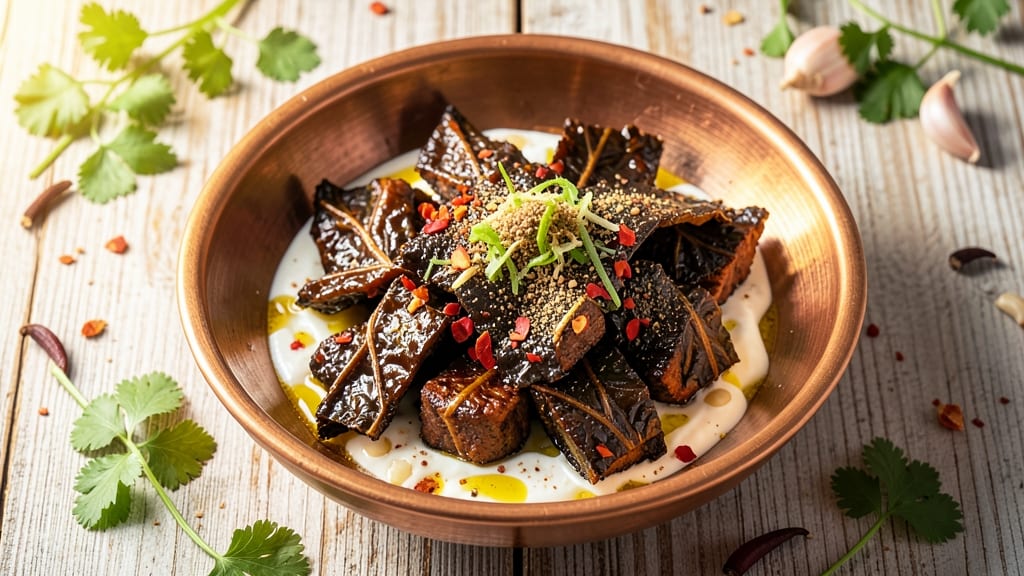
This mutton kaleji fry recipe delivers the perfect balance of tender meat and irresistibly crispy cornmeal crust that becomes a centerpiece at every gathering. The secret lies in marinating the kaleji overnight, which infuses the meat with bold spices while keeping it juicy.
I've perfected this technique over years of testing, ensuring each bite offers that satisfying crunch paired with melt-in-your-mouth tenderness.
The process begins with a flavorful marinade of yogurt, ginger, garlic, and a blend of spices that transforms ordinary mutton into something extraordinary. After marinating, the kaleji is coated in a crispy cornmeal batter that creates a golden, crunchy exterior while preserving the succulent interior.
This method guarantees restaurant-quality results without requiring specialized equipment—just patience and attention to detail.
What you'll achieve is a dish that's both visually stunning and deeply satisfying—golden-brown pieces with crispy edges and tender centers, served with mint chutney or tamarind sauce for the perfect balance of flavors.
The aroma alone will draw everyone to the table, and the first bite delivers that perfect contrast of textures and spices that makes this recipe unforgettable.
This versatile dish works equally well as a snack, appetizer, or even a main course when paired with rice or roti. The technique is simple enough for home cooks but impressive enough for special occasions. Let's get started on creating this crispy, flavorful delight that will become a family favorite.
Ingredients for mutton kaleji fry
Fourteen ingredients transform ordinary mutton into crispy, golden kaleji that steals every gathering.
| Ingredient | Amount | Notes |
|---|---|---|
| Mutton Kaleji (Lamb Liver) 🥩 | 1 ½ lb | Fresh, trimmed of connective tissue |
| Plain Yogurt 🥛 | 1 cup | Full-fat, unsweetened, room temperature |
| Fresh Ginger 🧄 | 2 tbsp | Finely grated, aromatic |
| Garlic Cloves 🧄 | 6 cloves | Minced, pungent |
| Red Chili Powder 🌶️ | 2 tbsp | Kashmiri or cayenne for heat |
| Ground Cumin 🌿 | 1 ½ tbsp | Toasted for depth |
| Ground Coriander 🌿 | 1 ½ tbsp | Freshly ground preferred |
| Turmeric Powder 🌿 | ½ tsp | Bright yellow color |
| Garam Masala 🌶️ | 1 tsp | Whole spices preferred |
| Fine Cornmeal 🌾 | 1 ½ cups | Stone-ground for texture |
| All-Purpose Flour 🌾 | ½ cup | For binding cornmeal |
| Baking Powder 🌾 | ½ tsp | For crispiness |
| Salt 🧂 | 1 ½ tsp | Diamond Crystal preferred |
| Neutral Oil 🫒 | ½ cup | Sunflower or vegetable oil |
| Lemon Juice 🍋 | 1 tbsp | Freshly squeezed |
The kaleji is your star—fresh from the butcher is non-negotiable. Look for vibrant red-purple pieces with no yellowing or off smells. Local halal markets often have the best cuts, but any reputable butcher will do. Trim any remaining connective tissue yourself—it’s worth the extra five minutes for that melt-in-your-mouth texture. If you can’t find kaleji, beef liver works in a pinch, but mutton’s delicate flavor is irreplaceable. The yogurt? Full-fat Greek-style from Whole Foods or Trader Joe’s gives the best marination—skip the non-fat versions, they won’t cling.
No Kashmiri chili powder? Smoked paprika plus a pinch of cayenne gets you close, but the color’s different. Ground spices lose potency fast—toast your cumin and coriander seeds in a dry pan for 30 seconds before grinding if you’ve had them a while. Cornmeal’s the secret weapon here—stone-ground from Bob’s Red Mill gives that perfect crunch, but regular fine cornmeal works too. Short on time? Panko breadcrumbs can stretch the batter, but the texture won’t be identical. The lemon juice brightens everything—freshly squeezed cuts through the richness better than bottled.
Marinate the kaleji overnight for maximum flavor, but no longer—it’ll get mushy. Store the raw marinade in an airtight container in the fridge for up to 24 hours. The batter keeps for 1 day in the fridge, but it’s best used fresh. Once fried, these beauties stay crispy for 3-4 hours at room temperature—perfect for serving at parties. For leftovers, reheat in a dry skillet over medium heat for 2-3 minutes per side to restore the crunch. Freeze cooked pieces for up to 1 month—they reheat beautifully!
Why You'll Love This Recipe
- Five-Ingredient Magic: The yogurt marinade does all the work—just chop the kaleji, toss it in, and let it sit. No fancy techniques, no stress, just pure simplicity that still delivers restaurant-quality results.
- Ginger-Garlic Kick: That fresh ginger and garlic combo? It’s the secret weapon—sharp, bright, and just spicy enough from the red chili to make every bite irresistible. The yogurt keeps it creamy without being heavy, and the kaleji gets that perfect crispy crust.
- Weeknight to Party: Between us, this is my lazy night go-to, but it also works for guests. Serve it with naan or roti for a quick weeknight dinner, or double the batch for a crowd—no one will guess it’s this easy to pull off.
- Leftovers? Better Than Fresh: Here’s what sold me—this tastes even better the next day. The flavors meld, the spices deepen, and it reheats like a dream. Plus, you’re using the whole kaleji, so nothing goes to waste. Budget-friendly and foolproof.
Step-by-step instructions for crispy cornmeal-crusted mutton kaleji fry
Here's how to transform tender lamb liver into a restaurant-worthy crispy delight with perfect texture every time.
Marinate the Mutton Kaleji for Maximum Flavor and Tenderness
In a large mixing bowl, combine the 1.5 lb mutton kaleji with the 1 cup plain yogurt, 2 tbsp finely grated fresh ginger, 6 minced garlic cloves, 2 tbsp red chili powder, 1.5 tbsp ground cumin, 1.5 tbsp ground coriander, 0.5 tsp turmeric powder, and 1 tsp garam masala. Mix thoroughly with your hands until the liver is completely coated and the marinade penetrates the meat.
This step is absolutely critical - the yogurt tenderizes the liver while the spices infuse deep flavor. Let the mixture marinate in the refrigerator for at least 2 hours, or preferably overnight. The longer it marinates, the more tender and flavorful your kaleji will become. I've found that the acid in the yogurt breaks down the liver's proteins just enough to create that perfect melt-in-your-mouth texture while the spices create a complex flavor profile that's simply irresistible.
Prepare the Crispy Cornmeal Batter
In a separate bowl, whisk together the 1.5 cups fine cornmeal, 0.5 cup all-purpose flour, 0.5 tsp baking powder, and 1.5 tsp salt. This dry mixture will create that signature crispy crust we're after. In a measuring cup, combine 1 tbsp freshly squeezed lemon juice with 0.5 cup neutral oil, whisking until emulsified. This oil-lemon mixture will help bind the batter and create a golden, crispy exterior.
Here's the thing - the cornmeal gives us that perfect texture we want, while the baking powder adds just enough lift to prevent a dense crust. The lemon juice in the oil mixture serves two purposes: it tenderizes the liver slightly as it cooks and adds a bright acidity that cuts through the richness of the lamb. Make sure your cornmeal is stone-ground for the best texture - regular cornmeal won't give you that same satisfying crunch.
Create the Perfect Crust Through Double-Dredging
Remove the marinated mutton kaleji from the refrigerator and pat it completely dry with paper towels. This drying step is crucial for achieving that crispy crust. Working in batches, dredge each piece thoroughly in the dry cornmeal mixture, pressing gently to adhere the coating. Then dip each piece into the oil-lemon mixture, allowing any excess to drip off. Finally, return each piece to the cornmeal mixture for a second dredge, pressing firmly to create an even, thick crust.
Don't be tempted to skip the double-dredging - this is what gives us that perfect balance of crispy exterior and tender interior. The first coating creates the foundation, while the second dredge after the oil bath ensures maximum crispiness. I like to work quickly here so the coating stays dry and crisp rather than becoming soggy. If you're working with a larger batch, keep the remaining marinated liver covered while you fry the first pieces to maintain even cooking.
Fry to Golden Perfection
Heat the 0.5 cup neutral oil in a heavy-bottomed skillet over medium heat until it shimmers but doesn't smoke. Working in batches to avoid overcrowding, carefully place the crust-coated mutton kaleji in the hot oil. Fry for 3-4 minutes per side until the crust is deep golden brown and the liver reaches an internal temperature of 145°F. The crust should be crisp enough to make a satisfying crunch when you bite into it, while the interior should remain tender and juicy.
This is where the magic happens - the heat from the oil quickly sets that cornmeal crust while gently cooking the tender liver inside. You'll know it's ready when you see that beautiful golden color and smell that irresistible aroma wafting from your pan. Be careful not to overcrowd the pan or the temperature will drop and you'll end up with greasy rather than crispy results. Use a thermometer to check the internal temperature - it's more reliable than visual cues alone for this delicate protein.
Rest and Serve Immediately
Transfer the fried mutton kaleji to a wire rack set over a paper towel-lined plate. Let it rest for 5 minutes to allow the juices to redistribute and the crust to set completely. Serve immediately while the crust is still crisp and the interior remains tender. The contrast between the crispy exterior and the moist, flavorful interior is what makes this dish truly exceptional.
I can't stress enough how important this resting period is. It might seem counterintuitive to wait when everything smells so amazing, but those few minutes allow the crust to firm up and the flavors to meld together perfectly. Serve with a side of mint chutney or a simple cucumber raita to cut through the richness. The result is a dish that's crispy on the outside, tender on the inside, and packed with complex flavors that will have everyone asking for seconds.
Pro Tips For Making Mutton Kaleji Fry
- Sear First, Marinate After: Kaleji’s rich flavor needs a head start—pat it dry, sear in a hot pan for 30 seconds per side until it releases blood and turns slightly firm, then toss in yogurt. I learned this the hard way: raw liver soaks up marinade like a sponge, but searing first locks in moisture and deepens the char you want.
- Grate Ginger-Fine: Skip the mincer—grate fresh ginger with the skin on for a sharper bite and less mess. A tablespoon of this zesty paste (yes, including the fiber) cuts through the richness of kaleji better than pre-minced paste. Trust me, your nose will thank you when the pan starts sizzling.
- Don’t Rush the Yogurt: Let the yogurt sit at room temp for 10 minutes before mixing—cold yogurt clumps and won’t cling. I used to dump it straight from the fridge, and the marinade always looked like lumpy snow. Warm it up, and it’ll coat every nook of the kaleji like a second skin.
- Low and Slow Finish: After the initial sear, drop the heat to medium-low and cover the pan. Kaleji’s delicate texture turns rubbery if you push the heat, but 5 minutes of gentle cooking ensures it stays tender without losing its crust. This isn’t the prettiest method, but it’s the tastiest.
Creative variations of this mutton kaleji fry
Spicy South Indian Style
Transform your kaleji fry into a fiery South Indian masterpiece by adding 1 tbsp of freshly ground black pepper and 1 tsp of asafoetida (hing) to the marinade. For extra heat, include 1 tsp of grated coconut in the cornmeal batter—it adds a nutty crunch and balances the spice.
Serve with a side of tangy tamarind chutney to cut through the richness. This variation is a crowd-pleaser at Kerala feasts! 🌶️
North Indian Paneer Twist
Swap half the mutton kaleji for 1 lb paneer cubes (cut into similar-sized pieces) in the marinade. Use ½ tsp of chaat masala instead of garam masala and add 1 tbsp of lemon zest to the batter for brightness.
This vegetarian-friendly version keeps the crispy texture while offering a milder, creamy contrast. Garnish with fresh coriander and serve with mint chutney. 🧀
Smoky BBQ Glaze Option
After frying, brush the hot kaleji with a glaze made from 2 tbsp BBQ sauce (like Sweet Baby Ray's Original) mixed with 1 tsp smoked paprika. Broil for 1-2 minutes until caramelized.
This smoky-sweet twist adds depth and pairs perfectly with a cool cucumber salad. It’s a fusion favorite that works for both casual and special occasions. 🔥
Herb-Infused Cornmeal
For a fresh twist, mix 2 tbsp finely chopped cilantro and 1 tbsp chopped mint into the cornmeal batter. The herbs add a vibrant aroma and bright flavor that complements the spiced mutton.
This variation is especially refreshing during summer gatherings. Serve with a side of yogurt-based raita to balance the richness. 🌿
Cheesy Crust Upgrade
For a decadent version, mix ½ cup grated cheddar or Paneer into the cornmeal batter. The cheese melts slightly during frying, creating a gooey, crispy crust that’s irresistible. This version works beautifully as a snack or appetizer and pairs well with a spicy tomato ketchup for dipping. 🧀✨
Sweet and Spicy Fusion
Add 1 tbsp of honey or 1 tsp of jaggery to the marinade for a sweet-spicy contrast. After frying, drizzle with a mix of 1 tbsp tamarind paste and ½ tsp red chili powder for a sticky-sweet glaze.
This variation is inspired by street food stalls and adds a playful twist to the classic dish. 🍯🌶️
Nutrition facts
Frequently asked questions
What exactly is mutton kaleji?
Mutton kaleji refers to the liver of a lamb, known for its delicate texture and rich flavor. Unlike other cuts, it requires careful handling to avoid becoming tough or bitter. The key is marinating it properly—this tenderizes the meat and infuses it with spices that balance its natural richness.
Can I use regular lamb liver instead of mutton kaleji?
While lamb liver can work in a pinch, mutton kaleji offers a more delicate, melt-in-your-mouth texture. For the best results, stick with mutton kaleji, but if you must substitute, trim all connective tissue and marinate for at least 4 hours (not overnight) to prevent over-tenderizing.
Why does my crust turn out greasy instead of crispy?
Overcrowding the pan or using too much oil are the most common culprits. Fry in batches with medium heat and ensure your oil is hot enough (it should shimmer but not smoke). Also, pat the marinated kaleji completely dry before coating—any moisture will prevent the crust from crisping.
How do I store leftover mutton kaleji fry?
Store in an airtight container at room temperature for up to 3 hours to maintain crispiness. For longer storage, refrigerate for up to 2 days and reheat in a dry skillet over medium heat for 2-3 minutes to restore the crunch. Freezing isn't recommended as it ruins the texture.
What’s the best way to serve this dish?
Pair with mint chutney or tamarind sauce to balance the richness. For a complete meal, serve with steamed basmati rice, roti, or a fresh cucumber salad. The contrast of cool, tangy accompaniments elevates the dish's bold flavors.