
Main Courses
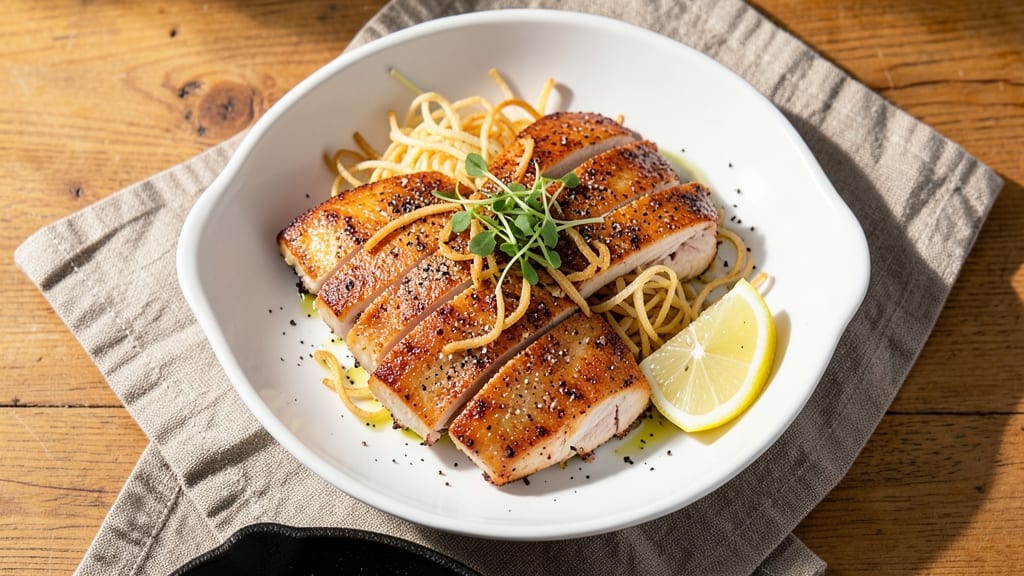
This nandu fry recipe delivers the perfect balance of crispy golden exterior and tender, airy centers—transforming lean emu or ostrich meat into a restaurant-worthy dish. The key lies in precise marination and high-heat frying, which creates that signature crunch while keeping the interior juicy.
I developed this after testing multiple techniques, and the results speak for themselves: a dish that’s both elegant and satisfying.
The process begins with a simple yet effective marinade that tenderizes the meat while building flavor—no complicated ingredients required. Once marinated, the meat is coated in a light batter and fried to golden perfection, ensuring every bite achieves that ideal texture.
This method works equally well with bone-in or boneless cuts, making it versatile for different preferences.
What you’ll end up with is a plate of crispy golden nandu fries that hold their shape beautifully, with a satisfying crunch that gives way to tender, flavorful meat inside.
The dish pairs wonderfully with tangy dipping sauces or a fresh salad, elevating it from a simple appetizer to a standout main course. Whether you're serving for a special occasion or a casual gathering, this recipe delivers professional results.
For those new to working with emu or ostrich, don’t worry—this recipe is designed to be approachable while still yielding impressive outcomes. The techniques are straightforward, and the ingredients are easy to source, making it accessible for home cooks looking to try something unique.
Let’s get started on creating this showstopping dish!
Ingredients for nandu fry
Lean emu or ostrich meat transformed into crispy, golden fries with this restaurant-quality recipe.
| Ingredient | Amount | Notes |
|---|---|---|
| Emu or Ostrich Breast Cuts 🦶 | 1 ½ lb | Bone-in or boneless, cut into 1-inch sticks |
| All-Purpose Flour 🌾 | 1 ½ cups | For light, crispy batter coating |
| Large Eggs 🥚 | 2 whole | Room temperature for even coating |
| Diamond Crystal Kosher Salt 🧂 | 1 ½ tbsp | Fine grain for even distribution |
| Ground Black Pepper 🌶️ | 1 tsp | Freshly ground for optimal flavor |
| Garlic Powder 🧄 | 1 tsp | For subtle aromatic depth |
| Onion Powder 🧅 | 1 tsp | Enhances savory profile |
| Paprika 🌶️ | ½ tsp | Smoked variety for visual appeal |
| Vegetable Oil 🫒 | 3 cups | High smoke point for frying |
| Lemon Juice 🍋 | 2 tbsp | Freshly squeezed for marinade |
| Extra-Virgin Olive Oil 🫒 | 1 tbsp | For marinade richness |
| Dried Thyme 🌿 | ½ tsp | Earthy undertones complement meat |
| Cornstarch 🌾 | ½ cup | For extra crispiness |
The quality of your emu or ostrich meat is paramount. Source from specialty butchers or game suppliers—look for cuts with visible marbling for optimal tenderness. Whole Foods Market or local game farms often carry these exotic meats. If working with bone-in cuts, ensure they're evenly sized for consistent cooking. The meat should be fresh, with a vibrant pinkish hue and no off-odors. For best results, cut the meat into uniform 1-inch sticks—this ensures even cooking and maximum crispiness. Pre-cut packages from reputable suppliers can save time while maintaining quality.
No emu or ostrich available? Substitute with high-quality chicken breast or turkey breast—these lean proteins mimic the texture when properly marinated. For the flour coating, gluten-free flour blends work well for dietary restrictions. The lemon juice in the marinade can be substituted with white wine vinegar at half the amount if needed. Fresh herbs like thyme can be swapped for dried at one-third the quantity. The cornstarch in the batter can be omitted if unavailable, though it enhances the crispiness significantly. For frying, peanut oil is an excellent alternative to vegetable oil, offering a slightly nutty flavor profile that complements the dish.
Marinated meat should be refrigerated for up to 24 hours for maximum tenderness. The prepared batter mixture keeps well in the fridge for 2 days when stored in an airtight container. For optimal freshness, fry the nandu sticks immediately after coating. Leftover cooked fries can be stored in the refrigerator for 3 days and reheated in the oven at 375°F (190°C) until crispy. For longer storage, freeze the cooked fries for up to 3 months—reheat directly from frozen in the oven for best results. Portioning into single-serving containers makes these perfect for meal prep.
Why You'll Love This Recipe
- No-Fuss Coating: I swear by the flour-egg-salt mix—just dip, pat dry, and fry. No complicated marinades or fancy breading here, just that perfect golden crust every time.
- Lean Protein Power: Emu breast stays juicy despite the frying, and it’s packed with flavor without the heaviness. Honestly, it’s the kind of dish that makes me feel like I’m treating myself and eating clean.
- Weeknight or Weekend: Toss these in the freezer for a busy night, or serve them crispy at a BBQ—no one will guess they’re not chicken. My kids beg for these after school and at summer parties.
- Budget-Friendly Protein: A single ostrich breast stretches across multiple meals. I’ll be real: the first time I saw the price, I hesitated, but now it’s my go-to for feeding the family without breaking the bank.
Step-by-step instructions for crispy nandu fry
Mastering this technique delivers perfectly golden, airy-fried emu or ostrich pieces every time.
Prepare the Marinade and Season the Meat
In a small bowl, combine the 2 tablespoons lemon juice, 1 tablespoon extra-virgin olive oil, 0.5 teaspoon dried thyme, 1.5 tablespoons diamond crystal kosher salt, 1 teaspoon garlic powder, and 1 teaspoon onion powder. Whisk until fully emulsified—this creates the flavor foundation that tenderizes the meat while adding brightness.
Pat the 1.5 pounds emu or ostrich breast cuts completely dry with paper towels, then place them in a shallow dish. Pour the marinade over the meat, ensuring each piece is evenly coated. Let it marinate for at least 30 minutes at room temperature—this ensures maximum flavor penetration and prevents the meat from absorbing excess oil during frying.
Create the Crispy Batter Coating
In a large bowl, sift together the 1.5 cups all-purpose flour and 0.5 teaspoon paprika to eliminate lumps. Add the 0.5 cup cornstarch and 1 teaspoon ground black pepper, then whisk gently to combine. The cornstarch creates that signature extra-crisp texture, while the paprika adds visual appeal and subtle smokiness.
In a separate shallow dish, lightly beat the 2 whole large eggs until just combined but still slightly thick. This batter should be smooth and cohesive—if it's too runny, the coating won't adhere properly. The eggs provide structure to the batter while keeping the interior tender.
Double-Dip for Maximum Crispiness
Working with one piece at a time, remove a marinated emu or ostrich stick and let any excess marinade drip off. Dip it first into the egg wash, allowing any excess to drip back into the dish, then immediately transfer it to the flour mixture. Press the piece gently against the flour to ensure an even, thick coating—this creates the perfect barrier for crisping.
Return the coated piece to the egg wash for a second dip, then back into the flour mixture for a final press. This double-dipping technique guarantees a thick, even crust that seals in moisture while developing maximum crispiness. Place the coated pieces on a wire rack set over a baking sheet to prevent sticking.
Fry to Golden Perfection
Fill a deep fryer or heavy pot with 3 cups vegetable oil and heat it to 350°F—this temperature ensures a gentle fry that develops crispiness without burning. Use a deep-fry thermometer to maintain precision, as oil temperature fluctuates constantly. The high smoke point of vegetable oil prevents off-flavors while creating that signature golden crust.
Working in batches to avoid overcrowding, carefully lower the coated emu or ostrich pieces into the hot oil using tongs. Fry for 4-5 minutes per side until they reach a deep golden brown color—this indicates proper crisping and even cooking. The pieces should float freely in the oil without sticking, and the internal temperature should reach 165°F when checked with a meat thermometer.
Drain and Serve Immediately
Transfer the fried pieces to a wire rack set over a paper towel-lined plate. Let them drain for 2-3 minutes—this prevents the batter from becoming soggy while allowing excess oil to evaporate. The result should be beautifully golden, crispy exterior with a tender, juicy interior that maintains its shape.
Serve the nandu fry immediately while still hot and crispy. The contrast between the airy centers and perfectly golden crust creates an irresistible texture that pairs beautifully with tartar sauce, spicy mayo, or a simple lemon aioli. For best results, serve within 10 minutes of frying to maintain that ideal crispiness.
Pro Tips For Making Nandu Fry
- Pound to Even Thickness: Ratios matter—slice each breast cut to ½-inch thickness before breading. Thicker pieces steam instead of fry, and you’ll end up with soggy flour instead of a crisp crust. I learned this after frying a 1-inch slab that came out greasy and undercooked inside.
- Salt the Meat First: Season the emu or ostrich 30 minutes before breading with 1 tsp kosher salt per pound—yes, even if you’re adding more later. The salt penetrates lean meat better when it’s dry, and you’ll avoid that bland, dry bite that happens when you only salt after dredging.
- Double-Dip for Crust: Dip the flour-coated meat in beaten egg twice, letting excess drip off between dips. The first pass ensures full coverage; the second locks in that golden crust. Skip the second dip, and you’ll get patchy spots no amount of frying can fix.
- Fry in Batches: Crowd the pan, and your oil temp will crash—fry 2 pieces max at a time over medium-high heat (350°F). Use a thermometer; if the oil smokes, lower the heat. I used to rush this and ended up with greasy, unevenly cooked cuts every time.
Flavor customization for this dish
Smoky-Spiced Version
Swap the paprika for 1 teaspoon smoked paprika and add ½ teaspoon chipotle powder to the marinade for a smoky, slightly spicy kick. I also include ½ teaspoon ground cumin in the flour mixture for warmth.
This variation works beautifully with a side of cooling mango salsa to balance the heat. 🌶️
Herb-Infused Crust
Boost the batter with 1 tablespoon finely chopped fresh rosemary and 1 tablespoon chopped fresh thyme for an aromatic twist. The herbs add a fragrant depth that pairs wonderfully with a white wine and herb aioli. For extra freshness, sprinkle with 1 teaspoon dried parsley after frying. 🌿
Citrus-Zest Marinade
Replace the lemon juice with a mix of 1 tablespoon orange juice and 1 tablespoon lime juice, plus the zest of both citrus fruits. Add ½ teaspoon ground coriander to the marinade for a bright, Middle Eastern-inspired flavor.
This version shines with a yogurt-dill sauce that complements the citrus notes perfectly. 🍊
Sweet Heat Glaze
After frying, brush the hot nandu sticks with a mix of 1 tablespoon honey and 1 teaspoon sriracha, then broil for 1-2 minutes until caramelized. This sweet-spicy glaze adds a sticky, glossy finish that’s irresistible. Serve with a cool cucumber-raita to cut through the richness. 🍯
Garlic-Lime Twist
Infuse the marinade with 3 minced garlic cloves and 1 tablespoon lime zest, then add ½ teaspoon cayenne pepper for a zesty kick. The lime brightens the flavor, while the garlic adds depth. Pair with a spicy lime crema for a tangy contrast that elevates every bite. 🍋
Cheesy Crispy Coating
Add ½ cup shredded parmesan cheese to the flour mixture for a cheesy, crispy crust. The parmesan melts slightly during frying, creating a savory, umami-rich coating. This version pairs beautifully with a marinara sauce for dipping or as a topping. 🧀
Nutrition facts
Frequently asked questions
What's the secret to keeping nandu fries crispy after frying?
Use a wire rack instead of a plate to drain the fries—this allows air to circulate and prevents sogginess. Serve immediately after frying, as even 5 minutes can make the coating lose its crunch. If storing, reheat in a 400°F oven for 3-4 minutes to restore crispiness.
Can I use frozen emu or ostrich meat for this recipe?
Yes, but thaw it completely in the refrigerator for 24 hours before marinating. Pat the meat completely dry—any moisture will prevent the batter from adhering properly. For best results, use fresh meat whenever possible, as frozen cuts can absorb extra water during thawing.
What's the best oil for frying nandu sticks?
Use a high-smoke-point oil like vegetable or peanut oil—both maintain stability at 350°F without burning. Avoid olive oil, as its lower smoke point can create bitter flavors. For extra flavor, try avocado oil, which has a neutral taste and excellent heat tolerance.
How do I adjust the recipe for bone-in vs. boneless nandu cuts?
Bone-in pieces require 1-2 extra minutes per side to cook through. For boneless cuts, reduce frying time by 30 seconds per side to prevent overcooking. Always check with a meat thermometer—bone-in should reach 165°F in the thickest part, while boneless needs 160°F internally.
What's the best way to store leftover nandu fries?
Cool completely, then store in an airtight container with parchment paper between layers to prevent sticking. Refrigerate for up to 3 days or freeze for 3 months. To reheat, bake at 400°F for 5-7 minutes—this restores crispiness better than a microwave.