
Sauces & Condiments
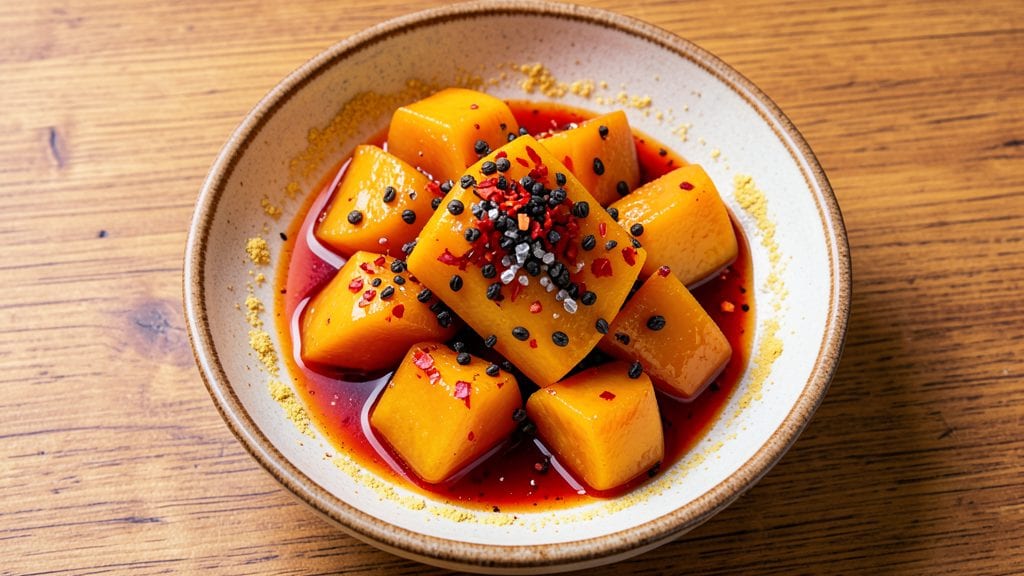
This oil-free mango pickle recipe transforms ripe mangoes into a vibrant, tangy-sweet condiment that skips oil entirely while delivering bold flavor. The secret lies in a precise balance of vinegar, spices, and sugar that preserves the fruit's natural sweetness while adding a fermented depth.
I developed this version after realizing traditional oil-based pickles could be just as rich—if not more—without the heaviness.
The process is straightforward but requires patience, as the mangoes ferment for at least 3 days to develop their signature tang. You'll use simple pantry staples like apple cider vinegar, turmeric, and black salt to create a condiment that's crisp, slightly spicy, and packed with fruity brightness.
This isn't just a substitute; it's a standout side that elevates grilled meats, rice bowls, or even yogurt bowls.
By the end, you'll have a jar of golden-hued mango slices infused with warm spices and a tangy bite—perfect for snacking or drizzling over dishes. The texture stays firm yet tender, and the flavor grows more complex over time.
Store it in the fridge for up to 3 months, where it continues to develop depth.
This recipe works equally well as a standalone snack or as a topping for savory dishes like dosas, sandwiches, or even cheese platters. The absence of oil doesn't compromise the flavor—it simply refines it into something lighter yet more vibrant.
Ingredients for oil free mango pickle
Nine simple ingredients transform ripe mangoes into a tangy, vibrant condiment—no oil needed.
| Ingredient | Amount | Notes |
|---|---|---|
| Ripe Mangoes 🍈 | 2 lbs | Firm yet soft, skin unblemished |
| Apple Cider Vinegar 🍏 | 1 cup | Unfiltered for tanginess |
| Granulated Sugar 🍚 | 1 cup | White or raw cane |
| Turmeric Powder 🌿 | 1 tsp | Freshly ground preferred |
| Black Salt (Kala Namak) 🧂 | ½ tsp | For sulfuric tang |
| Red Chili Powder 🌶️ | 1 tsp | Adjust for spice level |
| Mustard Seeds 🌱 | 1 tsp | Whole, toasted lightly |
| Asafoetida (Hing) 🌿 | ¼ tsp | Pinch for aroma |
| Water 💧 | 1 cup | Filtered preferred |
Mangoes are the star here—look for ripe but firm fruit with vibrant color. Indian or Latin markets often have the best selection, but any grocery store with a produce section works. The skin should be smooth, not wrinkled or bruised. If you can't find ripe mangoes, leave them at room temperature for a day or two after bringing them home. The sugar and vinegar balance will preserve their natural sweetness while the spices add depth. I usually grab Alphonso or Ataulfo varieties if available—they're sweeter and hold up better during fermentation.
No black salt? Substitute a pinch of garlic powder plus a dash of lemon juice for that signature tang. Running low on asafoetida? Skip it entirely—it's more about aroma than flavor. Want more heat? Add cayenne or crushed red pepper flakes. The vinegar is non-negotiable though—apple cider vinegar gives the best flavor, but white vinegar works in a pinch. For the spices, toast the mustard seeds in a dry pan for 30 seconds before adding to the mango mixture—this brings out their aroma. If you're short on time, skip the toasting, but your pickles will be less flavorful.
Fermented pickles keep best in the fridge—up to 3 months if stored properly. Use a clean, airtight jar and press the mango slices down to submerge them fully in the liquid. The longer it sits, the tangier it gets—3 days minimum, 2 weeks for maximum depth. I like to make a big batch and keep it in the fridge for snacking. The liquid reduces over time, so you can always add a splash of vinegar or water if needed. If the mangoes start to soften too much, eat them first—they're delicious that way too!
Why You'll Love This Recipe
- No Oil, No Stress: I swear by this—no simmering oil, no fumes, just a quick toss of diced mangoes with vinegar, sugar, and a pinch of turmeric. The black salt adds that just-right tangy kick without any fuss.
- Sweet-Tart Magic: That balance of ripe mango and apple cider vinegar? Chef’s kiss. The sugar caramelizes just enough to make it irresistibly sticky, while the turmeric gives it a warm, golden hue that tastes like summer in a jar.
- Weeknight Savior: I keep a jar of this in the fridge for when I’m too tired to cook. Slather it on toast, mix it into yogurt, or just eat it straight—it’s the perfect lazy-day snack that still feels special.
- Budget-Friendly Staple: A single batch lasts me weeks, and the ingredients? Basic pantry stuff. Ripe mangoes are cheap when they’re overripe, vinegar and sugar never spoil, and a little black salt goes a long way. Minimal cost, maximum flavor.
Instructions for oil-free mango pickle recipe
Here's how to make a bright, tangy mango pickle without any oil—simple steps for bold flavor.
Prepare the Mangoes
Start by peeling the 2 lbs of ripe mangoes and cutting them into even chunks about ½-inch thick. You want pieces that are consistent so they soak up the marinade uniformly. Place the mango chunks in a large bowl and set aside.
I like to use a sharp knife for this step—it gives you cleaner cuts and prevents the fruit from bruising. If your mangoes are particularly juicy, you might notice some liquid pooling in the bowl. That's normal, and it actually helps create a more flavorful pickle as the liquid carries the spices into the fruit.
Toast the Spices
In a small dry skillet over medium heat, toast the 1 tsp of mustard seeds for about 1 minute until they begin to pop and release their nutty aroma. This step is crucial—it deepens the flavor of the spices and gives the pickle its signature depth.
As soon as you hear the popping, remove the skillet from heat and immediately add the 0.25 tsp of asafoetida (hing). The hing will sizzle slightly and release its intense aroma. Let it cool for just 1 minute before transferring to your mixing bowl—this prevents the spices from overpowering the mango's natural sweetness.
Mix the Marinade
In the same bowl with the mango chunks, combine the toasted mustard seeds and hing with the 1 cup of granulated sugar, 1 tsp of turmeric powder, 0.5 tsp of black salt (kala namak), and 1 tsp of red chili powder. Mix everything together gently but thoroughly so the spices coat the mango pieces evenly.
Here's where it gets good—add the 1 cup of apple cider vinegar and 1 cup of water. The vinegar will start to react immediately with the sugar, creating a light fizz. Stir well to ensure all the mango pieces are submerged in the marinade. This liquid will penetrate the fruit, infusing it with flavor and helping to preserve it naturally.
Ferment the Pickle
Transfer the mango mixture to a clean glass jar with a tight-fitting lid. Press down gently on the mango pieces to remove any air bubbles and ensure they're fully submerged in the marinade. This step is important because it prevents mold growth and helps the flavors meld together more evenly.
Let the jar sit at room temperature for 24 hours. You'll notice the liquid starts to bubble slightly as the natural fermentation process begins. After 24 hours, refrigerate the jar for at least 2 more days before tasting. The longer it sits, the more complex the flavors become—think bright tang, subtle heat, and a perfect balance of sweet and sour.
Serve and Store
Once the pickle has chilled in the refrigerator, give it a good stir and taste. The mangoes should be tender but still hold their shape, with a glossy sheen from the marinade. If you prefer a stronger flavor, let it sit in the fridge for another week—the taste will deepen over time.
Serve the pickle as a condiment with grilled meats, rice dishes, or even as a topping for yogurt. Store it in the refrigerator for up to 2 months. The acidity from the vinegar and the natural fermentation process will keep it fresh and flavorful for a surprisingly long time without any oil needed.
Pro Tips For Making Oil Free Mango Pickle
- Peel First, Then Dice: I learned this the hard way—peeling mangoes after cutting them turns your kitchen into a sticky mess. Use a sharp knife to score the skin in a crosshatch pattern, then slip it off in one piece before dicing. The fruit stays cleaner, and you’ll waste less pulp.
- Simmer Vinegar Slow: Apple cider vinegar evaporates faster than you think. After adding it to the mango mixture, reduce heat to low and let it bubble gently for 10 minutes—this drives out the raw acidity and deepens the tang. Skipping this step leaves your pickle tasting harsh instead of balanced.
- Sugar in Stages: Dump all the sugar at once, and you’ll end up with a syrupy glaze instead of a properly pickled texture. Sprinkle half the sugar first, let it dissolve completely, then add the rest. This prevents clumping and ensures even sweetness throughout.
- Black Salt Last: My grandmother swore by this, and she was right: add kala namak after the vinegar has simmered. The sulfur compounds in black salt react with heat—if you add it early, you’ll lose that signature eggy, metallic kick that makes the pickle pop. Stir it in during the final 2 minutes.
Common mistakes when making your oil free mango pickle
Over-Spicing the Mango
It's easy to overdo the spices when you're excited about bold flavors, but too much red chili powder or black salt can make your pickle taste harsh rather than balanced.
I've found that 1 tsp red chili powder is plenty for 2 lbs of mangoes—any more and the heat will overpower the fruit's natural sweetness. If you love spice, start with ½ tsp and adjust after tasting.
The same goes for black salt: ½ tsp gives that signature tang without making the pickle taste sulfurous. 🌶️
Skipping the Fermentation
Rushing the fermentation process is a common mistake that results in a flat, underdeveloped flavor. The 24-hour room-temperature stage is crucial for kickstarting fermentation, which creates those complex tangy notes. I've seen people refrigerate immediately, but this skips the natural development of flavor.
If you're short on time, at least let it sit at room temperature for 6 hours—you'll notice a difference in brightness and depth.
Not Submerging Fully
Air exposure can lead to mold or uneven flavor absorption. When packing your mango pieces into the jar, make sure they're completely submerged in the marinade. I press down gently with a clean spoon to eliminate air bubbles.
If you see any mango pieces floating or peeking above the liquid, add a splash more vinegar or water to cover them. This simple step prevents spoilage and ensures even flavor infusion.
Using Unripe Mangoes
Unripe mangoes lack the natural sweetness needed to balance the vinegar's acidity, resulting in a sour, underwhelming pickle. Always use ripe but firm mangoes—they should yield slightly to gentle pressure but not be mushy.
If you're unsure, cut one open: ripe mango flesh is vibrant yellow with a slight give. The sugar in the recipe helps preserve the fruit, but it can't compensate for unripe mangoes' lack of natural sweetness.
Ignoring the Sugar-Vinegar Ratio
The balance between 1 cup sugar and 1 cup vinegar is what creates that perfect sweet-tangy profile. Too much vinegar makes the pickle harsh, while too little sugar leaves it cloying. I've learned through trial and error that this ratio works best for 2 lbs of mangoes.
If you're using a different vinegar (like white vinegar), you might need to add ½ tsp more sugar to compensate for its sharper acidity. Taste as you go!
Storing Improperly
Even the best pickle can spoil if not stored correctly. Always use a clean, airtight glass jar—plastic can absorb odors and affect flavor. Store in the fridge, not at room temperature, to slow fermentation and preserve freshness.
I've seen people leave their pickles out for days, which can lead to mold or off flavors. For long-term storage, leave ½ inch of headspace in the jar to account for liquid reduction during fermentation.
Nutrition facts
Frequently asked questions
Can I use other fruits instead of mango?
While mango is ideal, you can experiment with similar tropical fruits like pineapple or papaya. These will work best since they have a natural sweetness that balances the tangy vinegar. Avoid overly watery fruits like peaches—they won't hold up well during fermentation. Always adjust sugar slightly if using a fruit with different natural sweetness levels.
How long does this oil-free pickle last?
When stored properly in an airtight glass jar in the fridge, this mango pickle stays fresh for 2-3 months. The vinegar and fermentation process act as natural preservatives. For longer storage, you can freeze it for up to 6 months, though the texture may soften slightly when thawed.
What's the best way to serve this pickle?
This versatile condiment works beautifully with grilled meats, rice dishes, or even as a topping for yogurt bowls. Try pairing it with Indian curries, tacos, or as a snack with crackers. The bright tang cuts through rich flavors perfectly—it's like a fruity, spiced salsa without the oil!
Can I make this pickle without vinegar?
Vinegar is essential for both preservation and that signature tang. If you're avoiding vinegar for health reasons, you could try using lemon juice instead (about 1½ cups fresh lemon juice), but the flavor will be less complex. The acidity helps create the fermented depth that makes traditional pickles so special.
Why does my pickle look cloudy?
Cloudiness usually means fermentation is actively happening—it's normal! The mango pieces should remain clear, but the liquid may develop a slight haze. If you see mold (fuzzy spots) or an unpleasant smell, discard it immediately. Always use clean equipment and fully submerge the fruit to prevent spoilage.