
Side Dishes
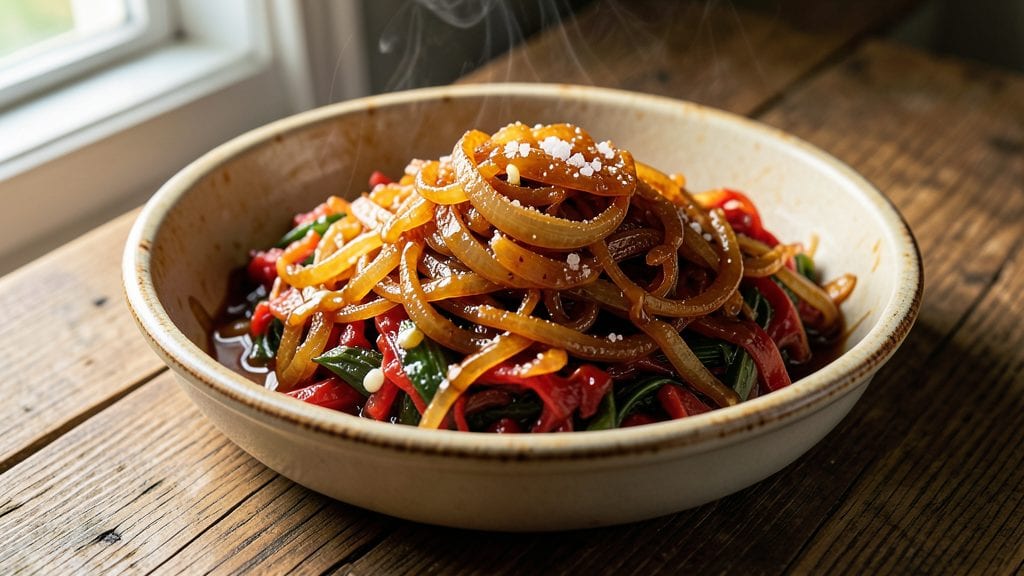
This sauerkraut and brown sugar recipe transforms a simple fermented vegetable into a caramelized masterpiece with just five ingredients and 30 minutes of hands-on time.
The tangy crunch of sauerkraut meets the deep, molasses-like sweetness of brown sugar in a way that elevates any meal—whether paired with roasted meats or served as a standalone side.
I developed this method after discovering how the acidity of sauerkraut balances brown sugar’s richness, creating a dish that’s both comforting and sophisticated.
The process is straightforward but precise: you’ll sauté onions until golden, add brown sugar to create a glossy caramel base, then fold in sauerkraut and a splash of apple cider vinegar to brighten the flavors.
Cooking just until the edges crisp ensures that tangy crunch remains intact while the sugar develops a subtle depth. This dish delivers restaurant-quality results without requiring advanced techniques—just patience and attention to timing.
By the end, you’ll have a side dish that’s glossy, caramelized, and packed with contrast—the sharp bite of sauerkraut cutting through the sweetness, with a hint of smokiness from the onions.
The aroma alone will draw everyone to the table, and the texture—crisp edges, tender centers—makes it impossible to resist. This is the kind of dish that turns a simple weeknight dinner into something memorable.
Serve it alongside pork chops, sausages, or even grilled chicken to create a full meal, or enjoy it as a vegetarian centerpiece with crusty bread. The leftovers keep well for up to 5 days, making it a perfect make-ahead option for busy evenings.
Let’s get cooking—this recipe is simpler than it tastes.
Ingredients for sauerkraut brown sugar
Five ingredients, one pan, restaurant-quality caramelized sauerkraut with perfect tangy-sweet balance.
| Ingredient | Amount | Notes |
|---|---|---|
| Yellow Onions 🧅 | 1 ½ cups | Thinly sliced for even caramelization |
| Light Brown Sugar 🍯 | ¾ cup | Packed, not leveled, for accurate sweetness |
| Sauerkraut 🥬 | 2 cups | Drained and rinsed if too acidic |
| Apple Cider Vinegar 🍏 | 2 tbsp | Unfiltered for depth of flavor |
| Unsalted Butter 🧈 | 2 tbsp | Cold, cubed for controlled caramelization |
| Diamond Crystal Kosher Salt 🧂 | ½ tsp | For balancing sweetness and acidity |
| Freshly Ground Black Pepper 🌶️ | ¼ tsp | Cracked over top for aromatic finish |
The onions are the foundation—use yellow for their natural sweetness and caramelization depth. Sweet onions work too, but yellow delivers that classic molasses-like flavor. Slice them uniformly for even cooking. For the brown sugar, light is ideal here—it caramelizes more cleanly than dark. Domino or Muscovado brands work exceptionally well, but avoid powdered sugar substitutes. Sauerkraut quality matters: Bubbies or Rehrl brands offer the right tang without overpowering. If your sauerkraut tastes too sharp, rinse it briefly before using—just enough to mellow the acidity without losing texture.
No light brown sugar? Dark brown sugar plus 1/4 tsp baking soda mimics the molasses-like depth, though the flavor will be slightly more robust. Substituting white sugar requires reducing the vinegar by 1 tbsp to maintain balance. Apple cider vinegar is non-negotiable—Bragg or Texas Pete add subtle fruit notes that complement the caramel. For butter, European-style (like Plugrá) has higher fat content, which enhances the glossy finish. If you're vegetarian, swap butter for olive oil (use 1 tbsp less), though the texture will be slightly less tender. The kosher salt is crucial: Diamond Crystal dissolves more cleanly than table salt, so use exactly as measured.
This dish reheats beautifully—350°F for 10-12 minutes restores the crisp edges. Store in an airtight container for up to 5 days in the fridge, though the flavor actually improves overnight as the sugars meld. For make-ahead prep, caramelize the onions and sugar first, then refrigerate the raw sauerkraut separately. When ready to serve, simply reheat the base and fold in the sauerkraut. The caramelized mixture also freezes well for 3 months—portion into single servings before freezing to maintain texture. Always let it come to room temperature before serving to appreciate the full aromatic profile.
Why You'll Love This Recipe
- Fewer Ingredients, Bigger Payoff: I swear by this recipe because it’s the kind of dish where you use five things—sliced onions, brown sugar, sauerkraut, vinegar, and butter—and end up with something that tastes like a hug. No fancy techniques, just a skillet and 15 minutes of your time.
- Sweet-Sour Magic: That tangy-sweet balance? Chef’s kiss. The brown sugar caramelizes just enough to coat the sauerkraut, while the vinegar keeps it bright—like a grown-up version of a candy apple, but better. Honestly, I’ll eat this straight out of the pan.
- Leftovers That Last: This keeps for days in the fridge, and it only gets better. Toss it over sausages, mix it into mashed potatoes, or serve it as a side—it’s the ultimate lazy-day staple. (Yes, even on a Tuesday night.)
- Budget-Friendly Pantry Hero: Sauerkraut and onions are cheap, brown sugar is a staple, and butter? Well, you probably have it. This recipe turns dollar-store ingredients into something that feels special—no gimmicks, just real flavor for less. My wallet thanks me every time.
Step-by-step instructions for sauerkraut with caramelized sweetness
This method transforms simple ingredients into a harmonious balance of tangy and sweet flavors.
Sauté the Yellow Onions Until Deeply Caramelized
In a large, heavy-bottomed skillet, melt the 2 tablespoons unsalted butter over medium-low heat. Add the 1.5 cups thinly sliced yellow onions and cook, stirring occasionally, for 20-25 minutes. The onions should soften first, then gradually darken to a rich amber color as their natural sugars caramelize.
Here's the thing—patience is key. You'll know they're ready when they're deeply fragrant and have reduced by about half, with a glossy sheen. If they start to brown too quickly, reduce the heat slightly. This foundational step builds the sweet, complex base that will carry the dish.
Incorporate the Light Brown Sugar and Apple Cider Vinegar
Once the onions are caramelized, sprinkle the 0.75 cup packed light brown sugar evenly over them. Stir gently to coat the onions completely, allowing the sugar to melt and blend with the caramelized flavors. Cook for an additional 3-4 minutes until the sugar dissolves and the mixture becomes glossy.
Next, pour in the 2 tablespoons unfiltered apple cider vinegar. The vinegar will react with the sugar, creating a subtle effervescence that brightens the dish. Stir continuously for 1-2 minutes until the mixture thickens slightly and the tangy aroma becomes prominent. This is where the balance between sweet and acidic begins to form.
Add the Sauerkraut and Simmer Until Tender
Gently fold in the 2 cups sauerkraut, ensuring it's evenly distributed throughout the caramelized onion mixture. Increase the heat to medium and bring the mixture to a gentle simmer. Cover the skillet and let it cook for 10-12 minutes, stirring occasionally, until the sauerkraut softens and the flavors meld together.
You'll notice the sauerkraut releasing its liquid as it cooks—this is normal and part of the process. If the mixture seems too thick, add 1-2 tablespoons of water to loosen it slightly. The goal is a sauce-like consistency that clings to the sauerkraut while still allowing its texture to shine.
Season and Finish with Butter and Spices
Remove the skillet from heat and stir in the remaining 1 tablespoon unsalted butter (if any was reserved). This adds richness and helps balance the acidity. Sprinkle in the 0.5 teaspoon diamond crystal kosher salt and 0.25 teaspoon freshly ground black pepper, tossing gently to distribute evenly.
Taste and adjust the seasoning if needed—you might want to add a touch more salt or vinegar to refine the balance. The dish should be sweet, tangy, and slightly spicy, with the caramelized onions providing depth. Let it rest for 5 minutes before serving to allow the flavors to fully integrate.
Pro Tips For Making Sauerkraut Brown Sugar
- Sweat the Onions Slow: I used to rush this step, and my onions ended up bitter or burning—no one wants that. Get them golden and translucent over medium-low heat for 8-10 minutes, stirring occasionally. The extra patience makes the whole dish taste sweeter and deeper.
- Drain, Rinse, Repeat: Sauerkraut’s brine is salty, and skipping this step means your dish will taste like a pickle bomb. Drain it, rinse it under cold water, and pat it dry with a clean towel. Trust me, the flavor will be more balanced.
- Don’t Skip the Vinegar: The apple cider vinegar isn’t just for acidity—it brightens the brown sugar and cuts through the richness of the butter. Add it early (after the onions) and let it simmer for 2-3 minutes. If you wait until the end, you’ll just be chasing flavor.
- Butter Last, Not First: I learned this the hard way—adding butter too soon makes it burn before the onions caramelize. Wait until the very end, when the kraut and onions are tender, then swirl in the butter and let it melt into the mix. The result is silky, not greasy.
Wine and beer pairings for this recipe
German Riesling Pairing
The crisp acidity of a German Riesling cuts through the caramelized sweetness while enhancing the sauerkraut’s tang. Look for a Kabinett-level Riesling from the Mosel region—its bright citrus and green apple notes mirror the dish’s acidity.
The slight effervescence in some Rieslings also cleanses your palate between bites, making it the perfect match for this dish’s bold flavors. 🍷
Belgian Witbier Balance
A Belgian witbier like St. Bernardus Wit or Hoegaarden offers a refreshing contrast with its coriander and orange peel notes. The beer’s spicy, citrusy profile complements the caramelized onions and brown sugar, while its slight tartness harmonizes with the sauerkraut.
Serve it chilled to highlight its crispness against the dish’s warmth.
American Bourbon Barrel-Aged Stout
For a richer pairing, try a bourbon barrel-aged stout like Goose Island Bourbon County Stout. The caramel and vanilla notes in the beer echo the brown sugar’s depth, while the stout’s roasted maltiness stands up to the sauerkraut’s acidity.
This pairing works especially well if you’ve added a touch of smoked paprika to the dish for extra complexity.
Non-Alcoholic Sparkling Apple Cider
If you prefer non-alcoholic options, a sparkling apple cider like Martinelli’s or Woodchuck Hard Cider (non-alcoholic version) delivers a crisp, fruity contrast. The effervescence mimics the apple cider vinegar in the recipe, while the apple notes bridge the sweet and tangy elements. Serve it ice-cold for the best experience. 🍎
Seasonal Wine Swaps
In summer, opt for a dry Riesling or a Sauvignon Blanc—their bright acidity and herbal notes keep the dish from feeling heavy. In winter, a Pinot Noir with its earthy undertones pairs beautifully with the caramelized depth.
For holiday meals, a Moscato d’Asti adds a festive, slightly sweet sparkle that complements the brown sugar’s richness.
Nutrition facts
Frequently asked questions
Can I use dark brown sugar instead of light?
Yes, but with a small adjustment! Dark brown sugar has more molasses, so it'll deepen the flavor and add a richer caramel note. Use the same amount (0.75 cup) but reduce the apple cider vinegar by 1 tablespoon to maintain balance. The texture will be slightly denser but equally delicious.
How do I make this vegetarian?
Swap the butter for 1 tablespoon olive oil (use 1 tbsp less than called for) and add 1/2 teaspoon smoked paprika for depth. The caramelized onions and brown sugar will still shine, and the paprika adds a subtle earthiness that complements the tangy sauerkraut. Serve with crusty bread or roasted vegetables.
Why does my sauerkraut taste too sharp?
This usually happens if your sauerkraut is very acidic or wasn't drained properly. First, rinse the sauerkraut under cold water to remove excess brine, then pat it dry. For extra balance, add 1/2 teaspoon honey or 1 extra tablespoon vinegar while cooking to refine the flavor. If it's still too sharp, serve it with richer proteins like pork or cheese to mellow the acidity.
Can I make this ahead of time?
This dish actually tastes better the next day as the flavors meld. Cook it fully, then refrigerate in an airtight container for up to 5 days. Reheat gently in a skillet over medium-low heat for 5-7 minutes, adding 1-2 tablespoons water if it's too thick. The caramelized edges will crisp up again beautifully.
What's the best way to serve this dish?
This caramelized sauerkraut pairs perfectly with hearty proteins like grilled sausages, pork chops, or roasted chicken thighs. For a vegetarian option, serve it alongside mushroom risotto or crispy tofu. The contrast of the sweet-tangy dish with savory meats or rich grains makes it a complete meal. Garnish with fresh dill or parsley for brightness.