
Desserts
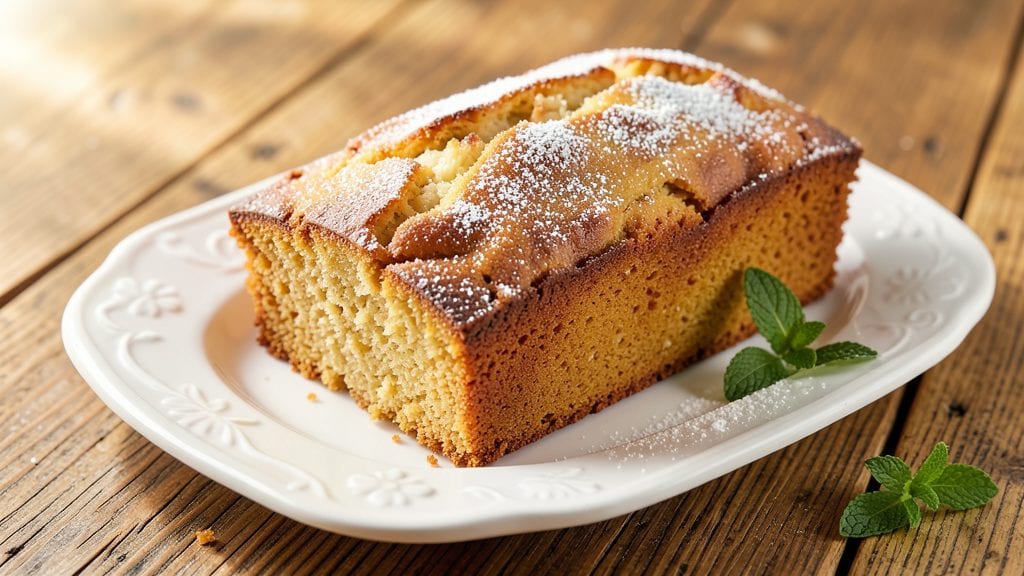
This Southern old-fashioned pound cake recipe delivers the perfect balance of buttery richness and vanilla-infused layers that have been a staple in Southern kitchens for generations. The secret lies in equal parts butter, sugar, eggs, and flour—no substitutions allowed—creating a dense, moist crumb that stays fresh for days.
I first discovered this recipe at my grandmother’s kitchen table, where the scent of vanilla and butter baking would fill the house, signaling dessert was on the way.
The beauty of this pound cake is its simplicity—just six core ingredients, mixed by hand for that classic texture. The cake bakes in a single layer, yielding a tender yet sturdy crumb with a golden-brown crust that’s impossible to resist.
Southern cooks swear by this method, and for good reason: it’s foolproof, versatile, and always delivers that signature buttery crunch. Whether served plain or with a dusting of powdered sugar, it’s a dessert that feels like a warm embrace.
What makes this recipe truly special is its adaptability—add lemon zest for brightness, a splash of bourbon for depth, or layers of fresh berries for a fruity twist.
The cake’s dense texture holds up beautifully, making it perfect for slicing into thick wedges or using as the base for trifles and other layered desserts. Once you try this version, you’ll understand why it’s a timeless favorite in Southern homes.
Ready in just one hour with minimal effort, this cake is ideal for holidays, potlucks, or a simple Sunday treat. Let’s get baking—your taste buds will thank you.
Ingredients for southern old fashioned pound cake
Six ingredients, Southern tradition, and a golden crust that’ll have everyone asking for seconds.
| Ingredient | Amount | Notes |
|---|---|---|
| Unsalted Butter 🧈 | 1 lb | Cold, cubed for even mixing |
| Granulated Sugar 🍚 | 1 lb | White or light brown preferred |
| Large Eggs 🥚 | 4 whole | Room temperature for even baking |
| All-Purpose Flour 🌾 | 4 cups | Sifted for lighter texture |
| Pure Vanilla Extract 🌸 | 2 tbsp | Bottled, not imitation |
| Baking Powder 🧂 | 2 tsp | Aluminum-free for best results |
| Salt 🧂 | ½ tsp | Fine sea salt preferred |
The butter is non-negotiable here—unsalted, cold, and cubed—creates that signature buttery crunch. Land O’Lakes or Plugrá are my go-tos, but any good-quality brand works. The vanilla? Bottled, not imitation—the difference is night and day. I always grab mine from Williams Sonoma or the bulk section at Whole Foods. For the flour, sift it first—trust me, it makes a difference. The sugar? White or light brown, but no dark molasses—that’ll change the texture. Eggs should be room temp, so take them out 30 minutes before mixing.
No vanilla extract? Vanilla bean paste or seeds scraped from a pod work too—just adjust the amount to taste. Running out of baking powder? Baking soda plus cream of tartar at half the amount gets you close. The butter can be substituted with shortening for a richer flavor, but I’d only do that if you’re feeling experimental. For a splash of brightness, add 1 tbsp lemon zest—it’s a Southern favorite. The cake’s dense texture means it holds up well to add-ins, so don’t be afraid to experiment with chopped pecans or chocolate chips if you’re feeling fancy.
This cake keeps beautifully—5 days in an airtight container at room temp or 2 weeks in the fridge. For longer storage, wrap tightly in plastic and freeze for up to 3 months. I like to slice it into thick wedges and store them in a cake carrier—perfect for grabbing and going. The best part? It tastes even better the next day as the flavors meld. Double the recipe if you’re hosting—it disappears fast.
Why You'll Love This Recipe
- No Mixer Needed: I swear by this recipe because it only calls for creaming butter and sugar—no electric mixer required. Just a sturdy wooden spoon and your arm muscles do the work, and that’s it.
- Butter-Sugar Magic: That rich, creamy texture? All thanks to the high ratio of butter to flour. The vanilla ties it together with a warmth that makes every slice feel like a hug.
- Weeknight Hero: Slice it fresh for breakfast with jam, or bake a second loaf to stash in the freezer. Honestly, I’ve fed a crowd with just one batch—it’s that reliable.
- Budget-Friendly Luxury: Five ingredients, zero shortcuts. The eggs add richness, the flour keeps it sturdy, and the sugar balances the buttery depth. No fancy add-ins, just pure, satisfying cake.
Step-by-step instructions for Southern old-fashioned pound cake
This classic Southern cake delivers melt-in-your-mouth layers with a buttery crunch you won't find anywhere else.
Cream the Butter and Sugar Together
In a stand mixer fitted with the paddle attachment, combine the 1 lb unsalted butter (cold, cubed) and 1 lb granulated sugar. Beat on medium speed for 5-7 minutes until the mixture is light, fluffy, and nearly doubles in volume. You'll see the color lighten from pale yellow to a creamy white—this is your signal the butter and sugar have emulsified properly.
Here's the thing—don't rush this step. The air incorporated during creaming creates that signature tender crumb. I like to scrape down the sides of the bowl with a spatula every 2 minutes to ensure even mixing. If your butter isn't cold enough, the mixture will turn greasy instead of fluffy, and that's when you know you've got to start over.
Add Eggs and Vanilla Extract
Add the 4 whole large eggs (room temperature) one at a time, mixing on low speed just until each is fully incorporated. After the last egg, add the 2 tbsp pure vanilla extract and mix for another 30 seconds. The mixture should be smooth and slightly thickened—almost like a pale yellow batter.
I know it seems weird to add the vanilla so early, but this ensures the vanilla flavor infuses completely throughout the cake rather than just sitting on top. If your eggs are cold, warm them in a bowl of warm water for 5 minutes first—they'll blend more smoothly and give you a lighter texture.
Combine Dry Ingredients
In a separate bowl, whisk together the 4 cups all-purpose flour, 2 tsp baking powder, and 0.5 tsp salt. Sift the mixture directly into the wet ingredients, then mix on low speed for 1 minute until just combined. You'll still see some flour streaks, and that's perfect—overmixing develops gluten and makes the cake tough.
This is where the magic happens: the dry ingredients are folded in gently to maintain that light, airy texture we worked so hard to create. If your mixer starts to struggle, switch to a silicone spatula and fold by hand for the last 30 seconds—just until no dry spots remain.
Bake to Golden Perfection
Preheat your oven to 350°F and grease two 9-inch round cake pans thoroughly with butter, then dust with flour. Divide the batter evenly between the pans. Bake for 50-60 minutes until a toothpick inserted in the center comes out clean and the tops are golden brown with a slight crack pattern.
Don't open the oven during the first 30 minutes—this prevents the cakes from sinking. If the tops brown too quickly, tent loosely with aluminum foil. The cakes are done when they spring back gently when pressed in the center and develop that beautiful buttery crunch on the edges.
Cool and Serve
Remove the cakes from the oven and let them cool in the pans for 10 minutes, then transfer to a wire rack to cool completely. This gradual cooling prevents cracking and helps the layers set properly. Once fully cooled, you can slice them into 1-inch thick pieces for serving.
Each slice should reveal those signature layers—tender, moist crumb with just the right amount of buttery crunch. Serve warm with a dusting of powdered sugar or a pat of whipped cream for the ultimate Southern treat. Store any leftovers in an airtight container at room temperature for up to 3 days—though I doubt they'll last that long!
Pro Tips For Making Southern Old Fashioned Pound Cake
- Cream Butter Slowly: Dump cold butter straight into sugar? Bad move. Cut the butter into ¼-inch cubes first, then whip it with the sugar on medium-high for at least 3-4 minutes until it’s pale and fluffy. I learned this the hard way—rushing this step means a denser cake that won’t hold its shape.
- Room-Temp Eggs Matter: Pull eggs out of the fridge 30 minutes before cracking them. Cold eggs won’t emulsify properly, and your batter will look curdled instead of smooth. Trust me, your cake’s texture depends on this—no one wants a grainy pound cake.
- Don’t Overmix the Flour: Once you fold in the flour, stop mixing as soon as it’s just combined. Overworking it develops gluten, and your cake will turn out tough instead of tender. Use a spatula to gently fold—this is where most home cooks mess up.
- Test for Doneness Early: Check your cake at 45 minutes, not the full hour. Southern pound cakes dry out fast, and by the time the timer dings, the edges might be overdone while the center’s still raw. A toothpick should come out clean, but the cake should still feel slightly springy—not gummy, not dry.
Troubleshooting great southern old fashioned pound cake
Dense but Dry Cake
If your pound cake turns out dense and dry instead of tender and moist, the issue is likely overmixing or incorrect ingredient ratios. The classic Southern pound cake relies on equal parts butter, sugar, eggs, and flour—never substitute with less butter or sugar.
I’ve found that using Land O’Lakes unsalted butter and measuring flour by weight (instead of volume) makes a noticeable difference. Also, ensure your eggs are room temperature—cold eggs can cause a denser texture. 💡
Cracked Top or Sunk Center
A cracked top or sunken center usually means the cake baked too long or the oven temperature fluctuated. Preheat your oven for at least 30 minutes before baking, and use an oven thermometer to confirm it’s at 350°F.
Avoid opening the oven door during the first 30 minutes—this disrupts heat circulation. If your cake cracks, it’s still edible! Just brush the top with a simple syrup (equal parts sugar and water) to add moisture.
Pale or Underbaked Cake
If your cake comes out pale and underbaked, it likely didn’t bake long enough or the oven wasn’t hot enough. Southern pound cake should have a golden-brown crust and a slight crack pattern on top.
Use two 9-inch round pans for even baking, and check for doneness with a toothpick—it should come out clean. If your oven runs hot, reduce the temperature to 325°F and bake for an extra 10-15 minutes.
Greasy or Oily Texture
A greasy texture often happens when butter isn’t cold enough or the mixing speed is too high. Always cube your 1 lb unsalted butter and refrigerate it for 30 minutes before mixing. Cream the butter and sugar on medium speed for 5-7 minutes—no faster.
If the mixture turns greasy, start over with cold butter. For extra insurance, chill the batter for 30 minutes before baking to help stabilize the texture.
Cake Sticks to Pans
If your cake sticks to the pans, it’s usually because they weren’t greased or floured properly. Use butter or baking spray to coat the pans thoroughly, then dust with a generous layer of flour, tapping out any excess.
I like to use Wilton nonstick baking pans for foolproof results. For extra insurance, line the bottoms with parchment paper before adding the batter—this guarantees easy release.
Weak or Collapsed Layers
Weak or collapsed layers often mean the cake didn’t cool properly or the baking powder was old. Let the cake cool in the pan for 10 minutes before transferring to a wire rack, and ensure your baking powder is aluminum-free (it’s more reliable).
If your cake collapses slightly, it’s still delicious—just slice it thicker to hide any imperfections. For next time, try adding 1 tbsp lemon juice to the batter for a little extra lift.
Nutrition facts
Frequently asked questions
Why does this recipe use equal parts butter, sugar, eggs, and flour?
The classic Southern pound cake relies on this 1:1:1:1 ratio to create its signature dense yet tender crumb. Butter adds richness, sugar tenderizes the gluten, eggs bind everything together, and flour provides structure. This balance ensures the cake stays moist for days without needing frosting—just a dusting of powdered sugar makes it perfect!
Can I make this cake in a single 9x13-inch pan instead of two 9-inch rounds?
Yes, but expect a different texture. A 9x13-inch pan will yield a thicker, more rectangular cake that bakes faster (45-55 minutes at 350°F). Grease the pan extra well to prevent sticking, and reduce baking time by 5-10 minutes since it cooks quicker. The layers won’t be as distinct, but it’s still delicious!
How do I store leftover pound cake?
Wrap tightly in plastic wrap or store in an airtight container at room temperature for 5 days. For longer storage, freeze slices in a sealed bag for up to 3 months. Thaw overnight in the fridge—no need to reheat! The flavors actually deepen over time, making it taste even better the next day.
Can I add fruit or nuts to this recipe?
Fold in ½ cup chopped pecans or walnuts with the dry ingredients, or add 1 cup fresh berries (like blueberries or raspberries) to the batter. For a citrus twist, mix in 1 tbsp lemon or orange zest with the vanilla. Just don’t overmix—stir gently to keep the texture tender.
What’s the secret to getting that perfect buttery crunch?
Use cold, cubed butter (not melted!) and cream it with sugar on medium speed for 5-7 minutes until pale and fluffy. Also, bake in 9-inch round pans—they distribute heat evenly for that signature golden crust. For extra crunch, brush the warm cake with melted butter before dusting with powdered sugar.