
Sauces & Condiments
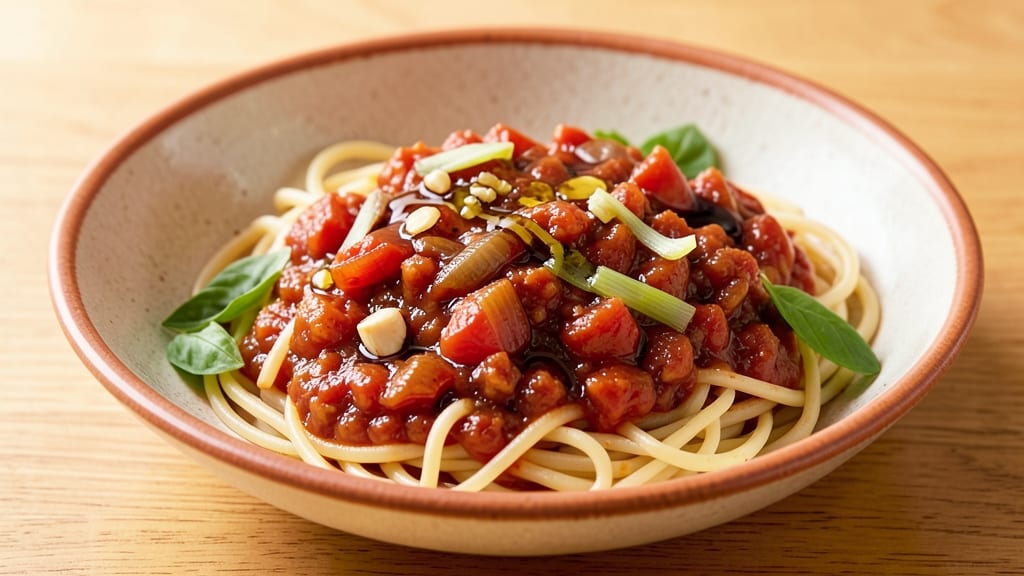
This slow-simmered spaghetti sauce transforms simple tomatoes into a rich, layered masterpiece with deep umami and hidden herb complexity—no shortcuts, just time and technique. The secret lies in caramelizing aromatics and letting flavors meld over two hours, creating a sauce that clings to pasta like a second skin.
I perfected this after years of experimenting with Italian family recipes, where the difference between good and extraordinary sauce comes down to patience and precision.
The foundation starts with a sofrito—onions, garlic, and celery cooked until translucent—then builds with crushed tomatoes, red wine, and a blend of fresh and dried herbs. A splash of balsamic vinegar at the end adds brightness, while a sprinkle of smoked paprika introduces subtle depth.
What sets this apart is the hidden herb magic: a combination of basil, oregano, and thyme that develops into aromatic layers as it simmers, never overpowering but always present.
What you’ll end up with is a sauce that’s velvety yet textured, with a glossy sheen and a balance of sweetness, acidity, and earthy notes. It’s versatile enough for spaghetti but bold enough to stand alone with crusty bread or grilled meats.
The long simmer concentrates flavors without reducing too much, ensuring every spoonful delivers restaurant-quality depth. Ready in 2 hours (mostly hands-off), this sauce proves that great condiments are worth the wait.
For extra richness, stir in browned meatballs or crispy pancetta at the end, or adapt it for vegan diets by using vegetable broth and omitting meat entirely.
The technique stays the same—just the ingredients change. Let’s make sauce that tastes like it simmered all day, even if you only have a few hours.
Ingredients for speghetti sauce
Twelve ingredients, two hours, restaurant-quality depth—this sauce transforms humble tomatoes into velvety complexity.
| Ingredient | Amount | Notes |
|---|---|---|
| Extra-Virgin Olive Oil 🫒 | ½ cup | High-quality, fruity variety preferred |
| Yellow Onions 🧅 | 2 whole | Medium size, finely diced |
| Celery Stalks 🥬 | 3 whole | Trimmed, finely chopped |
| Garlic Cloves 🧄 | 6 cloves | Peeled, thinly sliced |
| Crushed Tomatoes 🍅 | 28 oz | San Marzano preferred, no salt added |
| Dry Red Wine 🍷 | ½ cup | Bold variety like Cabernet Sauvignon |
| Balsamic Vinegar 🍶 | 2 tbsp | Aged 10+ years for depth |
| Smoked Paprika 🌶️ | 1 tbsp | High-quality, not cayenne |
| Fresh Basil Leaves 🌿 | ½ cup | Packed, stems removed |
| Dried Oregano 🍃 | 1 tsp | Italian or Mediterranean blend |
| Fresh Thyme Sprigs 🌿 | 2 whole | Leaves only, finely chopped |
| Sea Salt 🧂 | 1 ½ tsp | Diamond Crystal preferred |
| Black Peppercorns 🌶️ | ½ tsp | Freshly cracked |
| Vegetable Broth 💧 | ½ cup | Low-sodium option recommended |
The sofrito—onions, celery, and garlic—forms the aromatic backbone. Yellow onions should be sweet and firm, not bitter, while celery adds subtle earthiness. Whole Foods Market or Trader Joe's carry excellent pre-chopped mirepoix blends, but fresh is ideal. Garlic cloves must be freshly peeled—pre-minced garlic loses flavor quickly. For tomatoes, San Marzano cans are non-negotiable; their sweetness and low acidity create the perfect canvas. The red wine should be bold and dry, like a Cabernet Sauvignon—avoid sweet varieties that will overpower the sauce. Store all aromatics in the fridge until ready to use, and keep dried herbs in airtight containers away from light.
No San Marzano tomatoes? High-quality crushed tomatoes work, but avoid brands with added salt or preservatives. Substitute red wine with beef broth plus 1 tbsp balsamic vinegar for depth. Fresh basil is ideal, but dried basil at half the amount suffices in a pinch. The thyme can be dried, but fresh sprigs infuse more aroma. For smoked paprika, Penzeys or La Boîte brands deliver authentic flavor. The vegetable broth can be swapped for water plus 1 tsp soy sauce for umami. Always taste the wine before adding—some bottles can be overly tannic, so reduce to 1/4 cup if needed. The balsamic vinegar should be aged—10+ years adds complexity without overpowering.
This sauce develops over time, so plan ahead. The sofrito can be prepped and refrigerated for 2 days before cooking. Fresh herbs should be stored in damp paper towels in sealed containers to maintain vibrancy. The finished sauce keeps in the refrigerator for 5-7 days and freezes beautifully for up to 6 months. For long-term storage, portion into ice cube trays before freezing—perfect for single servings. Reheat gently on the stove, adding a splash of water or broth if it thickens too much. The sauce will continue to deepen in flavor over time, so make extra if possible.
Why You'll Love This Recipe
- No Chopping Drama: I swear by this—just dice onions and celery once, then let them slow-simmer in that golden olive oil until they’re soft enough to disappear into the sauce. No knife fights, no tiny pieces stuck to your fingers.
- Garlic Bomb Depth: That moment when you press the garlic into the oil and the whole kitchen smells like Sunday dinner? It builds into a rich, slow-simmered sauce where the tomatoes caramelize just enough to make every bite taste like you spent hours on it.
- Freezer-Friendly Hero: Between us, this is my go-to for lazy Tuesdays and last-minute potlucks. Freeze it in jars, and when you’re staring at a sad fridge, boom—homemade pasta night in 15 minutes. (Yes, even on a Tuesday night.)
- Pantry Staple Power: Onions, celery, garlic, tomatoes—these are things I always have. No fancy ingredients, no last-minute grocery runs. The olive oil alone makes it taste like you actually cooked it, not just poured sauce from a can.
Step-by-step instructions for slow-simmered tomato sauce
Master this technique and you'll create a sauce with deep, complex flavor that builds layer upon layer.
Sauté the Vegetable Base Until Translucent
Heat the 0.5 cup extra-virgin olive oil in a large, heavy-bottomed pot over medium heat. Add the 2 whole yellow onions and 3 whole celery stalks, stirring occasionally. Cook for 8-10 minutes until the vegetables soften and become translucent, releasing their natural sweetness and aromatics.
This slow cooking process is crucial—it develops the base flavors before adding any acidity. You'll know it's ready when the onions turn golden and the celery begins to caramelize slightly. Add the 6 cloves garlic cloves and 1 tablespoon smoked paprika, stirring for 30 seconds until fragrant. The paprika will infuse its smoky character into the oil, creating depth that carries through the entire sauce.
Deglaze and Incorporate the Tomatoes
Pour in the 0.5 cup dry red wine, scraping the bottom of the pot with a wooden spoon to release any browned bits that contain concentrated flavor. Let the wine simmer for 2-3 minutes until it reduces by half, intensifying its richness.
Add the 28 oz crushed tomatoes and 2 tablespoons balsamic vinegar, stirring well to combine. The balsamic adds a subtle tang that brightens the tomatoes. Bring the mixture to a gentle simmer, then reduce heat to low. This sauce needs time—at least 45 minutes—to develop its full complexity. The tomatoes will break down, creating a velvety texture.
Build Flavor with Herbs and Seasonings
After 30 minutes of simmering, stir in the 1 teaspoon dried oregano, leaves from 2 whole fresh thyme sprigs, 1.5 teaspoons sea salt, and 0.5 teaspoon freshly cracked black peppercorns. These herbs infuse their earthy notes gradually, while the salt and pepper balance the acidity of the tomatoes and vinegar.
Add the 0.5 cup vegetable broth and continue simmering for another 15 minutes. This step ensures the sauce has the right consistency—neither too thick nor too thin. Taste and adjust seasoning if needed, remembering that the sauce will continue to concentrate as it cools. The final texture should coat the back of a spoon but remain smooth and glossy.
Finish with Fresh Basil and Rest
Remove the pot from heat and stir in the 0.5 cup fresh basil leaves. The basil adds a bright, aromatic finish that cuts through the richness of the tomatoes and wine. Let the sauce rest for 10 minutes before serving—this allows the flavors to meld completely and the sauce to reach its ideal consistency.
This resting period is essential. The sauce will thicken slightly as it cools, and the basil's oils will infuse more fully. Serve over al dente spaghetti, garnished with an extra sprinkle of fresh basil and a drizzle of high-quality olive oil. The result is a sauce that tastes even better the next day, as the flavors continue to develop.
Pro Tips For Making Speghetti Sauce
- SWEAT THE SOFFRITTO LOW: After burning three batches of onions, I learned to keep the heat at a steady simmer—not a sizzle—once the onions start softening. Too much rush, and you’ll end up with bitter, browned bits that taste like regret. Let the onions caramelize slowly over 10-15 minutes, stirring occasionally, until they’re translucent and the celery’s edges just begin to soften. That’s when you add the garlic—never before, or it’ll burn in seconds.
- CHOP ONIONS SMALLER THAN YOU THINK: I used to slice onions into thick half-moons, thinking it’d cook faster. Wrong. For spaghetti sauce, dice them into ¼-inch pieces—they’ll break down evenly and blend into the sauce without leaving chewy chunks. Same goes for celery: cut it into thin half-moons, not thick sticks. You’ll thank yourself when the sauce is silky smooth, not textured like a stew.
- SAVE THE TOMATO JUICE: When you open that can of crushed tomatoes, pour the juice into a separate bowl first. Strain it through a fine-mesh sieve to remove any hard bits, then return it to the pot. That juice is flavor gold—it’s what carries the depth of the sauce. If you skip this, you’ll end up with a watery, inconsistent sauce that tastes like it’s missing something. (Yes, even if you’re impatient like me.)
- STIR THE SAUCE OFTEN AFTER TOMATOES: Once the tomatoes hit the pot, stir every 3-4 minutes for the first 10 minutes. This prevents the bottom from sticking and burning while the acid in the tomatoes breaks down the flavors. I was skeptical until I tried it—I used to walk away, and the sauce would either clump or scorch. Now it develops a rich, balanced taste without any hot spots. (Your future self will thank you.)
Creative variations of this speghetti sauce
Italian Grandma Style
This classic version swaps the red wine for 1 cup beef broth and adds ½ lb Italian sausage (casings removed) browned in olive oil before the sofrito. Use San Marzano tomatoes and 1 tsp fennel seeds toasted in the oil for that authentic Italian touch.
I like to finish with 1 tbsp tomato paste and 1 bay leaf removed after simmering. The sausage adds richness while the fennel seeds create a subtle anise-like depth that reminds me of my nonna’s kitchen. 🍝
Spicy Arrabbiata Twist
Turn up the heat by adding 2 tbsp Calabrian chili paste with the tomatoes and 1 red chili pepper (seeds removed) charred and chopped. Finish with 1 tbsp lemon zest and 2 tbsp chopped parsley instead of basil.
The chili paste provides smoky heat while the lemon zest brightens the sauce. I often serve this with linguine pasta to help cut through the spice. For extra depth, add 1 tsp red pepper flakes at the end. 🌶️
Vegan Umami Bomb
Replace the wine with ½ cup mushroom broth and add ½ cup finely chopped sun-dried tomatoes (oil-packed) with the crushed tomatoes. Stir in 1 tbsp soy sauce and 1 tsp miso paste after the herbs for umami depth.
Top with nutritional yeast for a cheesy note instead of basil. This version is just as rich and complex, perfect for plant-based diets. The sun-dried tomatoes add concentrated sweetness that balances the acidity beautifully. 🌱
Creamy Vodka Sauce
Deglaze with ½ cup vodka instead of wine and stir in ½ cup heavy cream (or coconut milk for vegan) after the herbs. Add 1 tsp Dijon mustard to help emulsify the sauce. The vodka burns off quickly, leaving a clean alcohol note that pairs perfectly with the creamy finish.
I like to serve this with fettuccine and top with grated Parmesan and black pepper. This variation became a family favorite for cold winter nights. 🍷
Moroccan-Spiced Tagine
Swap the smoked paprika for 1 tbsp ras el hanout and add 1 cinnamon stick and 1 star anise pod with the tomatoes. Use 1 cup chicken broth instead of vegetable broth and finish with 1 tbsp honey and 2 tbsp chopped cilantro.
The warm spices create a completely different flavor profile while maintaining the sauce's velvety texture. This version pairs wonderfully with couscous or crusty bread. 🗺️
Quick Weeknight Hack
For a 30-minute version, use 1 jar (24 oz) marinara sauce as your base and build flavor with 2 tbsp tomato paste, 1 tsp sugar, and 1 tsp fish sauce for umami. Add ½ cup chicken stock and simmer for 20 minutes.
Finish with 1 tbsp butter and 1 tbsp grated Parmesan for richness. This shortcut delivers restaurant-quality results when you're short on time. The fish sauce adds depth that elevates the jarred sauce to new heights. ⏰
Nutrition facts
Frequently asked questions
Can I make this sauce without red wine?
Replace the 0.5 cup red wine with 0.5 cup beef broth or 0.5 cup vegetable broth for a similar depth of flavor. For extra richness, add 1 tbsp tomato paste or 1 tsp soy sauce to compensate for the missing wine's umami. The sauce will still develop beautifully over time.
How do I prevent my sauce from getting too thick?
Add 0.25 cup extra vegetable broth or water while simmering if the sauce thickens too much. Stir in 1 tbsp cornstarch mixed with 2 tbsp cold water for a smoother consistency, or simply let it cool slightly—the sauce naturally thickens as it rests. Always taste before adjusting!
Can I use fresh tomatoes instead of crushed?
Yes, but you'll need to peel, seed, and chop about 4-5 large ripe tomatoes (roughly 2 cups) to match the 28 oz crushed tomatoes in the recipe. Simmer them for 10-15 minutes first to break them down, then proceed with the recipe. Fresh tomatoes add vibrant acidity but require extra time to soften.
Why does my sauce taste bland after simmering?
Blandness usually means insufficient salt or umami. Add ½ tsp fish sauce or 1 tsp soy sauce for depth, or boost with ½ tsp sugar to balance acidity. Let it simmer uncovered for 10 more minutes to concentrate flavors. Always taste as you go—seasoning builds gradually!
How long can I store this sauce?
The sauce keeps in the fridge for 5-7 days in an airtight container, and freezes beautifully for up to 6 months. Portion into ice cube trays before freezing for single-serving convenience. Thaw overnight in the fridge and reheat gently on low heat, adding a splash of water if needed.