Desserts
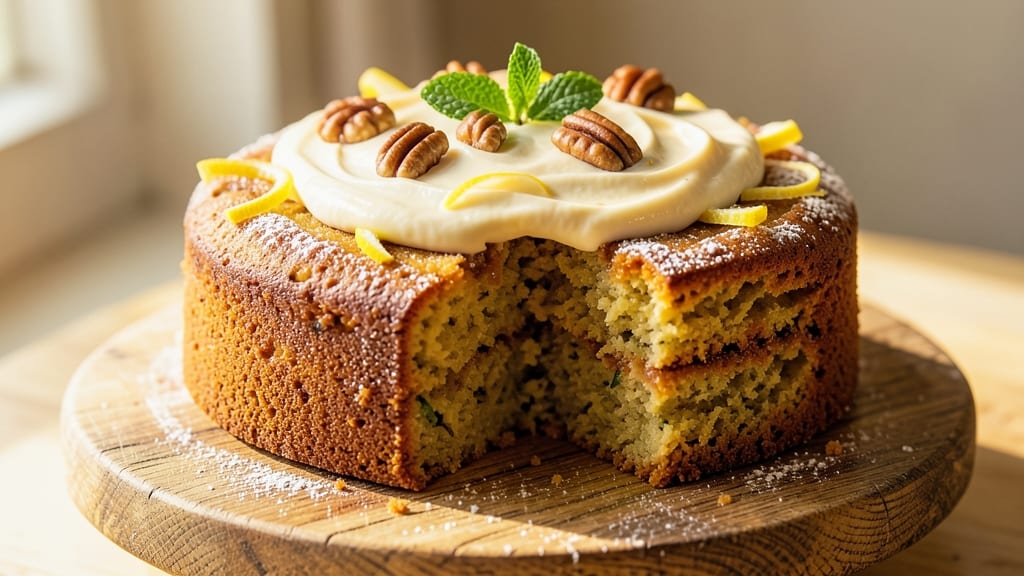
This squash cake recipe transforms humble zucchini into a moist, spiced dessert that balances earthy squash with warm vanilla notes—perfect for summer baking. The secret lies in grated zucchini that releases moisture without making the cake soggy, while cinnamon and nutmeg add depth.
I developed this version after years of testing, ensuring every bite delivers that ideal tender crumb with just enough sweetness.
What makes this cake truly special is its foolproof technique: no one will guess it's vegetable-based. The cake bakes up golden brown with a velvety texture that stays moist for days, thanks to a simple but effective moisture-retaining method.
It’s ideal for brunch gatherings or afternoon treats, with a subtle spice profile that feels both comforting and sophisticated.
By the time it emerges from the oven, you’ll have a cake that’s rich in flavor yet light enough to enjoy without guilt. The warm vanilla notes complement the natural sweetness of the squash, creating a dessert that’s both elegant and approachable.
Whether you serve it plain or with a light glaze, this recipe delivers restaurant-quality results at home.
This version also works well with dietary adjustments—substitute almond flour for a gluten-free option or coconut oil for dairy-free baking. The instructions are straightforward, ensuring perfect results every time. Let’s get started on creating this crowd-pleasing squash cake!
Ingredients for squash cake
Transform humble zucchini into a spiced, velvety cake with these precise ingredients—each playing a crucial role in texture and flavor.
| Ingredient | Amount | Notes |
|---|---|---|
| Medium Zucchini 🥒 | 2 whole | Freshly grated, seeds removed |
| All-Purpose Flour 🌾 | 1 ½ cups | Sifted for even texture |
| Granulated Sugar 🍚 | 1 cup | Light brown preferred |
| Unsalted Butter 🧈 | ¾ cup | Room temperature, full-fat |
| Large Eggs 🥚 | 2 whole | Room temperature, beaten |
| Pure Vanilla Extract 🍯 | 1 tbsp | High-quality, Madagascar bourbon |
| Ground Cinnamon 🌿 | 1 ½ tsp | Freshly ground preferred |
| Ground Nutmeg 🌿 | ½ tsp | Freshly grated nutmeg |
| Baking Powder 🧂 | 1 ½ tsp | Aluminum-free preferred |
| Diamond Crystal Kosher Salt 🧂 | ½ tsp | Fine grain preferred |
| Powdered Sugar 🍚 | ¼ cup | For optional glaze |
| Heavy Cream 🥛 | ¼ cup | For optional glaze |
| Lemon Zest 🍋 | 1 tbsp | Freshly grated |
The zucchini selection is critical—choose medium-sized squash with firm skin and vibrant green color. Local farmers markets often carry fresher produce than grocery stores, and organic varieties minimize wax residue. Grate the zucchini yourself using a box grater or food processor, then squeeze out excess moisture with a clean kitchen towel. This step prevents a gummy texture. For the butter, Plugrá or Land O'Lakes brands provide consistent quality, and always use full-fat for optimal moisture retention. The vanilla extract should be Madagascar bourbon—it offers the most complex flavor profile, and brands like McCormick or Nielsen-Massey deliver reliable results.
No fresh zucchini? Substitute with yellow squash at the same quantity, though flavor will differ slightly. For a gluten-free adaptation, replace the all-purpose flour with a 1:1 almond flour blend, though texture may be slightly denser. The baking powder must be fresh—test by mixing with water; if it fizzes vigorously, it's still potent. For the glaze, powdered sugar from Domino dissolves smoothly, while heavy cream should be chilled to prevent curdling. If you lack vanilla extract, vanilla bean paste works as a substitute, though flavor intensity will vary. The nutmeg should be freshly grated—pre-ground often loses potency quickly.
Store grated zucchini in an airtight container with a paper towel to absorb moisture, keeping it fresh for up to 2 days in the refrigerator. The dry ingredients—flour, sugar, and spices—remain stable for 6-12 months in a cool, dark pantry. Once baked, the cake stays moist for 3-4 days at room temperature, wrapped in foil. For longer storage, slice and freeze individual portions for up to 3 months. The glaze components should be mixed fresh before serving to maintain optimal texture.
Why You'll Love This Recipe
- Uses Up Veggies Fast: I swear by this trick—grate that zucchini and bake it into cake before it turns to mush in your fridge. No sad wilted squash here; it’s all transformed into something sweet and golden.
- Buttery Moist Magic: That butter and sugar combo? It’s like a hug for your taste buds. The eggs bind it just right, so every slice stays tender—no dry, crumbly cake vibes here.
- Brunch or Dessert: Serve it warm with a drizzle of honey for a lazy weekend breakfast, or dust it with powdered sugar for an after-dinner treat. Honestly, I’ve had it both ways—it’s that versatile.
- Budget-Friendly Bake: Flour, sugar, and eggs are pantry staples, and zucchini? Often on sale. This cake costs next to nothing to make but feels like a special occasion—no guilt, all flavor.
Step-by-step instructions for spiced zucchini cake
A tender, moist cake with warm vanilla notes and subtle spice—this method ensures perfect texture every time.
Grate and Drain the Zucchini
Using a box grater or food processor, grate the 2 whole medium zucchini, removing seeds and fibrous core first. Transfer the grated zucchini to a clean kitchen towel or cheesecloth and gently squeeze out all excess moisture. This step is critical—wet zucchini makes cake dense rather than moist. You should have about 2 cups of drained zucchini pulp after pressing.
I like to work in batches if needed, pressing each portion thoroughly. The goal is to remove moisture without compacting the fibers, so don't wring the towel too tightly. Set aside the drained zucchini for the next step.
Cream Butter and Sugar Together
In a large mixing bowl, combine the 0.75 cup unsalted butter (at room temperature) with the 1 cup granulated sugar. Using an electric mixer on medium speed, beat for 3-4 minutes until the mixture is light, fluffy, and nearly doubled in volume. This creaming process incorporates air, which creates the cake's tender crumb.
You'll know it's ready when the mixture changes from pale yellow to a lighter, almost translucent color. Scrape down the sides of the bowl occasionally to ensure even mixing. The butter should be fully emulsified with the sugar—no grainy texture should remain.
Mix Wet Ingredients and Combine
Add the 2 whole large eggs (at room temperature) one at a time, mixing well after each addition. Then stir in the 1 tablespoon pure vanilla extract and the 1 tablespoon lemon zest. The mixture should be smooth and slightly thickened. In a separate bowl, whisk together the 1.5 cups all-purpose flour, 1.5 teaspoons ground cinnamon, 0.5 teaspoon ground nutmeg, 1.5 teaspoons baking powder, and 0.5 teaspoon diamond crystal kosher salt.
With the mixer on low speed, gradually add the dry ingredients to the wet mixture, mixing just until combined. Be careful not to overmix—stop as soon as the flour is incorporated. Then, gently fold in the drained zucchini using a spatula, ensuring even distribution throughout the batter. The batter will be thick but pourable.
Bake for Moist Perfection
Preheat your oven to 350°F. Grease and flour a 9-inch round cake pan or line it with parchment paper. Pour the batter into the prepared pan and smooth the top with a spatula. Bake for 35-40 minutes, or until a toothpick inserted in the center comes out clean. The cake should be golden on top but still slightly springy to the touch.
Here's the secret to maintaining moisture: As soon as the cake is done, invert it onto a wire rack and let it cool completely in the pan. This prevents the top from drying out while the bottom sets. Once fully cooled, you can remove it from the pan for serving.
Optional Glaze for Extra Shine
For a beautiful finish, combine the 0.25 cup powdered sugar with the 0.25 cup heavy cream in a small bowl. Whisk until smooth, then drizzle or spread over the cooled cake. The glaze adds a delicate sweetness and enhances the cake's moist texture. Serve slices at room temperature for the best experience.
This cake keeps well for 3 days at room temperature or can be refrigerated for up to 5 days. The flavors deepen slightly as it sits, making it even more delicious the next day. Enjoy with a cup of tea or coffee for a comforting treat.
Pro Tips For Making Squash Cake
- GRATE AND SQUEEZE: DESCRIPTION: Dump the grated zucchini into a clean kitchen towel, wrap it up, and wring out every last drop of moisture—even if it feels excessive. I learned this the hard way after a cake that turned out dense and soggy; the extra step guarantees a lighter texture that actually holds together.
- BUTTER TEMPERATURE MATTERS: DESCRIPTION: Let that unsalted butter sit at room temperature before creaming it with the sugar—cold butter makes for a tougher cake, and you’ll end up overmixing to compensate. I used to rush this, and the crumb suffered every time.
- SKIP THE OVERMIXING: DESCRIPTION: As soon as the flour hits the wet ingredients, stop folding—just until everything’s barely combined. Overmixing develops gluten, and your cake will turn out dense instead of tender. I know, I know, but trust the process.
- DON’T OVERBAKE THE EDGES: DESCRIPTION: Pull the cake out when the center’s still slightly springy—yes, even if the edges look golden. After burning three batches waiting for a toothpick to come out clean, I now rely on the "jiggle test" for perfect doneness.
Pro cooking tips for squash cake
Zucchini Moisture Control
The key to a tender squash cake lies in properly draining the zucchini. After grating, I press the pulp in a clean kitchen towel for 5-10 minutes—this removes excess moisture without compacting the fibers.
For extra insurance, I use a fine-mesh strainer lined with cheesecloth to catch any lingering liquid. This step prevents a gummy texture while keeping the cake moist. Never skip it—wet zucchini will make your cake dense and heavy. 🥒
Butter Temperature Matters
Room-temperature butter is non-negotiable for this recipe. I take my Plugrá butter out of the fridge 1 hour before mixing to ensure it's soft but not melted. Cold butter won't cream properly, while melted butter will make your cake greasy.
Test by pressing a finger into the butter—it should leave a slight indent but hold its shape. This creates the perfect airy crumb structure that makes the cake so tender. ⚡
Gentle Mixing Technique
Overmixing develops gluten, which makes cakes tough. After combining wet and dry ingredients, I use a spatula to fold in the zucchini just until no streaks remain—about 10-12 strokes. The batter should be thick but pourable.
For extra insurance, I give the bowl a quick spin in the mixer on low speed (30 seconds) to ensure even distribution without overworking. This keeps the cake light and fluffy. 💫
Oven Preheating Secret
I preheat my oven for 15 minutes before baking to ensure an even temperature. For this recipe, I use an insulated oven thermometer to confirm it's at 350°F—home ovens often run hot or cold.
Place the cake pan on the middle rack where heat circulates evenly. For extra insurance, I bake for 35 minutes before checking doneness with a toothpick. The cake should spring back slightly when pressed. 🌡️
Cooling Method for Moisture
Here's my pro tip: After baking, I invert the cake onto a wire rack while still in the pan and let it cool completely. This prevents the top from drying out while the bottom sets properly.
For the first 10 minutes, I keep the pan on the cooling rack to maintain even temperature distribution. Once fully cooled, I run a thin knife around the edges to loosen it before transferring. This method preserves that perfect moist texture for days. 💡
Glaze Timing Trick
If using the optional glaze, I wait until the cake is completely cooled to room temperature before applying it. This prevents the glaze from melting into the cake. I whisk the powdered sugar and heavy cream together until smooth, then drizzle it over the cake in a zigzag pattern.
For extra shine, I use a pastry brush to spread it evenly. The glaze should set within 10 minutes, creating a beautiful finish. 🍯
Nutrition facts
Frequently asked questions
Can I substitute yellow squash for zucchini in this cake?
Yes, you can! Yellow squash works perfectly in a 1:1 ratio, though it has a slightly sweeter flavor than zucchini. For best results, use the same grating and draining technique to maintain the cake's moisture balance. The texture will remain tender, but the subtle flavor difference might make it taste even more like a classic spice cake.
Why does my squash cake turn out dense instead of moist?
Density usually happens when excess moisture isn't removed from the squash or the batter is overmixed. Always press grated squash thoroughly in a clean towel for 5-10 minutes before using. Also, mix just until combined—overworking develops gluten, which makes cakes tough. The cake should be slightly springy when done, not rubbery.
How can I make this cake gluten-free?
Replace the all-purpose flour with a 1:1 gluten-free flour blend like Bob's Red Mill or King Arthur. For best results, add 1/4 teaspoon xanthan gum to help bind the texture. You may also need to increase the leavening slightly—try adding 1/4 teaspoon extra baking powder. Keep all other ingredients the same for optimal moisture.
Can I bake this cake in a different pan size?
Yes, but adjust the baking time. For a 8-inch pan, bake 25-30 minutes (cake will be thicker), and for a 10-inch pan, bake 40-45 minutes. Always check doneness with a toothpick. The cake should be golden with a clean pick. Use parchment paper to prevent sticking, and consider reducing the oven temperature by 10°F for larger pans to ensure even baking.
What's the best way to store leftover squash cake?
Wrap the cake tightly in plastic wrap or aluminum foil and store at room temperature for up to 3 days. For longer storage, slice and freeze portions in airtight containers for up to 3 months. Thaw overnight in the fridge before serving. The cake actually tastes better the next day as flavors meld! For extra freshness, keep it in the fridge for up to 5 days if you prefer it cooler.