
Side Dishes
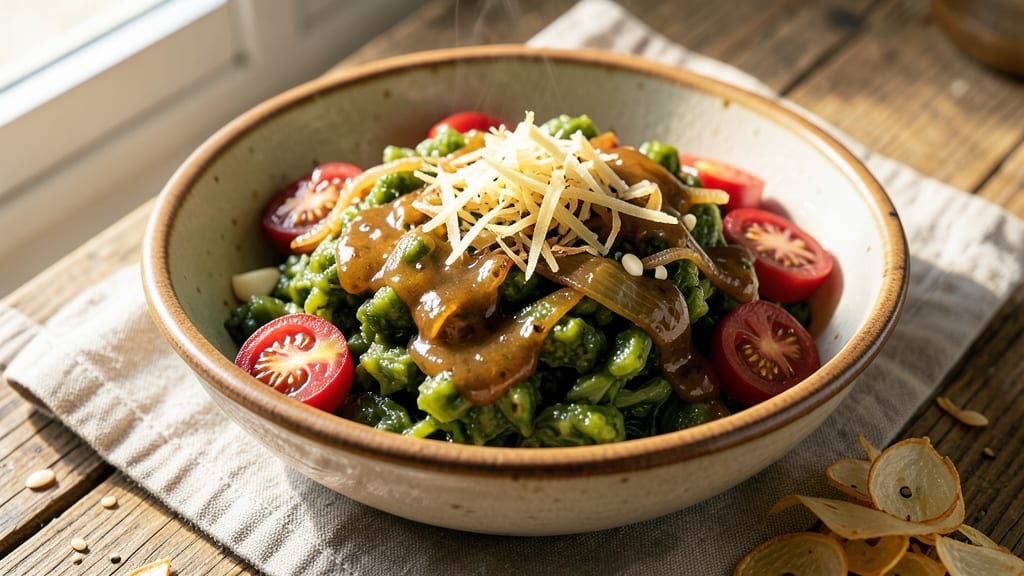
This sweet and sour sauerkraut recipe turns fermented cabbage into a vibrant, tangy-sweet sauce that brightens sandwiches, roasted meats, and more. The secret lies in balancing sharp vinegar with caramelized sugar while preserving sauerkraut’s natural crunch—no blender required.
I developed this recipe after realizing store-bought versions lacked depth, so I focused on building layers of flavor through slow simmering and aromatic spices.
The process is straightforward but precise: sauerkraut’s liquid becomes the base, while vinegar and sugar create that signature balance. Aromatics like garlic and ginger add warmth, while a touch of cornstarch thickens it just enough to cling beautifully.
What you’ll end up with is a sauce that’s tangy yet sweet, with pockets of texture from the sauerkraut itself—perfect for drizzling, dipping, or spooning.
This sauce keeps for up to two weeks in the refrigerator, making it ideal for meal prep. Use it as a topping for grilled chicken, a sandwich spread, or a tangy dressing for hearty bowls.
The caramelized edges and bright acidity cut through rich dishes, adding a probiotic boost with every bite.
For extra depth, add a splash of balsamic vinegar or a pinch of smoked paprika. The possibilities are endless—let’s make this versatile sauce your new pantry staple.
Ingredients for sweet and sour sauerkraut
Sauerkraut's tangy brine meets sweet caramelized sugar for a vibrant, crunchy sauce that elevates any dish.
| Ingredient | Amount | Notes |
|---|---|---|
| Sauerkraut 🥬 | 2 cups | Unopened jar preferred for tang |
| White Vinegar 💧 | ½ cup | Distilled or apple cider |
| Granulated Sugar 🍚 | ½ cup | Light brown sugar for depth |
| Garlic Cloves 🧄 | 3 cloves | Minced, fresh preferred |
| Fresh Ginger 🌿 | 1 tbsp | Grated, peeled |
| Cornstarch 🌾 | 1 tbsp | For thickening consistency |
| Salt 🧂 | ½ tsp | Diamond Crystal preferred |
| Black Peppercorns 🌶️ | ¼ tsp | Freshly cracked |
| Extra-Virgin Olive Oil 🫒 | 1 tbsp | For finishing drizzle |
| Fresh Parsley 🌿 | 2 tbsp | Chopped, for garnish |
The sauerkraut is the star—pick a jar with vibrant liquid (the cloudier, the better). Bubba's Pickles or local fermented brands deliver the most flavor. Sugar matters too: light brown adds caramel notes that white sugar misses. Fresh ginger and garlic should smell bright—no musty aromas. For the vinegar, apple cider adds subtle fruitiness, but distilled works fine if you're keeping it classic. If your sauerkraut is watery, drain it first; if it's dry, add a splash of the jar's liquid to maintain balance.
No white vinegar? Apple cider vinegar or rice vinegar work in a pinch, though the flavor shifts slightly. Substitute brown sugar with honey or maple syrup (reduce other liquids by 1 tbsp to compensate). Fresh ginger too strong? Ground ginger at half the amount gets you close. The cornstarch is crucial—skip it only if you prefer a looser sauce. For extra depth, add 1 tsp of balsamic vinegar or a pinch of smoked paprika during the last 5 minutes of simmering. The parsley is optional but adds a fresh finish—use flat-leaf for better texture.
This sauce keeps beautifully—up to 2 weeks in the fridge sealed tightly. For longer storage, freeze in ice cube trays (thaw overnight). The texture thickens as it cools, so stir in a splash of water if it gets too stiff. Use it on grilled meats, sandwiches, or as a tangy dip—the probiotic benefits from the sauerkraut make it a healthier condiment than ketchup. Leftovers? Drizzle over roasted Brussels sprouts or mix into deviled eggs for a probiotic twist.
Why You'll Love This Recipe
- No-Fuss Pantry Magic: I swear by this recipe when I’ve got nothing but a jar of sauerkraut and a few basics. The vinegar and sugar do all the heavy lifting—just simmer until it’s glossy, and boom, you’ve got a condiment that tastes like it took hours (but didn’t).
- Tangy-Sweet Crunch: That first bite? The garlic and ginger hit like a warm hug, but the sauerkraut’s sharpness cuts through the sugar’s sweetness. It’s the kind of flavor that makes you reach for seconds without even thinking—honestly, I’ve caught myself eating it straight from the jar.
- Game for Any Meal: Drizzle it over grilled sausages, toss it into fried rice, or slather it on sandwiches. My lazy Sundays involve nothing but cold cuts and this sauce—no fuss, just flavor. Even my picky teenager asks for it now.
- Leftovers That Won’t Let You Down: This stuff keeps for weeks in the fridge, and it only gets better as the flavors meld. I make a big batch and use it all week—no sad, wilted leftovers here. Plus, it’s dirt cheap to make, so you’re basically getting gourmet for pennies.
Step-by-step instructions for sweet and sour sauerkraut
Here's how to transform simple sauerkraut into a vibrant, balanced dish that harmonizes tangy and sweet flavors.
Drain and Rinse the Sauerkraut
Drain the 2 cups of sauerkraut in a colander, pressing gently to remove excess liquid. Rinse briefly under cold water to remove some of the natural acidity—this prevents the dish from becoming overly sharp. Drain thoroughly again, then transfer to a medium saucepan. I like to use an unopened jar of sauerkraut for this recipe because it preserves the most robust tang, but if you're using opened sauerkraut, pat it completely dry with paper towels to ensure even cooking.
This rinsing step is crucial—it mellows the sauerkraut's intensity while retaining enough acidity to balance the sweetness. If you skip this, the final dish might taste overwhelmingly sour. Keep the drained liquid in a separate container; you might need it later to adjust consistency.
Cook the Sauerkraut Until Tender
Place the drained sauerkraut over medium heat in the saucepan. Add the 0.5 cup of white vinegar, the 0.5 cup of granulated sugar, and the 0.5 tsp of salt. Stir gently to combine, then cook uncovered for 10-12 minutes, stirring occasionally. You're looking for the sauerkraut to soften but still retain some texture—it should be tender enough to eat but not mushy.
The sugar will begin to dissolve, creating a light caramelized glaze on the sauerkraut. This is where the sweet and sour balance starts to develop. If the mixture looks too dry, add 1-2 tablespoons of the reserved sauerkraut liquid. The goal is a glossy, slightly sticky consistency that coats the back of a spoon.
Build the Flavor Base with Aromatics
Once the sauerkraut is tender, reduce the heat to medium-low. Add the 3 minced garlic cloves and the 1 tbsp of grated fresh ginger, stirring to incorporate. Cook for 2-3 minutes until the garlic is fragrant but not browned—this ensures it adds flavor without bitterness. The ginger will infuse the mixture with a subtle warmth that complements the tangy and sweet notes.
Here's the thing—don't walk away during this step. Garlic burns quickly, and once it turns brown, it releases bitter compounds that can overpower the delicate balance of flavors. Stir constantly and watch closely. The moment you smell that aromatic garlic scent, you're ready for the next step.
Thicken the Sauce for Perfect Texture
In a small bowl, whisk together the 1 tbsp of cornstarch with 2 tablespoons of cold water until smooth. Slowly pour this slurry into the saucepan while stirring continuously over medium heat. The mixture will begin to thicken almost immediately—keep stirring for 1-2 minutes until it reaches a glossy, slightly syrupy consistency. This step ensures the sauce clings beautifully to the sauerkraut and any protein you serve it with.
If the sauce thickens too much, add 1 tablespoon of the reserved sauerkraut liquid to loosen it. The ideal texture should coat the back of a spoon but still allow the individual pieces of sauerkraut to be visible. Taste and adjust the seasoning with the 0.25 tsp of freshly cracked black peppercorns—this adds a subtle heat that rounds out the flavors.
Finish and Garnish for Restaurant-Quality Results
Remove the saucepan from heat and let the mixture cool slightly for 2-3 minutes. Stir in the 1 tbsp of extra-virgin olive oil—this adds a silky finish and helps balance the acidity. The oil should be evenly distributed, giving the dish a beautiful sheen. Finally, fold in the 2 tbsp of chopped fresh parsley, which adds a bright, herbal note that cuts through the richness.
Serve the sweet and sour sauerkraut immediately while still warm. The flavors will continue to meld as it sits, but the texture is best enjoyed right away. This dish pairs beautifully with grilled meats, roasted vegetables, or even as a topping for hearty sandwiches. The contrast of tangy, sweet, and slightly spicy makes it a standout side that elevates any meal.
Pro Tips For Making Sweet And Sour Sauerkraut
- RINSE IF NEEDED: If your sauerkraut tastes too sharp or briny, give it a quick 10-second rinse under cold water—just enough to mellow the acidity. Drain well afterward, or your sauce will turn watery. (I learned this the hard way after a batch ended up more soup than slaw.)
- COOK GINGER LOW AND SLOW: Slice ginger thinly and add it to the pan after the garlic starts to sizzle—this keeps it from burning into bitter sludge. A minute at medium-low is all it needs; overcooking turns it medicinal.
- SIMMER THE SAUCE RIGHT: Don’t just dump sugar and vinegar in and walk away. Bring the mixture to a gentle boil, then reduce to a barely bubbling simmer for 3–4 minutes. This lets the sugar fully dissolve and the flavors meld—skipping this step leaves you with grainy, one-dimensional sauce.
- USE A LITTLE FAT: A teaspoon of neutral oil (like grapeseed) in the pan at the start prevents the garlic from sticking and adds a subtle richness. The vinegar will emulsify with it naturally—no extra effort, just better texture. (Yes, even if you’re not frying anything else.)
Dietary considerations for this sweet and sour sauerkraut
Gluten-Free Adaptations
This sauce is naturally gluten-free since sauerkraut, vinegar, and sugar contain no gluten. However, always check labels on sauerkraut jars—some brands add gluten-containing ingredients. I recommend Bubba's Pickles or Rehr's for certified gluten-free sauerkraut.
If your cornstarch isn't labeled gluten-free, swap it for arrowroot powder or tapioca starch to maintain thickening without gluten. 🌾
Low-Sugar Options
For a lower-sugar version, reduce the granulated sugar to ¼ cup and add ¼ cup unsweetened applesauce or mashed banana for natural sweetness. The applesauce also adds subtle depth while cutting calories.
If you prefer zero sugar, omit it entirely—you'll still get a tangy-sauerkraut sauce with bright acidity from the vinegar and garlic. Taste as you go and adjust to your preference.
Dairy-Free Considerations
This recipe is already dairy-free, making it perfect for vegan diets or those with lactose intolerance. The olive oil and cornstarch slurry ensure richness without dairy. For extra creaminess, stir in 1 tbsp coconut cream or cashew cream at the end.
Just ensure all sauerkraut brands are dairy-free—some may contain whey or milk additives.
Allergen-Friendly Swaps
For nut allergies, avoid any added nut-based thickeners. If you're sensitive to FODMAPs, reduce the garlic to 1 clove and ginger to ½ tsp. For a nightshade-free version, skip the black peppercorns and use ground coriander instead for warmth.
Always double-check ingredient labels—vinegar and sugar are typically safe, but cross-contamination risks exist in shared facilities.
Probiotic Boost
Sauerkraut is a probiotic powerhouse, supporting gut health with live cultures. To maximize benefits, use raw, unpasteurized sauerkraut (pasteurized versions lose probiotics). If you're sensitive to fermented foods, start with ½ cup and gradually increase.
For extra probiotics, stir in 1 tbsp coconut yogurt at the end—just ensure it’s dairy-free if needed. This sauce turns a gut-friendly food into a versatile condiment! 💪
Nutrition facts
Frequently asked questions
Can I use store-bought sauerkraut for this recipe?
Yes, but choose an unopened jar with vibrant liquid for the best flavor. If using opened sauerkraut, pat it completely dry to prevent a watery sauce. For extra tang, add 1 extra tablespoon of vinegar during cooking. The key is balancing sweetness with acidity—store-bought works, but homemade fermented sauerkraut delivers deeper flavor.
How do I adjust the sweetness if I prefer less sugar?
Reduce sugar to ¼ cup and add ¼ cup unsweetened applesauce or mashed banana for natural sweetness. For zero sugar, omit it entirely—the vinegar and garlic provide enough brightness. Taste as you go and adjust with 1 tsp more vinegar if needed. The texture will be slightly thinner without sugar.
Can I make this sauce ahead of time?
Store it in an airtight container in the fridge for up to 2 weeks. The flavors actually improve as it sits. For longer storage, freeze in ice cube trays (thaw overnight). Stir in a splash of water if it thickens too much after refrigeration. The sauce reheats beautifully—just warm gently on the stove.
What's the best way to use this sauce?
Drizzle over grilled meats, spoon onto sandwiches, or use as a tangy dip for fries or pretzels. It also elevates roasted Brussels sprouts or deviled eggs. For extra flair, mix into coleslaw or toss with noodles. The probiotic benefits make it a healthier alternative to ketchup or BBQ sauce.
Why did my sauce turn out too thin?
This usually happens if you didn't cook the cornstarch slurry long enough or if your sauerkraut was too wet. Next time, simmer the slurry for 2-3 minutes until thickened, or add ½ tsp more cornstarch mixed with water. For extra insurance, reduce the reserved sauerkraut liquid by 1 tbsp before cooking. The sauce should coat the back of a spoon but still show visible sauerkraut pieces.