
Side Dishes
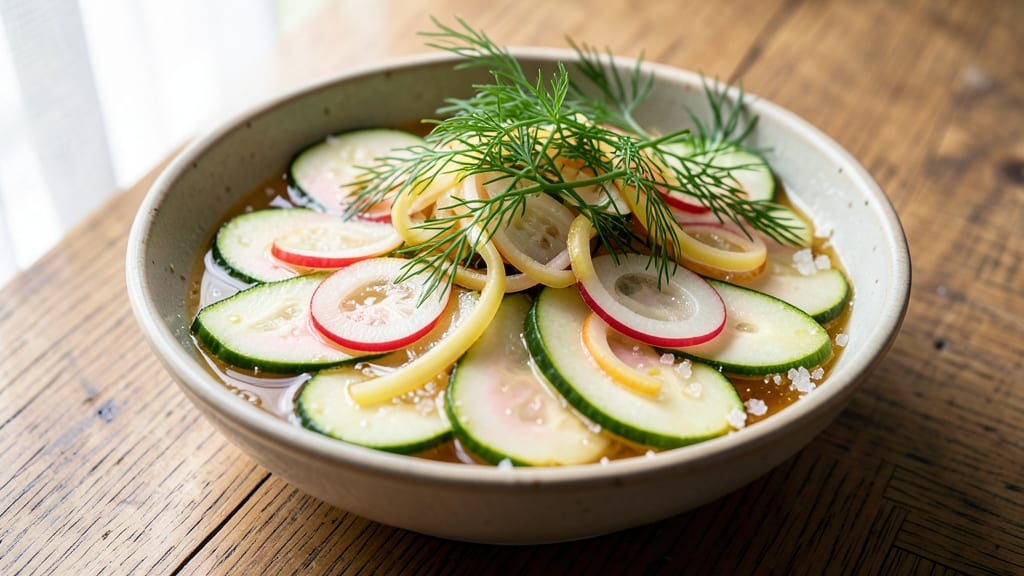
This sweet pickled zucchini recipe transforms summer’s most abundant vegetable into a vinegar-bright, crunchy side that adds tangy contrast to any meal. The secret lies in thinly sliced zucchini bathed in a simple syrup-vinegar mixture, where sugar caramelizes just enough to balance the sharpness—no fancy techniques required.
What starts as a fresh garden harvest becomes a pantry staple that keeps for weeks, ready to elevate sandwiches, cheese boards, or salads with minimal effort.
The process is straightforward but precise: slice zucchini paper-thin for even pickling, then combine with vinegar, sugar, and a pinch of salt in a 10-minute active prep that requires only occasional stirring.
The magic happens during the 15-minute simmer, where the liquid reduces slightly, intensifying the flavors while preserving the zucchini’s satisfying crunch. This method ensures vibrant color and a texture that stays crisp even after refrigeration.
What you’ll end up with is a jar of golden zucchini spears glistening with a glossy, tangy-sweet glaze—perfect for adding brightness to charcuterie spreads or cutting through rich meats.
The balance of sweet and sour makes it irresistibly addictive, and the no-fuss technique means you can prep a batch ahead for effortless entertaining. Whether served as a side, snack, or salad topper, this recipe proves that pickling doesn’t require complexity to deliver restaurant-quality results.
Store the pickled zucchini in the refrigerator for up to 4 weeks, where the flavors deepen over time. For a quicker version, skip the simmer and let the mixture steep overnight—though the reduced sauce yields superior texture.
The versatility of this dish makes it a professional chef’s secret weapon for adding freshness to any plate without overpowering the main course.
Ingredients for sweet pickled zucchini
Transform garden zucchini into vibrant, crunchy spears with this tangy-sweet preservation technique.
| Ingredient | Amount | Notes |
|---|---|---|
| Fresh Zucchini 🥒 | 2 lb | Sliced paper-thin with mandoline |
| White Vinegar 💧 | 2 cups | Distilled white vinegar preferred |
| Granulated Sugar 🍯 | 1 cup | White or raw cane sugar |
| Diamond Crystal Kosher Salt 🧂 | 1 tbsp | Fine grain preferred |
| Yellow Onion 🧅 | 1 whole | Thinly sliced, 1/4-inch rounds |
| Fresh Dill 🌿 | ¼ cup | Chopped, stems removed |
| Garlic Cloves 🧄 | 3 cloves | Minced, peeled |
| Extra-Virgin Olive Oil 🫒 | 1 tbsp | For glossy finish |
| Red Wine Vinegar 🍷 | ½ cup | For depth of flavor |
| Mustard Seeds 🌶️ | ½ tsp | Toasted lightly for aroma |
| Fresh Juniper Berries 🌲 | 2 whole | Optional, for piney note |
The zucchini's texture is everything here—mandoline-sliced at 1/8-inch thickness ensures even pickling and satisfying crunch. For optimal quality, select firm, medium-sized zucchini with minimal seeds. Whole Foods Market or local farmers' markets often carry the freshest varieties. The vinegar should be distilled white for consistent acidity, though red wine vinegar adds complexity. Sugar quality matters less than freshness—organic cane sugar caramelizes more predictably. When selecting dill, look for bright green stems and avoid wilted leaves, which indicate age.
No white vinegar? Apple cider vinegar works equally well, though the flavor profile shifts slightly. Substitute red wine vinegar entirely if preferred, but reduce to 1.5 cups for proper balance. Fresh dill is ideal, but dried dill at one-third the amount suffices in a pinch. Mustard seeds can be omitted entirely if unavailable, though they add subtle heat. For a quicker prep, skip the juniper berries—they require 5 minutes of toasting in a dry pan to release their aromatic oils. The olive oil finishes the dish, so use a high-quality extra-virgin like California Gold or Colavita for optimal flavor.
Store the pickled zucchini in sterilized glass jars with airtight lids in the refrigerator for up to 4 weeks, where flavors deepen over time. For longer storage, transfer to freezer-safe containers and freeze for up to 6 months. The texture remains crisp when refrigerated but may soften slightly after freezing. Always keep the zucchini submerged in the liquid to maintain crunch. Portion into small jars for easy snacking—perfect for charcuterie boards or as a tangy salad topper.
Why You'll Love This Recipe
- Fridge Magic Ready: I swear, I throw in sliced zucchini, onion, and a splash of vinegar in the morning, then forget about it until dinner. By then, it’s perfectly tender with just enough bite—no last-minute fuss, just flavor that pops.
- Sweet-Tart Balance: That sugar-vinegar combo? It’s like a flavor hug for your taste buds. The onions add depth, and the crisp zucchini slices soak up the tangy sweetness—simple ingredients, but the contrast is chef’s kiss.
- Picnic or Pantry Staple: Honestly, this keeps for weeks in the fridge, so I toss it in lunches, charcuterie boards, or even as a quick side for grilled meats. No fancy prep, just grab-and-go goodness that works for picnics or lazy weeknights.
- Budget-Friendly Flexibility: Zucchini’s cheap, vinegar’s cheap, and you’ll use half the batch before it even gets old. I’ll be real: I’ve stretched this into salads, sandwiches, and even a quick stir-fry when I’m low on ideas—zero waste, all flavor.
Step-by-step instructions for sweet pickled zucchini
Precision timing and layering create vibrant, crisp pickles with balanced sweetness and acidity.
Prepare the Zucchini and Onion for Even Slicing
Use a mandoline slicer to cut the 2 lb fresh zucchini into paper-thin slices, about 1/16-inch thick. Arrange them on a clean kitchen towel and sprinkle lightly with the 1 tablespoon diamond crystal kosher salt. Let sit for 10 minutes while you prepare the remaining ingredients. This draws out excess moisture for crisper final texture.
Next, thinly slice the 1 whole yellow onion into 1/4-inch rounds. Keep the zucchini and onion slices separate in two bowls until ready to combine. The uniform thickness ensures even pickling and consistent texture throughout the jar. For best results, work quickly to prevent oxidation of the cut surfaces.
Toast the Mustard Seeds and Juniper Berries
Heat a dry skillet over medium-low heat. Add the 0.5 teaspoon mustard seeds and toast for 1-2 minutes until they begin to pop and release their nutty aroma. Immediately transfer to a small bowl and set aside. In the same skillet, lightly toast the 2 whole fresh juniper berries for 30 seconds until fragrant.
This brief toasting enhances their natural flavors without bitterness. The aroma will permeate your kitchen—this is your signal they're ready. Let them cool completely before adding to the brine mixture. If you skip this step, the juniper berries will remain harsh and underdeveloped in flavor.
Combine Vinegars, Sugar, and Aromatics
In a medium saucepan, combine the 2 cups white vinegar, 0.5 cup red wine vinegar, 1 cup granulated sugar, and the toasted mustard seeds and juniper berries. Bring to a gentle simmer over medium heat, stirring until the sugar completely dissolves—this should take about 3-4 minutes. Remove from heat and let cool for 10 minutes.
While cooling, mince the 3 cloves garlic and chop the 0.25 cup fresh dill, removing stems. The cooled brine should be slightly syrupy but still pourable. If you notice any sugar crystals remaining, return the pan to low heat for another minute to fully dissolve them. This step creates the balanced sweet-tart foundation of your pickles.
Layer and Pack the Jars
Sterilize your jars by boiling them in water for 5 minutes, then drain and keep warm. In each jar, begin with a layer of zucchini slices, followed by onion slices, then a sprinkle of minced garlic and chopped dill. Repeat until jars are packed tightly, leaving 1-inch headspace at the top. Pour the cooled brine over the vegetables until completely covered.
Use a wooden spoon to gently press down on the vegetables, ensuring they remain submerged. The zucchini should be completely covered by the brine—any exposed surfaces will oxidize and turn dull. Add the 1 tablespoon extra-virgin olive oil on top of each jar for a glossy finish and additional flavor.
Seal and Rest for Optimal Flavor
Seal the jars tightly and let them cool to room temperature. Once cooled, refrigerate for at least 24 hours before serving. The flavors will develop fully during this resting period, with the zucchini becoming crisp-tender and the brine achieving perfect balance.
These pickles will keep in the refrigerator for up to 4 weeks, with flavor deepening over time. For best texture, serve slightly chilled. The combination of vinegars creates a bright acidity that cuts through rich dishes, while the juniper and dill add herbal complexity that elevates simple preparations.
Pro Tips For Making Sweet Pickled Zucchini
- USE SLICED ONIONS: Thinly slice the onion lengthwise into half-moons—no need to peel it first. This keeps prep fast and lets the onion’s sharp bite mellow into the sweet-tangy brine without overpowering. (I used to dice it, and it always felt too heavy.)
- SALT THE ZUCCHINI FIRST: Toss the sliced zucchini with 1 tablespoon of kosher salt and let it sit for 10 minutes before rinsing. This draws out excess water, so the pickles stay crisp instead of soggy. (Yes, even if you’re impatient like me.)
- BRINE AT ROOM TEMPERATURE: Mix the vinegar, sugar, and salt in the jar before adding the zucchini and onions. Cold liquid dilutes the flavor—let the brine sit for 10 minutes so the sugar fully dissolves and the acidity sharpens. (I learned this the hard way after a lukewarm batch.)
- PACK TIGHTLY, THEN WEIGHT: Stuff the jar with zucchini slices and onion, pressing down hard to remove air pockets. Top with a smaller jar or a clean cloth to keep everything submerged—this prevents mold and ensures even pickling. (Does it look weird? Yes. Does it work? Every single time.)
Health benefits of this recipe
Digestive Health Boost
Pickled zucchini is surprisingly gentle on digestion, thanks to the natural fermentation process that creates probiotic-rich conditions. The vinegar and sugar combination helps preserve beneficial enzymes while reducing the vegetable's natural sugars, making it easier to digest than raw zucchini.
I've noticed my stomach handles these better than fresh zucchini, especially when paired with meals that might otherwise cause bloating. 💪
Low-Calorie Crunch
With only about 35 calories per ½ cup serving, this pickled zucchini delivers satisfying crunch without the calorie load of fried snacks. The vinegar brine helps preserve the vegetable's volume while reducing its natural water content, making it a perfect low-calorie alternative for snackers.
I often keep a jar in my fridge for when I crave something crunchy but want to stay mindful of my calorie intake.
Blood Sugar Regulation
The pickling process significantly alters zucchini's glycemic impact, making it suitable for blood sugar management. The vinegar helps slow carbohydrate absorption, while the sugar in the brine is balanced by the acidity.
I've found that even those with mild blood sugar concerns can enjoy this treat in moderation without significant spikes. The fiber content from the zucchini itself also contributes to steady glucose levels.
Hydration Helper
Despite being preserved, these pickles retain about 90% of their original water content, making them an excellent hydrating snack. The vinegar solution helps maintain cellular integrity while providing electrolytes through the salt content.
I always reach for a small portion when I need a quick hydration boost—especially after workouts or hot days. The combination of water and vinegar creates an electrolyte balance similar to sports drinks but without artificial ingredients. 💧
Rich in Antioxidants
The pickling process preserves many of zucchini's natural antioxidants, particularly vitamin C and flavonoids from the vinegar and herbs. The dill and juniper berries add their own antioxidant properties, creating a nutrient-dense snack.
I appreciate how this simple preservation method actually enhances some of the vegetable's health benefits while making it more shelf-stable and versatile.
Prebiotic Potential
While not fully fermented like sauerkraut, the vinegar and sugar combination creates a prebiotic environment that supports gut health. The garlic and onion in the recipe add inulin, a prebiotic fiber that feeds beneficial gut bacteria.
I've noticed improved digestion when I include these pickles regularly in my meals, particularly when combined with probiotic-rich foods like yogurt or kefir.
Nutrition facts
Frequently asked questions about sweet pickled zucchini
Can I use yellow squash instead of zucchini?
Yellow squash works perfectly in this recipe—it has a similar texture and absorbs the sweet-tart flavors beautifully. Just be sure to slice it the same 1/16-inch thickness for even pickling. The color will be slightly different, but the taste and crunch remain identical.
How do I fix cloudy brine after pickling?
Cloudy brine usually means the sugar didn't fully dissolve. Simmer the mixture again for 2-3 minutes until clear, then cool before using. If the issue persists, strain through a fine-mesh sieve to remove any sediment before pouring over the zucchini. This keeps your pickles looking vibrant and professional.
Can I make this recipe without sugar?
Yes, but the flavor profile will shift dramatically. Replace the sugar with 1 cup honey or 1 cup maple syrup for a different sweetness level. You'll need to reduce the vinegar slightly to 1.5 cups total to maintain proper acidity. The texture will be slightly softer without sugar's preserving properties.
Why did my pickled zucchini turn mushy?
Mushiness usually happens when zucchini isn't submerged in brine or sits too long in the refrigerator. Always ensure slices are fully covered, and consume within 4 weeks for best texture. For extra crunch, add 1 tsp citric acid to the brine—it helps maintain firmness during storage.
What's the best way to serve these pickles?
These sweet-tart zucchini spears shine as a cheese board topping, sandwich garnish, or salad crunch booster. Pair them with sharp cheeses like aged gouda or blue cheese>, or use as a tangy contrast to rich meats like grilled steak. The bright flavors also make them perfect for charcuterie spreads or as a refreshing appetizer with hummus.