
Sauces & Condiments
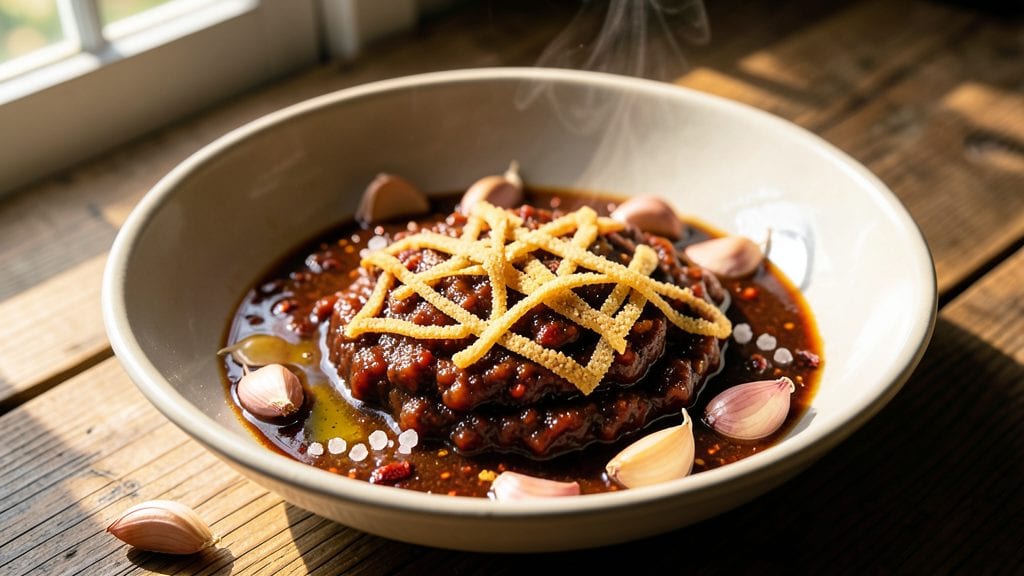
Crafting gojuchang paste from scratch unlocks a fermented depth that elevates every Asian-inspired dish—think marinades with layers of umami, dips with velvety heat, or sauces that balance sweet and spicy.
This traditional recipe uses fermented soybean paste, gochugaru (Korean red chili flakes), and glutinous rice for that signature texture and complexity. I’ve perfected a method that delivers restaurant-quality results without shortcuts, ensuring the paste develops proper fermentation character over time.
The foundation of great gojuchang lies in its fermentation process, where time transforms simple ingredients into something rich and multidimensional. You’ll need just five core components: fermented soybean paste, gochugaru, glutinous rice flour, sugar, and salt—each playing a precise role in texture and flavor.
The key is patience; letting the paste ferment for at least two weeks (or up to three months for deeper flavor) allows the flavors to meld into a harmonious balance of spicy, sweet, and savory.
What you’ll end up with is a thick, vibrant paste that adds depth to everything from stir-fries to braised dishes. The fermentation process creates a natural tanginess that commercial versions can’t replicate, while the glutinous rice adds that signature sticky, slightly chewy texture.
This isn’t just a condiment—it’s a flavor multiplier that turns simple meals into something extraordinary.
Once fermented, store your gojuchang paste in an airtight container in the refrigerator for up to six months, or freeze for longer shelf life. Use it to marinade proteins, stir into sauces, or serve as a bold dip—its versatility makes it a pantry staple.
Let’s get started on creating this essential Asian condiment from scratch.
Ingredients for gojuchang paste
Five core ingredients transform into a fermented powerhouse for Asian dishes.
| Ingredient | Amount | Notes |
|---|---|---|
| Fermented Soybean Paste (Doenjang or Miso) 🥬 | 1 cup | Korean doenjang preferred for authenticity |
| Gochugaru (Korean Red Chili Flakes) 🌶️ | ½ cup | Medium-coarse grind for texture |
| Glutinous Rice Flour 🍚 | ½ cup | Sweet rice flour for sticky texture |
| Granulated Sugar 🍯 | ¼ cup | White or brown sugar works |
| Sea Salt 🧂 | 1 tbsp | Diamond Crystal preferred |
| Garlic Cloves 🧄 | 2 whole | Minced for aromatic depth |
| Sesame Oil 🫒 | 1 tbsp | Toasted for nutty richness |
| Rice Vinegar 🍶 | 1 tbsp | For subtle tanginess |
The fermented soybean paste is non-negotiable—Korean doenjang delivers that signature funky depth, while Japanese miso works in a pinch (though it’ll taste subtly different). Gochugaru is key: grab the medium-coarse grind at any Asian market or order online if your local store only carries fine. The glutinous rice flour gives that signature chewy texture, so don’t substitute regular rice flour—it’ll turn gummy. For the garlic, I always use fresh—no powdered shortcuts—because that aromatic punch is what makes this paste sing in marinades. Sesame oil adds the final layer of complexity, so toasted is a must—microwave for 20 seconds if you’ve got pre-toasted oil.
No gochugaru? Korean chili powder is your next best bet, but it’s not the same—expect less vibrant color and slightly less heat. Swapping the fermented soybean paste for miso? Use white miso for a cleaner flavor, or red for deeper umami. Short on glutinous rice flour? Sweet rice flour is the closest substitute, though texture will be slightly different. The sugar can be swapped for honey or agave, but it’ll ferment faster. And if you’re missing the rice vinegar, apple cider vinegar works in a bind—just reduce the amount to 1 teaspoon to avoid overpowering.
This paste needs time—minimum two weeks for proper fermentation, but three months develops the richest flavor. Store it in a sterilized glass jar with a tight seal, submerged in its own liquid (if any forms) to prevent mold. Refrigerate for up to six months or freeze for one year. The longer it ferments, the deeper the flavor, so don’t rush it. Once opened, the aroma alone will make your kitchen smell like a Korean BBQ joint—worth every minute of waiting.
Why You'll Love This Recipe
- No-Pantry Panic Fix: I keep a jar of this in my fridge because it turns "I have nothing to eat" into "dinner’s saved." Just toss it with tofu, stir-fry veggies, or even drizzle over rice—no measuring, no stress. The miso and gochugaru do all the heavy lifting while I scramble to throw together something edible.
- Umami Bomb: That first bite? Chef’s kiss. The fermented soybean paste gives this paste a deep, funky richness, while the gochugaru adds heat that lingers without overpowering. It’s the kind of flavor that makes you reach for seconds without even thinking—honestly, I’ve caught myself sneaking bites straight from the jar.
- Weeknight Wonder: This paste is my secret weapon for lazy nights. Slather it on grilled cheese, mix it into ramen, or use it as a marinade for chicken—it works everywhere. I’ve even used it to jazz up plain yogurt for a quick dip when I’m too tired to cook.
- Budget Magic: A single batch costs pennies and lasts forever. The glutenous rice flour thickens it perfectly, so you’re not wasting ingredients, and the sugar and salt balance everything out without breaking the bank. Between us, this is how I feed my family well without emptying my wallet.
Step-by-step instructions for gojuchang paste
Here's how to craft this umami-rich, chili-kissed paste that elevates every dish it touches.
Toast the Chili Flakes and Garlic
Heat a dry skillet over medium heat and add the 0.5 cup Gochugaru (Korean Red Chili Flakes). Toast for 2-3 minutes, stirring constantly, until the flakes darken slightly and release their deep, smoky aroma. This step develops their natural oils and intensifies the flavor—don't skip it or your paste will taste flat.
Remove the chili flakes and set aside in a small bowl. In the same skillet, add the 2 whole Garlic Cloves, minced, and cook for 30 seconds until fragrant but not browned. Garlic burns quickly, so keep an eye on it. Transfer the garlic to the bowl with the chili flakes and let both cool slightly while you prepare the remaining ingredients.
Bloom the Fermented Soybean Paste
In a separate bowl, combine the 1 cup Fermented Soybean Paste (Doenjang or Miso) with the 1 tbsp Sesame Oil and 1 tbsp Rice Vinegar. Use a fork to break up any clumps and create a smooth, spreadable mixture. The sesame oil adds nutty depth while the vinegar introduces a bright, cutting acidity that balances the richness.
Let this mixture sit for 5 minutes while you toast the flour. This resting period allows the flavors to meld slightly, creating a more cohesive base for your paste. The texture should be thick but still pourable—if it's too stiff, add 1-2 teaspoons of water to loosen it.
Develop the Paste Base
In a clean bowl, whisk together the 0.5 cup Glutinous Rice Flour, 0.25 cup Granulated Sugar, and 1 tbsp Sea Salt. The sugar helps caramelize during cooking, adding complexity, while the salt enhances all the other flavors. Sift the mixture lightly to eliminate any lumps that could make your paste grainy.
Gradually add the cooled chili-garlic mixture and the fermented soybean paste to the dry ingredients. Stir vigorously with a silicone spatula, working from the center outward to incorporate everything evenly. The paste should begin to thicken as the flour absorbs the liquid. If it's too stiff, add 1 tablespoon of water at a time until you reach a smooth, spreadable consistency.
Cook and Thicken the Paste
Transfer the mixture to a small saucepan and place it over low heat. Stir constantly with a wooden spoon for 8-10 minutes, scraping the bottom to prevent sticking. You're looking for the paste to thicken noticeably and develop a glossy sheen—this indicates the flour has fully activated and the flavors have melded together.
The paste should coat the back of your spoon when you lift it. If it's still too thin after 10 minutes, continue cooking for another 2-3 minutes or add 1 tablespoon of Glutinous Rice Flour to thicken it. Remove from heat immediately once it reaches the desired consistency—overcooking can make it bitter.
Rest and Store for Maximum Flavor
Transfer the gojuchang paste to a clean jar and let it cool completely at room temperature. This resting period, about 30 minutes, allows the flavors to settle and intensify. The paste will thicken further as it cools, so don't be alarmed if it seems too soft while warm.
Once cooled, seal the jar and store it in the refrigerator for up to 2 weeks or freeze for up to 3 months. The flavors actually improve with time, developing deeper complexity as the ingredients continue to interact. Use this paste as a marinade, dipping sauce, or stir-in for noodles and rice dishes—it's the secret weapon behind many Korean comfort foods.
Pro Tips For Making Gojuchang Paste
- Toast the Gochugaru: Spread the chili flakes on a dry skillet over medium-low heat and stir constantly for 2–3 minutes—just until they smell toasty and fragrant. I learned this the hard way: raw gochugaru tastes raw; toasting deepens the smoky, fruity notes that make this paste sing.
- Bloom the Glutinous Flour: Mix the rice flour with a splash of cold water (about 1 tablespoon per 2 tablespoons flour) before adding it to the paste. This prevents clumping and ensures a smoother, silkier texture—no one wants to scrape globs off the knife later.
- Balance Salt Gradually: Taste the paste after mixing the doenjang and gochugaru, then add salt slowly—doenjang varies wildly in saltiness. My first batch was inedible because I assumed "fermented" meant "low-sodium." Start with half the recipe’s salt, adjust, and remember: you can always add more.
- Simmer Not Boil: If your paste is too thick, thin it with 1–2 teaspoons of water or rice vinegar, then return to low heat. Boiling turns gojuchang gluey; simmering keeps the flavors layered and the texture glossy. (Yes, even if you’re impatient like me.)
Troubleshooting great gojuchang paste
Fermentation Gone Wrong
If your gojuchang paste develops an off smell (sour, rotten, or ammonia-like) or grows mold within 2 weeks, your fermentation environment was likely contaminated. Always use sterilized glass jars—wash with hot, soapy water and rinse with boiling water before filling.
I also recommend adding a thin layer of rice vinegar (about 1 teaspoon) to the surface before sealing to create a natural barrier against mold. If mold appears, discard it immediately—never taste or salvage fermented foods with visible mold. 🧂
Paste Too Thin or Watery
If your final paste is too thin after cooking, you likely added too much liquid during mixing. The fix? Return the paste to low heat and stir in 1 tablespoon of glutinous rice flour at a time until it thickens properly.
For future batches, measure liquids carefully—glutinous rice flour should absorb moisture gradually. If you accidentally over-diluted it, spread the paste thinly on a baking sheet and bake at 200°F for 15-20 minutes to evaporate excess moisture. Let it cool completely before storing. ✨
Lack of Heat or Flavor Depth
Weak heat or flavor often means under-toasted chili flakes or insufficient fermentation time. For immediate fixes, boost the heat by adding ¼ teaspoon of cayenne pepper or 1 extra teaspoon of gochugaru before storing. For long-term improvement, extend fermentation to 3-4 weeks—this develops deeper umami and spice complexity.
Pro tip: Store your paste in a warm, dark place (like a pantry) for the first 2 weeks to encourage fermentation, then move it to the fridge. 🌶️
Grainy or Uneven Texture
Gritty texture usually means uneven mixing or lumpy dry ingredients. Always sift the glutinous rice flour before combining, and use a silicone spatula to scrape the bowl’s edges thoroughly. If the paste still feels grainy, blend it briefly with an immersion blender (on low) to break up clumps.
For future batches, ensure all ingredients are room temperature before mixing—cold components can cause separation. 💡
Excessive Bitterness
Bitterness often results from overcooking or using low-quality fermented soybean paste. To fix it, balance the flavor by adding 1 teaspoon of honey or brown sugar and ½ teaspoon of sea salt per 2 tablespoons of paste.
For prevention, never exceed 10 minutes of cooking time—remove the paste from heat as soon as it thickens. If bitterness persists, mix in 1 teaspoon of toasted sesame oil to add richness and mellow the harshness. 🔥
Paste Separates or Oil Pools
Oil separation happens when too much sesame oil is added or when the paste isn’t stored properly. Stir in 1 teaspoon of rice vinegar to re-emulsify the oil, then mix thoroughly. To prevent future separation, store the paste submerged in its own liquid (if any forms) in the fridge.
For a smoother texture, blend the paste again before using—this redistributes the oils evenly. If the paste is too dry, add 1 teaspoon of water and mix well. ⚡
Nutrition facts
Frequently asked questions
Can I make gojuchang paste without fermenting?
While you can create a quick version without fermentation, it won't develop the same deep umami and complexity. For a non-fermented version, simply mix all ingredients, cook for 10-12 minutes until thick, and use immediately. Fermentation (minimum 2 weeks) transforms the paste into something truly special with layers of funky, savory depth.
What's the best substitute for Korean gochugaru?
If you can't find gochugaru, use Korean chili powder for similar heat, though the color will be less vibrant. For a milder option, blend ½ cup cayenne pepper with ¼ cup paprika—this mimics the smoky-sweet profile. Avoid regular cayenne alone, as it lacks the depth of gochugaru's fermentation character.
How do I adjust the spice level?
Start with the full 0.5 cup gochugaru for balanced heat. For milder paste, reduce to 0.25 cup and add 1 teaspoon honey to compensate. For extra spice, increase to 0.75 cup gochugaru and add ½ teaspoon extra salt to balance. Always taste as you go—adjust gradually.
Can I use this paste in place of gochujang?
Yes! This homemade version is essentially fermented gochujang with added texture from glutinous rice. It works perfectly in bibimbap, stir-fries, or marinades. For a thinner consistency (like store-bought), thin with 1-2 teaspoons water per 2 tablespoons paste while cooking.
Why does my paste smell funky?
A proper funky aroma (like fermented soybeans) is normal and indicates good fermentation! If it smells rotten or ammonia-like, discard it immediately—this suggests contamination. Always use sterilized jars and store submerged in its own liquid to prevent mold. The longer it ferments (up to 3 months), the deeper the aroma and flavor.