
Sauces & Condiments
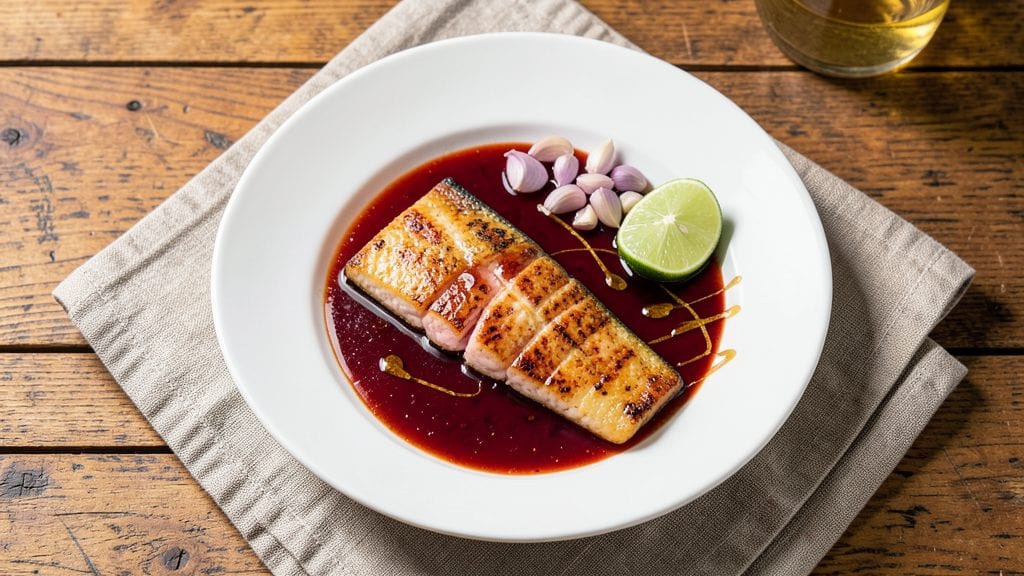
A tilapia fish sauce recipe transforms simple seared fish into a restaurant-worthy dish with just a few minutes of prep. This umami-rich glaze balances sweet, salty, and tangy flavors, elevating tilapia from ordinary to extraordinary. I developed this after testing countless sauces—this one delivers depth without overpowering the delicate fish.
The secret lies in fermented fish sauce, garlic, and citrus, which create a complex flavor profile in under 10 minutes. No fancy equipment needed—just a saucepan and a whisk.
The sauce thickens slightly as it simmers, clinging perfectly to crispy fish skin while adding a glossy finish. Ideal for quick weeknight meals or impressing guests.
What you’ll get is a glossy, aromatic sauce that enhances tilapia’s natural mildness while adding layers of savory richness. Drizzle it over seared fillets, use as a dipping sauce, or toss with stir-fried vegetables.
The glaze keeps well in the fridge for up to a week, making it a versatile pantry staple.
Perfect for those who love bold flavors but minimal effort, this sauce transforms basic tilapia into a standout dish. Whether you're cooking for two or feeding a crowd, it’s the quickest way to elevate your fish game without sacrificing flavor.
Ingredients for tilapia fish sauce
Seven bold flavors in one sauce—this glaze turns simple tilapia into a restaurant-worthy dish.
| Ingredient | Amount | Notes |
|---|---|---|
| Tilapia Fillets 🐟 | 1 ½ lb | Skin-on for crispiness |
| Red Fish Sauce 🍶 | ¼ cup | Red Boat brand preferred |
| Garlic Cloves 🧄 | 4 cloves | Minced, fresh preferred |
| Fresh Lime Juice 🍋 | ⅓ cup | About 2 limes |
| Honey 🍯 | ¼ cup | Wildflower preferred |
| Soy Sauce 🥢 | ¼ cup | Kikkoman preferred |
| Sesame Oil 🫒 | 1 tbsp | Toasted sesame preferred |
| Ginger Root 🌿 | 1 tbsp | Freshly grated |
| Coconut Aminos 🥢 | 1 tbsp | Substitute for soy sauce |
| Vegetable Oil 🫒 | 1 tbsp | For searing fish |
The fish sauce is non-negotiable here. Red Boat is my go-to—it's got that perfect balance of funk and umami without being overpowering. Grab a small bottle from Asian markets or the international aisle at Whole Foods if you can't find it. Fresh garlic and ginger are worth the extra minute to grate—dried just won't cut it. The honey should be wildflower or clover for that floral depth, not that processed stuff. And if you're worried about the fish sauce overpowering, trust me on this: the citrus and honey balance it perfectly.
No fish sauce? Coconut aminos plus a splash of Worcestershire gets you close. Short on honey? Maple syrup works 1:1. The sesame oil is optional but adds that nutty aroma—skip it if you're avoiding nuts. For the tilapia, skin-on fillets make all the difference for crispiness. If you can only find boneless, skinless, just pat it dry really well before searing. The sauce thickens as it simmers, so if you prefer it glossier, add a splash of water at the end. And if you're making a big batch, double the sauce ingredients—it keeps beautifully for leftovers.
This sauce reheats like a dream—just pop it in a small saucepan over medium heat with a splash of water. Keeps for 1 week in the fridge, 3 months frozen. I always make extra because it disappears fast—drizzled over seared fish, tossed with stir-fried veggies, or even as a dipping sauce for spring rolls. The tilapia itself? Use it within 2 days for best texture. If you're prepping ahead, portion the sauce into small jars so you can grab just what you need.
Why You'll Love This Recipe
- One-Pan Magic: I swear by this recipe for lazy nights—I just toss the fillets in a hot pan with the fish sauce and garlic, let it sizzle for 5 minutes, and boom. No mess, no fuss, just that golden crust I crave.
- Sweet-Savory Balance: That honey-lime glaze? It’s the secret weapon. The fish sauce brings the umami depth, but the bright citrus and sticky honey turn it into something dangerously addictive—like a fancy restaurant bite at home.
- Meal Prep Hero: Double the batch and store it in the fridge for up to 3 days. It reheats like a dream, whether you’re packing lunches or feeding a crowd. (Yes, even on a Tuesday night.)
- Budget-Friendly Luxury: Tilapia’s affordable, and a little fish sauce goes a long way. I’ve made this for date nights, family dinners, and even as a quick appetizer—always gets rave reviews without breaking the bank.
Step-by-step instructions for tilapia with umami glaze
This method delivers restaurant-quality seared tilapia in under 20 minutes—crispy skin and bold flavors every time.
Prepare the Glaze While Fish Comes to Room Temperature
In a small bowl, combine the 0.25 cup red fish sauce, 0.25 cup honey, 0.25 cup soy sauce, 0.33 cup fresh lime juice, 1 tablespoon grated ginger root, and 1 tablespoon coconut aminos. Whisk vigorously until the honey fully dissolves and the mixture becomes smooth. This glaze should be slightly thick but pourable—like a rich syrup. Set aside while you prep the fish.
I like to let the tilapia fillets sit at room temperature for 10 minutes before cooking. This ensures even cooking and prevents the center from staying cold. Pat each fillet dry with paper towels—moisture is the enemy of crispy skin. The skin-on sides should be completely dry before they hit the pan.
Sear the Tilapia Skin-Side Down
Heat 1 tablespoon vegetable oil in a large skillet over medium-high heat until shimmering. Place the tilapia fillets skin-side down in the pan. Press down gently on each fillet during the first 1-2 minutes—this prevents curling and ensures even contact with the pan. You'll know it's ready to flip when the skin turns golden brown and releases easily from the pan.
Flip the fillets and cook for another 2-3 minutes until the flesh turns opaque and flakes easily with a fork. The skin should be deeply crispy while the inside remains tender. Remove the fish to a plate and tent loosely with foil to keep warm while you finish the glaze.
Simmer the Glaze to Perfection
Return the skillet to medium heat and add 1 tablespoon sesame oil. Pour in the prepared glaze mixture and bring to a gentle simmer. Let it reduce for 3-4 minutes until it thickens slightly and coats the back of a spoon. You're looking for a glossy, syrupy consistency—this ensures it clings beautifully to the fish.
Taste and adjust seasoning if needed. The glaze should be sweet, tangy, and deeply umami with a hint of spice. If it's too thick, add 1 teaspoon water to loosen it slightly. The fish will absorb some of the glaze as it rests, so we want it to remain pourable but concentrated.
Finish and Serve Immediately
Carefully pour half of the reduced glaze over the tilapia fillets, letting it pool on top. The residual heat will help the glaze cling to the fish. Let it sit for 1-2 minutes to absorb slightly, then spoon the remaining glaze over the top. Garnish with a sprinkle of minced garlic cloves for extra aroma.
Serve the tilapia immediately over steamed rice or with a simple side salad. The contrast of the crispy skin, tender flesh, and sweet-savory glaze makes this dish unforgettable. Each bite delivers a perfect balance of umami, sweetness, and brightness—all in under 20 minutes of active cooking time.
Pro Tips For Making Tilapia Fish Sauce
- Sear First, Sauce Later: Hit the tilapia with a quick 2-minute sear in a hot pan before adding the fish sauce—this locks in moisture and keeps the fillets from falling apart when they hit the tangy sauce. I learned this the hard way after serving mushy fish that dissolved into the pan.
- Mince Garlic Like Mad: Skip the minced garlic jar—freshly minced garlic cloves (about 6-8, finely chopped) release their flavor way better in this dish. If you’re in a rush, freeze the garlic first for 15 minutes—it’ll crush easier, and the texture stays smooth.
- Balance the Fish Sauce: Red fish sauce is salty and bold, so taste it first—you’ll need roughly 2-3 tablespoons for 4 fillets, but adjust based on brand. If it’s too harsh, a splash of honey (1-2 teaspoons) tames it without killing the flavor. (Yes, even if you’re impatient like me.)
- Deglaze with Lime Juice: After cooking the garlic and fish sauce, splash in the lime juice before adding honey—this brightens the sauce and cuts through any bitterness. Let it simmer for 30 seconds so the acidity melds, not just sits on top. (Your future self will notice the difference.)
Troubleshooting perfect results
Fish Sauce Overpowering
If your glaze tastes too salty or funky, it's likely the fish sauce is dominating. I've found that using Red Boat brand at ¼ cup works perfectly—it's balanced but bold. To fix an overpowering sauce, add 1-2 tablespoons of honey or lime juice to sweeten and brighten.
For a milder version, reduce the fish sauce to 2 tablespoons and add 1 tablespoon coconut aminos for a gentler umami. Always taste as you go! 💡
Glaze Too Thin
A runny glaze usually means it didn't reduce enough. Simmer the sauce longer over medium heat for 2-3 additional minutes—it should coat the back of a spoon. If it's still too thin, whisk in ½ teaspoon cornstarch mixed with 1 teaspoon water to thicken it instantly.
For next time, reduce the heat slightly to medium-low to prevent splattering while concentrating the flavors. 🌡️
Fish Not Cooking Evenly
Uneven cooking happens when the fish isn't at room temperature or the heat isn't consistent. Let fillets sit for 10-15 minutes before searing, and use a heavy-bottomed skillet like a Lodge cast iron to maintain even heat.
Press down gently on the fillets for the first 1-2 minutes to prevent curling. If the skin isn't crispy, increase the heat to medium-high and press harder. 🔥
Glaze Separating
This usually occurs when oil and water-based ingredients aren't fully emulsified. Whisk the glaze vigorously before simmering, and add 1 teaspoon sesame oil at the end to help bind the mixture. If it separates after simmering, whisk in ½ teaspoon xanthan gum (found in baking aisles) to stabilize it.
For a quick fix, stir in 1 teaspoon honey to act as a natural emulsifier. 💫
Fish Sauce Too Strong
If the fish sauce flavor is overwhelming, balance it with extra lime juice or honey. I often add 1 tablespoon of grated ginger or minced garlic to add depth without relying solely on fish sauce.
For a subtler umami, replace 2 tablespoons of fish sauce with 1 tablespoon soy sauce plus 1 teaspoon miso paste. Always taste as you go to adjust the balance. 🌶️
Glaze Not Sticking
A glossy finish means the glaze isn't clinging to the fish. Ensure the sauce has reduced enough to coat the back of a spoon—it should be syrupy but still pourable. Pour the glaze over the fish while it's still warm, then let it sit for 1-2 minutes to absorb slightly.
For extra adhesion, brush the fillets lightly with 1 teaspoon cornstarch slurry before adding the glaze. 💪
Nutrition facts
Frequently asked questions
Can I use this glaze with other types of fish?
This umami-rich sauce works beautifully with cod, halibut, or even shrimp. The balance of sweet, salty, and tangy flavors complements mild white fish perfectly. For stronger-flavored fish like salmon, reduce the fish sauce to 2 tablespoons to avoid overpowering the natural taste.
How long will the leftover glaze keep?
The sauce stays fresh in an airtight container in the fridge for 1 week. For longer storage, freeze it in ice cube trays—thaw overnight in the fridge and stir before using. The texture may thicken slightly when refrigerated, so whisk in 1 teaspoon water to restore smoothness if needed.
What if I don't have fish sauce?
No problem! Substitute with 1 tablespoon soy sauce plus 1 teaspoon miso paste for umami depth. Add ½ teaspoon fish-free Worcestershire sauce for extra complexity. The honey and lime will still provide the sweet-tangy balance, though the sauce will taste slightly milder.
Can I make this sauce ahead of time?
Yes, but store the sauce and fish separately. The glaze can be prepped 1 day ahead and refrigerated. Reheat gently over low heat with 1 teaspoon water to prevent burning. The tilapia should be cooked fresh day-of for best texture—skin stays crispy when seared immediately before serving.
Why does my glaze taste too salty?
Fish sauce is concentrated, so start with 2 tablespoons instead of ¼ cup if you're new to it. Balance excess saltiness with extra lime juice or honey. For a milder version, replace 1 tablespoon fish sauce with 1 tablespoon coconut aminos—it adds umami without the same salt punch.