
Side Dishes
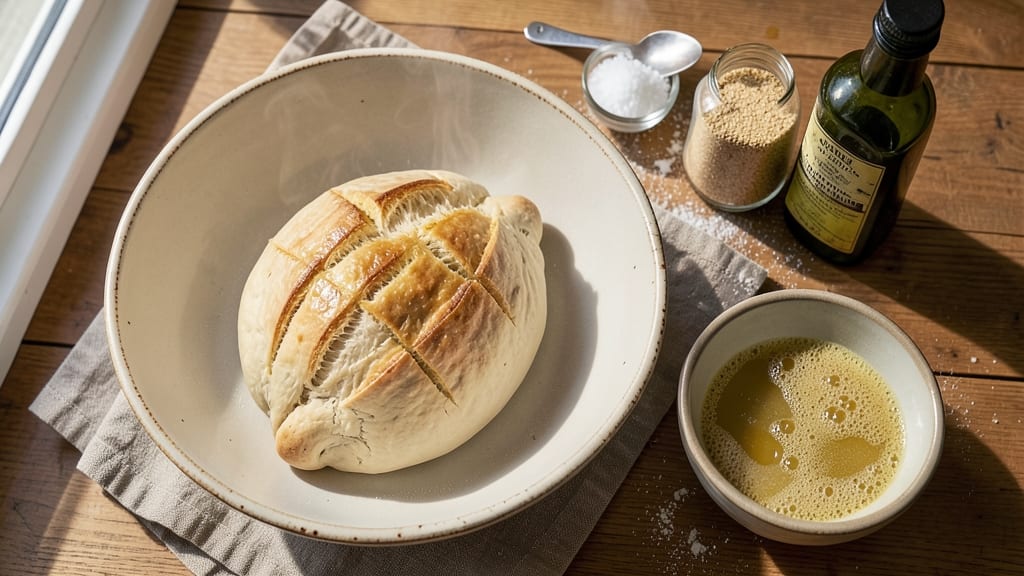
Mastering a traditional French bread recipe transforms your kitchen into a Parisian bakery, where every baguette boasts a crisp crust and airy interior. The secret lies in precise techniques like autolyse and proper proofing—steps that elevate homemade bread beyond store-bought.
I’ve perfected this method after years of baking, ensuring each loaf delivers that authentic, rustic flavor.
This recipe requires only five key ingredients: high-protein flour, active dry yeast, water, salt, and a touch of sugar to activate the yeast. The process begins with autolyse, a rest period that develops gluten naturally, followed by kneading, shaping into baguettes, and proofing until doubled in size.
Baking at high heat in a Dutch oven creates that signature crisp crust while keeping the interior tender.
What you’ll achieve is bread with a golden, shatteringly crisp exterior and a chewy, open crumb—just like the baguettes from your favorite French bakery. The aroma alone will transport you to a Parisian café, and the flavor is unmistakably traditional.
Whether you’re serving it with soup or using it for sandwiches, this bread is a game-changer for any kitchen.
For those who love experimenting, variations like whole wheat or herb-infused bread are simple to adapt. The same techniques apply, ensuring consistent results every time. Let’s get started on your first loaf—your taste buds will thank you.
Ingredients for traditional french bread
Five ingredients, Parisian results—this is your ticket to bakery-quality baguettes at home.
| Ingredient | Amount | Notes |
|---|---|---|
| High-Protein Bread Flour 🌾 | 4 cups | 13.5% protein minimum for structure |
| Active Dry Yeast 🍞 | ¼ oz | Ensure expiration date is recent |
| Granulated Sugar 🍚 | 1 tbsp | Feeds yeast for activation |
| Diamond Crystal Kosher Salt 🧂 | 1 ½ tsp | Fine grain for even dispersion |
| Lukewarm Water 💧 | 1 ½ cups | 105-110°F for yeast activation |
| Extra-Virgin Olive Oil 🫒 | 1 tbsp | For dough handling and crust |
| Cornmeal 🌽 | ¼ cup | For dusting work surface |
| Ice Water ❄️ | ½ cup | For final dough shaping |
The flour is non-negotiable here. King Arthur or Caputo bread flour deliver that signature open crumb—all-purpose just won't cut it. Check the protein percentage on the bag; anything below 13% will yield a dense loaf. For yeast, Fleischmann's active dry works reliably, but if you're feeling fancy, Lesaffre fresh yeast (available at specialty stores) adds a professional touch. Store-bought yeast? Make sure it's not expired—old yeast is the kiss of death for this recipe. The sugar amount is precise: too much feeds the yeast too aggressively, throwing off the dough's development. And salt? Diamond Crystal dissolves more evenly than table salt, which is crucial for consistent flavor.
No bread flour? Substitute all-purpose plus 1 tbsp vital wheat gluten—it mimics the protein structure. Running out of yeast? Instant yeast works 1:1, but don't mix it with salt. The water temperature is critical: too hot kills the yeast, too cold slows it down. Use a thermometer—lukewarm is 105-110°F. Olive oil adds tenderness and helps with shaping; store-bought in a dark bottle keeps better than those clear jars. For cornmeal, Bob's Red Mill is my go-to—it toasts beautifully when baking. And that ice water? Don't skip it—it tightens the gluten for those signature baguette lines.
Yeast and sugar mix? Let it sit 5-10 minutes until frothy before adding to flour. Dough keeps 24 hours in the fridge for easier shaping later. For freezing, portion into 1-ounce balls—thaw overnight in the fridge before baking. The Dutch oven? Preheat with lid on for 45 minutes to mimic a brick oven. Baguettes stay fresh 3 days wrapped in a towel at room temperature, or freeze for up to 3 months. Toast slices for maximum crispiness—trust me on this.
Why You'll Love This Recipe
- No-Fuss Dough: I swear, this dough comes together in five minutes—just flour, yeast, sugar, salt, and water. No stand mixer, no fancy tools, just my hands and a bowl. Honestly, the kneading is almost meditative once you get the rhythm.
- Crispy-Gold Perfection: That high-protein flour and kosher salt combo? It delivers next-level crust—crunchy enough to shatter, chewy inside, with just a whisper of sweetness from the sugar. I’ll be real: it’s the kind of bread that makes you pause mid-bite.
- Weeknight Workhorse: Toss it in the oven while you prep dinner, slice it for sandwiches, or freeze half for lazy mornings. My kids grab it straight from the fridge for toast—no reheating needed. It’s my go-to for breakfast, lunch, or even a fancy charcuterie board.
- Budget Magic: A single batch costs pennies and stretches for days—perfect for meal prep or feeding a crowd. I’ve made this for Sunday dinners, picnic baskets, and even as a side for soup nights. The yeast does all the heavy lifting, and the ingredients won’t break the bank.
Step-by-step instructions for traditional French bread
Here's how to craft authentic artisan baguettes with a crisp crust and airy interior.
Activate the Yeast for Optimal Rise
In a medium bowl, combine the 1.5 cups lukewarm water, 1 tablespoon granulated sugar, and 0.25 oz active dry yeast. Let this mixture sit for 5-10 minutes until it becomes frothy and bubbly at the surface. This activation ensures your yeast is alive and ready to work its magic in the dough.
I always test the water temperature first—it should feel warm to the touch, like a comfortable bath. If it's too hot, you'll kill the yeast; if too cold, it won't activate properly. The bubbles indicate the yeast is happily consuming sugar and producing carbon dioxide, which will later create those signature air pockets in your bread.
Mix the Dough with Precision
In a large bowl, whisk together the 4 cups high-protein bread flour and 1.5 teaspoons diamond crystal kosher salt. Create a well in the center and pour in the activated yeast mixture along with 1 tablespoon extra-virgin olive oil. Using a wooden spoon, gradually incorporate the dry ingredients into the wet, mixing until a shaggy dough forms.
Once the dough begins to come together, switch to your hands and knead on a lightly floured surface for 8-10 minutes until smooth and elastic. The dough should spring back slowly when poked—this indicates proper gluten development. I press down gently on the dough during kneading to ensure even gluten formation throughout.
First Rise for Flavor Development
Lightly oil the same large bowl, place the dough inside, and cover with a damp kitchen towel. Let it rise in a warm place for 1-2 hours, or until it has nearly doubled in size. The dough should feel light and airy when pressed gently with a finger.
This first rise is crucial for flavor development. The yeast ferments slowly, creating complex flavors that will shine in your final bread. I like to place my dough near the oven with the light on (but not the heat) to maintain a consistent warm environment. If your kitchen is cold, a proofing box or even a warm oven with the light on works perfectly.
Shape and Second Rise for Structure
Turn the dough onto a surface dusted with 0.25 cup cornmeal to prevent sticking. Divide it into 4 equal portions and shape each into a 20-inch long baguette. To shape, roll each piece into a log, then gently stretch and fold the dough toward you to create surface tension—this helps develop that signature baguette structure.
Place the shaped baguettes on a parchment-lined baking sheet, cover with a damp towel, and let them rise for 30-45 minutes until they've expanded noticeably. The dough should feel firm but still slightly springy to the touch. This second rise is shorter because the dough has already developed some structure during the first rise.
Score and Bake for Crusty Perfection
Preheat your oven to 450°F with a baking stone or inverted baking sheet inside for 45 minutes. Just before baking, score each baguette with 3-4 diagonal slashes using a sharp razor blade or very sharp knife. This allows steam to escape and creates those beautiful crusty ridges.
Transfer the baguettes to the hot baking stone and immediately pour 0.5 cup ice water into a small pan on the bottom rack. The steam from the water creates that perfect oven spring and crisp crust. Bake for 20-25 minutes until the bread is deep golden brown and sounds hollow when tapped on the bottom.
Cool and Enjoy Immediately
Remove the baguettes from the oven and let them cool on a wire rack for 5-10 minutes. I know it's tempting to dig in immediately, but letting them cool prevents the interior from becoming gummy. The crust should be crisp and shatterable, while the interior remains soft and airy.
Serve warm with your favorite butter or olive oil for that authentic French experience. These baguettes will keep well at room temperature for 2-3 days when wrapped in a clean kitchen towel, or you can freeze them for up to 3 months—just thaw at room temperature before serving.
Pro Tips For Making Traditional French Bread
- Use a Thermometer for Water: I learned this the hard way—yeast hates extremes, and lukewarm water is not a guess. Shoot for 95–100°F (35–38°C). Too hot, and you kill it instantly; too cold, and it takes forever to activate. A cheap instant-read thermometer solves this forever.
- Salt the Dough Last: Diamond Crystal kosher salt dissolves slower than table salt, so add it after the yeast has had 5–10 minutes to bloom. This keeps your yeast happy while the salt does its job later—no bitter aftertaste or sluggish rise.
- Stretch, Don’t Fold: When shaping the dough, resist the urge to fold it like a burrito. Instead, gently stretch the sides toward the center—this creates tension for that iconic open crumb. It looks messy at first, but that’s how you get the air pockets.
- Preheat Your Dutch Oven: Cold oven = soggy bottom. Preheat your Dutch oven with the lid on for at least 30 minutes at 475°F (245°C). The steam mimics a bakery’s brick oven, giving you that crisp crust and chewy interior. No shortcut here—skip it, and you’ll regret it.
Storing and reheating this traditional french bread
Room-Temp Storage
Wrap your freshly baked baguettes in a clean kitchen towel or beeswax wrap to preserve that bakery-fresh texture. Store them in a paper bag (not plastic!) at room temperature for up to 3 days.
The towel prevents moisture loss while allowing the crust to stay crisp. I always keep mine in a wooden bread box—it maintains the perfect humidity and aroma. 🌾
Refrigerator Refresh
If you need to refrigerate, wrap the bread tightly in plastic wrap first, then place it in an airtight container. It’ll stay fresh for 5-7 days, though the crust loses some crunch.
To revive stale bread, preheat your oven to 350°F, wrap the baguette in foil, and bake for 5-7 minutes. Brush with melted extra-virgin olive oil and toast for an extra 2 minutes for that crispy texture. ✨
Freezer Preservation
For long-term storage, slice baguettes into ½-inch pieces and freeze on a parchment-lined tray for 1 hour to prevent sticking. Transfer to a freezer bag with all air removed—this keeps them fresh for up to 3 months.
Thaw overnight in the fridge before toasting. I also freeze unbaked dough balls (1-ounce portions) for quick baking later—just thaw and bake as directed. ❄️
Reheating Like a Pro
For oven reheating, wrap the bread in foil and bake at 375°F for 8-10 minutes. The foil traps steam to restore moisture, while the high heat crisps the crust.
For a toaster approach, set to medium-high and toast slices until golden—this works best for day-old bread with a slightly softer interior. Avoid the microwave; it turns bread gummy and loses texture. 🔥
Reviving Stale Crusts
If your bread’s crust has lost its snap, brush it with melted butter or olive oil and toast in a skillet over medium heat for 1-2 minutes per side. The fat rehydrates the crust while adding flavor.
For extra crunch, sprinkle with flaky sea salt or smoked paprika before toasting. This trick works wonders on bread that’s been stored for a few days. 💫
Nutrition facts
Frequently asked questions
Why does my French bread dough feel sticky even after kneading?
High-protein flour and proper hydration create a naturally sticky dough—this is normal! The gluten strands need time to develop during the first rise. If it's too sticky to handle, dust your work surface with cornmeal instead of flour (it adds texture). For shaping, wet your hands slightly to prevent sticking while maintaining tension.
Can I make this recipe without a Dutch oven?
Use a baking stone or inverted baking sheet with a metal bowl underneath. Pour 0.5 cup ice water into the bowl during baking to create steam. For extra crispness, bake on the top rack. The key is maintaining high heat (450°F) and steam for that signature crust.
What's the secret to scoring baguettes properly?
Use a razor blade or very sharp knife at a 45-degree angle with firm, confident strokes. Score 3-4 diagonal slashes (about ½-inch deep) to allow steam escape. The cuts should be clean—not jagged—and made just before baking. A dull blade crushes the dough instead of cutting it.
How do I know when the bread is fully baked?
Look for three signs: deep golden-brown crust, a hollow sound when tapped on the bottom, and internal temperature of 190-200°F. The edges should pull away slightly from the baking surface. If unsure, bake 5 more minutes—underbaked bread continues cooking after removal.
Can I add herbs or seeds to this recipe?
Yes! For herb bread, mix 1-2 tablespoons chopped rosemary or thyme into the dough during kneading. For seeds, add 2 tablespoons poppy or sesame seeds to the flour before mixing. Keep additions to 5% of total dough weight to maintain structure. Avoid heavy fillings like nuts—they can interfere with gluten development.