Main Courses
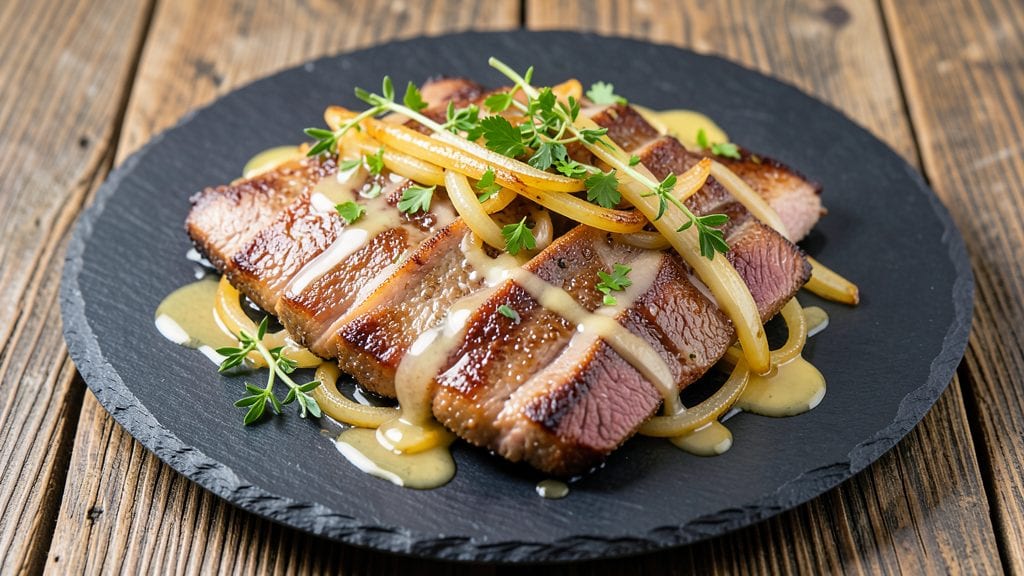
This absolute best liver and onions recipe delivers restaurant-quality richness with perfectly caramelized onions and tender, pan-seared liver—every bite is a balance of savory depth and sweetness. The secret lies in soaking the liver to remove bitterness and slow-cooking the onions until they melt into a golden, jammy layer.
I’ve perfected this technique over years of testing, ensuring the liver stays juicy while the onions develop that irresistible caramelized flavor.
What sets this recipe apart is the two-stage cooking process: first, the liver sears in a hot pan for just minutes to lock in moisture, then finishes gently to avoid overcooking. Meanwhile, the onions simmer in butter and a splash of wine, reducing into a glossy, sweet-savory sauce.
The result is a dish that’s bold yet refined, with textures that contrast beautifully—crisp edges on the liver, velvety onions, and a sauce that clings to every bite.
By the time you plate it, you’ll have a dish that feels elevated yet approachable, perfect for a weeknight dinner or a special occasion. The liver remains tender and flavorful, while the onions transform into a luscious, caramelized blanket.
Serve with crusty bread to soak up every last drop of that rich, buttery sauce—this is liver and onions reimagined for modern tastes.
Whether you’re a longtime fan or new to liver dishes, this method guarantees foolproof results without sacrificing depth. The key is patience—letting the onions cook low and slow while the liver gets just the right amount of attention.
Trust the process, and you’ll end up with a dish that’s undeniably the best you’ve ever made.
Ingredients for absolute best liver and onions
Twelve ingredients transform into restaurant-quality liver and onions with velvety texture and deep caramelized sweetness.
| Ingredient | Amount | Notes |
|---|---|---|
| Beef Liver 🥩 | 1 ¼ lb | Fresh, trimmed of connective tissue |
| Yellow Onions 🧅 | 2 large | Thinly sliced, about 4 cups |
| Unsalted Butter 🧈 | ¾ cup | European-style preferred for flavor |
| Dry White Wine 🍷 | ¼ cup | Sauvignon Blanc or Pinot Grigio |
| Fresh Thyme 🌿 | ¼ cup | Leaves only, finely chopped |
| Fresh Parsley 🌿 | ⅛ cup | Chopped, for garnish |
| Diamond Crystal Kosher Salt 🧂 | 1 ½ tsp | For soaking liver |
| Ground Black Pepper 🌶️ | ½ tsp | Freshly cracked |
| Heavy Cream 🥛 | ¼ cup | Full-fat for richness |
| Granulated Sugar 🍚 | 1 tsp | For caramelizing onions |
| Fresh Lemon Juice 🍋 | 1 tbsp | Brightens the dish |
| Baguette Slices 🍞 | 8 pieces | Crusty, for serving |
The liver is the star, so spring for the freshest cuts—ask your butcher for beef liver, not lamb, for that rich, buttery flavor. Whole Foods or local butcher shops always have the best quality, but even the supermarket variety works if it's bright red and firm to the touch. Trim any connective tissue and soak the liver in milk for 30 minutes before cooking to remove bitterness—this is non-negotiable for the best results. The onions? Yellow onions are ideal—they caramelize beautifully without overpowering the dish. If you're prepping ahead, slice them and store in the fridge for up to 2 days, but use them fresh for the best texture.
No white wine? Substitute with extra chicken broth—just add a splash of lemon juice to mimic the acidity. Fresh thyme unavailable? Dried thyme at one-third the amount works in a pinch, but it lacks that bright, herbal punch. For the butter, European-style or cultured butter adds depth, but any unsalted butter will do. The sugar is optional but worth it for extra caramelization—skip it if you prefer a more savory profile. If you're serving a crowd, double the onions and adjust the wine and cream proportionally. The baguette? Toast it lightly before serving to prevent sogginess.
This dish reheats beautifully—just warm through gently in a skillet with a splash of water or wine. Keeps for 3-4 days in the fridge, though it's best enjoyed fresh. For make-ahead prep, cook the onions ahead and store them separately, then finish the liver just before serving. The sauce freezes well for up to 3 months, so make extra for future meals. Store the liver and onions together in an airtight container, but don't reheat them simultaneously—the liver can turn rubbery if overcooked. Serve with the toasted baguette to soak up every last bit of that luxurious sauce.
Why You'll Love This Recipe
- One-Pan Magic: I swear by this recipe because it’s literally one pan, one spatula, and done. The onions caramelize while the liver sears—no flipping pans, no extra bowls, just pure, satisfying simplicity.
- Rich & Crispy Edge: That crispy sear on the liver? It’s the star. The butter and white wine deglaze into a glossy sauce that coats everything, while the thyme adds this earthy warmth that makes it taste like you spent hours (but you didn’t).
- Weeknight or Date Night: Honestly, it’s my go-to for when I want to impress but don’t have time to fuss. Serve it with crusty bread for a cozy dinner, or plate it over polenta for something fancier—same effort, totally different vibe.
- Budget-Friendly Protein: Liver is cheap, but it feels luxurious. A single pound stretches for two meals—leftovers reheat beautifully in a skillet with a splash of wine. My wallet and my taste buds win every time.
Step-by-step instructions for absolute best liver and onions recipe
This method transforms simple ingredients into restaurant-quality perfection—juicy, caramelized, and bursting with flavor.
Soak and Prepare the Beef Liver
Place the 1.25 lb beef liver in a shallow dish and sprinkle evenly with 1.5 tsp diamond crystal kosher salt and 0.5 tsp ground black pepper. Add 1 tbsp fresh lemon juice and gently toss to coat. Let it soak for 15-20 minutes—this tenderizes the meat and brightens the flavor. The lemon juice also prevents overcooking by slightly firming the liver's surface.
After soaking, pat the liver dry with paper towels. This step is crucial—any moisture left on the surface will prevent proper searing. Keep the liver at room temperature while you prepare the onions and butter. If you're working ahead, you can soak the liver up to 1 hour before cooking, but no longer, as it can start to break down.
Caramelize the Onions to Sweet Perfection
In a large, heavy skillet, melt 0.5 cup of the unsalted butter over medium-low heat. Add the 2 large yellow onions, sliced into ¼-inch rounds, and sprinkle with 1 tsp granulated sugar. Cook for 20-25 minutes, stirring occasionally, until the onions are deep golden brown and tender. This slow caramelization develops rich, sweet flavors that balance the liver's richness.
Here's the thing—don't rush this step. You're building the foundation of your dish. The onions should look like they've been kissed by caramel, with edges that almost look glassy. If they start to stick, add a splash of water and scrape up the browned bits from the bottom of the pan—those are packed with flavor. Once fully caramelized, remove the onions to a plate and set aside, keeping them warm.
Sear the Liver to Juicy Perfection
Increase the heat to medium-high and add the remaining 0.25 cup unsalted butter to the skillet. Let it foam and bubble for 1 minute before adding the liver. Sear for 2-3 minutes per side—you're aiming for an internal temperature of 130-135°F when checked with an instant-read thermometer. The liver should be deep brown on the outside but still bright red in the center. Overcooking turns liver tough and dry.
Real talk: liver cooks fast, and it's easy to overdo it. The moment it releases easily from the pan is your cue to flip. If it sticks, don't force it—add a splash of dry white wine to deglaze and help lift it. Once seared, remove the liver to a warm plate and let it rest for 3-5 minutes before slicing. This resting period ensures juices redistribute, giving you tender, succulent slices.
Build the Rich, Creamy Sauce
Pour the 0.25 cup dry white wine into the skillet and scrape up any browned bits from the bottom. Let it simmer for 2-3 minutes until reduced by half. Add the 0.25 cup heavy cream and stir in the 0.25 cup finely chopped fresh thyme. Simmer for another 2 minutes until the sauce thickens slightly. The sauce should coat the back of a spoon but still be silky, not clumpy.
Return the caramelized onions and seared liver to the skillet, gently tossing to combine. Stir in the 0.125 cup chopped fresh parsley and let everything heat through for 1 minute. The sauce should now be glossy and enveloping, with the sweetness of the caramelized onions perfectly complementing the liver's richness. Taste and adjust seasoning if needed—this is your chance to balance flavors before serving.
Serve Over Crusty Baguette Slices
Divide the liver and onions evenly among 4 plates, spooning the sauce generously over each serving. Top with the remaining fresh parsley for a pop of color and freshness. Serve immediately with the 8 pieces baguette slices on the side—crusty bread is essential for soaking up every last bit of that luxurious sauce.
This dish is a symphony of textures and flavors: the tender, slightly chewy liver, the sweet caramelized onions, and the velvety cream sauce. Each bite delivers a perfect balance of richness and brightness, with the thyme and parsley adding aromatic depth. And here's the best part—it's easier than it looks, but the results are absolutely worth it. Enjoy your masterpiece!
Pro Tips For Making Absolute Best Liver And Onions
- Sear the Liver Fast: Get that pan screaming hot—cast iron or stainless steel—before the liver hits it. Two minutes max per side, or you’ll end up with rubbery, overcooked slices. The butter will foam like crazy, but don’t walk away; that’s when the magic happens.
- Soak Onions in Vinegar: Toss the sliced onions in ¼ cup white vinegar for 10 minutes before cooking. It mellows the bite and keeps them from turning to mush when they simmer in wine. Rinse and pat dry—no one wants a soggy onion stew.
- Deglaze with Wine Early: Pour in that dry white wine right after removing the liver (cover it with foil while you work). The residual heat keeps it warm, and the wine reduces faster into a glossy sauce instead of evaporating into thin air. Trust me, it matters.
- Salt the Liver Twice: Generously salt the liver before searing, then sprinkle more after it rests. The first salt seasons deep, the second locks in moisture—no one wants a dry, salty mess. And yes, even if it looks like you’re overdoing it.
Common mistakes when making this dish
Over-Soaking the Liver
Leaving the liver in milk or lemon juice for more than 30 minutes can break down the proteins, making it mushy when cooked. I’ve ruined a perfectly good liver by soaking it for over 1 hour—the texture became grainy and lost its natural firmness.
Stick to 15-20 minutes max, then pat it completely dry before searing. The lemon juice is your friend here, but don’t let it overstay its welcome. 🌟
Skipping the Resting Period
Liver is incredibly delicate, and slicing it immediately after cooking releases all the juices, leaving you with dry, stringy slices. Always let it rest for 3-5 minutes on a warm plate before cutting—this allows the fibers to relax and redistribute moisture.
I’ve learned this the hard way: once, I sliced into liver right after searing and ended up with a sad, dry pile. Patience here is key! ⏰
Rushing the Onion Caramelization
Caramelizing onions is where the magic happens, but rushing this step leads to bitter, undercooked onions that won’t balance the liver’s richness. Cook them over medium-low heat for at least 20 minutes, stirring occasionally, until they’re deep golden brown.
If you crank the heat, they’ll burn before they soften. I once tried to speed this up and ended with onions that tasted like ash—don’t make my mistake! 🔥
Overcooking the Liver
The moment liver turns gray or releases easily from the pan, it’s overdone. Aim for an internal temperature of 130-135°F—any higher, and it’ll turn tough and dry. Use an instant-read thermometer to avoid guesswork.
I’ve seen people walk away from the stove for "just a minute," only to return with leather-like liver. Keep an eye on it, and trust your instincts when it’s ready. 💡
Ignoring the Fond
The browned bits stuck to the pan (fond) are flavor gold, packed with caramelized goodness that elevates your sauce. Never scrape them out—deglaze with wine or broth to lift them into the sauce.
I once skipped this step and ended up with a bland, watery sauce. A quick splash of wine or stock and a scrape with a wooden spoon works wonders. 🍷
Using the Wrong Onion
Yellow onions are your best bet for caramelizing—they’re sweet and hold up well to slow cooking. Red onions add color but can turn mushy, while white onions lack the depth.
I’ve tried using red onions in a rush and regretted it later—they didn’t caramelize properly and made the dish taste flat. Stick to yellow for the best results. 🧅
Nutrition facts
Frequently asked questions
Why do I need to soak the liver before cooking?
Soaking removes bitterness and tenderizes the meat. The 15-20 minute lemon juice or milk bath brightens the flavor and prevents overcooking by firming the surface. Skipping this step can leave you with a bitter, tough liver.
Can I use chicken liver instead of beef?
Yes, but expect a milder flavor and slightly different texture. Chicken liver cooks faster (1-2 minutes per side) and has a more delicate taste. Adjust the cooking time carefully—it's easy to overcook. For the best results, stick with beef liver for that rich, buttery depth.
How do I fix overcooked liver?
Unfortunately, there's no perfect fix—overcooked liver becomes tough and dry. If it's slightly overdone but not gray, try slicing thinly and serving immediately with extra sauce to mask the texture. For future attempts, use a meat thermometer and aim for 130-135°F internal temp.
Can I make this dish ahead of time?
Cook the onions and sauce ahead, then store separately. Reheat gently in a skillet with a splash of wine or broth. Add the liver fresh—it reheats poorly. For best results, cook everything the same day and serve immediately for peak tenderness.
What's the best way to serve this?
Pair with crusty bread to soak up the sauce, or serve over mashed potatoes for comfort food perfection. A crisp white wine like Sauvignon Blanc complements the dish beautifully. For extra flair, garnish with fresh parsley and a drizzle of extra sauce.