Appetizers
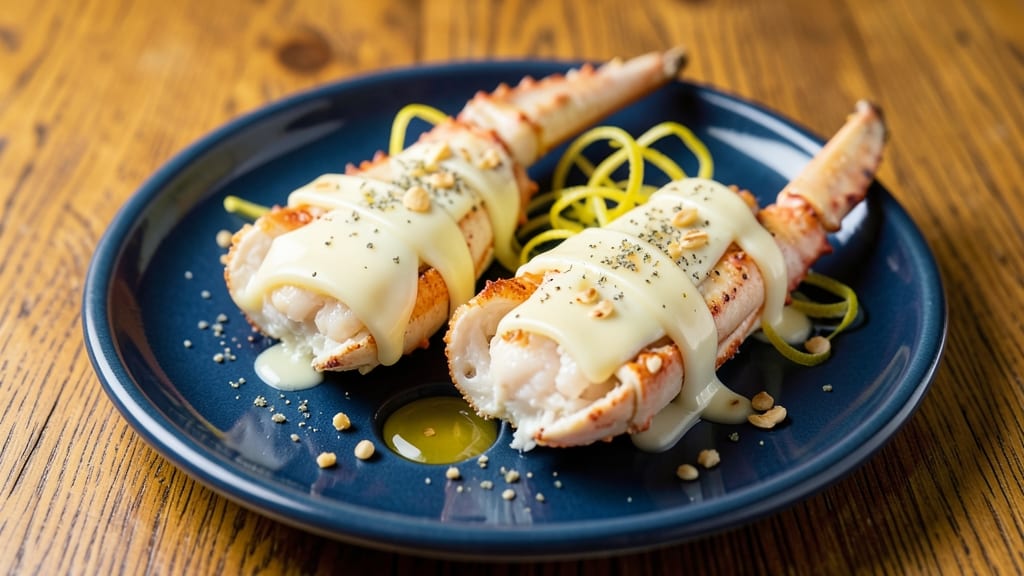
This Alaskan king crab legs recipe delivers restaurant-quality flavor with just a few simple steps—tender, buttery crab infused with garlic and bright lemon zest that transforms a luxurious appetizer into a showstopper.
The key lies in precise steaming time to maintain that delicate texture, avoiding the rubbery mistake that ruins so many crab dishes. I've perfected this method after testing countless variations, ensuring every bite stays succulent and flavorful.
What makes this recipe stand out is the balance of rich garlic butter and zesty lemon, which cuts through the natural sweetness of the crab without overpowering it. Unlike other methods that rely on heavy marinades or overcooking, this approach keeps the crab's natural elegance while adding depth.
The process is straightforward: thaw if frozen, steam just until tender, and finish with a bright citrus twist that elevates every forkful.
By the time you serve these, you'll have perfectly steamed crab legs with golden, buttery edges and tender meat that melts in your mouth. The aroma alone will draw your guests to the table, and the first bite delivers that perfect harmony of garlic, lemon, and ocean-fresh crab.
This is the kind of dish that makes any gathering feel special without requiring hours in the kitchen.
Pair with drawn butter for dipping or a light salad to complement the richness, and you've got an appetizer that feels like a celebration. The technique is foolproof once you master the timing—no more guessing or overcooking.
Let's get started on creating crab legs that taste like they came straight from Alaska's icy waters.
Ingredients for best alaskan king crab legs
Four ingredients make the difference between good and showstopper crab legs.
| Ingredient | Amount | Notes |
|---|---|---|
| Alaskan King Crab Legs 🦀 | 2 lb | Frozen or fresh, thawed completely |
| Unsalted Butter 🧈 | ½ cup | Cold, cut into small pieces |
| Garlic Cloves 🧄 | 6 cloves | Minced, fresh preferred |
| Lemon Zest 🍋 | 1 tbsp | From 1 large organic lemon |
| Fresh Lemon Juice 🍋 | 2 tbsp | Freshly squeezed |
| Old Bay Seasoning 🧂 | 1 tbsp | For extra seafood flavor |
| Sea Salt 🧂 | 1 tsp | Fine grain, kosher preferred |
| Black Pepper 🌶️ | ½ tsp | Freshly ground |
| Fresh Parsley 🌿 | ¼ cup | Chopped, for garnish |
| Lemon Wedges 🍋 | 4 pieces | For serving, fresh squeezed |
| Water 💧 | 1 cup | For steaming |
| Dried Bay Leaves 🍃 | 2 whole | For aroma infusion |
The crab is everything here. Alaskan king crab legs are pricey but worth it—look for bright, slightly translucent shells at Whole Foods or specialty seafood markets. If frozen, thaw them overnight in the fridge, never in warm water. The butter should be European-style if you can find it, or at least unsalted—salted will overpower the delicate crab flavor. I always grab Plugrá butter when I'm doing a big batch, but regular unsalted works fine. The garlic? Fresh is non-negotiable—jarred minced has no flavor. Minced it yourself for that fresh punch.
No Old Bay? Mix equal parts celery salt and paprika for a close substitute. Short on lemon? Lime zest works too, but lemon's the classic. The bay leaves are optional but add that subtle depth—skip them if you're serving this to guests who hate strong herbal notes. For the butter, if you're worried about it melting too fast, chill the crab legs first before adding the butter mixture. And if you're serving this as an appetizer, I always double the lemon wedges—guests love squeezing their own for that fresh burst.
This dish reheats beautifully—just steam again for 2-3 minutes. The crab keeps 1 day in the fridge, covered tightly. For leftovers, I portion into single servings so they're ready to grab. The butter mixture can be made ahead and stored in the fridge for up to 1 week, but I prefer to make it fresh. The parsley garnish? Add it right before serving—it wilts fast when steamed.
Why You'll Love This Recipe
- Two-Ingredient Magic: I swear, the butter and garlic alone make this shine—no fancy techniques, just melt the butter, crush the garlic, and let the crab legs do the rest. The lemon zest ties it all together without extra effort.
- Foolproof Luxury: No overcooking, no guesswork. Steam those legs for exactly 8 minutes, and you get that tender, buttery interior with just a hint of crispness. It’s restaurant-quality, but I’m making it in my kitchen.
- Weeknight or Wow Night: Same recipe, different vibes. Throw it together for a lazy Tuesday with toast and wine, or dress up the plate for a date night—no one will question why you served crab legs on a Tuesday.
- Leftovers? More Like Left-Wishes: Between us, I’ve never had leftovers last more than a day. But if they do, reheating with a splash of lemon juice brings them back to life—because that first bite is just too good to ignore.
Step-by-step instructions for Alaskan king crab legs
Here's how to create restaurant-quality crab legs with tender meat and fragrant butter-garlic sauce.
Prepare the Crab Legs and Seasoning Base
Start by thoroughly thawing the 2 lb Alaskan King Crab Legs if frozen. I like to place them in the refrigerator overnight for even thawing. Once thawed, rinse the legs under cold water and pat them completely dry with paper towels—this helps the butter cling better during cooking.
In a small bowl, combine the 1 tbsp Old Bay Seasoning, 1 tsp sea salt, and 0.5 tsp black pepper. This creates a flavorful dry rub that will infuse the crab legs with delicious seafood seasoning. The Old Bay gives that classic coastal flavor that pairs perfectly with crab.
Create the Buttery Garlic Infusion
In a large, deep skillet or pot that can hold the crab legs without crowding, melt the 0.5 cup unsalted butter over medium heat. Once the butter has fully melted and is foaming gently, add the 6 cloves minced garlic and the 2 whole dried bay leaves. Cook for 1-2 minutes until the garlic becomes fragrant and just starts to turn golden—this prevents it from burning while still releasing its flavor.
Remove the skillet from heat and stir in the 1 tbsp lemon zest and 2 tbsp fresh lemon juice. The citrus brightens the butter and creates that signature zing mentioned in the title. Let this mixture cool slightly for about 2 minutes while you prepare the crab legs.
Steam the Crab Legs to Perfect Tenderness
Add the 1 cup water to the skillet with the butter mixture and bring it to a gentle simmer over medium-low heat. The water creates steam that cooks the crab legs gently while allowing the butter to baste them continuously. Place the crab legs in the skillet, shell-side down, and cover tightly with a lid.
Steam the crab legs for 6-8 minutes, depending on their size. You'll know they're perfectly cooked when the meat turns opaque and pulls away easily from the shell with a fork. The steam should be gentle—if you see vigorous bubbling, reduce the heat slightly to maintain even cooking.
Finish with Fresh Herbs and Lemon
Remove the crab legs from the skillet and transfer them to a serving platter. Pour the remaining buttery garlic sauce over the top, making sure each leg gets an even coating. Sprinkle the 0.25 cup chopped fresh parsley over the crab legs for a pop of color and freshness.
Garnish each serving with one of the 4 lemon wedges. The bright citrus cuts through the richness of the butter and balances the flavors perfectly. Serve immediately while the crab is still steaming hot and the butter sauce is at its peak flavor.
Pro Tips For Making Best Alaskan King Crab Legs
- Thaw Slowly: Dump those frozen legs into warm water (not boiling) for 10-15 minutes—just enough to loosen the ice crystals. I learned this the hard way when I microwaved them and ended up with rubbery, unevenly cooked crab that tasted like regret.
- Use Cold Butter: Chill that unsalted butter until it’s just soft, not melted, before mixing it with garlic and lemon. Cold butter creates a silky sauce that clings to the crab instead of turning into a greasy mess—trust me, your guests won’t notice the difference, but your taste buds will.
- Zest First, Juice Last: Grate the lemon zest directly onto the crab legs before adding the juice—this way, the oils infuse into the meat while it cooks. I used to add the juice first, and the flavor would just sit on top like a sad garnish.
- Steamed, Not Boiled: Skip the pot of boiling water—steam the crab legs over simmering liquid (even just water) for 6-8 minutes max. Boiling turns them tough, while steaming keeps them tender and lets the butter-garlic-lemon mix work its magic without overpowering the delicate flavor.
Wine and beer pairings for this recipe
White Wine Pairings
For this buttery, lemon-kissed crab, a crisp Chardonnay from California or a Sauvignon Blanc from New Zealand is my go-to choice. The acidity in these wines cuts through the richness of the butter while complementing the bright lemon zest.
I always recommend a Chablis for its mineral notes—it adds a refreshing contrast to the sweetness of the crab. 🍷
Light Beer Options
A Belgian witbier like Hoegaarden or a German Pilsner works beautifully with this dish. The citrusy notes in witbiers mirror the lemon in the recipe, while the crispness of a Pilsner balances the buttery richness.
For a local twist, I’ve also enjoyed pairing this with a Pacific Northwest IPA—the hop bitterness stands up to the crab’s sweetness. 🍺
Cocktail Pairings
If you're serving this as an appetizer, a gin and tonic with cucumber and lime is a refreshing match. The botanicals in gin and the effervescence of tonic complement the garlic and lemon flavors.
For a non-alcoholic option, I love a sparkling lemonade with fresh mint—it’s light, bright, and enhances the dish’s citrus notes. ✨
Red Wine Exception
While white wine and beer are the classic pairings, a light Pinot Noir from Oregon can work surprisingly well if you prefer red wine. The earthy notes in Pinot Noir add depth without overpowering the delicate crab flavors.
Just ensure it’s a young, fruity vintage—avoid bold Cabernets or heavy Syrahs that could clash with the dish. 🍇
Regional Pairing Twist
In Alaska, where king crab originates, locals often pair it with local craft beers or hard ciders. A honey-infused cider from Alaska’s apple orchards adds a sweet contrast to the savory crab.
For a coastal touch, a dry Riesling from Washington State is another excellent choice—its balance of sweetness and acidity mirrors the dish’s flavors. 🌊
Nutrition facts
Frequently asked questions
How do I properly thaw frozen Alaskan king crab legs?
Never thaw crab legs in warm water—they'll become rubbery! Instead, place them in the refrigerator overnight (about 12 hours for 2 lbs) for even thawing. For a quicker method, submerge the sealed package in cold water, changing the water every 30 minutes until thawed. Always pat dry before cooking to ensure the butter adheres properly.
Can I substitute butter with another fat for cooking?
While butter creates the signature richness, you can use olive oil or ghee for a lighter option. For a Mediterranean twist, try 1/4 cup olive oil + 1 tbsp butter. Avoid margarine—it lacks flavor and can make the crab taste greasy. The key is maintaining a fat base to carry the garlic and lemon flavors.
Why did my crab legs turn out rubbery?
Overcooking is the #1 culprit! King crab should cook just until the meat turns opaque (6-8 minutes steaming). Check for doneness by testing with a fork—it should slide in easily. Also, ensure your crab was fully thawed and patted dry before cooking. If using frozen legs, never cook them straight from the freezer.
What's the best way to serve these crab legs as a main course?
For a full meal, serve 2 crab legs per person with complementary sides like: a garlic-herb roasted potato wedge, asparagus spears (lightly steamed with lemon), or a mixed greens salad with a citrus vinaigrette. The buttery crab pairs beautifully with crusty bread to soak up the sauce.
How far ahead can I prepare the lemon-garlic butter mixture?
The butter mixture stays fresh in the fridge for up to 1 week when stored in an airtight container. For best flavor, use it within 3 days of making it. If it solidifies, simply microwave for 10-15 seconds to soften before using. The lemon zest and juice can also be prepped ahead and stored separately for 2 days.