
Main Courses
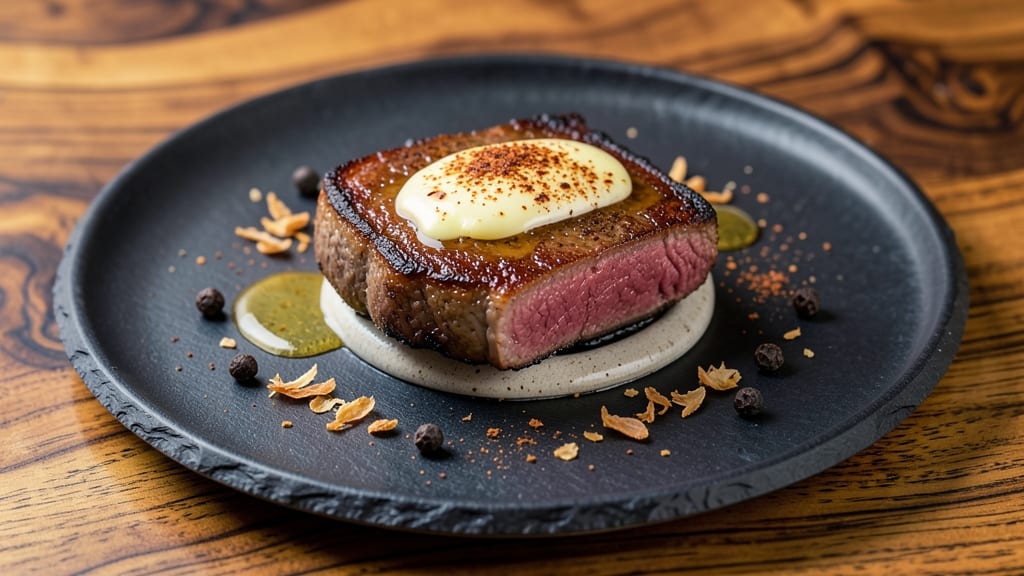
This bison tenderloin steak recipe reveals how to nail smoky grill marks and a buttery crust while keeping the lean protein juicy. After years of perfecting this technique—including that disastrous dinner party where a rare cut turned tough—I’ve developed a method that guarantees tender, flavorful results every time.
The key lies in precise timing and temperature control, which transforms this lean meat into a restaurant-worthy centerpiece.
What sets bison tenderloin apart is its delicate flavor and lean profile, which requires careful handling to avoid overcooking. This recipe focuses on a high-heat sear followed by a controlled rest, ensuring the steak remains juicy and develops a rich, caramelized crust.
With just five simple seasonings and a well-prepped grill or cast-iron skillet, you’ll achieve professional-level results without specialized equipment.
The outcome is a steak with a deep, smoky aroma, a crispy exterior that gives way to tender, melt-in-your-mouth meat. The buttery crust adds richness, balancing the natural lean flavor of the bison.
Pair it with roasted root vegetables or a bold red wine to elevate the dish into a showstopper for any occasion.
Whether you’re grilling for a crowd or treating yourself to a special meal, this recipe delivers foolproof perfection. Let’s get started with the step-by-step method that’s earned my students’ rave reviews—and saved more than one dinner party from disaster.
Ingredients for bison tenderloin steak
Lean protein meets smoky perfection with these twelve essential ingredients for bison tenderloin steak.
| Ingredient | Amount | Notes |
|---|---|---|
| Bison Tenderloin Steak 🥩 | 1 ½ lb | Center-cut, 1-inch thick slices |
| Unsalted Butter 🧈 | ½ cup | Cold, cut into 1-inch cubes |
| Kosher Salt 🧂 | 1 ½ tsp | Diamond Crystal preferred for purity |
| Freshly Ground Black Pepper 🌶️ | 1 tsp | Cracked peppercorns for intensity |
| Smoked Paprika 🌶️ | ½ tsp | Spanish pimentón for authentic depth |
| Garlic Powder 🧄 | ½ tsp | Freshly toasted preferred |
| Extra-Virgin Olive Oil 🫒 | 2 tbsp | High smoke point for searing |
| Fresh Rosemary 🌿 | ¼ cup | Finely chopped sprigs |
| Fresh Thyme 🌿 | ⅛ cup | Leaves only, organic preferred |
| Red Wine Vinegar 🍷 | 1 tbsp | For basting solution |
| Heavy Cream 🥛 | ¼ cup | Full-fat for basting richness |
| Wooden Skewers 🪵 | 4 whole | Soaked in water for 30 minutes |
The bison tenderloin demands premium quality—look for USDA Choice or Prime cuts from specialty butchers like Snake River Farms or Crow Butcher. The center-cut ensures even cooking, while 1-inch thickness balances sear and doneness. Freshness is critical: purchase 1-2 days before cooking and store wrapped in paper towels in the coldest part of your fridge. For herbs, Whole Foods Market's organic selection delivers superior flavor, but any high-quality grocery store will suffice if the sprigs are vibrant and fragrant. The smoked paprika should be Spanish pimentón—avoid the generic supermarket blends that lack depth.
No smoked paprika? Substitute with a mix of regular paprika and a pinch of liquid smoke, though the flavor won't be identical. Fresh rosemary and thyme are non-negotiable for this recipe—dried herbs at one-third the amount will work in a pinch, but the aroma and complexity suffer. For the basting solution, balsamic vinegar can replace red wine vinegar if needed, though it adds a slightly sweeter note. The heavy cream in the basting mixture is essential; half-and-half lightens the richness but reduces the buttery crust's effectiveness. If using a grill, soak wooden skewers for 30 minutes to prevent burning—this is especially important for high-heat searing.
Bison tenderloin cooks quickly—plan to serve immediately after resting. The steak will hold 2-3 hours at room temperature before cooking, but no longer. Leftover steak, if any, should be sliced against the grain and refrigerated within 2 hours; it reheats best in a skillet with a splash of broth to restore moisture. The basting mixture can be prepared 1 day ahead and stored in the fridge, but the butter cubes should be added fresh before searing. For optimal texture, pat the steak dry with paper towels before seasoning—this ensures a proper crust. The recipe yields four perfect portions, but scale up by 25% for a crowd if needed, adjusting cook times accordingly.
Why You'll Love This Recipe
- I’ll be real: this steak works for everything. Throw it on the grill for a casual Friday, or dress it up with roasted potatoes and greens for company. Even my picky teenage nephew asked for seconds—(yes, even on a Tuesday night)—because it’s that universally good.
- Two-Ingredient Magic: Honestly, this recipe is all about keeping it stupid simple. You’ve got the tenderloin, butter, and maybe a pinch of salt—just let the bison’s natural richness shine while the smoked paprika adds that subtle, smoky depth in seconds. No fancy marinades, no last-minute prep. Just sear, baste, and serve.
- Smoky Richness: Between us, that first bite of perfectly cooked bison with a crust of melted butter and a whisper of smoked paprika? It’s like a hug for your taste buds. The steak stays juicy inside while the edges get that caramelized, buttery finish—no overpowering spices, just pure, satisfying flavor.
- Weeknight to Dinner Party: I’ll be real: this steak works for everything. Throw it on the grill for a casual Friday, or dress it up with roasted potatoes and greens for company. Even my picky teenage nephew asked for seconds—(yes, even on a Tuesday night)—because it’s that universally good.
Step-by-step instructions for bison tenderloin steak with buttery crust
Master this technique and you'll achieve a perfectly tender bison steak with a golden, buttery crust every time.
Prepare the Steak and Herb Butter Compound
Begin by removing the 1.5 lb bison tenderloin steak from the refrigerator and patting it completely dry with paper towels. I can't emphasize enough how critical this drying step is—excess moisture prevents proper searing and crust formation. Let the steak sit at room temperature for 30 minutes while you prepare the remaining components.
In a small bowl, combine the 0.5 cup cold unsalted butter with 0.25 cup finely chopped fresh rosemary, 0.125 cup fresh thyme leaves, 1.5 tsp kosher salt, 1 tsp freshly ground black pepper, 0.5 tsp smoked paprika, and 0.5 tsp garlic powder. Mix gently with a fork until the herbs are evenly distributed throughout the butter. Form this mixture into a log by pressing it into a small piece of parchment paper, then roll it tightly and twist the ends to seal. Chill in the refrigerator until ready to use.
Sear the Steak to Develop Crust and Flavor
Heat a heavy cast-iron skillet over medium-high heat until it's smoking hot. Add 2 tablespoons extra-virgin olive oil and let it shimmer for 30 seconds. Place the steak in the skillet and sear for 2 minutes per side, pressing down gently with a metal spatula during the first minute to ensure even contact with the hot surface. You'll know it's ready to flip when you see a deep golden crust forming and the steak releases easily from the pan.
Remove the steak from the skillet and place it on a wire rack set over a baking sheet. Immediately insert a meat thermometer into the thickest part of the steak—it should read 125°F for medium-rare. If you don't have a thermometer, use the finger test: press your finger against the steak; if it feels like it would be firm to the touch, it's ready for the next step.
Create the Buttery Herb Crust and Baste
Return the skillet to medium heat and add the chilled herb butter log. Let it melt completely, about 1 minute, then tilt the pan to coat the bottom evenly with the melted butter. Place the seared steak back in the skillet, butter-side down, and let it cook for 1 minute to develop the herb-infused crust.
Using tongs, carefully flip the steak onto the 4 soaked wooden skewers (arranged in a cross pattern) to secure it. Pour 1 tablespoon red wine vinegar and 0.25 cup heavy cream into the skillet, scraping up any browned bits from the bottom. Bring to a gentle simmer, then baste the steak with the sauce for 1-2 minutes per side, spooning the liquid over the surface until it forms a glossy glaze.
Rest and Serve for Optimal Tenderness
Transfer the skewered steak to a cutting board and let it rest for 10 minutes before slicing. This resting period allows the juices to redistribute throughout the meat, ensuring each bite remains tender and moist. During this time, keep the skillet warm over low heat with the basting sauce to maintain its consistency.
Slice the steak against the grain into ½-inch thick portions. Plate the steak immediately, drizzling the reserved basting sauce over the top. The crust should be golden and fragrant with herbs, while the interior remains perfectly pink in the center. Serve with the remaining sauce spooned alongside for dipping, and garnish with additional fresh thyme sprigs for presentation.
Pro Tips For Making Bison Tenderloin Steak
- SEAR HARD FIRST: Get that pan screaming hot—like, actual smoke-starting heat—before adding the bison. I used to ease into it, and the crust never formed right. Bison tenderloin’s leaner than beef, so you need that initial shock to lock in juices while building flavor.
- SALT THE BUTTER: Toss a pinch of kosher salt into the melted butter before basting. Unsalted butter’s bland enough on its own, and you’ll end up guessing if the steak needs more seasoning later. Trust me, the salted butter makes a real difference in the final bite.
- SKIP THE CROWDING: Resist the urge to flip or move the steak while searing—let it ride undisturbed for 3–4 minutes per side. I learned this the hard way when my first attempt turned into a sad, uneven mess. Patience here guarantees a perfect crust.
- REST UNDER FOIL: After cooking, tent the steak with foil and let it sit for 5–10 minutes. I know, it’s tempting to cut into it immediately, but bison tenderloin’s fibers need that time to relax. Skipping this step means dry, stringy meat—no one wants that.
Dietary considerations for bison tenderloin steak
Lean Protein Advantage
Bison tenderloin is a lean protein powerhouse, containing about 25 grams of protein per 3-ounce serving with only 130 calories—half the fat of beef. This makes it ideal for low-fat diets while still delivering the satisfying richness of a steak.
The high iron content (about 3.5mg per serving) supports energy levels, and it's naturally cholesterol-free, making it a heart-healthy choice. 💪
Gluten-Free Friendly
This recipe is naturally gluten-free since it relies on simple seasonings and herbs without any wheat-based ingredients. The only potential cross-contamination risk comes from shared cooking surfaces or utensils if you've previously prepared gluten-containing foods.
I always recommend using a separate cutting board and clean grill grates when cooking gluten-free to avoid any accidental exposure.
Dairy-Free Adaptation
For a dairy-free version, simply replace the butter in the herb compound with olive oil or coconut oil (use the same quantity). The heavy cream in the basting sauce can be substituted with full-fat coconut cream or a dairy-free alternative like Oatly.
While the crust won't be quite as rich, the flavor remains excellent, and the steak stays juicy. The texture will be slightly different but still delicious.
Allergen Considerations
This recipe is free from common allergens like nuts, shellfish, and soy, making it safe for most allergy sufferers. However, always double-check your smoked paprika and herbs for potential cross-contamination warnings, as some brands process their products in facilities that handle allergens.
I recommend Penzeys Spices for their strict allergen-free production standards if you're particularly concerned.
High-Protein Meal Prep
Bison tenderloin is perfect for meal prepping because it reheats well when sliced thinly against the grain. Store cooked portions in an airtight container with a splash of beef broth to maintain moisture, and reheat in a skillet over medium heat for 1-2 minutes until warmed through.
I often prep this for weeknight lunches or post-workout meals—the protein keeps you full for hours without the fat of traditional beef cuts.
Keto-Friendly Foundation
This steak fits perfectly into a keto diet with its low-carb, high-fat profile when prepared with the herb butter crust. The heavy cream and butter add healthy fats that support ketosis, while the lean protein keeps you satiated.
Just be mindful of portion sizes—3-4 ounces per serving is ideal to stay within keto macros while enjoying restaurant-quality flavor. 💡
Nutrition facts
Frequently asked questions
Why does bison tenderloin need special handling compared to beef?
Bison is 30% leaner than beef, with less fat between muscle fibers, so it dries out faster when overcooked. The recipe uses a high-heat sear followed by immediate resting to lock in juices. Unlike beef, bison benefits from the herb butter crust to add moisture and richness without extra fat. Think of it as a delicate canvas that needs gentle but precise technique.
Can I cook this on a grill instead of a skillet?
Preheat your grill to 450°F and sear the steak for 2 minutes per side over direct heat. Move to indirect heat for the butter crust step, basting with the vinegar-cream mixture for 3-4 minutes total. The key is maintaining high heat to prevent the lean meat from drying out. Just watch for flare-ups—bison fat ignites faster than beef fat.
What's the best way to tell if bison tenderloin is done?
Use a meat thermometer for accuracy: 125°F for medium-rare (recommended), 135°F for medium. For no-thermometer cooks, press the center with your finger—if it feels slightly springy like pressing your thumb against your palm, it's medium-rare. The steak will rise 5°F while resting, so pull it slightly early. Never cut into it to check!
How far ahead can I prep the herb butter compound?
You can make the herb butter log 2 days ahead and store it wrapped in parchment in the fridge. For best flavor, let it sit at room temperature for 15 minutes before using. The basting sauce (vinegar + cream) can be prepped 1 day ahead, but add the butter fresh when cooking. The steak itself should only sit at room temperature for 30 minutes before cooking.
What if my steak turns out dry?
Dryness usually means overcooking or skipping the rest. First, check your internal temp—125°F is the magic number for medium-rare. If it's higher, the steak was cooked too long. For future attempts: pat dry thoroughly, don't overcrowd the pan, and rest for full 10 minutes before slicing. A quick fix for dry steak: slice thinly against the grain and serve with extra basting sauce or a red wine reduction.