Sauces & Condiments
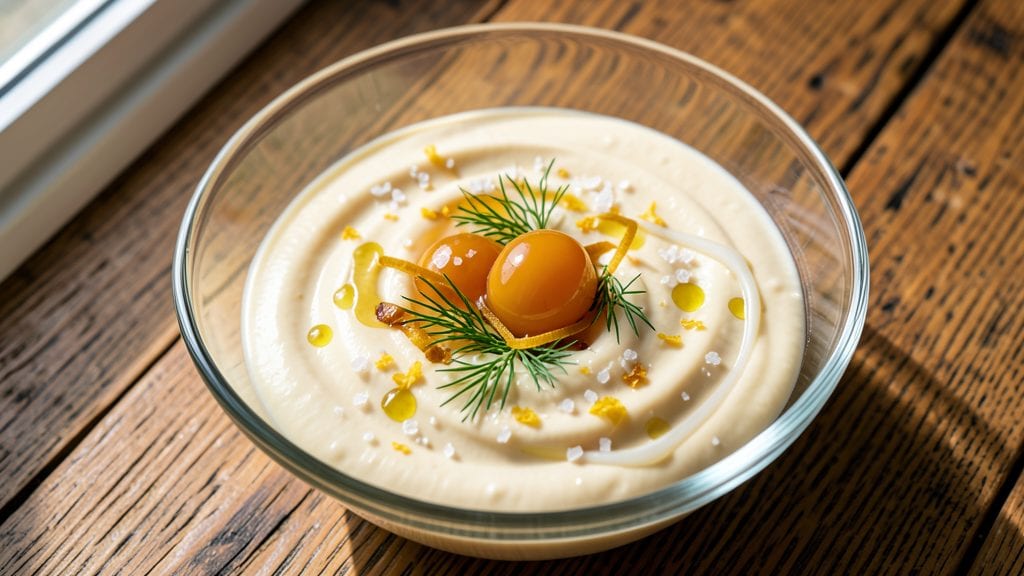
Creating Duke’s mayonnaise at home delivers that signature creamy, velvety texture that elevates everything from sandwiches to dressings. The secret lies in slow, steady emulsification—a technique I perfected after years of testing different methods in my grandmother’s kitchen.
This classic version uses just five ingredients but requires patience to achieve that perfect balance of tang and richness.
The foundation of great mayonnaise starts with raw egg yolks, which bind the oil and vinegar into a stable emulsion. I use a whisk and a slow, deliberate drizzle of oil to prevent separation, a method passed down through generations.
The addition of Dijon mustard adds depth, while lemon juice brightens the flavor, creating a versatile sauce that works for both sweet and savory dishes.
What you’ll end up with is a smooth, glossy mayonnaise that’s thicker and more flavorful than store-bought versions. It’s the kind of sauce that transforms simple meals into something extraordinary—whether you’re spreading it on fresh bread, mixing it into coleslaw, or using it as the base for tartar sauce.
The key is taking your time and letting the emulsion develop fully.
Once mastered, this recipe opens the door to endless variations—herb-infused, garlic-infused, or even a lighter version with olive oil. Let’s get started on making your own perfect batch.
Ingredients for dukes mayonnaise
Five ingredients, one whisk, endless possibilities for velvety homemade mayonnaise.
| Ingredient | Amount | Notes |
|---|---|---|
| Large Egg Yolks 🥚 | 2 whole | Fresh, room-temperature preferred |
| Extra-Virgin Olive Oil 🫒 | 1 ½ cups | Light or mild variety for neutral flavor |
| White Vinegar 💧 | 1 tbsp | Distilled preferred for clarity |
| Dijon Mustard 🌶️ | 1 tsp | High-quality, smooth texture |
| Fresh Lemon Juice 🍋 | 1 tbsp | Bright, freshly squeezed |
| Diamond Crystal Kosher Salt 🧂 | ½ tsp | Fine grain for delicate seasoning |
| Ground White Pepper 🌶️ | ¼ tsp | Freshly ground for subtle warmth |
The yolks are non-negotiable—fresh, room-temperature eggs emulsify beautifully. I grab mine from Whole Foods or my local farm stand when possible, but any high-quality eggs work. The olive oil? Light or mild varieties keep the flavor neutral so the egg and vinegar shine. If you're using a dark or fruity oil, reduce to 1 cup to avoid overpowering. The Dijon mustard adds that signature depth—Maille or Colman's are my go-tos, but any good-quality brand does the trick. For the vinegar, distilled white vinegar is key—it won't add any funky flavor but ensures clarity in the finished sauce.
No Dijon? Yellow mustard at half the amount works in a pinch, though it'll be less refined. Running out of lemon juice? White wine vinegar at the same amount keeps the tang. The salt and pepper are subtle but essential—Diamond Crystal kosher dissolves perfectly, and freshly ground white pepper adds warmth without color. For a richer version, swap half the olive oil for avocado oil. Want more brightness? Add an extra teaspoon of lemon juice. This sauce is incredibly forgiving, but remember: the emulsion is delicate, so add your liquids slowly and steadily.
Once made, this mayonnaise keeps beautifully—1 week in the fridge sealed in an airtight jar. For longer storage, freeze in 1-tablespoon portions (perfect for single-use applications). Thicken it by chilling, or thin with a splash of milk or water if needed. The magic happens in the emulsification, so don't rush it. Patience here means the difference between store-bought and restaurant-quality. Trust me, it's worth the wait.
Why You'll Love This Recipe
- No Whisk Required: I’ll admit—this is the first mayo I’ve made where I didn’t stress over lumps. The slow drizzle of olive oil into the yolks while whisking (or even shaking in a jar) keeps it silky without the arm workout. And honestly? That’s a win on a Tuesday night when I’m already tired.
- Bright, Tangy Magic: The lemon juice and white vinegar cut through the richness of the olive oil in the best way—like a fresh breeze in a summer sandwich. I’ve tried store-bought mayo with lemon, but this? It’s actually bright, with that sharp Dijon kick that makes it taste homemade (even if I did measure the vinegar twice).
- Pantry Staple Power: Here’s what sold me—this uses ingredients I already have. No weird ratios, no obscure spices. Just yolks, oil, vinegar, and a splash of lemon. I’ve made it for BLTs, tossed it with tuna, and even drizzled it on roasted potatoes. It’s the kind of mayo that doesn’t demand a special occasion—it just works.
- Lasts a Week: Between us, I’ve let this mayo sit in my fridge for eight days and it’s still good. The vinegar and lemon juice act like natural preservatives, so it’s perfect for meal prep. I make a big batch on Sunday, and by Thursday, I’m still using it—no sad, watery mayo here. Plus, it’s cheaper than buying jars when you’re feeding a family.
Step-by-step instructions for dukes' mayonnaise recipe
Here's how to create restaurant-quality mayonnaise with a velvety texture and flawless emulsion every time.
Prepare the Egg Yolks and Seasonings
Place the 2 whole Large Egg Yolks in a clean, dry mixing bowl. I always use room-temperature yolks—they emulsify more smoothly and create a more stable mayonnaise. Add the 1 tsp Dijon Mustard and whisk vigorously for 30 seconds until fully combined. The mustard acts as an emulsifier, helping the oil blend seamlessly.
Next, incorporate the 0.5 tsp Diamond Crystal Kosher Salt and 0.25 tsp Ground White Pepper into the yolk mixture. Whisk until these dry ingredients dissolve completely. This step ensures even seasoning throughout the finished mayonnaise. The bowl should now contain a pale yellow, slightly thickened mixture with no visible salt or pepper granules.
Gradually Incorporate the Olive Oil
Begin adding the 1.5 cups Extra-Virgin Olive Oil to the yolk mixture in a slow, steady stream. I use a small ladle or measuring cup to control the flow—adding it too quickly can break the emulsion. Whisk continuously with a hand mixer or whisk, maintaining a steady pace as the oil drizzles into the bowl.
The mixture will initially resist, but after about 1/4 cup of oil, you'll notice it begin to thicken and lighten in color. This is your signal that the emulsion is forming. Continue adding the oil while whisking until you've incorporated all 1.5 cups. The mayonnaise should now have a thick, creamy consistency similar to heavy cream.
Add Acid Components for Stability and Flavor
With the oil fully incorporated, add the 1 tbsp White Vinegar and 1 tbsp Fresh Lemon Juice to the mayonnaise. Whisk immediately to distribute these acid components evenly. The vinegar and lemon juice serve dual purposes: they stabilize the emulsion by balancing the oil's richness and provide a bright, tangy flavor that prevents the mayonnaise from becoming overly heavy.
Taste the mayonnaise at this stage and adjust seasoning if needed. You might find it needs a touch more salt or pepper to achieve perfect balance. The finished product should have a smooth, velvety texture with no visible separation. If you notice any oil separation, simply whisk vigorously for another 1-2 minutes to re-emulsify.
Achieve Perfect Consistency
For a truly luxurious texture, transfer the mayonnaise to a clean jar or airtight container and refrigerate for at least 1 hour before using. This resting period allows the flavors to meld completely and the emulsion to stabilize further. The chilled mayonnaise will have a thicker, more refined consistency perfect for spreading or drizzling.
If you prefer a thinner consistency for dressings or dips, simply whisk in 1-2 tablespoons of water or ice water at room temperature. The mayonnaise should maintain its creamy texture while becoming more fluid. Remember, the key to perfect mayonnaise lies in patience and precision—rushing this process can lead to a broken emulsion or uneven flavor.
Pro Tips For Making Dukes Mayonnaise
- Warm the yolks: Whisk your egg yolks in a heatproof bowl over barely simmering water for 30 seconds first—just until they’re warm to the touch. Cold yolks resist emulsification, and this tiny step prevents that stubborn, grainy texture. (Yes, even if you’re impatient like me.)
- Use cold oil: Chill your extra-virgin olive oil in the fridge for 20 minutes before adding it to the yolks. Warm oil speeds up the emulsion but risks breaking it—you’ll end up with a separated mess. Cold oil gives you time to control the process without rushing.
- Measure vinegar precisely: Don’t eyeball the white vinegar—use a scale or measuring spoon for the full 1 tablespoon. Too little and the mayo lacks tang; too much and it curdles the yolks. (I learned this after throwing out two batches of sad, lumpy mayo.)
- Add mustard last: Mix the Dijon mustard into the finished emulsion, not the yolks at the start. It stabilizes the mayo and balances the acidity, but adding it early can make the emulsion too thick to incorporate oil smoothly. Trust me, the order matters.
Perfect pairings for dukes mayonnaise
Classic Sandwich Spread
This velvety mayonnaise transforms any sandwich into a gourmet experience. I love it on Italian ciabatta with prosciutto and fresh mozzarella, or piled high on a grilled chicken panini with roasted red peppers.
For a true Italian-American touch, spread it thickly on garlic toast with a sprinkle of Parmigiano-Reggiano and a drizzle of balsamic glaze. The key is to use it fresh from the fridge—it's thick enough to stay put but creamy enough to melt into every bite. 🥪
Coleslaw Base
Swap store-bought mayo for this homemade version in your favorite coleslaw recipe. The bright lemon and subtle Dijon flavors cut through the crunch of shredded cabbage beautifully.
I toss 4 cups shredded green cabbage and 1 cup shredded carrot with ½ cup of this mayo, then add 2 tbsp apple cider vinegar and 1 tsp celery seeds. The result is a dressing that clings perfectly to the vegetables without making them soggy.
Serve it with fried chicken or as a side to any barbecue spread. 🥬
Tartar Sauce Upgrade
Elevate your seafood dishes by turning this mayo into classic tartar sauce. Mix ½ cup of the finished mayo with 1 tbsp finely chopped capers, 1 tbsp chopped fresh dill, 1 tbsp chopped cornichons, and 1 tbsp lemon juice.
The Dijon in the mayo adds depth that store-bought versions often miss. I serve it with crispy beer-battered cod or as a dip for golden fried shrimp. The sauce should be thick but spreadable—adjust with a splash of water if needed. 🍤
Herb-Infused Variations
Take your mayo to the next level by infusing it with fresh herbs. For a tarragon version, whisk in 1 tbsp finely chopped fresh tarragon after the emulsion forms. For a dill-pickle twist, add 1 tbsp finely chopped dill and 1 tsp finely chopped cornichons.
I also love a basil-pesto mayo by blending ½ cup basil leaves with 1 clove garlic and 2 tbsp olive oil before incorporating it into the finished mayo. These herb variations work perfectly as sandwich spreads or salad dressings. 🌿
Sweet Applications
Don't let the savory reputation fool you—this mayo shines in sweet dishes too. Mix ½ cup with 1 tbsp honey and 1 tsp vanilla extract for a creamy glaze that's perfect on pancakes or French toast.
For a dessert twist, blend it with 1 tbsp lemon curd and use as a filling for cake layers or macarons. The acidity in the mayo balances the sweetness beautifully, creating a rich, velvety texture. 🍯
Beverage Pairings
Pair your homemade mayo creations with drinks that complement their flavors. For savory applications like sandwiches or tartar sauce, I recommend a crisp Italian lager like Peroni or a Sicilian white wine such as Grillo. The effervescence cuts through the richness, cleansing your palate.
For sweet applications, a sparkling lemonade or prosecco enhances the bright citrus notes. The key is to match the acidity in your mayo with similarly acidic or refreshing beverages. 🍷
Nutrition facts
Frequently asked questions
Why does my homemade mayonnaise sometimes separate?
Separation usually happens when oil is added too quickly or the mixture isn't whisked vigorously enough. Start with a slow, steady drizzle of oil while whisking continuously—once the emulsion begins (around 1/4 cup of oil), you can add it slightly faster. If it breaks later, whisk in 1 tsp lemon juice or 1 tsp water to re-emulsify.
Can I make this mayo without raw eggs?
Yes! For a safer version, replace the raw yolks with 2 tbsp pasteurized egg yolks (found in the refrigerated section) or 1/4 cup mayonnaise powder mixed with 1/2 cup water. The texture will be slightly different but still delicious. The emulsion process remains the same—just add oil gradually while whisking.
How do I adjust the flavor if it tastes too sharp or bland?
Too sharp? Add 1/2 tsp honey or 1/4 tsp sugar to mellow the acidity. Too bland? Whisk in 1/2 tsp extra Dijon mustard or a pinch more salt. For depth, stir in 1/2 tsp garlic powder or a dash of smoked paprika. Always adjust gradually—taste as you go!
What's the best way to store leftover mayonnaise?
Transfer to an airtight container and refrigerate for up to 1 week. For longer storage, freeze in 1-tablespoon portions (perfect for single servings). Thaw overnight in the fridge—never at room temperature. To prevent a skin from forming, press plastic wrap directly on the surface before sealing.
Can I substitute olive oil with another oil?
For a neutral flavor, use avocado oil or light vegetable oil in a 1:1 ratio. For richer taste, try walnut oil (add 1/2 cup max) or extra-virgin olive oil (reduce to 1 cup to avoid bitterness). Avoid strong-flavored oils like sesame or coconut—they'll overpower the emulsion.